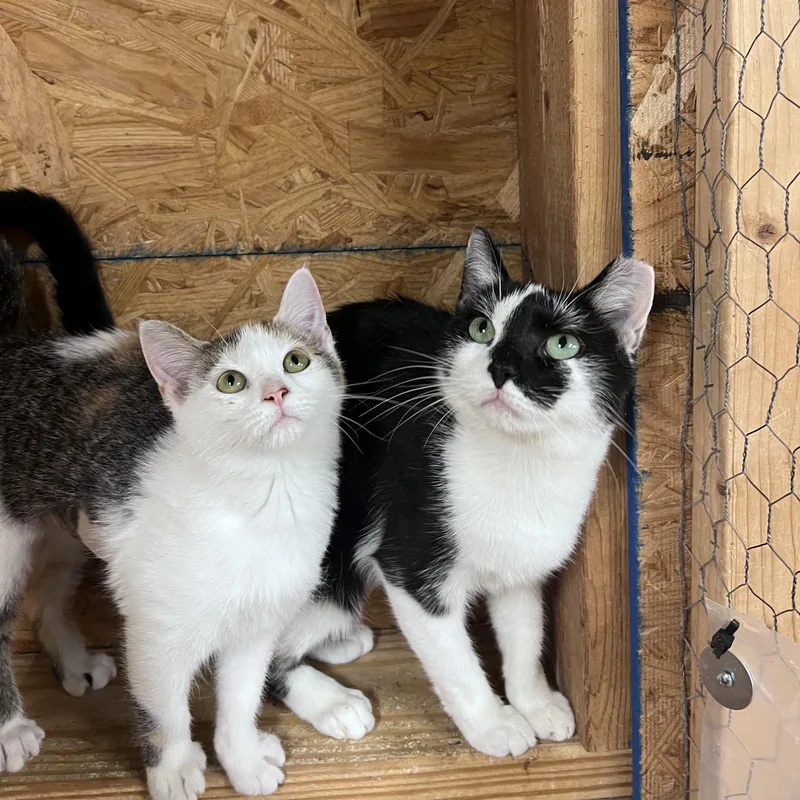
Calico Cats for Adoption in Georgetown, DE

Your guide to finding and caring for a Calico in Georgetown

A calico in Georgetown fits an older house near The Circle as easily as a rental apartment off Railroad Avenue. Calico is a coat pattern, not a breed, so most are adaptable domestic shorthairs who suit a small town of about 7,700 people. A sunny front window on a quiet street gives her plenty to watch, and a newer subdivision on the edge of town gives her room to roam indoors. Plan on moderate shedding either way.

1499 Calicos available in Georgetown and nationwide

Bring home a Calico

While we don't have enough cats near Georgetown, keep in mind that many rescues may offer transport.

Calicos Available for Adoption Near Georgetown

About the Calico breed

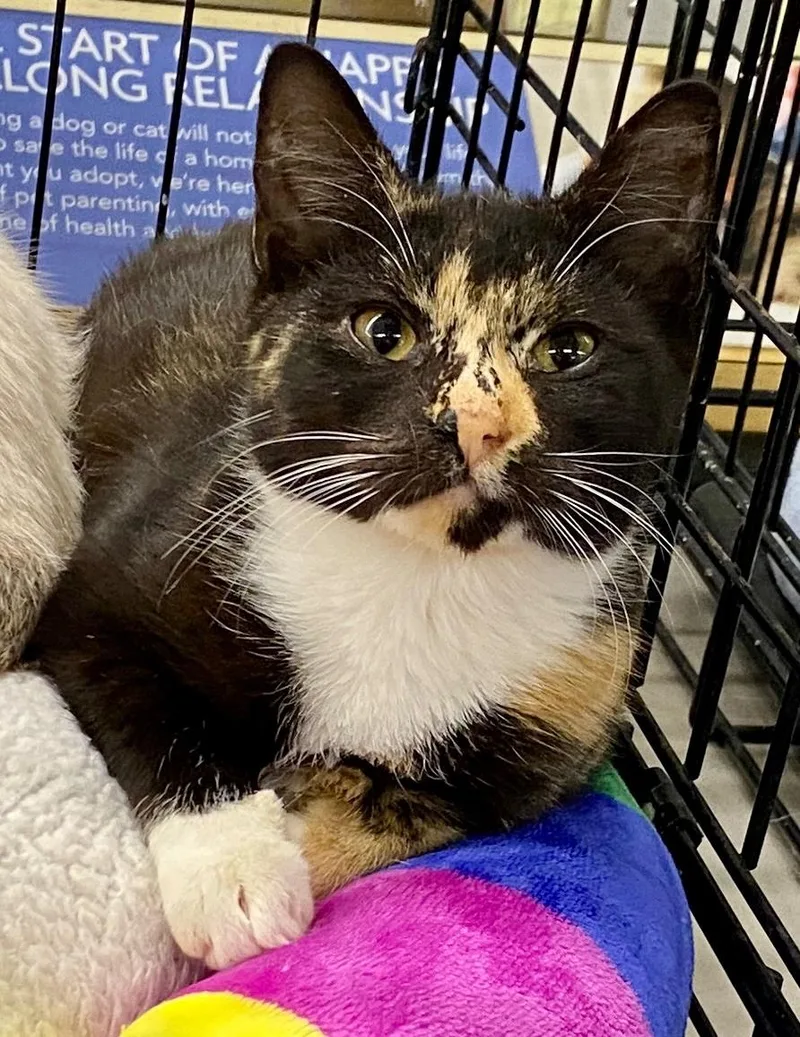
Calico describes color, not ancestry: white with patches of black and orange, or softer gray and cream in the dilute version. Nearly all calicos are female, and most adoptable ones are domestic shorthairs weighing roughly 6 to 12 pounds, with a lifespan of 12 to 18 years. Longhaired calicos exist too and need more brushing.

In Georgetown, a calico's day looks like any indoor cat's: window watching, a few play sessions and naps in whatever sunbeam the house offers. Her temperament is usually adaptable and affectionate with an independent streak, though the "tortitude" reputation is folklore rather than science. Because her personality comes from her upbringing and genes, spending time with the cat tells you more than her patches do.

Weight
6–12 lbs
Height
8–10 in
Lifespan
12–18 yrs
Temperament
Adaptable, Affectionate, Independent
Shedding
Moderate

Owning a Calico in Georgetown

Having a Calico in Georgetown

A calico's traits come from her ancestry, upbringing and age, not her patches. Expect a moderately active, adaptable indoor cat who sheds a moderate amount, with more variation in coat length and personality than in size.

Temperament

Calicos run from shy and gentle to bold and talkative, since personality follows genes and experience rather than color. Adaptable, affectionate cats usually handle the quiet routines of a small town well, though a bold one may want more attention. Spend time with the cat and watch how she reacts to people, noise and other pets.

Exercise Needs

Two or three short play sessions a day with wand toys, balls or food puzzles are usually enough for an adult calico, and kittens need more. Georgetown's cold winter nights and hot July days keep most exercise indoors, so a tall cat tree and a window perch matter. A harness walk in a fenced backyard suits confident cats.

Health Considerations

Female calicos need the same care as any domestic cat: vaccines, dental care, weight control and yearly checkups. Delaware requires rabies vaccination for cats six months and older. Rare male calicos may face extra concerns, including urinary problems. A veterinarian can check a new cat's teeth, weight and coat and set up flea prevention.

Living Space

Calicos adapt to apartments and houses alike when they have scratching posts, a perch, hiding spots and daily play. A shy cat appreciates a quiet room for the first week. Keeping her indoors, or in a catio or on a harness, is safest, especially near busy roads like US 113.

What it costs to own a Calico in Georgetown

ExpenseTypical costPer year
Food$25 to $50 per month$300 to $600
Pet insurance$20 to $45 per month$240 to $540
Routine vet care$150 to $350 per year$150 to $350
Other*$450 to $1,150 per year$450 to $1,150
Estimated yearly total (after year one)$1,140 to $2,640

Other costs are estimates and vary with size, age and health.

* Litter, flea prevention, a dental cleaning, toys and supplies, and home brushing or occasional grooming.

Adopt a Calico in Georgetown.

Now that you know more, let’s find you a new best friend. These rescues and shelters below currently have Calicos available.

Rescues in Georgetown with Calicos Available

Shelters and rescues serving Georgetown help cats of every coat and age find new homes. Here are the rescues & shelters in the Georgetown area where you can find Calicos and other cats available for adoption.

Frequently Asked Questions

Yes, for an indoor calico. Georgetown has about 30 days a year at 90°F or higher and roughly 83 freezing nights, both easy to manage inside. Offer fresh water and a cool spot in July, a warm blanketed perch in winter, and a plan for power outages during snowstorms. Longhaired calicos feel summer heat more, so brush them regularly.

Yes. Delaware has no known cat license, and calico is a coat pattern rather than a breed, so no breed rule applies. Your calico will need a rabies vaccination once she's six months old, and renters should confirm pet terms with the landlord. Watch the cats listed on this page and save a search to hear when new calicos appear.

Yes, most calicos adapt well to apartments. Give her vertical space, a scratching post, a window perch and daily play. Rentals are common here, so get pet terms in writing before you sign, and ask the landlord about window screens or balcony access. A shy cat may want a quiet room to settle in during her first week.

Often, yes. Georgetown is a small town with a quiet pace, and an adaptable calico handles that well whether you rent near downtown or own a newer house. Personality still varies from cat to cat, so a long workday alone suits some better than others. Meet the cat first and judge her behavior, not her patches.

A shorthaired calico needs a brush once or twice a week, a longhaired one every day or two. Expect heavier shedding in spring and fall as the seasons change. Most owners groom at home, and an occasional professional session fits within the $450–$1,150 yearly Other budget, which also covers litter, dental care and flea prevention.

Almost all calico cats are female, but not every single one. The genes for orange and black coat color sit on the X chromosome, so a cat normally needs two X chromosomes to show both colors at once. Roughly 1 in 3,000 calicos is male, usually because of an extra X chromosome, a genetic quirk rather than a separate type.

A calico cat is any cat with a three-color coat of white plus distinct patches of black and orange, or gray and cream in dilute calicos. Calico is a coat pattern rather than a breed, so it appears in domestic shorthairs, longhairs and many pedigreed breeds. Nearly all calicos are female because of how coat color genes are inherited.

Yes, calico cats can be male, but it is very rare. A male calico usually has XXY chromosomes instead of the typical XY, a condition similar to Klinefelter syndrome in people, or is a chimera formed from two embryos. These males are almost always sterile and may have extra health needs, so regular veterinary care is especially worthwhile.

We have 1 rescue with Calicos available: Dogs And Their Companions, LLC. You can see every rescue with Calicos available in the list above these questions, or scroll to the top to see the Calicos near Georgetown.

A calico typically costs about $25–$50 a month for food and $20–$45 a month for optional insurance. Routine vet care runs $150–$350 a year, and other yearly costs, including litter, flea prevention, dental care and supplies, add $450–$1,150. Costs shift with the cat's size and coat length.