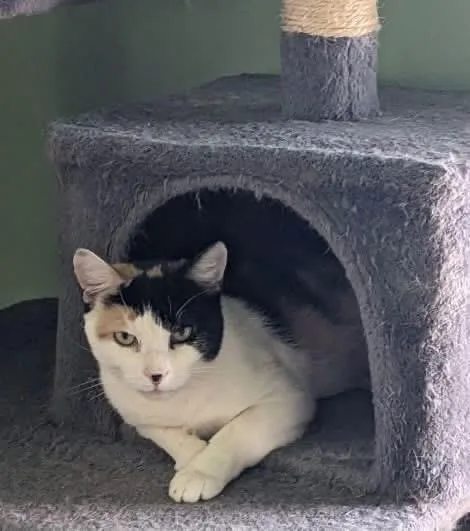
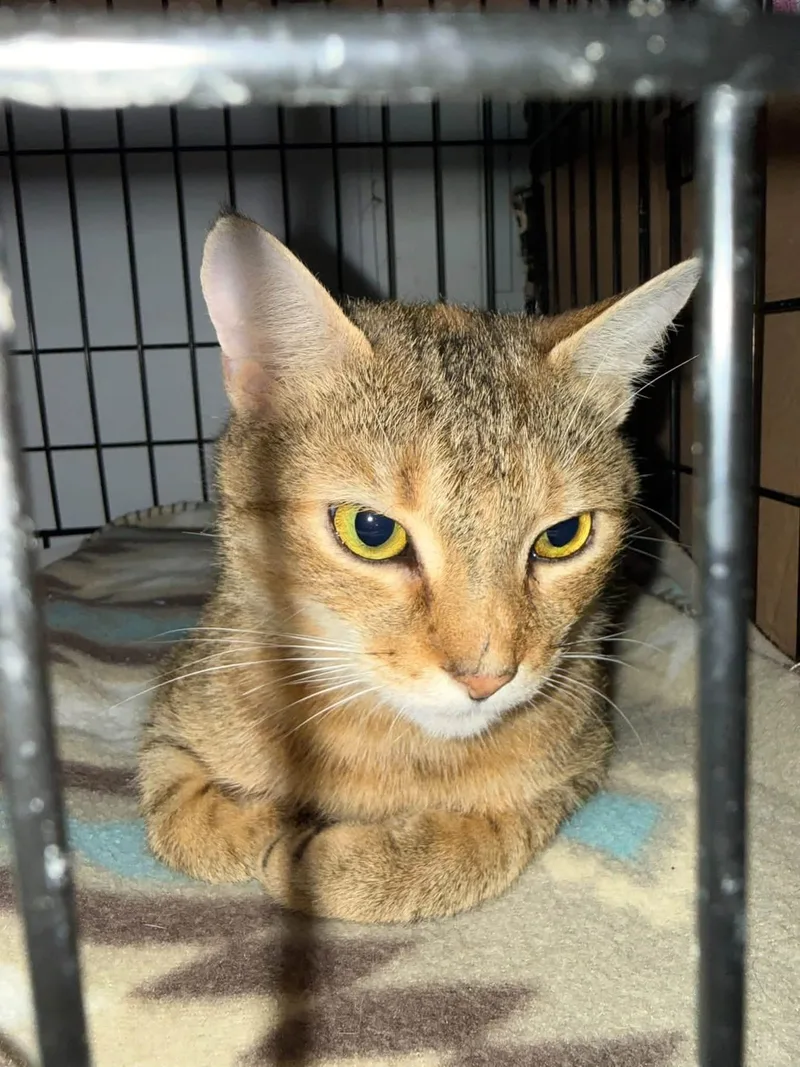
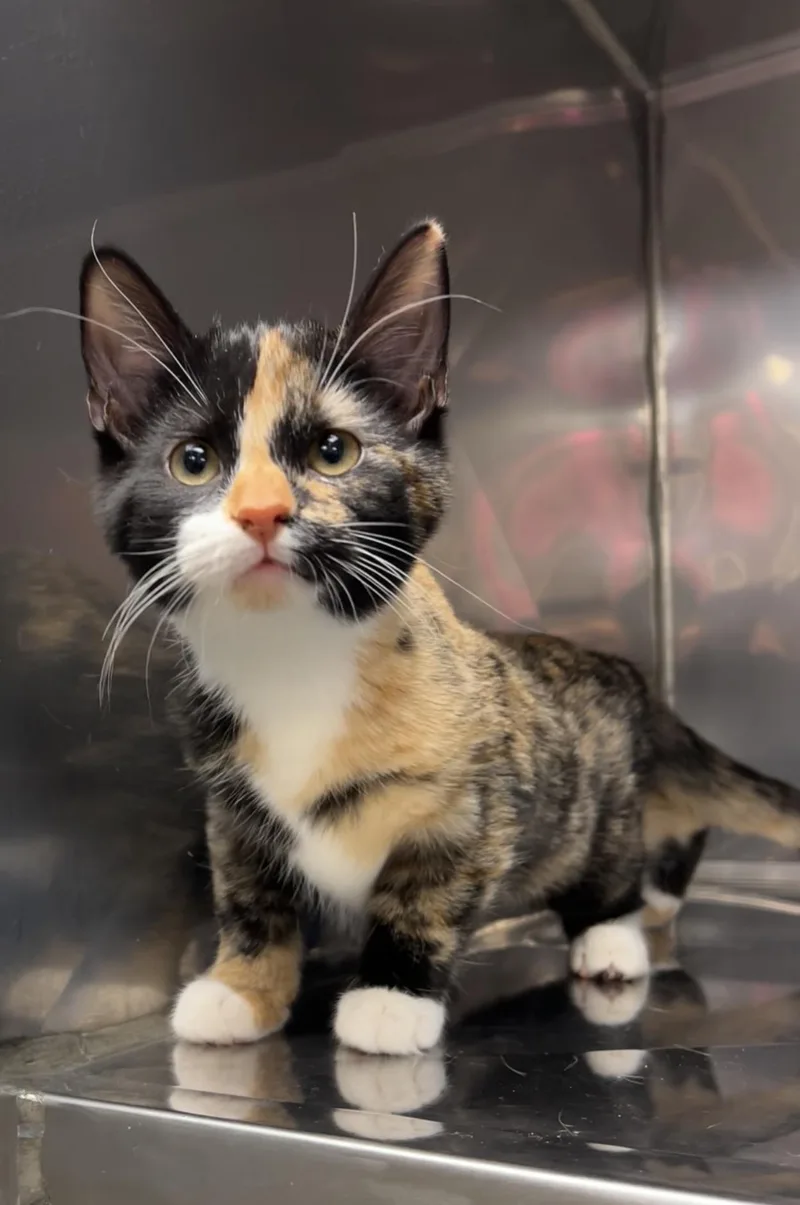
Calico Cats for Adoption in Washington, DC

Your guide to finding and caring for a Calico in DC

A calico suits DC's rowhouse and apartment life, whether that's a porch-front house in Brookland or a one-bedroom in Columbia Heights. Calico is a coat pattern rather than a breed, so these cats come in every temperament, but most are ordinary shorthairs that do fine indoors. A window perch over a Petworth block gives one plenty to watch. A scratching post and a couple of play sessions a day are easy to fit into a small space.

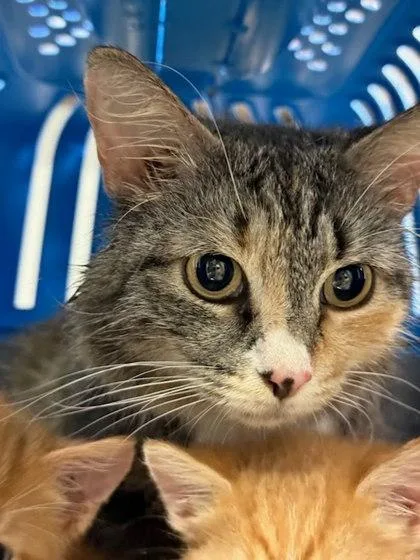
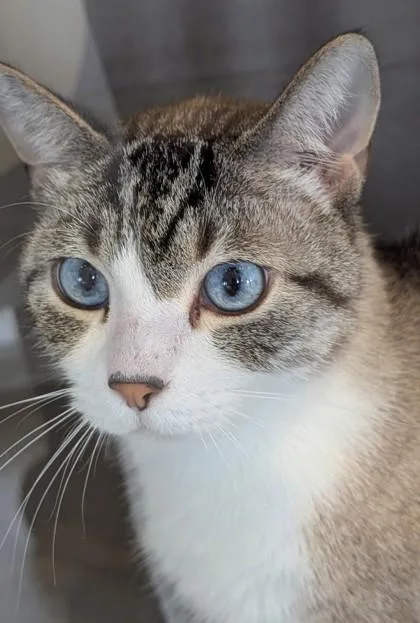
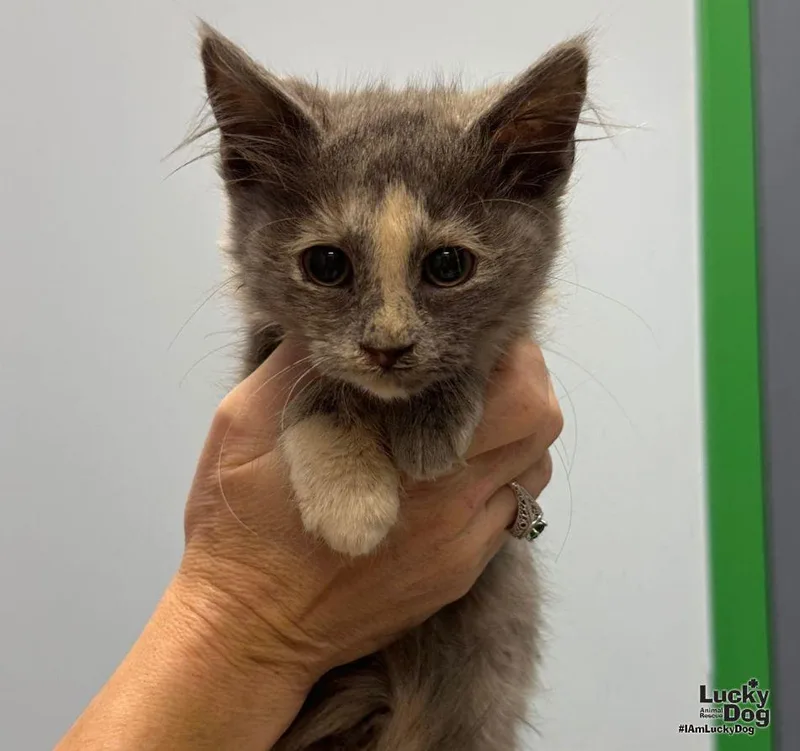
1492 Calicos available in Washington and nationwide

Bring home a Calico

Calicos Available for Adoption Near Washington

About the Calico breed

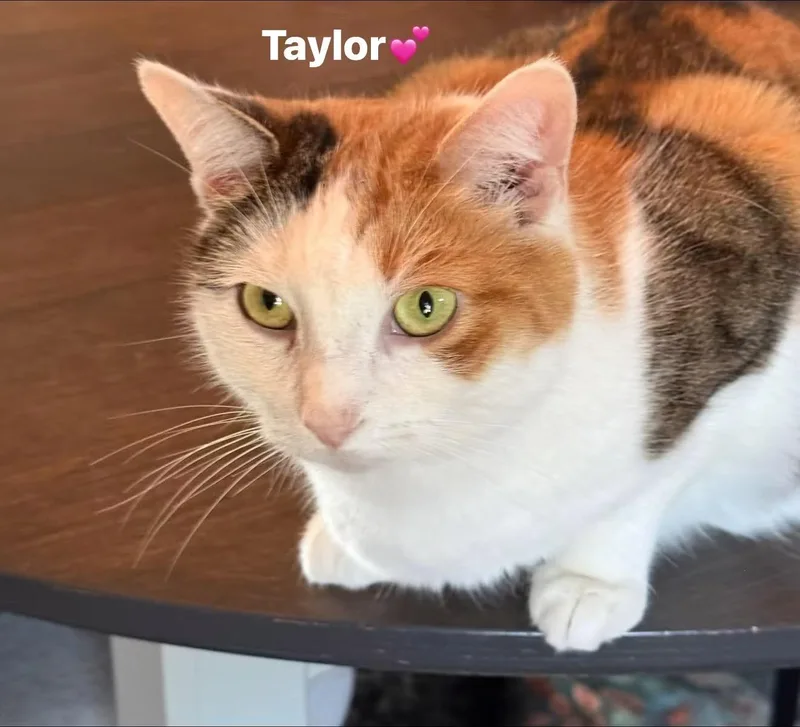
Calico describes a coat, not a breed: white with patches of black and orange, or soft gray and cream in the dilute version. The pattern appears in domestic shorthairs and longhairs and in several pedigreed breeds. Nearly every calico is female, because the orange and black color genes sit on the X chromosome.

Most adoptable calicos are domestic shorthairs, typically 6 to 12 pounds, with moderate shedding and a lifespan of 12 to 18 years. Color doesn't set personality, so a calico may be shy, bold, chatty or mellow. In a DC apartment or rowhouse, a cat's age, comfort with noise and ease with visitors matter far more than her patches.

Weight
6–12 lbs
Height
8–10 in
Lifespan
12–18 yrs
Temperament
Adaptable, Affectionate, Independent
Shedding
Moderate

Owning a Calico in Washington

Having a Calico in DC

A calico's traits come from her ancestry, age and upbringing rather than her colors. In DC, the practical questions are how she handles rowhouse or apartment living, noisy summer storms and cold stretches, and what routine care costs over a year.

Temperament

Calicos range from shy and gentle to bold and chatty, and coat color doesn't predict which. Watch how a cat reacts to new people, handling and sudden noise, since DC buildings bring neighbors, hallway sounds and sirens. A curious, confident cat often takes city life in stride, while a shy one may need a quiet room first.

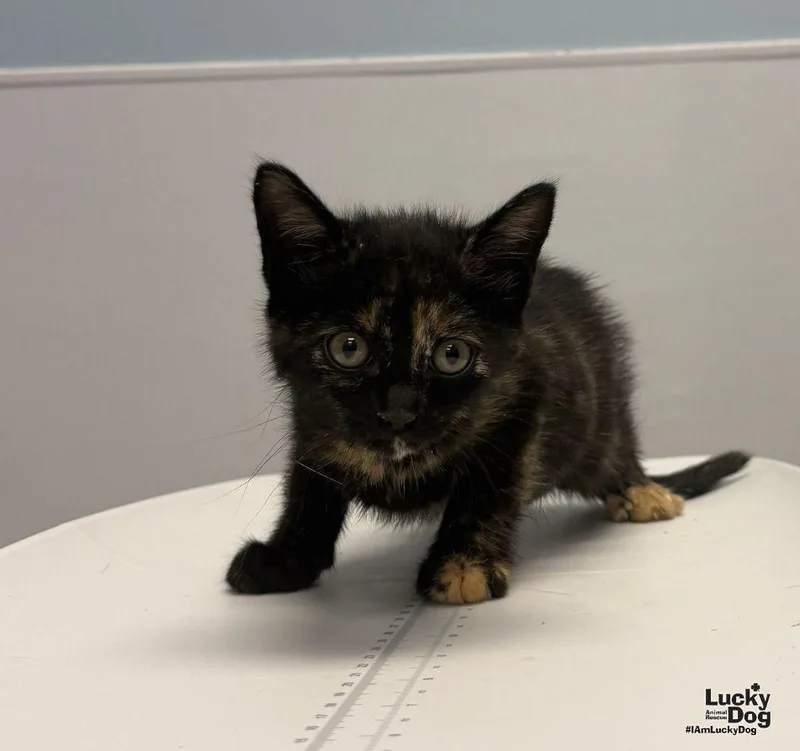
Exercise Needs

Plan on two or three short play sessions a day with wand toys, balls or food puzzles. A window perch facing a tree-lined street gives a calico something to watch between bursts of energy. Kittens and young cats need more play than seniors. Some cats enjoy harness walks, but most get plenty of exercise indoors.

Health Considerations

Female calicos share the usual domestic cat concerns: dental disease, weight gain and routine vaccines. Cats over four months need a rabies vaccine in DC, and raccoons and bats are the animals most likely to carry rabies here, so keeping a calico indoors is safest. A veterinarian can check teeth, weight and heart at the first visit.

Living Space

Calicos usually do well in the apartments and rowhouses that make up much of DC housing, as long as they have scratching posts, a perch, hiding spots and daily play. Vertical space helps in smaller units. A shy cat settles best with a quiet room at first. Secure window screens matter on upper floors.

What it costs to own a Calico in Washington

ExpenseTypical costPer year
Food$25 to $50 per month$300 to $600
Pet insurance$20 to $45 per month$240 to $540
Routine vet care$150 to $350 per year$150 to $350
Other*$450 to $1,150 per year$450 to $1,150
Estimated yearly total (after year one)$1,140 to $2,640

Other costs are estimates and vary with size, age and health.

* Litter, flea and tick prevention, a dental cleaning allowance, toys and supplies, and home brushing; DC does not license cats.

Adopt a Calico in Washington.

Now that you know more, let’s find you a new best friend. These rescues and shelters below currently have Calicos available.

Rescues in Washington with Calicos Available

Washington has a city shelter and a network of foster-based rescues placing cats of every age, color and temperament. Here are the rescues & shelters in the DC area where you can find Calicos and other cats available for adoption.

Frequently Asked Questions

Yes. DC has no breed-specific rules, and since calico is a coat pattern rather than a breed, any cat can be one. Cats don't need a license, but they must have a rabies vaccine after four months. Renters should confirm pet terms in the lease, since DC has capped pet deposits at 15% of monthly rent for new leases, subject to the law taking full effect.

Yes, most calicos adapt well to apartments. Many DC homes are apartments or rowhouses, and a cat needs only scratching posts, a window perch, hiding spots and daily play. Choose a cat whose noise tolerance suits a busy building, and set up the litter box where odor and sound won't reach neighbors.

Yes, if she's fully enclosed in a carrier. Metrorail and Metrobus allow small animals free of charge only in a securely closed carrier small enough to carry, and the carrier can't occupy a seat. Service animals are the exception. The DC Streetcar also requires a crate. Get a calico comfortable in her carrier well before the trip.

Yes, for an indoor cat. DC has four seasons, with summer highs in the upper 80s and winter lows near freezing, which are manageable with a cool room and warm perches. The main risks are storm-related power outages and loud fireworks around July 4. Keep a calico indoors and have a hiding spot ready.

Often, yes, for people who can offer daily play and a mostly indoor home. Calicos adapt well to rowhouses and apartments, though a cat's personality matters more than her coat. A shy cat suits a quiet household, while a bold, chatty one may enjoy a busy block. Browse the listings on this page to compare cats of different ages.

Most calicos are shorthaired and need brushing about once a week, while longhaired mixes benefit from a few sessions weekly. Shedding rises as the seasons change in spring and fall. Grooming is mostly done at home, so brushing supplies fall under the Other costs of $450 to $1,150 a year, along with litter and prevention.

Almost all calico cats are female, but not every single one. The genes for orange and black coat color sit on the X chromosome, so a cat normally needs two X chromosomes to show both colors at once. Roughly 1 in 3,000 calicos is male, usually because of an extra X chromosome, a genetic quirk rather than a separate type.

A calico cat is any cat with a three-color coat of white plus distinct patches of black and orange, or gray and cream in dilute calicos. Calico is a coat pattern rather than a breed, so it appears in domestic shorthairs, longhairs and many pedigreed breeds. Nearly all calicos are female because of how coat color genes are inherited.

We have 1 rescue with Calicos available: Lucky Dog Animal Rescue. You can see every rescue with Calicos available in the list above these questions, or scroll to the top to see the Calicos near Washington.

Expect a calico to cost roughly $1,140 to $2,640 a year in Washington. That includes food at $25 to $50 a month, pet insurance at $20 to $45 a month, routine vet care at $150 to $350 a year, and other costs such as litter, prevention and dental care at $450 to $1,150 a year.

Explore Other Breeds in Washington

Looking for a different breed? Browse other cats available for adoption in Washington.