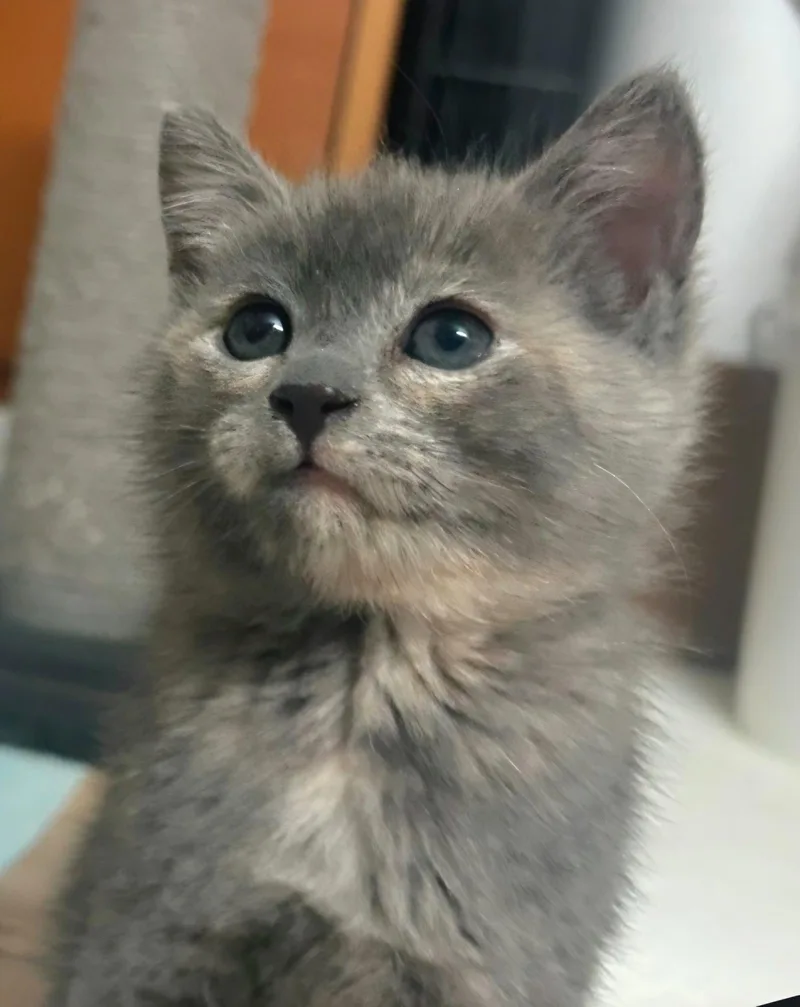
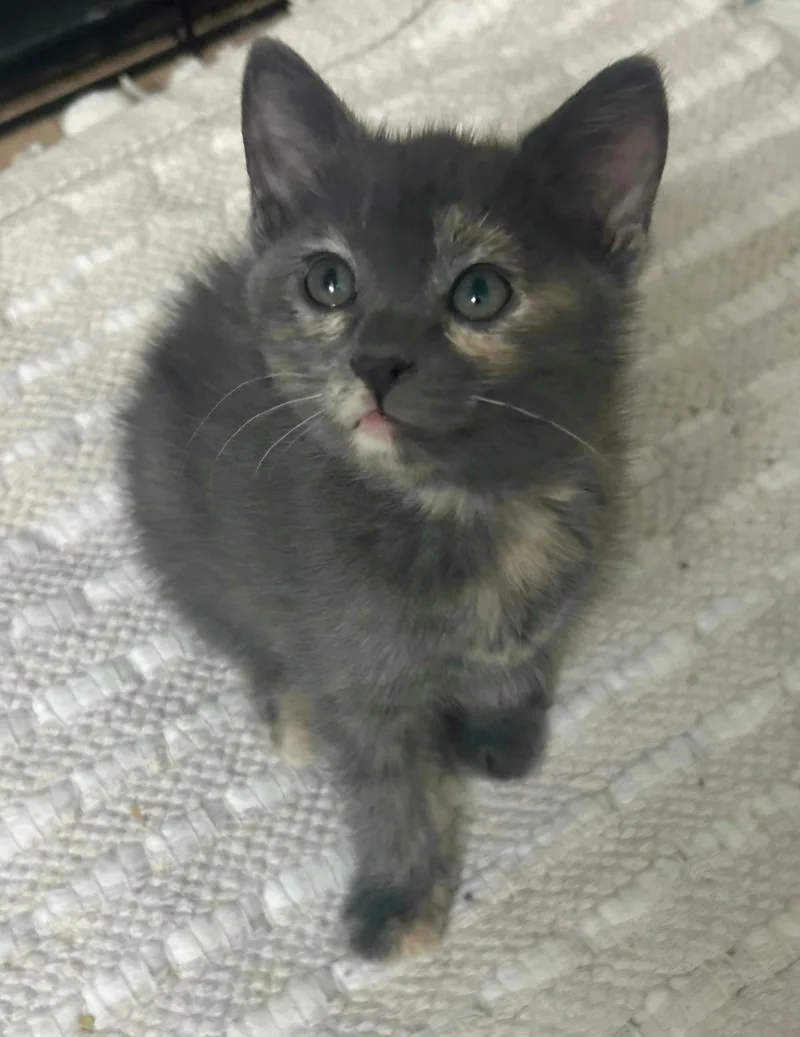
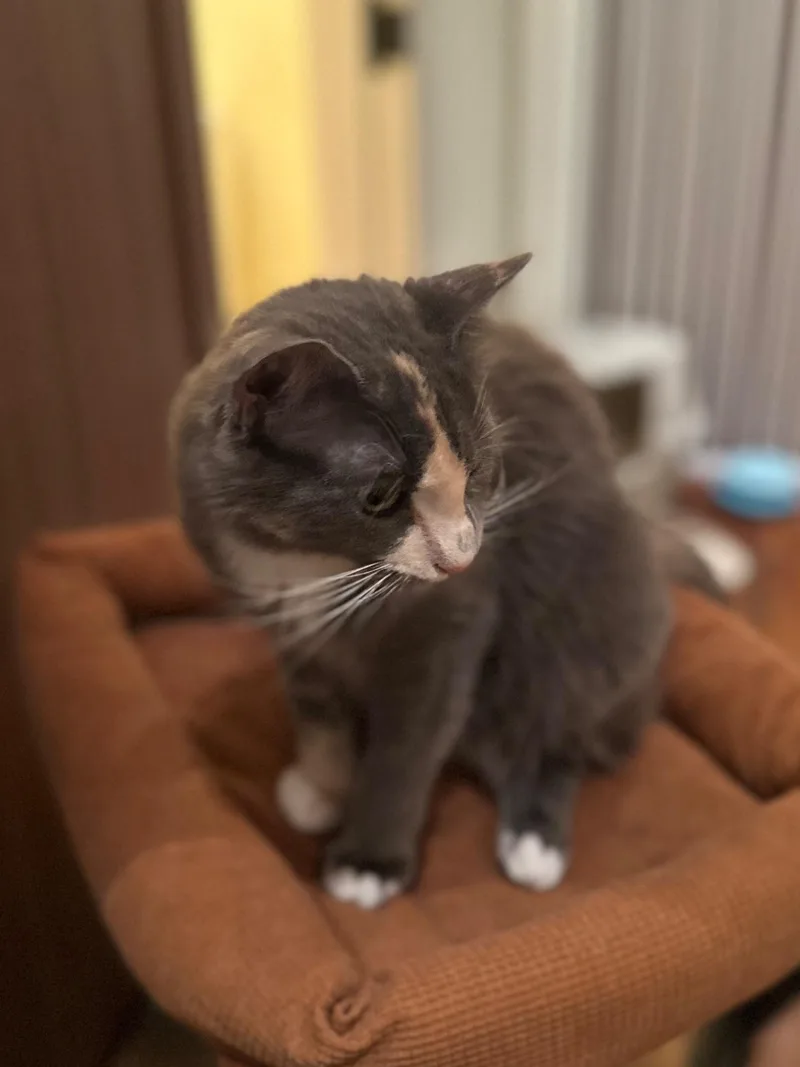
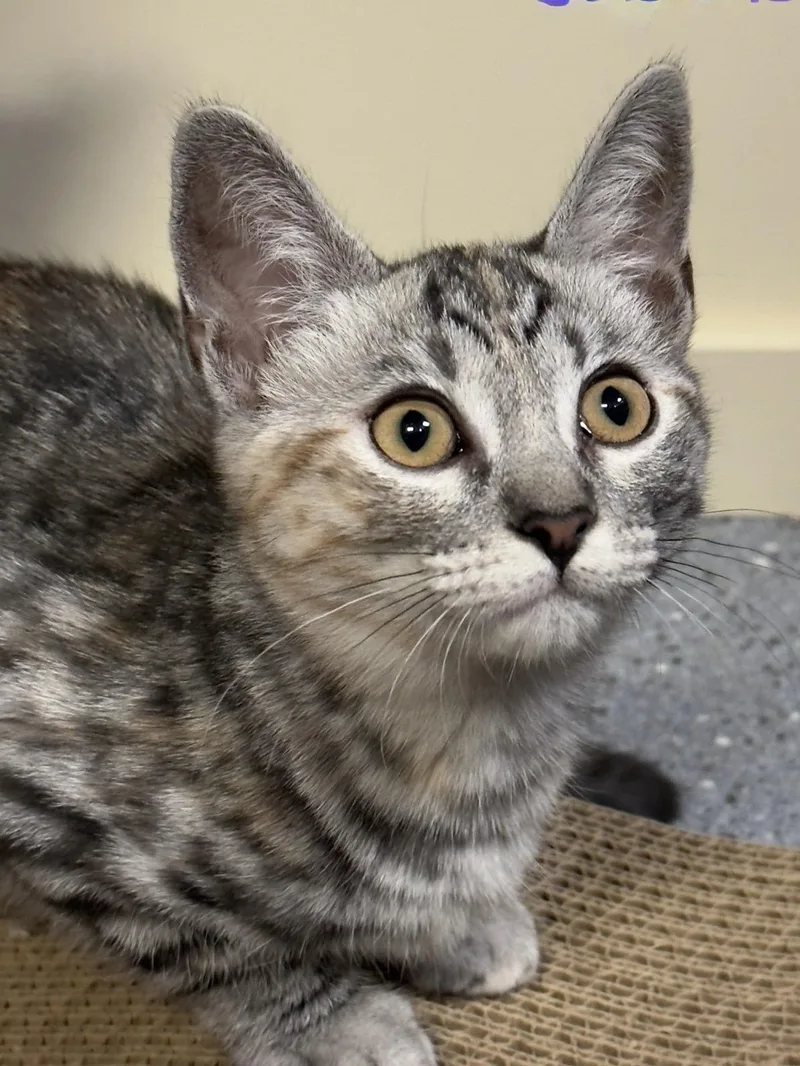
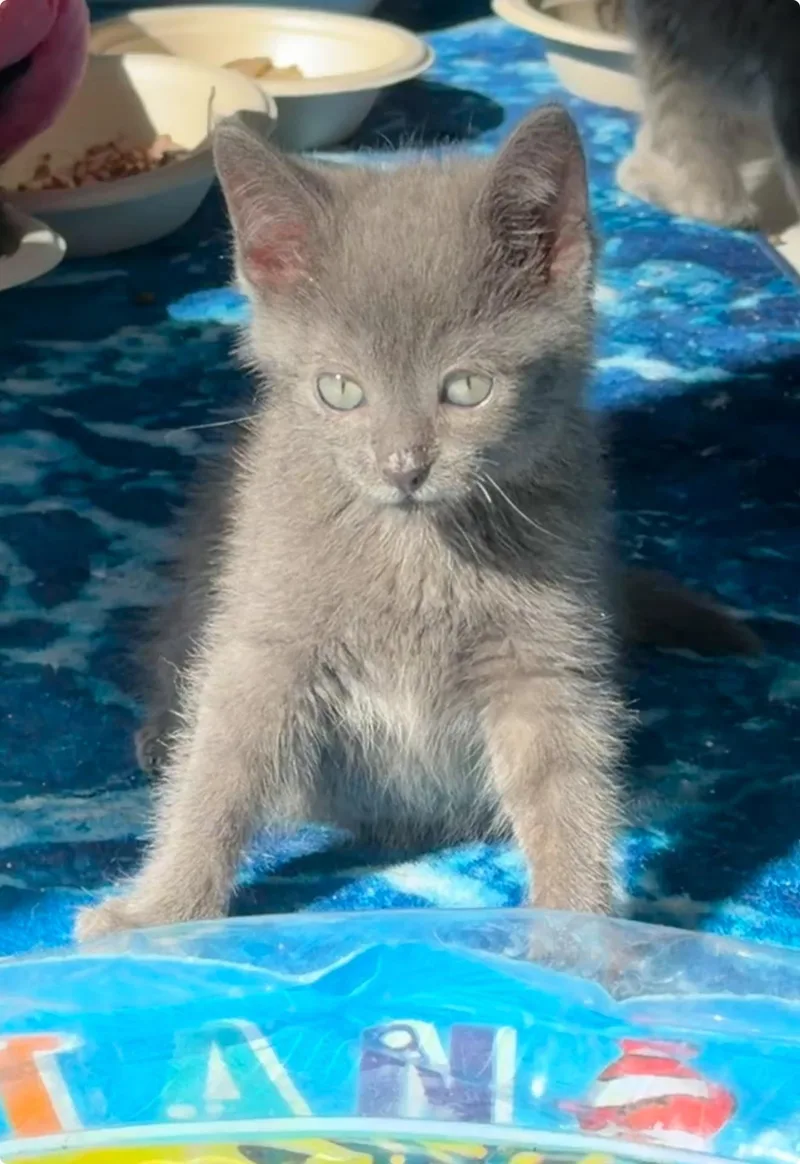
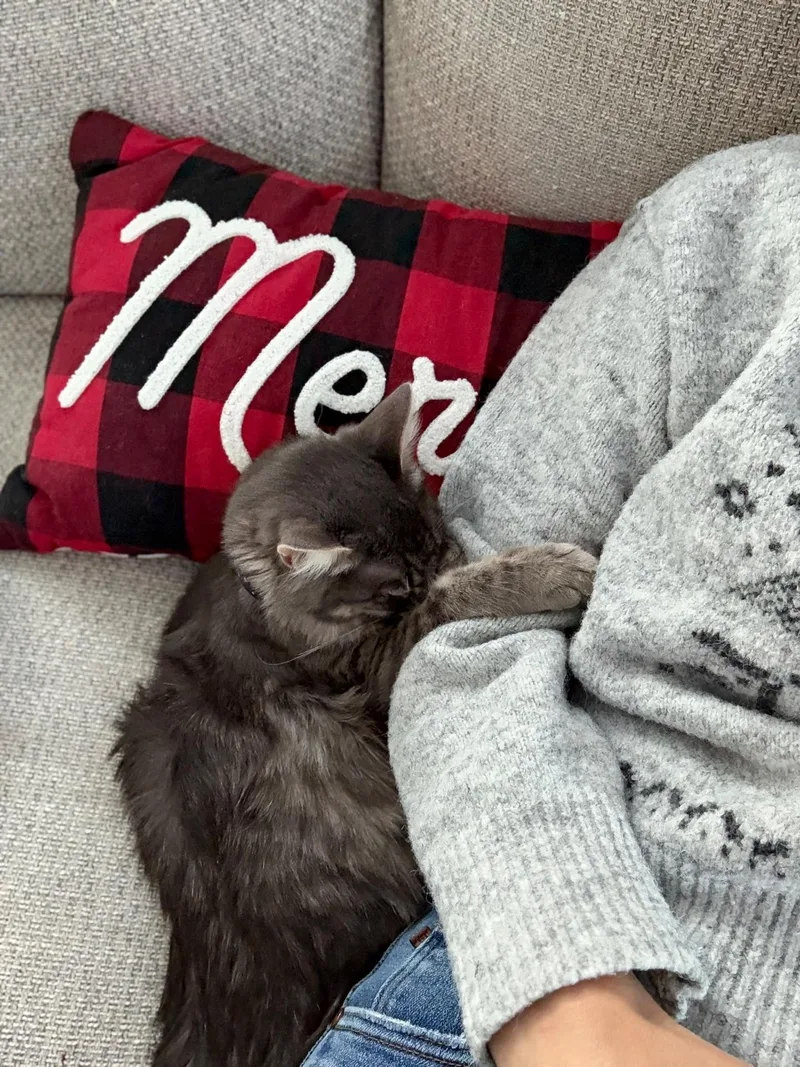
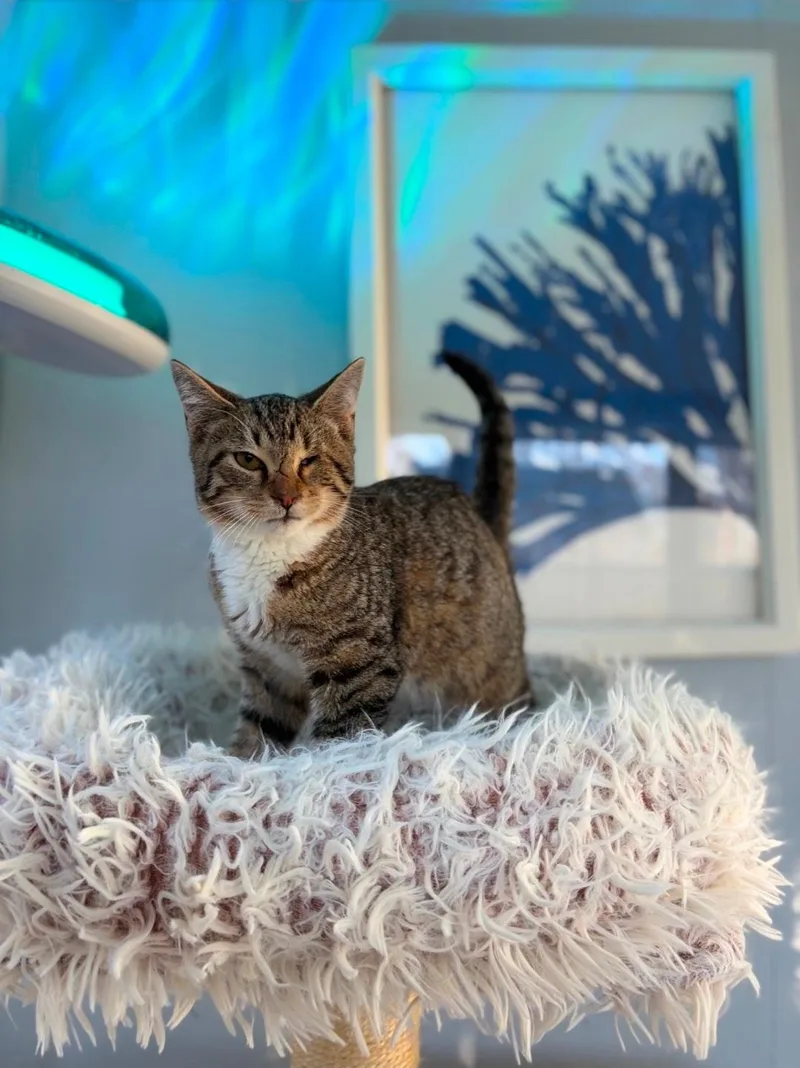
Dilute tortoiseshell describes a coat, not a breed. Blue-gray and cream patches, or a fine marbled blend, appear when a cat inherits a recessive dilution gene from both parents. The patchwork also depends on two X chromosomes, which is why nearly all dilute torties are female. Most are domestic shorthairs or longhairs, though the coloring also turns up in breeds such as Persians and Maine Coons.
Folklore credits torties with extra attitude, but there's little solid evidence, and the coat predicts very little. Dilute torties can be shy, outgoing, cuddly or aloof. Think about daily life instead: a cat who's relaxed around footsteps in a shared building will settle differently from one who wants a quiet room. Spend time with the cat and watch how she handles touch, noise and new spaces. Long-haired cats also need regular brushing.