Russian Blue Cats for Adoption in Denver, CO

Your guide to finding and caring for a Russian Blue in Denver

A Russian Blue fits well into a Cheesman Park high-rise, where a calm home and a good window matter most. These quiet, watchful cats like routine and tend to be shy with visitors, so a building with steady rhythms suits them better than a loud one. In Denver, a tall cat tree by a sunny window gives them a lookout over the park and a warm patch on cold afternoons. They're playful, too, so plan on a daily game of chase with a wand toy.

717 Russian Blues available in Denver and nationwide

Find your Russian Blue

While we don't have enough cats near Denver, keep in mind that many rescues may offer transport.

Russian Blues Available for Adoption Near Denver

About the Russian Blue breed

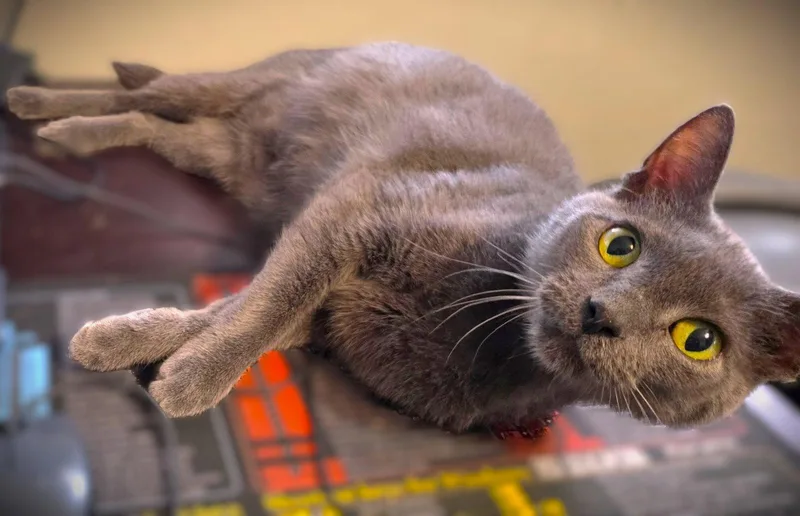
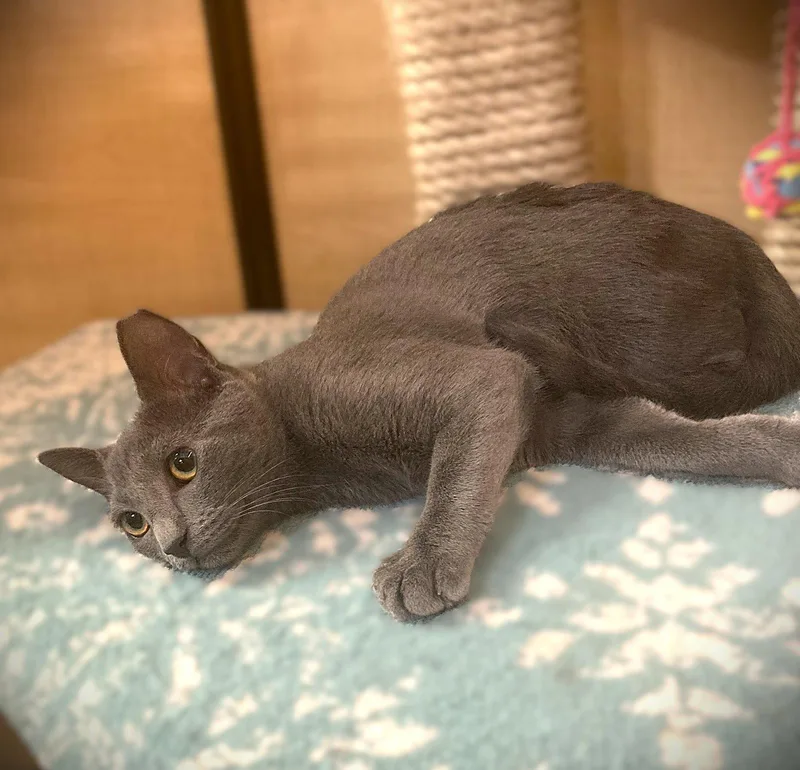
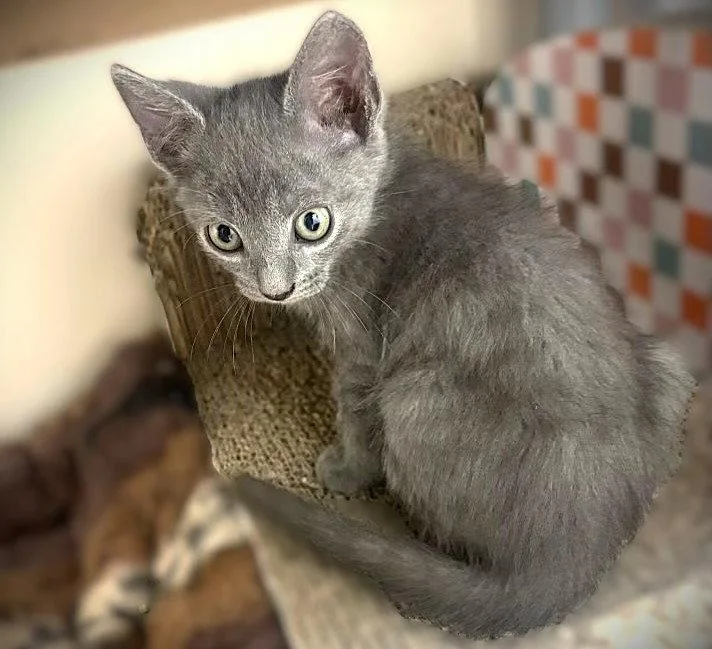
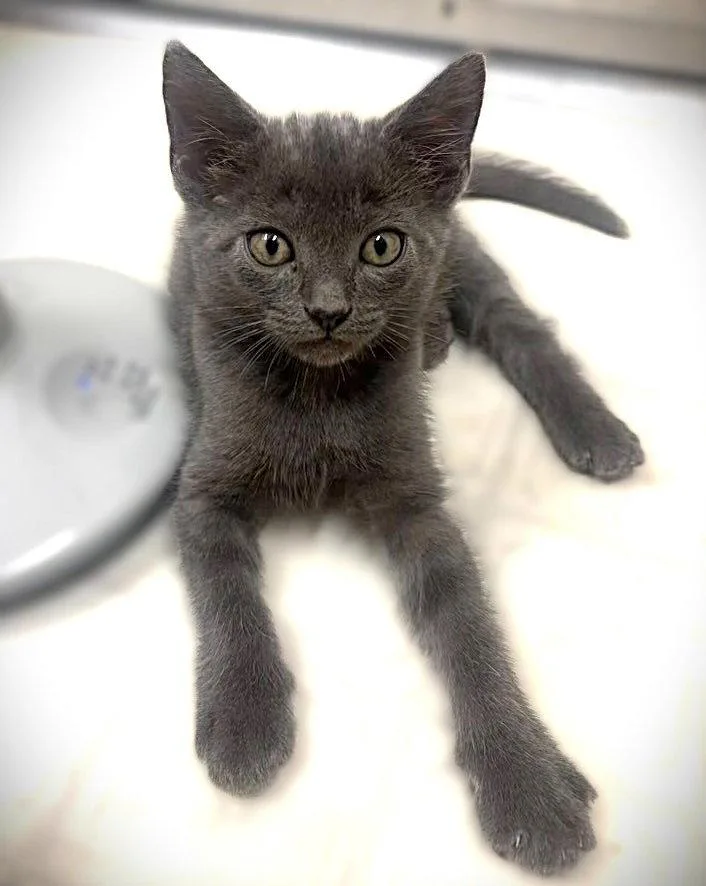
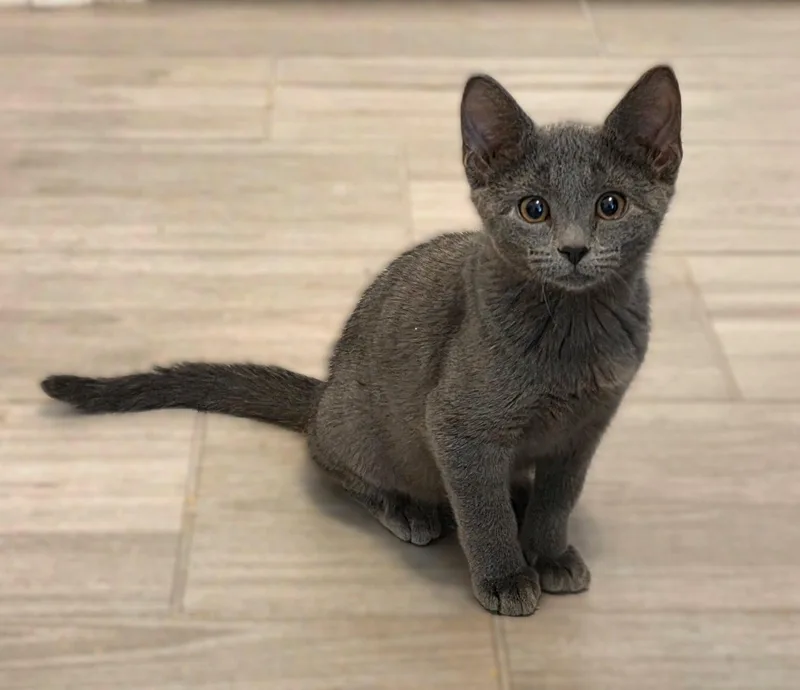
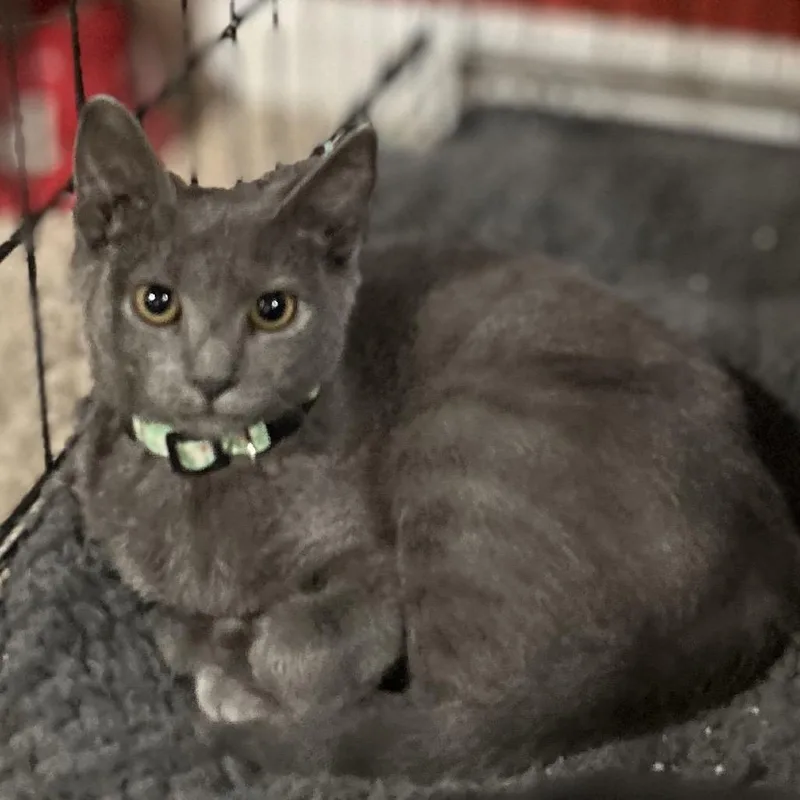
Russian Blues are slender, fine-boned shorthairs with a dense, plush double coat of even blue-grey, tipped with silver, and vivid green eyes. The breed is believed to come from the Archangel region of northern Russia, reached Britain by ship in the 1800s, and was later refined in Britain, Scandinavia and the United States. Most weigh roughly 6 to 12 pounds.

Many are gentle, quiet and devoted to their own people while staying reserved with strangers. They like routine, notice shifts in mood and enjoy games that challenge their quick minds. That calm nature is a plus in a city where so many people live in apartments and condos, though cats vary. The short coat is easy to keep, but a healthy appetite means portion control matters.

Weight
6–12 lbs
Height
8–10 in
Lifespan
12–16 yrs
Temperament
Gentle, Quiet, Intelligent
Shedding
Low to Moderate

Owning a Russian Blue in Denver

Having a Russian Blue in Denver

A Russian Blue's easy-care coat and quiet manner suit city living, but sensitivity to noise and change deserves thought. Exercise, weight control and a calm place to retreat shape how well a cat settles into a Denver home.

Temperament

Russian Blues are often gentle and loyal with family but cautious with newcomers, watching from a distance before approaching. In a Denver apartment, hallway noise, neighbors and visitors can unsettle a sensitive cat, so a quiet retreat helps. Each cat is different, and trust builds at its own pace.

Exercise Needs

Most Russian Blues are agile and playful, enjoying wand toys, chase games and puzzle feeders. Daily indoor sessions keep them lean, which matters for a breed that loves food. Tall cat trees and window shelves give them lookouts over the street, and rotating toys keeps a clever cat from getting bored.

Health Considerations

Russian Blues have no widely recognized breed-specific inherited disease, but like other cats they can develop dental disease, bladder stones, kidney disease and heart conditions. Obesity is a common, preventable concern. Denver's dry air makes fresh water, perhaps from a fountain, a good habit, and a veterinarian can check weight, teeth and heart.

Living Space

Russian Blues often do well in apartments and condos, valuing calm routines and cozy retreats over square footage. Hiding places, window perches and a cat tree help them feel secure. Keeping them indoors also protects them from Denver's coyotes, traffic and spring storms.

What it costs to own a Russian Blue in Denver

ExpenseTypical costPer year
Food$25 to $50 per month$300 to $600
Pet insurance$25 to $50 per month$300 to $600
Routine vet care$150 to $350 per year$150 to $350
Other*$465 to $1,165 per year$465 to $1,165
Estimated yearly total (after year one)$1,215 to $2,715

Other costs are estimates and vary with size, age and health.

* The Denver cat license, litter, flea prevention, a dental cleaning allowance, toys, scratchers and other supplies, and minimal home grooming for the short coat.

Adopt a Russian Blue in Denver.

Now that you know more, let’s find you a new best friend. These rescues and shelters below currently have Russian Blues available.

Rescues in Denver with Russian Blues Available

Denver's municipal shelter and nonprofit rescues take in cats of all ages, and the groups below list them here. Here are the rescues & shelters in the Denver area where you can find Russian Blues and other cats available for adoption.

Frequently Asked Questions

Yes. Denver's breed-specific rules cover only three pit bull–type dog breeds, so a Russian Blue faces no breed restriction. The main limit is household size: up to five dogs and cats combined, with no more than three dogs. Cats also need a license, a rabies vaccine and spay or neuter surgery after six months.

Yes, a Russian Blue usually does well in a Denver apartment. These cats value calm routines over space, so a quiet corner, a window perch and daily play matter more than square footage. Busy hallways and thin walls can stress a sensitive cat, so offer a hiding spot, and confirm your lease's pet terms before you apply.

Mostly yes, for an indoor cat. The dense double coat copes well with Denver's cold, dry winters, and cool summer nights help. The main concerns are afternoon heat in top-floor units, dry indoor air, and spring hail and thunder that can frighten a sensitive cat. Keep a fan, fresh water and a hiding spot ready.

Yes, in a carrier. RTD allows small pets in carriers on its buses and trains, and at roughly 6 to 12 pounds, most Russian Blues fit a standard carrier. On commuter rail, keep the carrier on the floor or your lap, not on a seat. A cat used to its carrier handles the noise better.

It can be, especially for people who want a calm indoor companion and keep a steady routine. Russian Blues bond closely and tend to be shy with visitors, so they suit quieter households better than constant gatherings. Apartment living and winter evenings at home fit them well, as long as you plan daily play and measured meals.

A weekly brushing is usually enough, with a bit more during the seasonal sheds in spring and fall. Denver's dry winter air can add static, so a rubber brush or a lightly damp cloth helps. Don't shave the coat, since the double layer helps in both cold and heat. Grooming costs stay small, within the Other line.

Russian Blue cats are often gentle, quiet and deeply attached to their families, while staying reserved with strangers. Many like predictable routines, follow favorite people around and enjoy interactive games that test their intelligence. They tend to be sensitive to household mood and noise. Personality varies, so a foster's description of an individual cat is the best guide.

A Russian Blue is a medium-sized shorthaired cat with a dense, plush blue-grey coat tipped in silver, vivid green eyes and a slender, graceful build. The breed is thought to come from northern Russia. Many Russian Blues are quiet, intelligent and loyal to their people, though often shy around visitors until they feel comfortable.

We have 1 rescue with Russian Blues available: Rocky Mountain Feline Rescue. You can see every rescue with Russian Blues available in the list above these questions, or scroll to the top to see the Russian Blues near Denver.

Plan on roughly $1,215 to $2,715 a year, or about $100 to $225 a month, for a Russian Blue in Denver. That covers food at $25 to $50 a month, insurance at $25 to $50 a month, routine vet care at $150 to $350 a year, and other costs at $465 to $1,165 a year.

Find Russian Blues in Nearby Cities

Expand your search to find Russian Blues available for adoption near Denver.

Explore Other Breeds in Denver

Looking for a different breed? Browse other cats available for adoption in Denver.