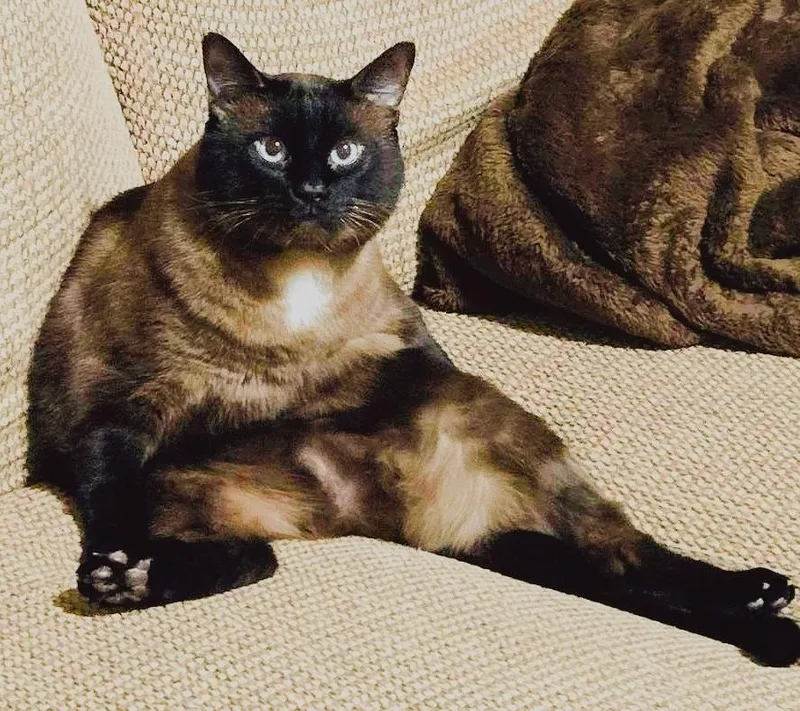
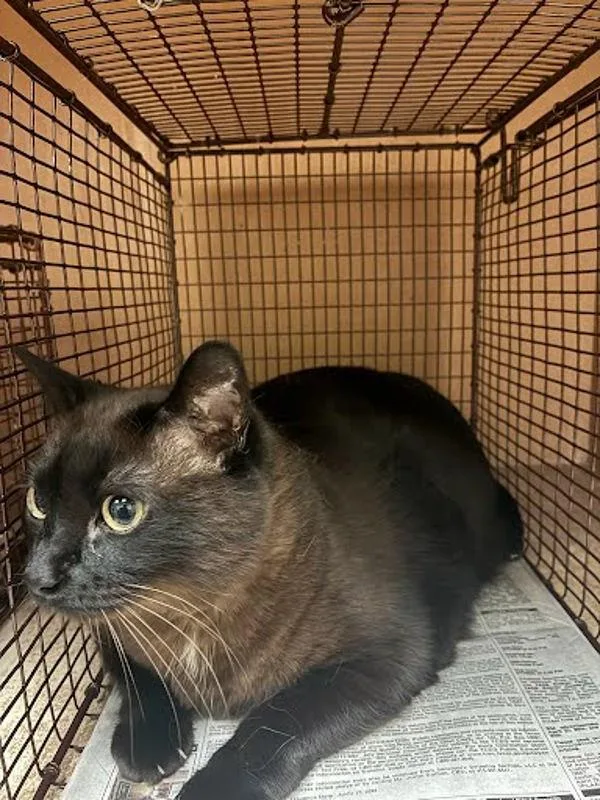
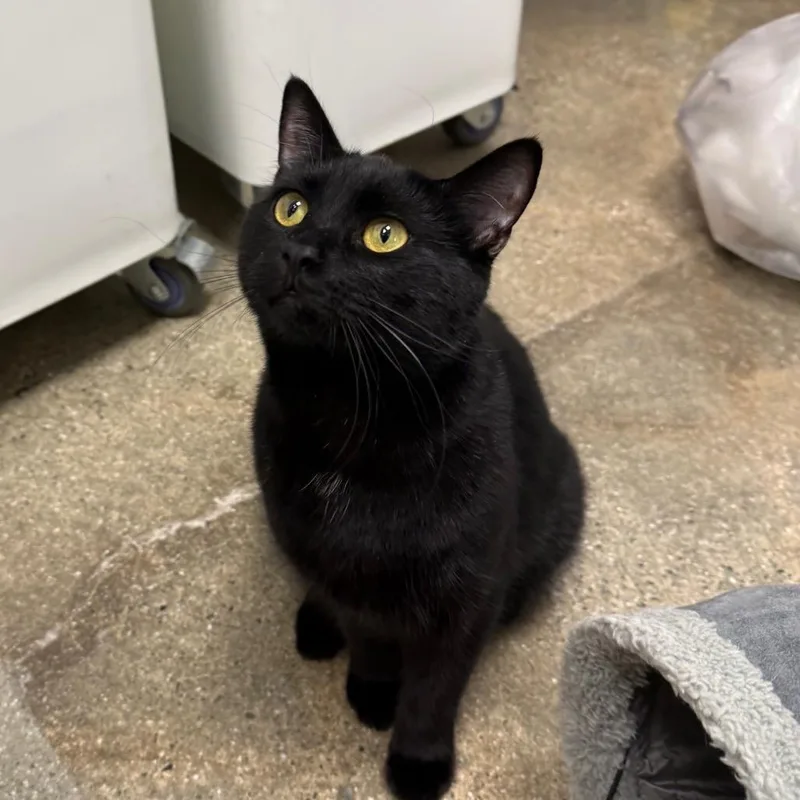
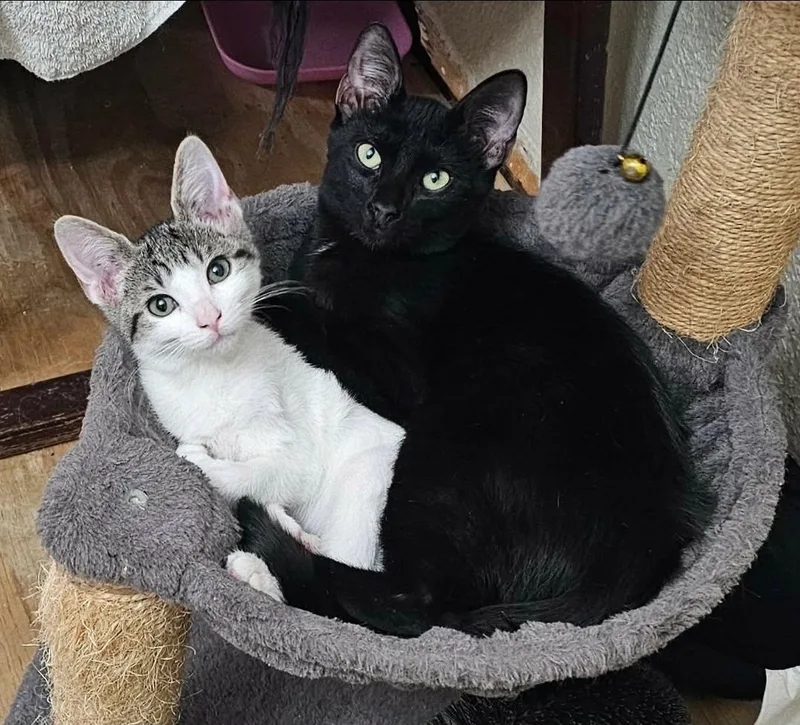
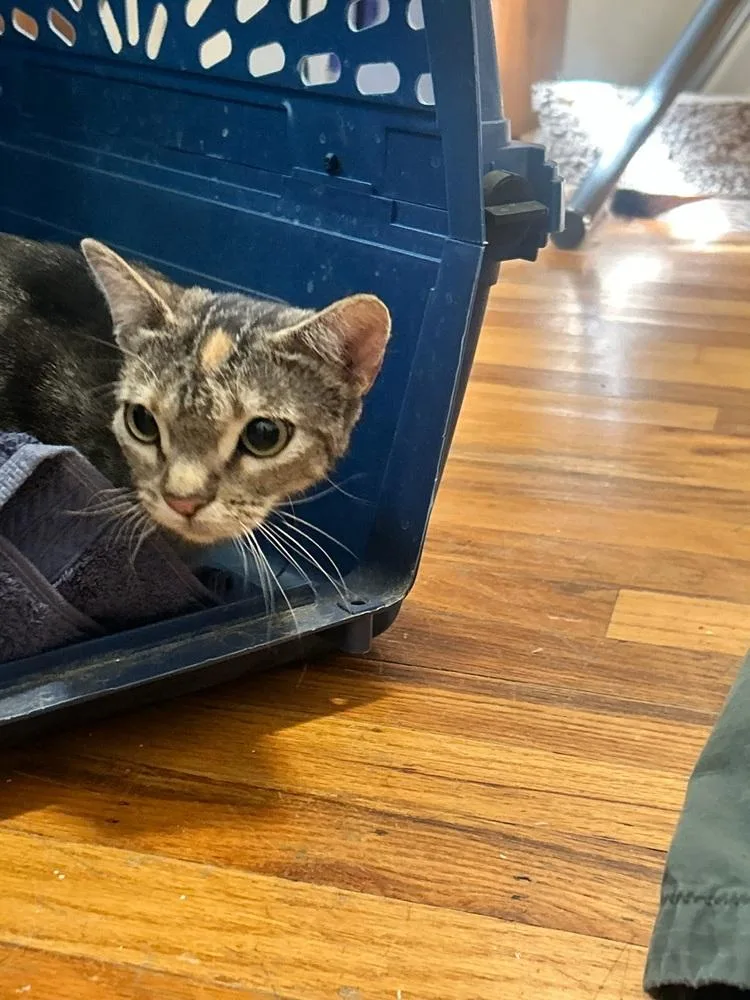
Burmilla Cats for Adoption in Denver, CO

Your guide to finding and caring for a Burmilla in Denver

Burmillas fit Denver apartment life well, whether it's a condo near Union Station or a mid-rise by Cheesman Park. They play hard in short bursts, then nap on a sunny windowsill, so a one-bedroom doesn't cramp them. Most handle a workday alone fine if a climbing perch and a wand toy are waiting when you get home. Their silky coat needs only a weekly comb, and they're easy to share a small space with.

612 cats similar to Burmilla available in Denver and nationwide

Meet your next Burmilla

While we don't have enough cats near Denver, keep in mind that many rescues may offer transport.

Burmillas and Similar Breeds Available for Adoption Near Denver

About the Burmilla breed

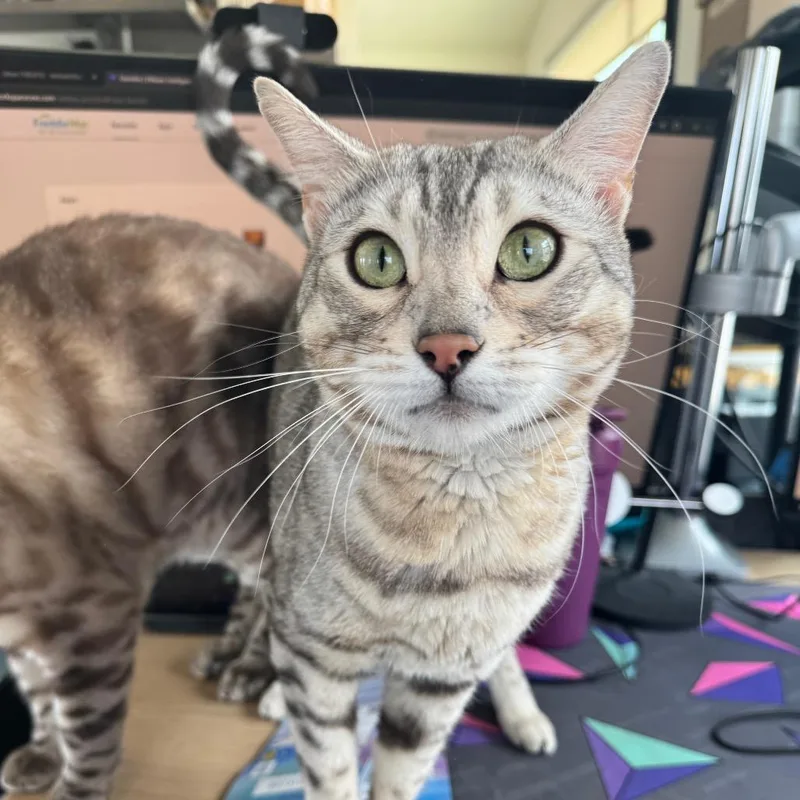
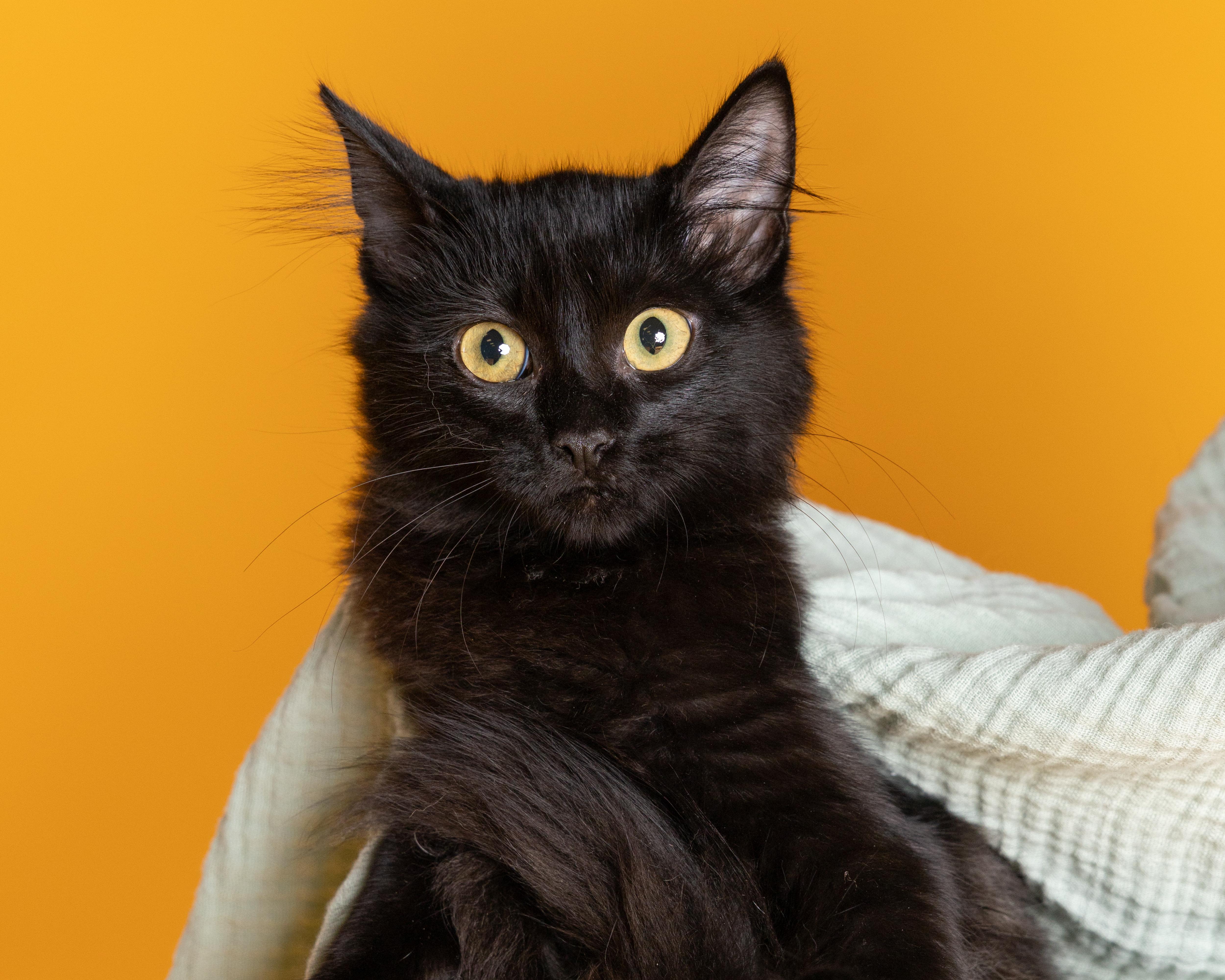
The Burmilla began with an accidental mating in Britain in 1981, when a Chinchilla Persian male met a lilac Burmese female and the litter came out shaded silver. The name blends Burmese and Chinchilla. These are medium, muscular cats, usually 6 to 13 pounds, with green eyes that look outlined in dark liner and a shimmering coat that is pale at the roots and tipped with color. Shorthaired and semi-longhaired coats are both silky.

Many Burmillas combine the Burmese's playful, sociable side with the Persian's calm, staying kittenish into adulthood without being demanding. They tend to be fairly quiet, though some are slightly talkative, and they're often comfortable with other pets. Each cat differs, of course. The breed is uncommon in North America, so watch the listings on this page and look at similar breeds and nearby cities too.

Weight
6–13 lbs
Height
9–12 in
Lifespan
10–15 yrs
Temperament
Affectionate, Playful, Easygoing
Shedding
Low to Moderate

Owning a Burmilla in Denver

Having a Burmilla in Denver

In Denver, a Burmilla's moderate energy, easy coat and inherited health risks are the main things to weigh. The breed does well in apartments and houses alike, as long as it gets daily play, climbing space and regular veterinary care.

Temperament

Burmillas are often sweet, curious and sociable, happy to greet guests and settle near their people. Many get along with respectful kids, other cats and cat-friendly dogs after slow introductions, and some are slightly talkative. A cat's own history and comfort with handling say more than breed does, so spend time with the cat before deciding.

Exercise Needs

Plan on a few short, energetic play sessions a day with wand toys, chase games and a tall cat tree, plus food puzzles for a curious mind. Denver's cold winters and spring snowstorms keep cats inside anyway, so window perches and rotating toys help. Daily play also guards against weight gain.

Health Considerations

Burmillas can inherit polycystic kidney disease from Persian ancestors, as well as the Burmese head defect, and DNA tests exist for both. The breed's small gene pool makes health records valuable when a cat has them. Not every cat will develop problems. Ask a veterinarian about testing, and keep up exams, dental care and weight checks as the cat ages.

Living Space

A Burmilla suits Denver's apartments, condos and bungalows alike, provided there are climbing spots, window perches and a quiet place to rest. Many cope well with a workday alone. Outdoor time is safest in a secure enclosure or on a harness, since coyotes live along the city's greenways, and balconies and windows should be screened.

What it costs to own a Burmilla in Denver

ExpenseTypical costPer year
Food$25 to $50 per month$300 to $600
Pet insurance$25 to $50 per month$300 to $600
Routine vet care$150 to $350 per year$150 to $350
Other*$465 to $1,165 per year$465 to $1,165
Estimated yearly total (after year one)$1,215 to $2,715

Other costs are estimates and vary with size, age and health.

* Litter, the $15 Denver cat license, flea prevention, a dental cleaning allowance, toys, scratchers and cat trees, and weekly combing supplies.

Adopt a Burmilla in Denver.

Now that you know more, let’s find you a new best friend. These rescues and shelters below have cats available in and near Denver.

Rescues and Shelters in or near Denver

Denver's shelters and nonprofit rescues list cats of all ages and types, though a Burmilla is an uncommon find. Here are the rescues & shelters in the Denver area with cats available for adoption, worth asking whether a Burmilla is coming in.

Frequently Asked Questions

Yes, you can get a Burmilla in Denver, and the city's breed-specific rules apply only to three pit bull–type dog breeds. Cats 6 months and older must be licensed, vaccinated against rabies and spayed or neutered, and households are limited to five animals. Burmillas are uncommon, so watch the listings on this page.

Yes, but only in a carrier. RTD allows small pets in carriers on its buses and trains, and other animals are limited to service animals. A Burmilla usually weighs 6 to 13 pounds, so a roomy, ventilated carrier works. On commuter rail, keep it on your lap or the floor, not a seat. Check current RTD fares and rules.

Yes, a Burmilla usually adapts well to a Denver apartment. The breed is medium-sized, tends to be fairly quiet and copes with a workday alone when it has window perches, a tall cat tree and daily wand play. Screen windows and balconies, since curious cats can slip out, and confirm pet terms in writing.

Yes, an indoor Burmilla handles Denver winters fine. Nights drop to freezing on about 156 days a year, but most winter afternoons warm into the mid-40s. Offer a warm bed away from drafts and a sunny perch, and keep antifreeze and ice melt out of reach. Burmillas shouldn't be left outdoors in the cold.

Not often. Shorthaired and semi-longhaired Burmillas both do well with a weekly comb at home, which also cuts down on loose hair around the apartment. Skip clipping or shaving, since the silky coat doesn't need it even through Denver's cold winters. Professional grooming is optional, so costs stay within the Other line of the cost table.

A Burmilla fits Denver life well if you can offer daily play and some company. They're affectionate without being needy, so a standard workday is usually fine. Plan for loud nights, though: late-spring thunderstorms and fireworks around July Fourth can rattle a cat, so set aside a quiet room with a hideaway.

No, Burmilla cats are not hypoallergenic. They shed like other cats, and the main cat allergen, a protein found in saliva and skin secretions, spreads onto the coat during grooming. There is no evidence that Burmillas produce less of it. People with allergies should spend extended time with the specific cat before adopting and discuss options with their doctor.

Burmilla cats typically live about 10 to 15 years, and many healthy indoor cats reach their mid-teens or beyond. Lifespan depends on genetics, weight, dental care and access to veterinary care. Inherited kidney disease from Persian ancestry can shorten life, so scheduling regular blood and urine tests as the cat ages is worthwhile.

A Burmilla is a medium-sized cat breed created in Britain from a cross between a Chinchilla Persian and a Burmese. It is known for a sparkling silver or golden coat tipped or shaded with color, green eyes rimmed in dark outlines, and a playful, gentle personality. Burmillas come in shorthaired and semi-longhaired varieties.

Expect roughly $1,200 to $2,700 a year for a Burmilla in Denver. That covers food at $25 to $50 a month, insurance at $25 to $50 a month, routine vet care at $150 to $350 a year, and other costs at $465 to $1,165 a year. Emergency care would be extra.