Bombay Cats for Adoption in Denver, CO

Your guide to finding and caring for a Bombay in Denver

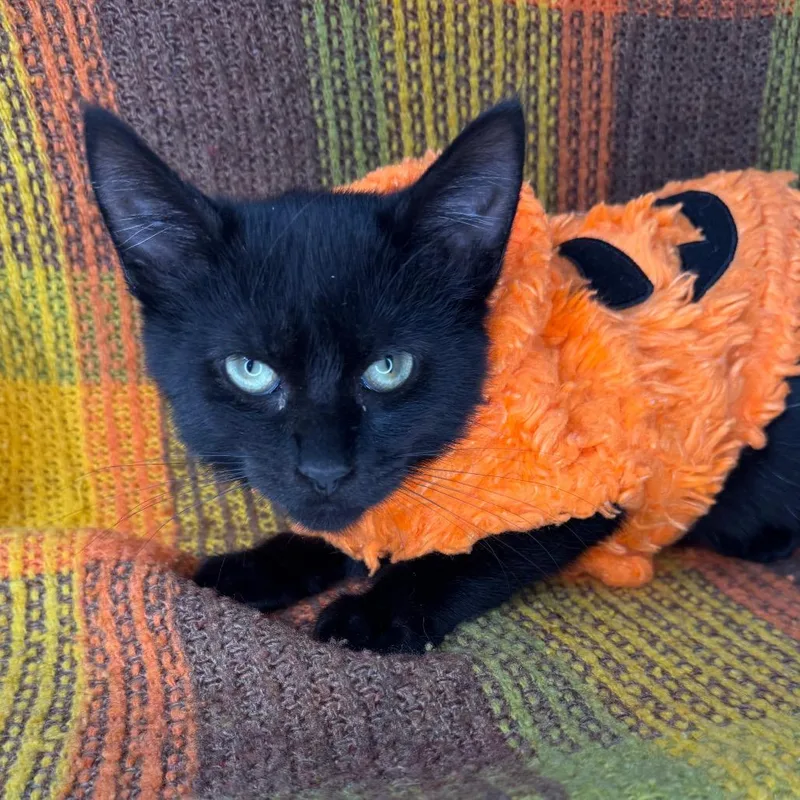
Bombays suit Denver's apartment buildings well, since they'd rather be near you than outdoors. In Capitol Hill or around Union Station, where condos and apartments are common, a sleek black cat with copper eyes can claim a window perch and watch the street. They're social and playful, so they do best with someone home part of the day and a few minutes of wand-toy chase each evening. Expect a shadow that follows you from room to room.

597 Bombays available in Denver and nationwide

Open your home to a Bombay

While we don't have enough cats near Denver, keep in mind that many rescues may offer transport.

Bombays Available for Adoption Near Denver

About the Bombay breed

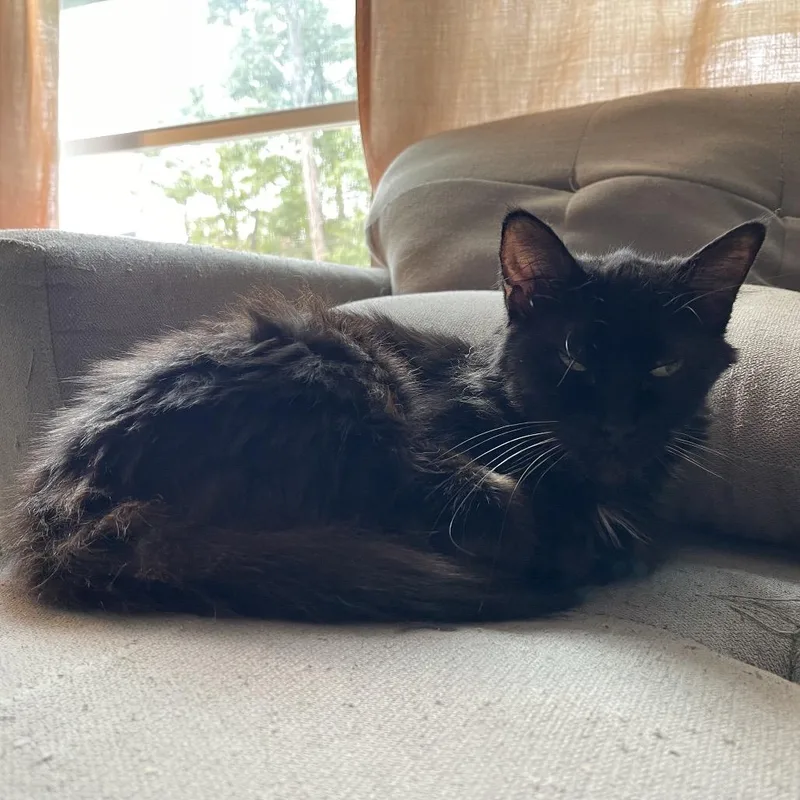
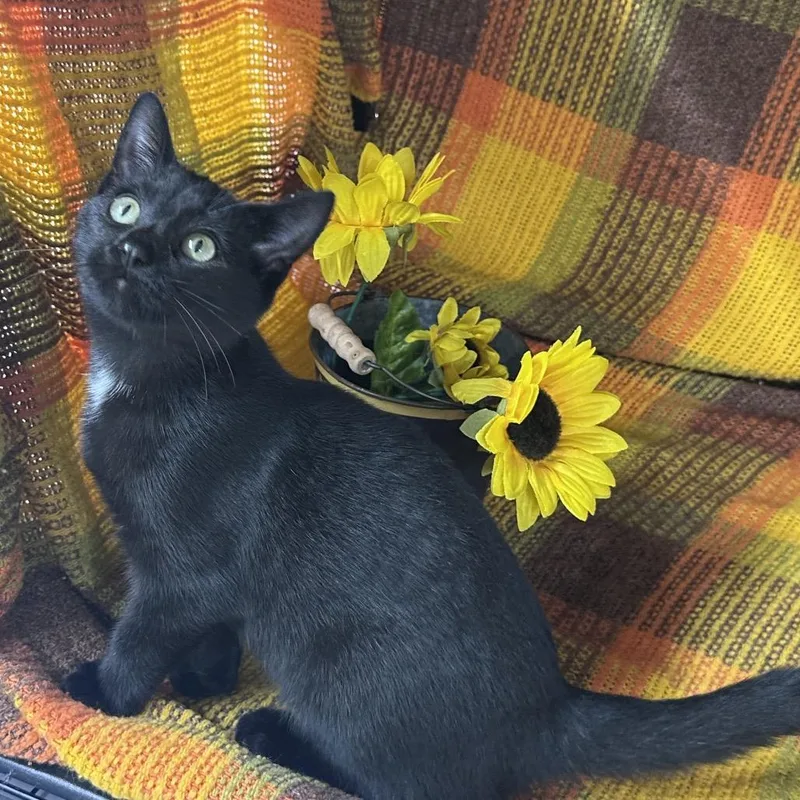
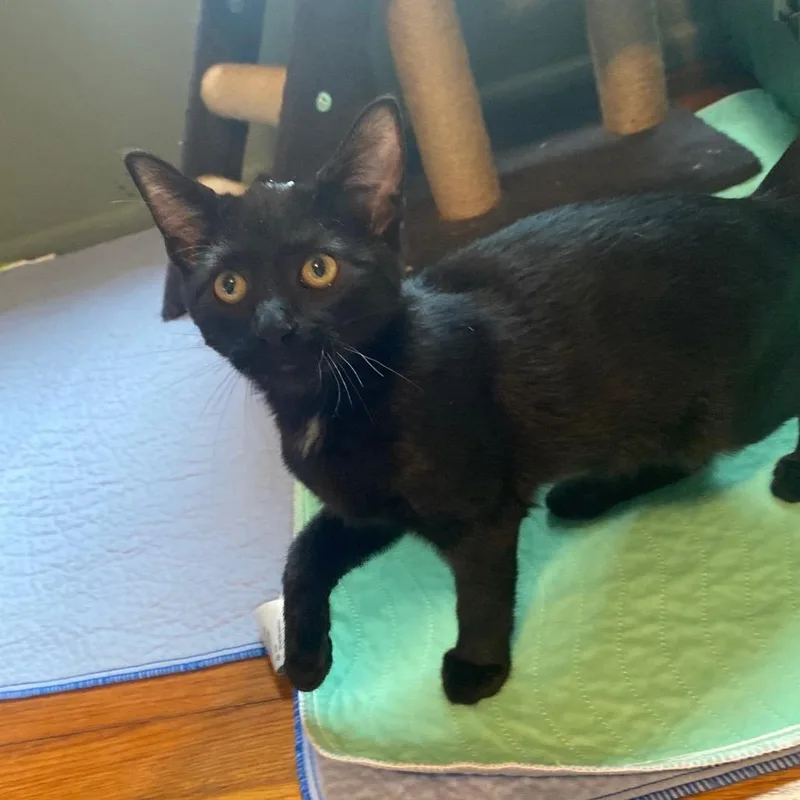
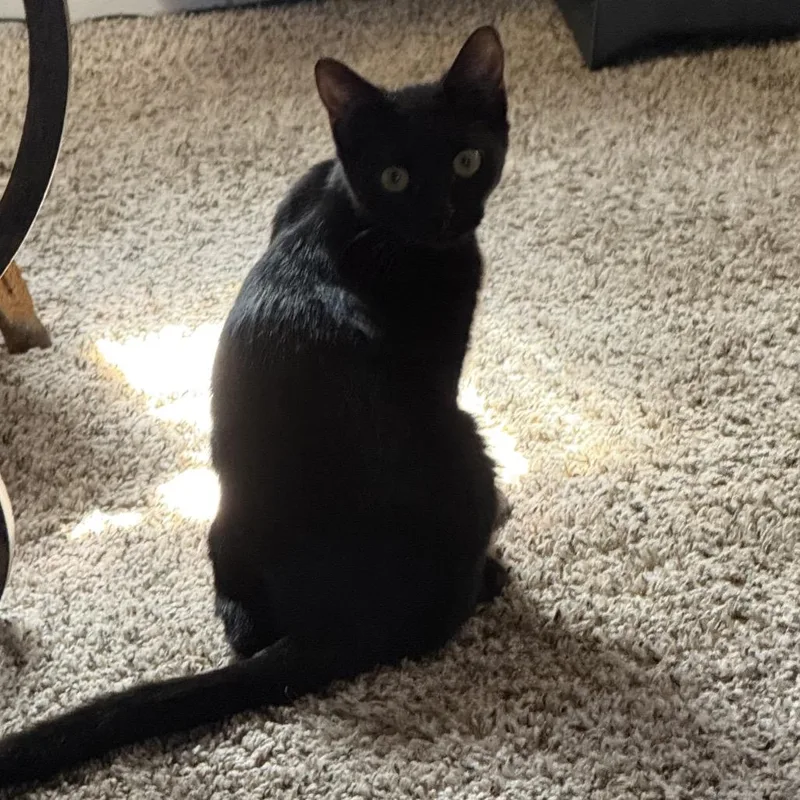
Bombays were developed in the United States beginning in the 1950s, when Nikki Horner of Kentucky crossed sable Burmese with black American Shorthairs, hoping for a miniature black panther. The result is a medium-sized, muscular cat, usually 6 to 12 pounds, that feels heavier than it looks, with a short satiny coat that is black to the roots and round eyes from gold to deep copper.

Pedigreed Bombays are uncommon in shelters, so a listing with this name often describes a sleek black cat with copper eyes who may be a domestic shorthair. Go by the cat's personality, not the label. In a Denver apartment, the low-shedding coat and love of company are a good match, as long as there's daily play and a tall perch. Bombays often live 12 to 15 years.

Weight
6–12 lbs
Height
8–10 in
Lifespan
12–15 yrs
Temperament
Affectionate, Social, Playful
Shedding
Low

Owning a Bombay in Denver

Having a Bombay in Denver

Bombays are social, playful cats whose glossy coat needs very little upkeep. In Denver, the real questions are how much company and play your household can offer, and whether a smaller home has enough climbing space.

Temperament

Bombays are usually affectionate and outgoing, happy to greet guests and follow you around the apartment. Some bond closely with one person and fret through long workdays, so a Denver commuter might plan morning play or a second cat. Each cat's history shapes how quickly it settles in.

Exercise Needs

Aim for daily interactive play: wand toys, chase games, fetch and food puzzles. In a Denver apartment, a cat tree by the window and a couple of short sessions a day go a long way. Some Bombays learn harness walking, but coyotes use the city's greenways, so keep any outings close and supervised.

Health Considerations

Hypertrophic cardiomyopathy has been reported in Bombays, so ask your veterinarian about heart checks at the first visit. Watery eyes may need gentle wiping, and the breed's appetite can lead to weight gain, so measured meals and regular play matter. Yearly exams should include a dental check.

Living Space

Bombays adapt to condos, apartments and houses as long as they have climbing space and company. Window perches and scratching posts matter more than square footage. Keeping a Bombay indoors is safest in Denver, where coyotes, hail and traffic are real risks, and a screened window or catio gives fresh air.

What it costs to own a Bombay in Denver

ExpenseTypical costPer year
Food$25 to $50 per month$300 to $600
Pet insurance$30 to $60 per month$360 to $720
Routine vet care$150 to $350 per year$150 to $350
Other*$465 to $1,165 per year$465 to $1,165
Estimated yearly total (after year one)$1,275 to $2,835

Other costs are estimates and vary with size, age and health.

* Litter, the $15 one-year Denver cat license, flea prevention, a dental cleaning allowance, toys, scratchers and other supplies, and minimal home grooming for the short coat.

Adopt a Bombay in Denver.

Now that you know more, let’s find you a new best friend. These rescues and shelters below have cats available in and near Denver.

Rescues and Shelters in or near Denver

Denver's adoption community includes a city shelter and nonprofit rescues, and those listing cats on this page are shown below. Here are the rescues & shelters in the Denver area with cats available for adoption, worth asking whether a Bombay is coming in.

Frequently Asked Questions

Yes. Plan to license your cat within 30 days of bringing it home, keep rabies vaccination current and make sure it's spayed or neutered after six months. Pedigreed Bombays are uncommon in shelters, so watch the listings on this page for sleek black cats with copper eyes, and look at similar breeds, nearby cities or a saved search.

Yes, as indoor cats. Denver winters bring freezing nights and the occasional big snowstorm, but afternoons often warm into the 40s, and a Bombay's short coat is comfortable in a heated home. Offer a padded bed near a sunny window, keep antifreeze and ice melts out of reach, and keep the cat indoors.

Yes, if the cat travels in a carrier. RTD allows small pets in carriers on its buses and trains, while other animals, apart from service animals, are not permitted. Choose a sturdy, ventilated carrier your Bombay can turn around in. On commuter rail, crated pets stay on the floor or your lap, not on seats.

Yes. Bombays are medium-sized, moderately chatty cats that do well in apartments when they have vertical space and daily play. Since so many Denver residents rent, confirm the lease's pet terms before applying, then set up a cat tree, a window perch and a play session or two a day. Many Bombays dislike long stretches alone.

Often, for people who are home a fair amount or can give plenty of attention. Denver's sunny days and apartment-heavy neighborhoods suit a sociable indoor cat. It's a weaker fit if you travel often or work long hours, since many Bombays dislike solitude. Remember that a Bombay-labeled cat's own personality matters more than the label.

Not often. The short, satiny coat needs a weekly rub with a soft brush or damp cloth. Denver's dry air and indoor heating can make skin flaky in winter, so brush gently and keep water available. Wipe watery eyes as needed, trim nails every few weeks, and brush teeth if your cat allows it. Professional grooming is rarely needed.

Plan on roughly $25 to $50 a month for food, $30 to $60 for insurance, $150 to $350 a year for routine vet care, and $465 to $1,165 a year for everything else. That comes to about $1,275 to $2,835 a year, with the upper end driven by dental work and extra supplies.

Find Bombays in Nearby Cities

Expand your search to find Bombays available for adoption near Denver.