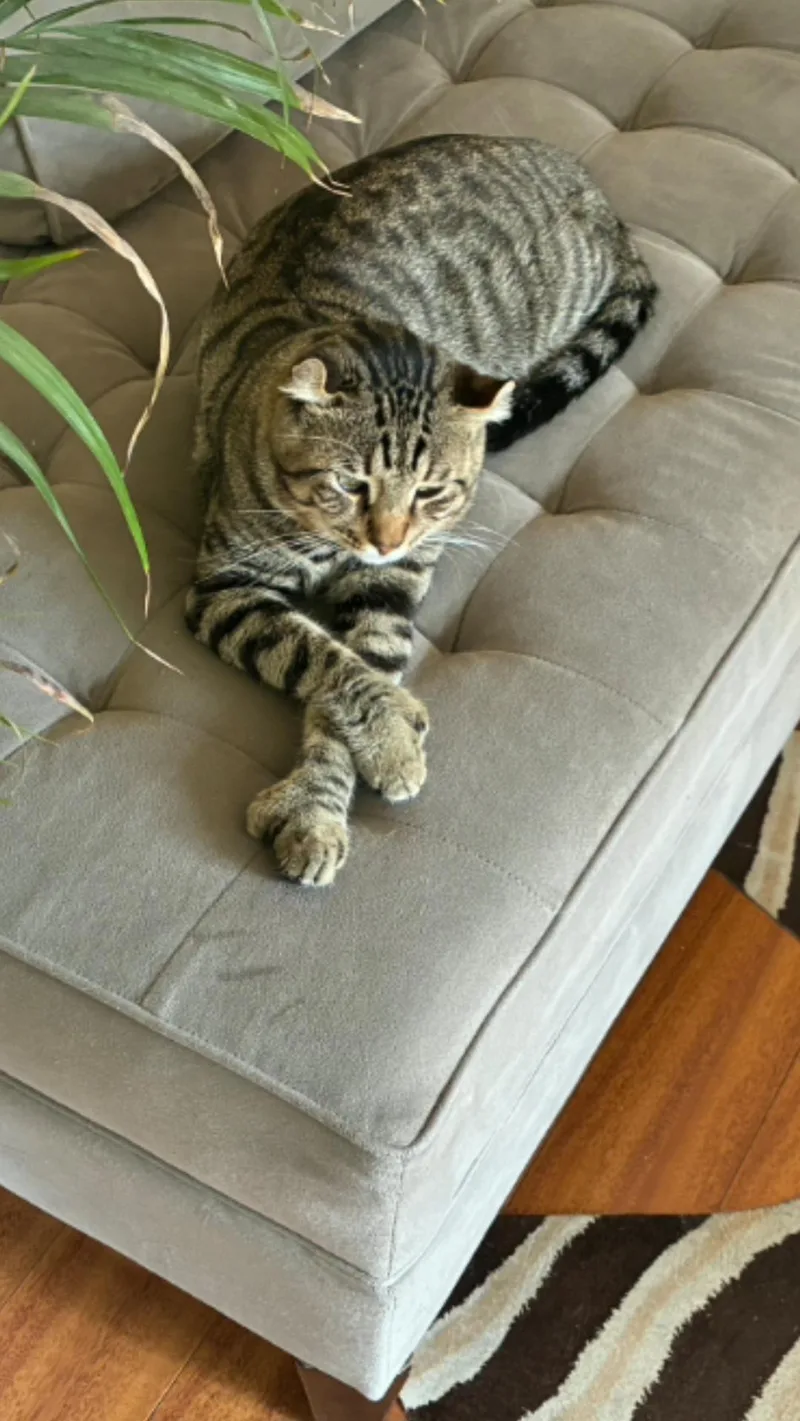
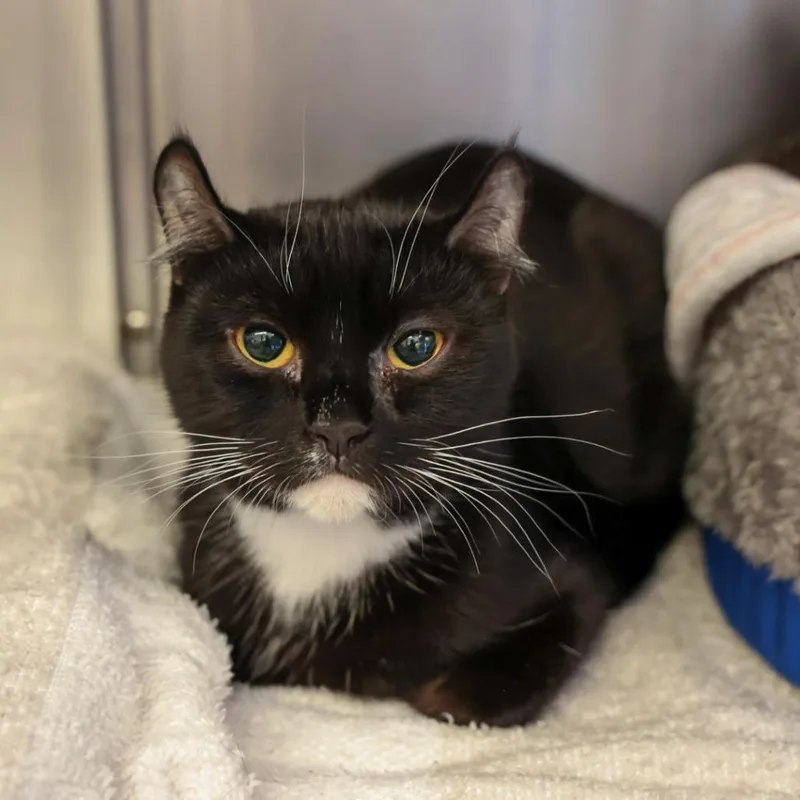
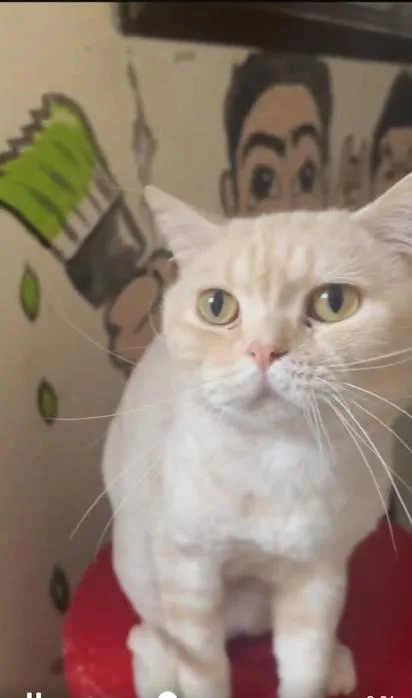
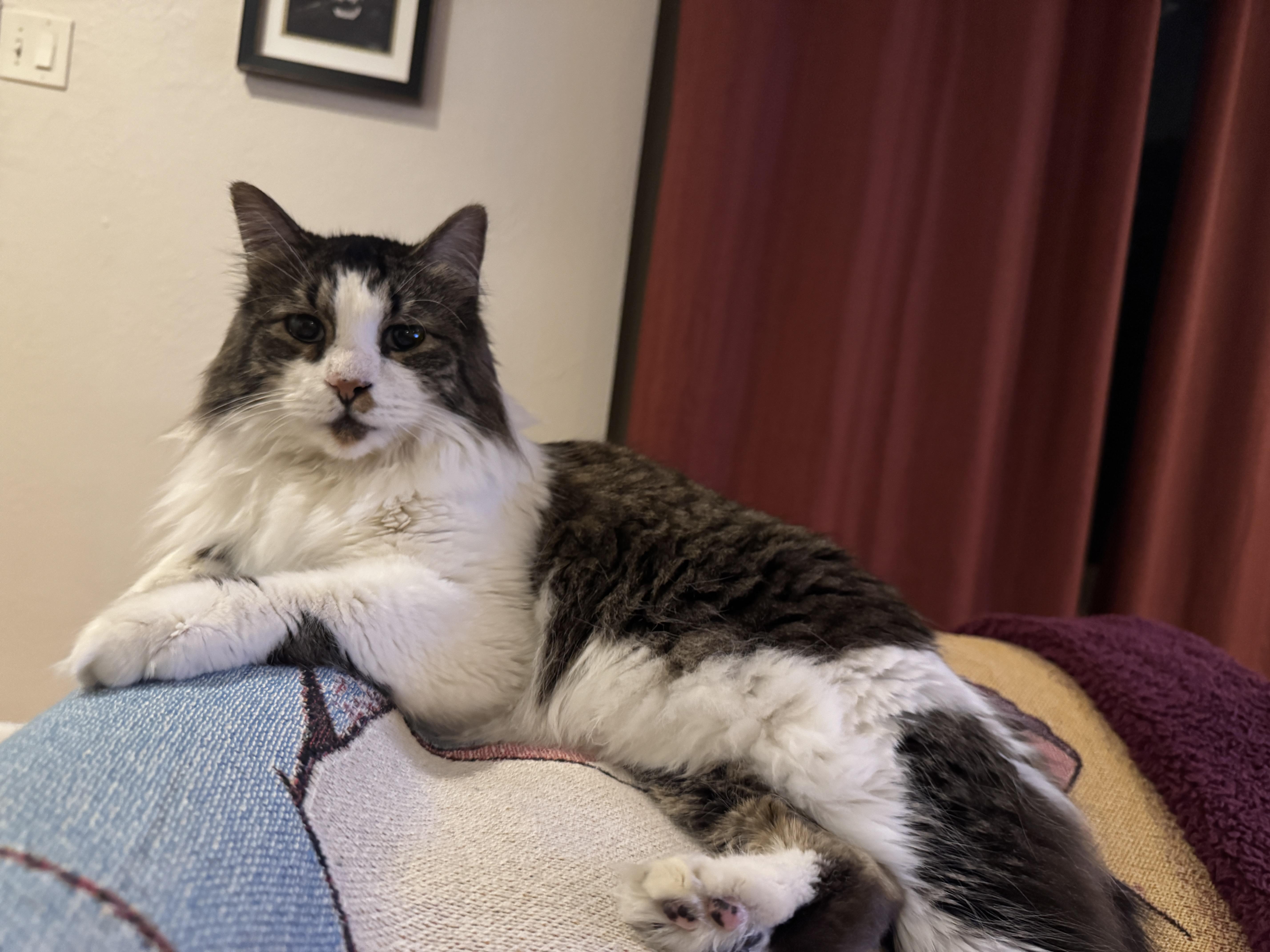
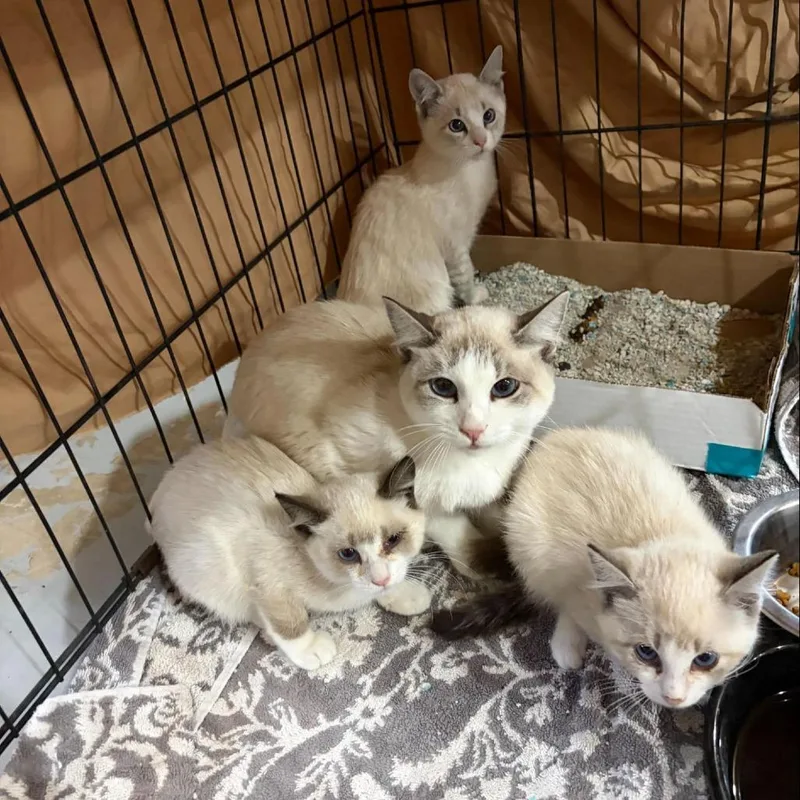
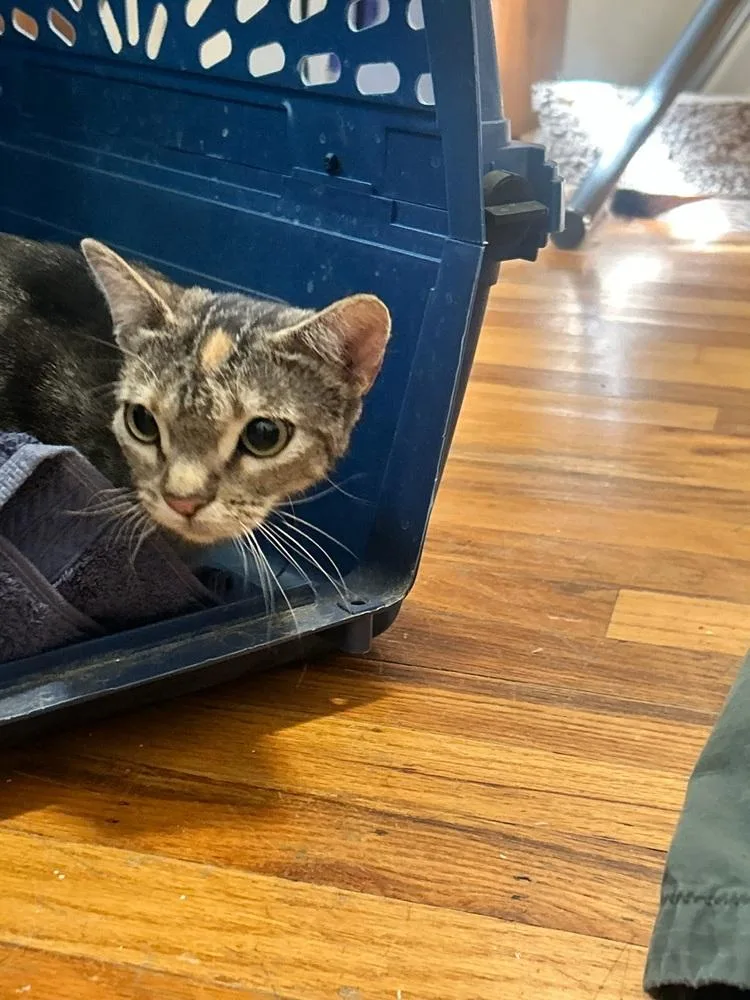
American Curl cat

American Curl Cats for Adoption in Denver, CO

Your guide to finding and caring for an American Curl in Denver

An American Curl is a good match for a Capitol Hill apartment in Denver. The neighborhood is full of apartments and condos, and Curls are sociable, playful cats that don't need a yard, just a tall cat tree, a window to watch and someone to toss a toy now and then. Their silky coats are easy to keep up, though the curled ears need gentle handling. Curls like company, so they do best with people who are home often.

47 American Curls available in Denver and nationwide

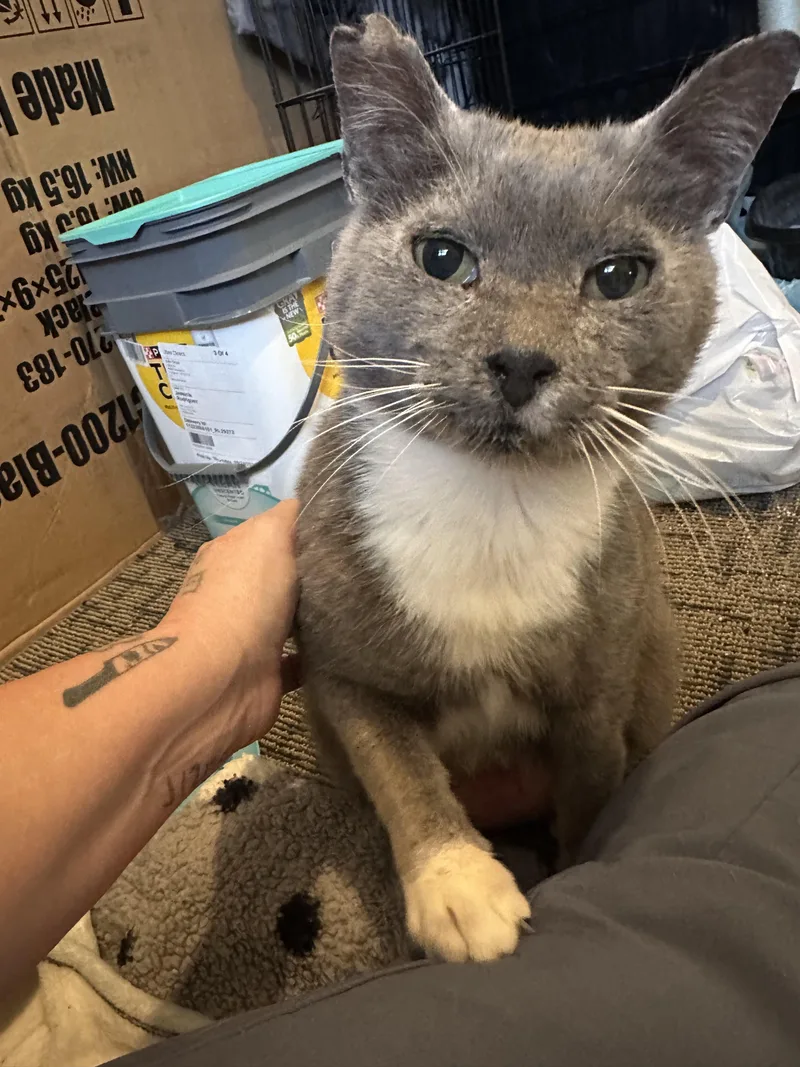
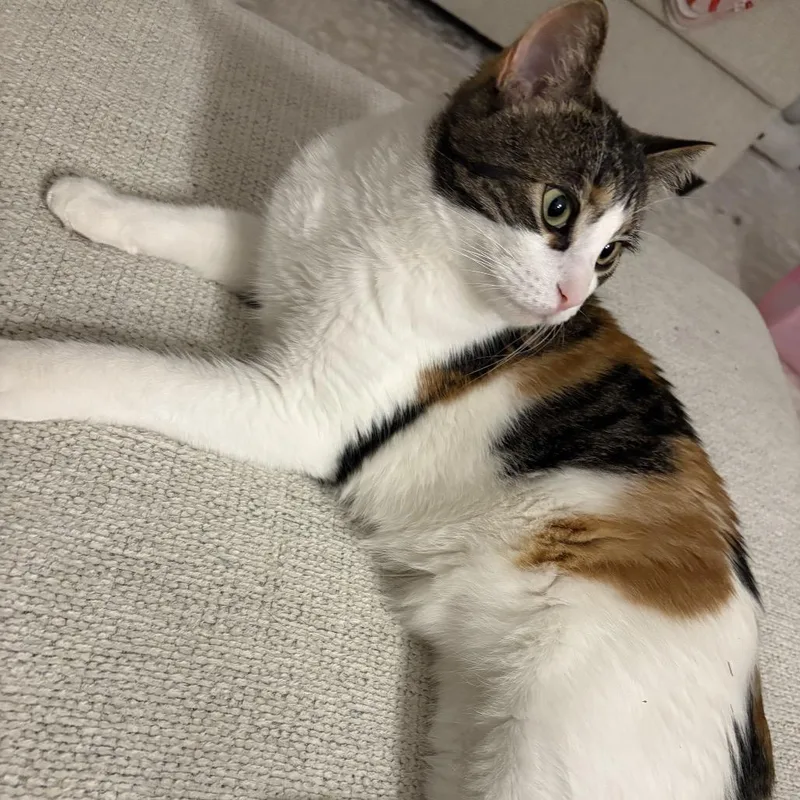
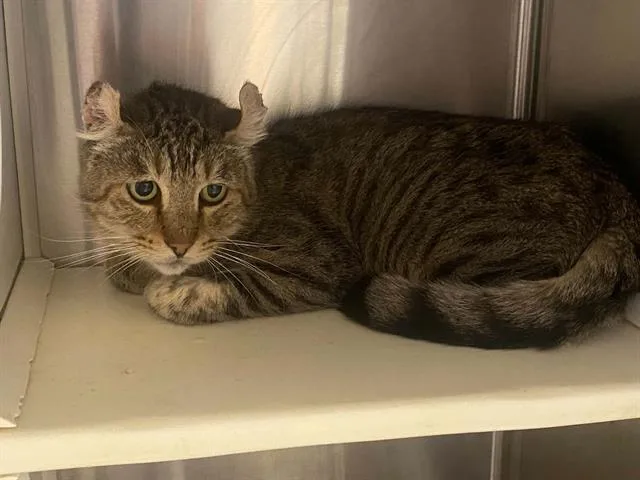
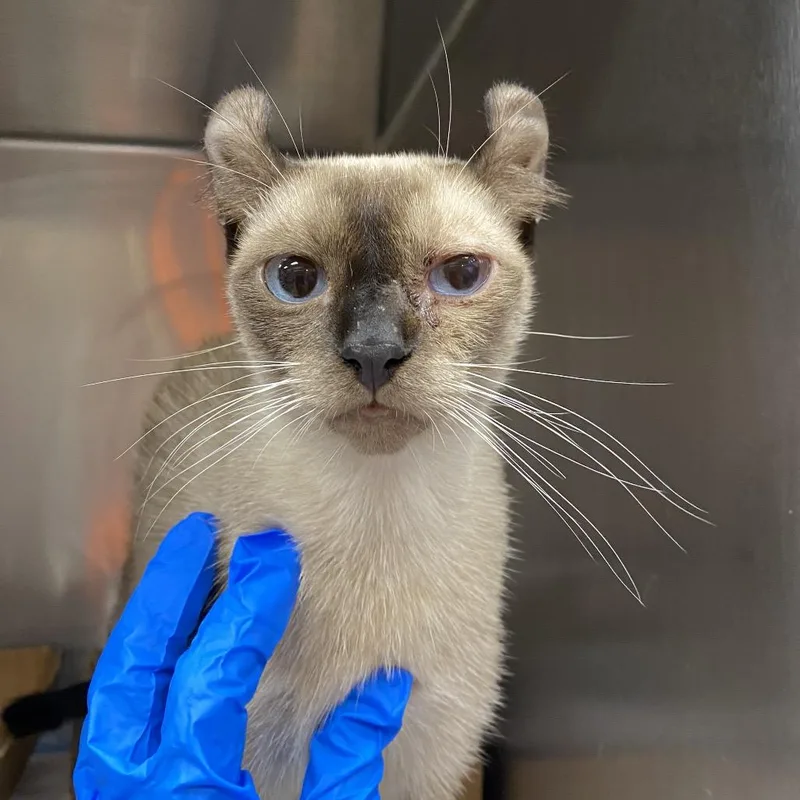
Say hello to your American Curl

While we don't have enough cats near Denver, keep in mind that many rescues may offer transport.

American Curls Available for Adoption Near Denver

About the American Curl breed

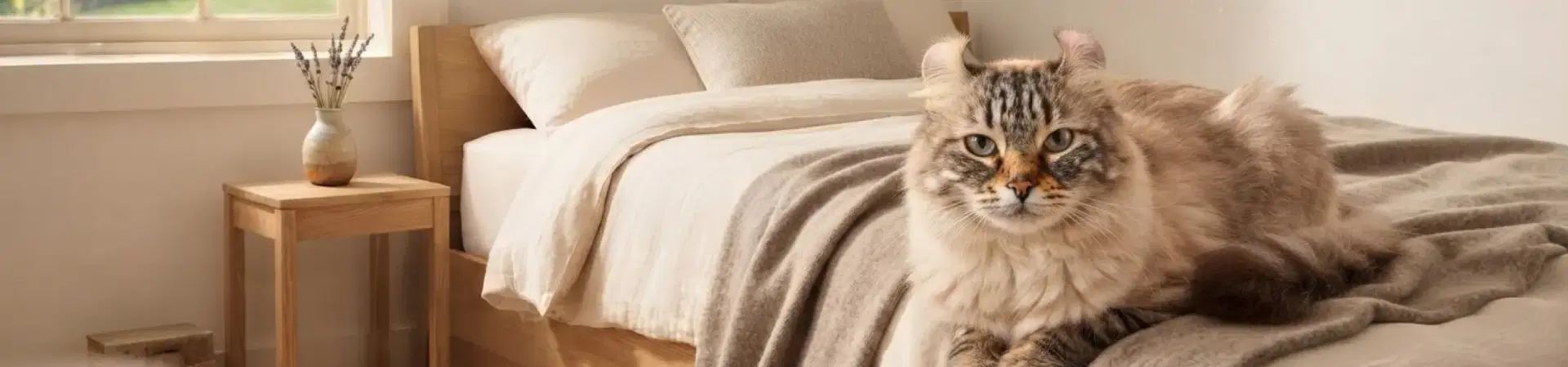
The American Curl began with a stray named Shulamith, a longhaired black cat with backward-curling ears who showed up at a California home in 1981. The curl comes from a dominant gene, and today's Curls are medium-sized cats of about 5 to 10 pounds, with longhaired and shorthaired coats in every color and pattern. Kittens are born with straight ears, which start curling within the first week and set by about four months.

Many Curls stay playful and kittenish well into adulthood, and they tend to follow their people from room to room. In Denver, where plenty of households are small apartments, that sociable nature is a plus, but a Curl left alone all day can get bored. No health problems specific to the breed are documented, but the ears can be damaged if bent, so handle them gently.

Weight
5–10 lbs
Height
8–11 in
Lifespan
12–18 yrs
Temperament
Affectionate, Playful, Curious
Shedding
Low to Moderate

Owning an American Curl in Denver

Having an American Curl in Denver

Curls are people-oriented, playful and adaptable, which suits Denver's apartment-heavy neighborhoods. Their needs are modest: interactive play, vertical space, light grooming and gentle ear handling. How a particular cat behaves still depends on its history and comfort level, not just its breed.

Temperament

Curls are usually affectionate without being clingy, happy to share a couch or follow you around while you work from home. Many stay playful for years and may get along with respectful kids and other pets after slow introductions. A cat coming from a shelter may need a few days to settle in, and every Curl differs.

Exercise Needs

Plan on a few short play sessions a day with wand toys, balls or puzzle feeders. Curls love to climb, so a tall cat tree or wall shelves by a window give them exercise and a view of the street. In a Denver apartment, rotating toys and teaching a trick or a game of fetch keeps a curious Curl busy.

Health Considerations

No health problems specific to the breed are documented, but Curls can still develop dental disease, obesity and ear wax buildup. Keep up with yearly exams, dental care and weight checks, and have a veterinarian look at the ears. Denver's rabies and licensing rules also make a vet visit soon after adoption sensible.

Living Space

Curls adapt well to Denver's mix of apartments, condos and older houses, provided there's vertical space, scratching posts and a hiding spot. Secure windows and balcony railings, since a curious climber can slip out, and keep any outdoor time supervised or inside an enclosed catio.

What it costs to own an American Curl in Denver

ExpenseTypical costPer year
Food$25 to $50 per month$300 to $600
Pet insurance$25 to $50 per month$300 to $600
Routine vet care$150 to $350 per year$150 to $350
Other*$465 to $1,265 per year$465 to $1,265
Estimated yearly total (after year one)$1,215 to $2,815

Other costs are estimates and vary with size, age and health.

* The $15 Denver cat license, litter, flea and parasite prevention, dental cleanings, toys and scratching supplies, and occasional grooming for longhaired Curls.

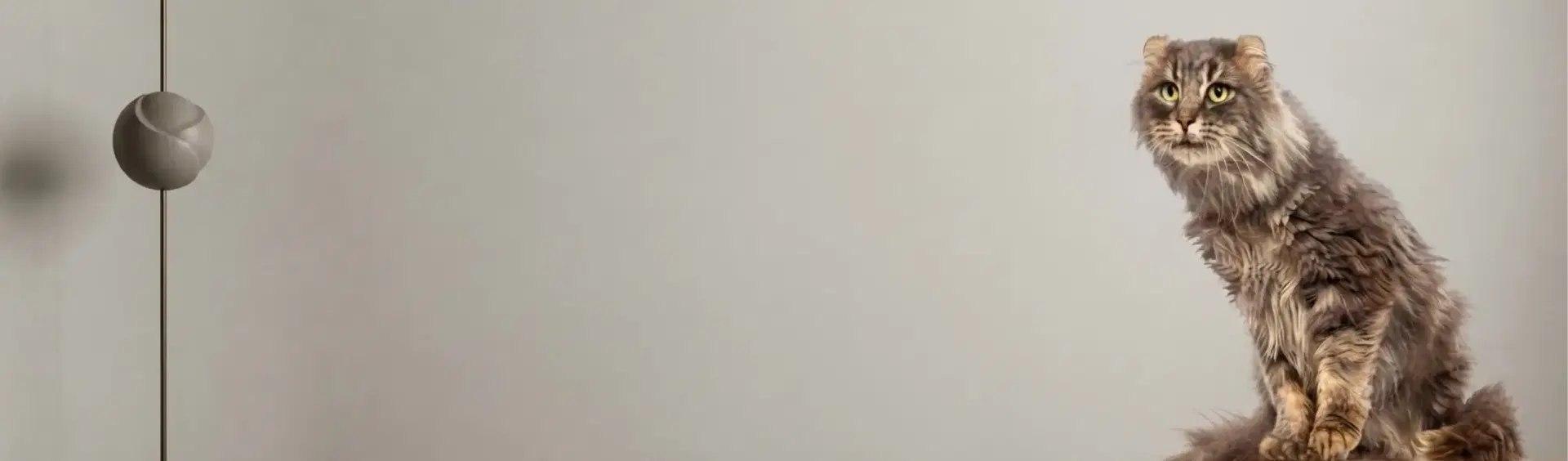
American Curl cat

Adopt an American Curl in Denver.

Now that you know more, let’s find you a new best friend. These rescues and shelters below have cats available in and near Denver.

Rescues and Shelters in or near Denver

Denver's cat adoption community includes the municipal Denver Animal Shelter and nonprofits such as Humane Colorado. Here are the rescues & shelters in the Denver area with cats available for adoption, worth asking whether an American Curl is coming in.

Frequently Asked Questions

Yes, in a carrier. RTD allows only small pets in carriers on its buses and trains, and only service animals ride without one. Most American Curls weigh 5 to 10 pounds, so they fit a standard cat carrier. On commuter rail, keep the carrier on your lap or the floor, out of the aisle and off the seats.

Yes, as indoor cats. Denver winters bring lows near 19°F, highs in the mid-40s and roughly 156 freezing nights a year, which is too cold for a Curl to spend time outside. Keep a warm bed away from drafts and a sunny perch indoors, and store antifreeze and ice melt out of reach, since both are dangerous to cats.

Yes, American Curls usually do well in Denver apartments. They need vertical space, scratching posts, daily play and secured windows or balconies more than square footage. Curls like company, so a home with someone around often suits them best. Get your landlord's pet permission in writing and keep a record of any deposit you pay.

An American Curl fits Denver well if you're home often and enjoy playing with your cat. They adapt to apartments and houses alike and handle the climate easily as indoor cats. Keep a license tag and microchip current, since the shelter sees about 46% more strays in the week after July Fourth, even though fireworks are illegal.

Not often. Curls have silky coats with little undercoat, so combing a few times a month is usually enough, and weekly helps a longhaired Curl. Professional grooming is only occasional, and it falls within the Other costs shown above. Dry winter air and spring shedding are good reasons to keep up the routine.

No, American Curl cats are not hypoallergenic. Cat allergens come mainly from proteins in saliva and skin, which all cats produce regardless of coat. Curls have little undercoat and shed lightly to moderately, but that does not make them allergy-free. Spend time with a specific cat and talk with an allergist before adopting if allergies are a concern.

Yes, American Curls are fairly rare. The breed only began in 1981 and remains uncommon compared with long-established breeds, though it now has a following in the US, Europe, Russia and Japan. Purebred Curls seldom appear in shelters, but curl-eared mixed cats sometimes do. Check rescues and GetBuddy listings regularly if you hope to adopt one.

American Curls have no known breed-specific health problems so far, partly because the breed was built from a broad base of domestic cats. They can still develop common feline conditions such as dental disease, obesity, kidney disease with age and ear wax buildup. Regular checkups and a healthy weight help keep a Curl in good shape.

American Curl cats commonly live about 12 to 18 years, and many reach their mid to late teens. As a relatively young breed, there is little formal lifespan research. Keeping a Curl indoors or safely enclosed, at a healthy weight and up to date on veterinary and dental care supports a long life.

Expect roughly $1,200 to $2,800 a year for an American Curl in Denver. Food runs $25 to $50 a month, pet insurance $25 to $50 a month, routine vet care $150 to $350 a year, and other costs $465 to $1,265 a year. Dental work and grooming for longhaired Curls push toward the top.