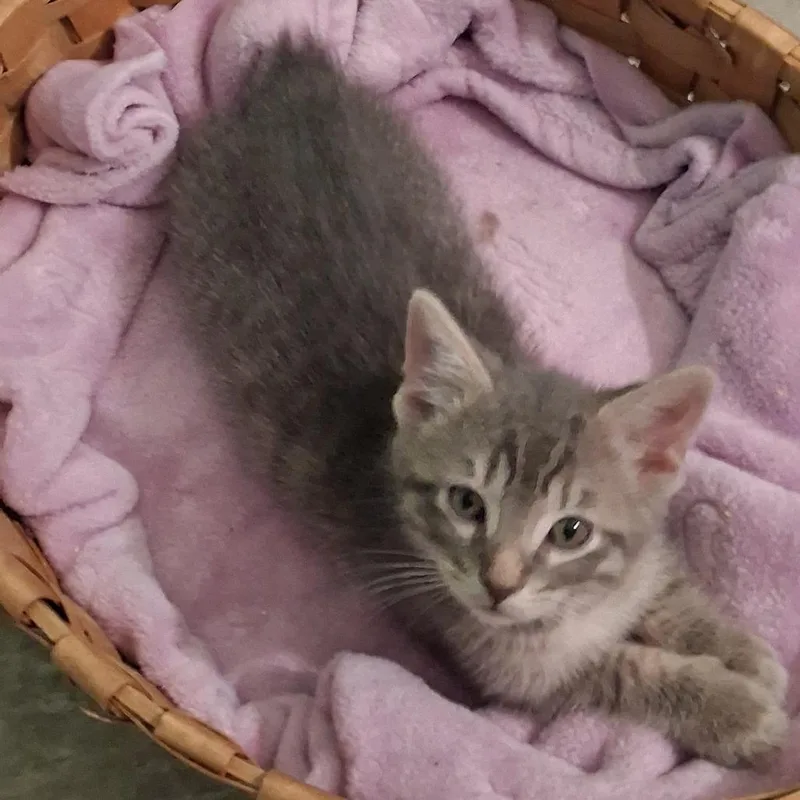
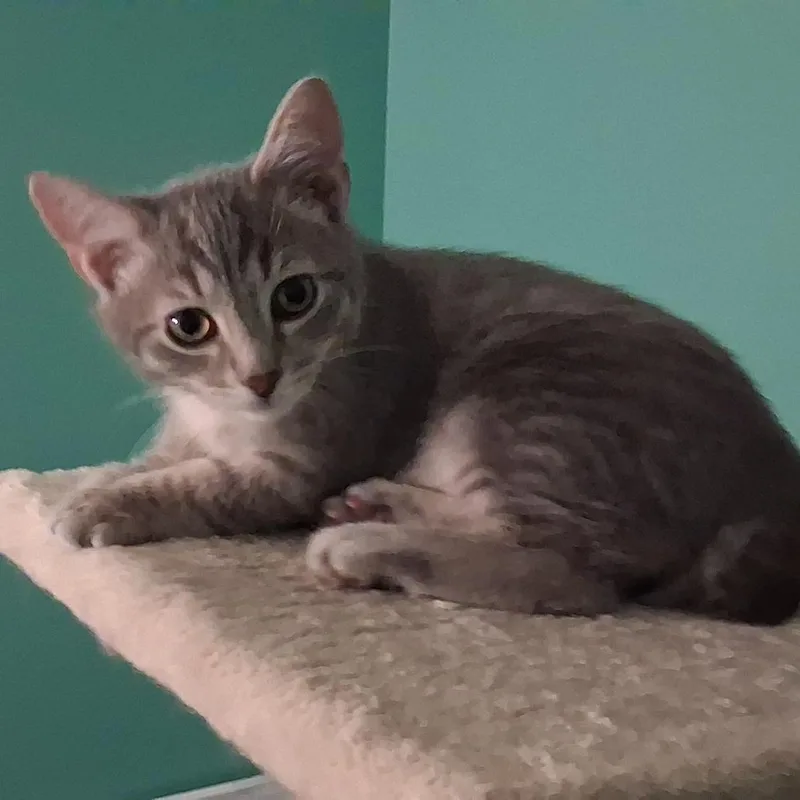
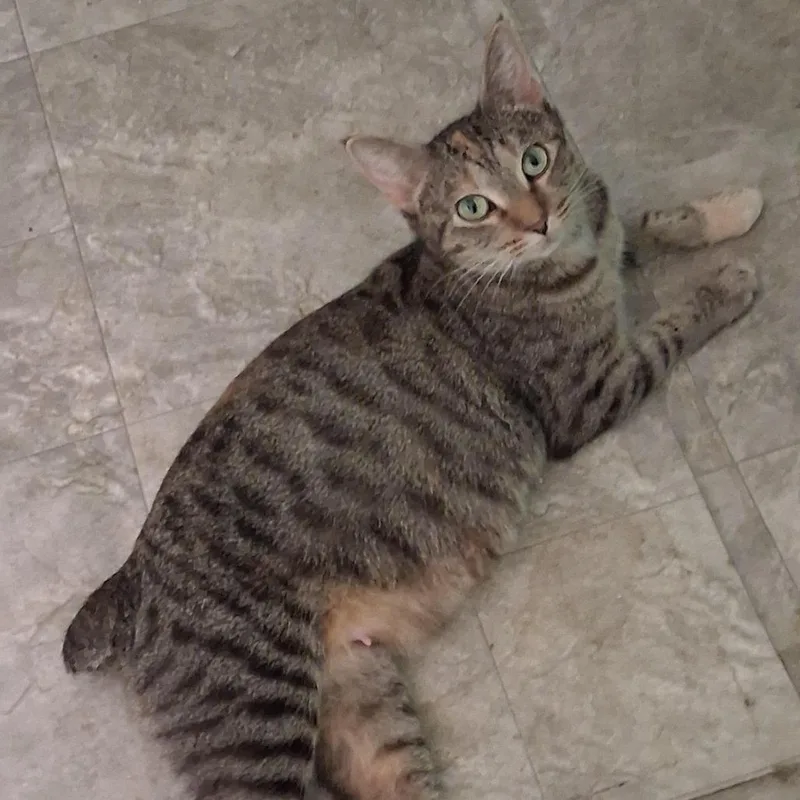
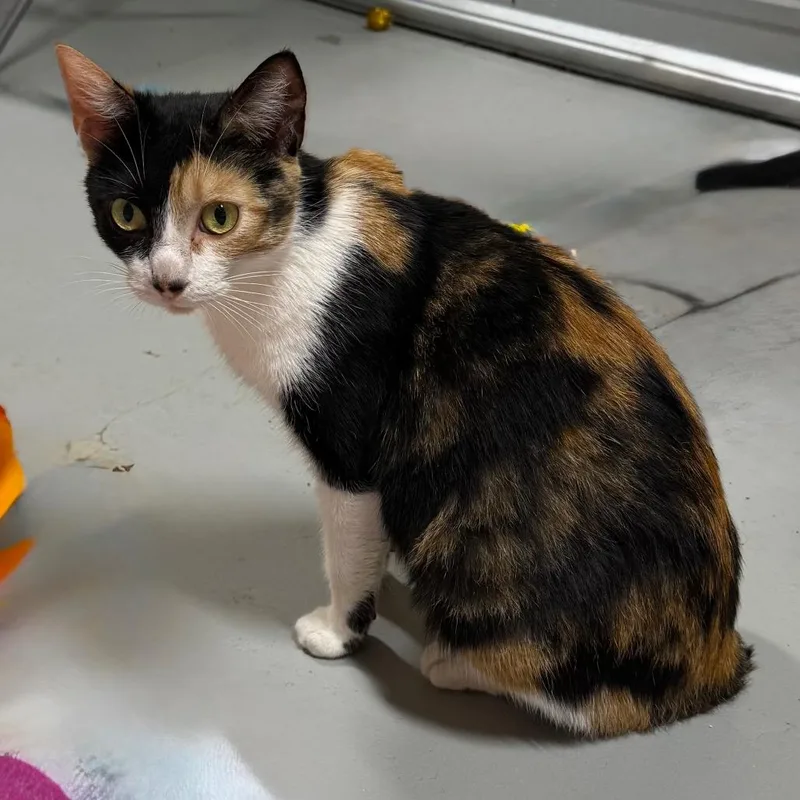
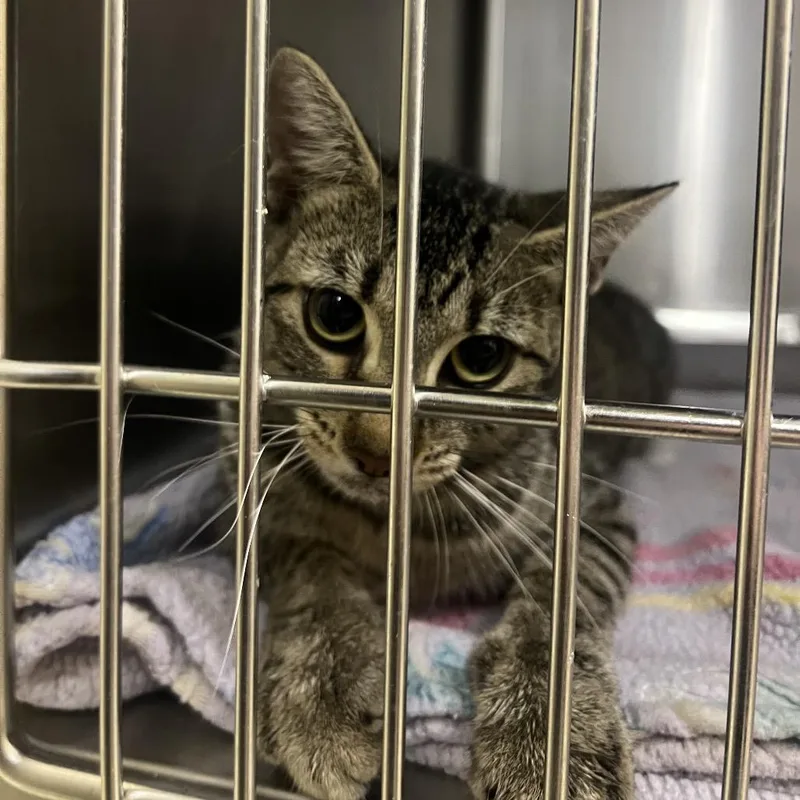
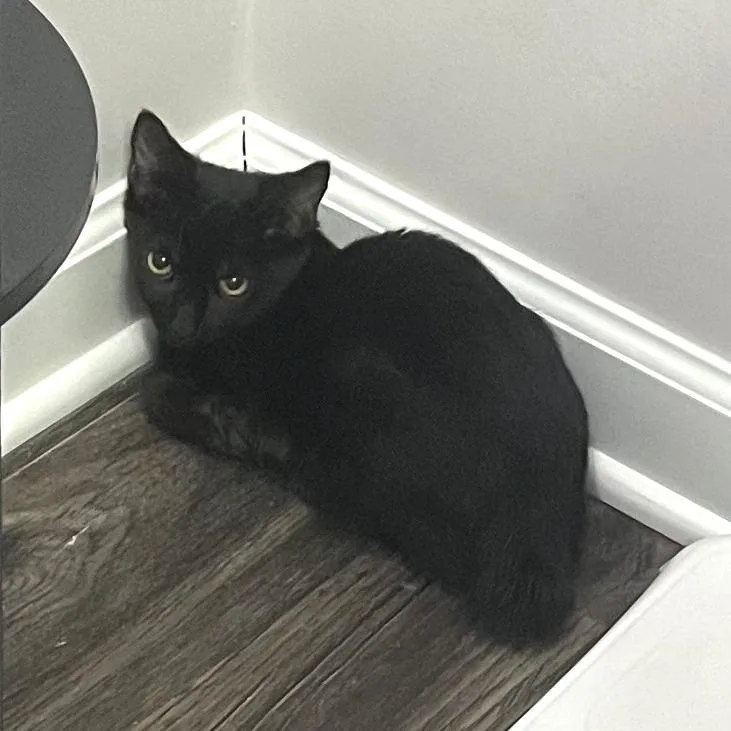
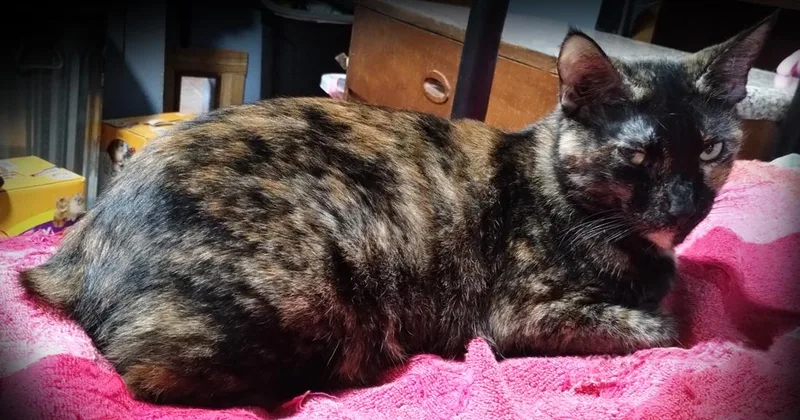
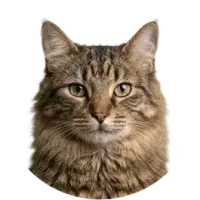
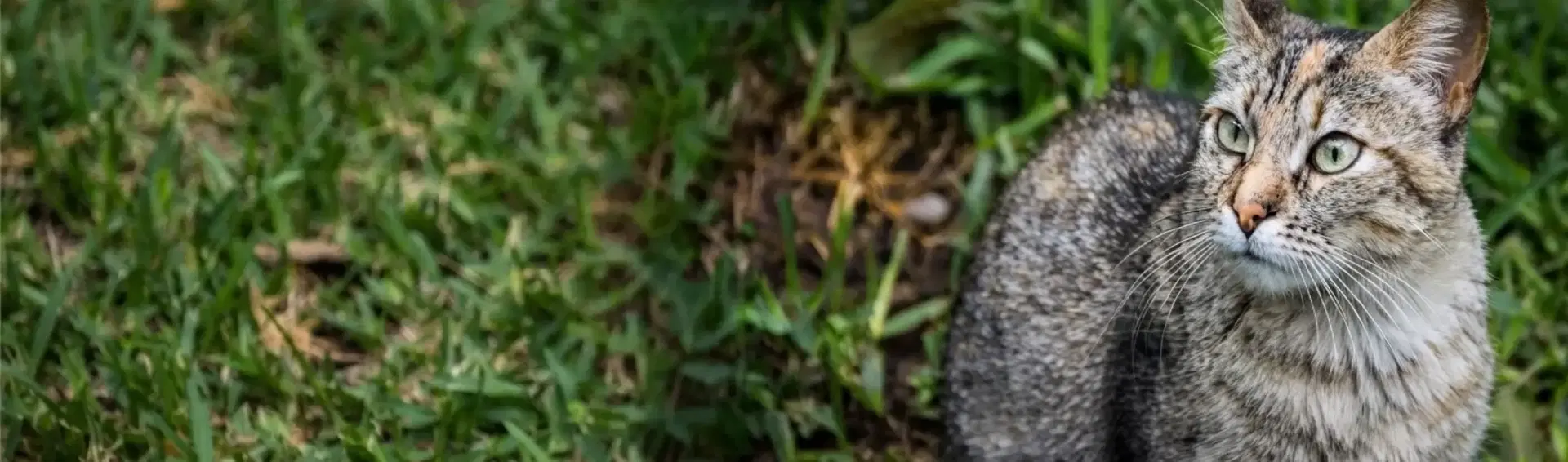
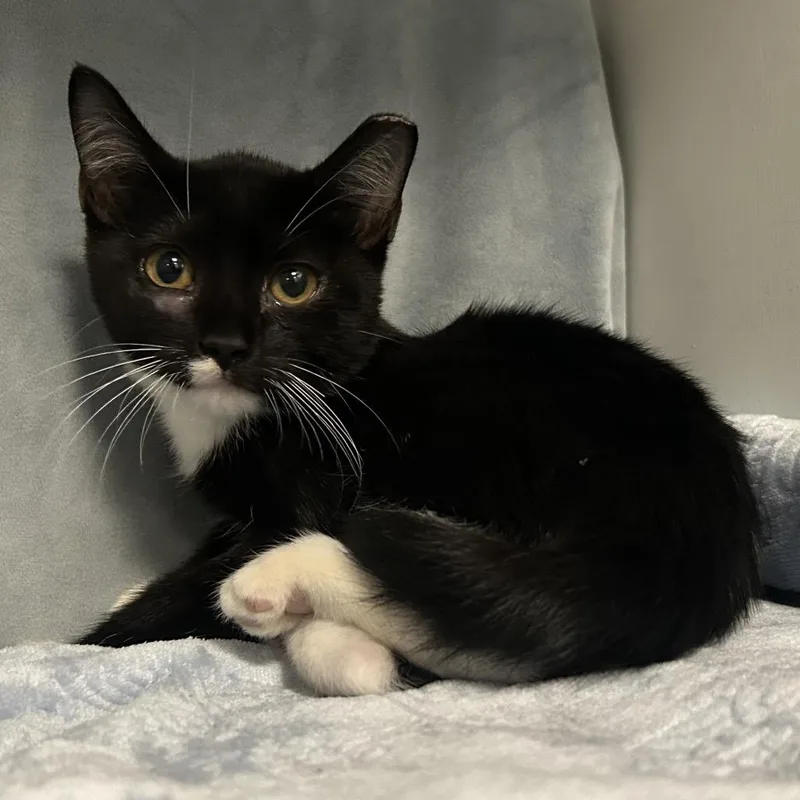
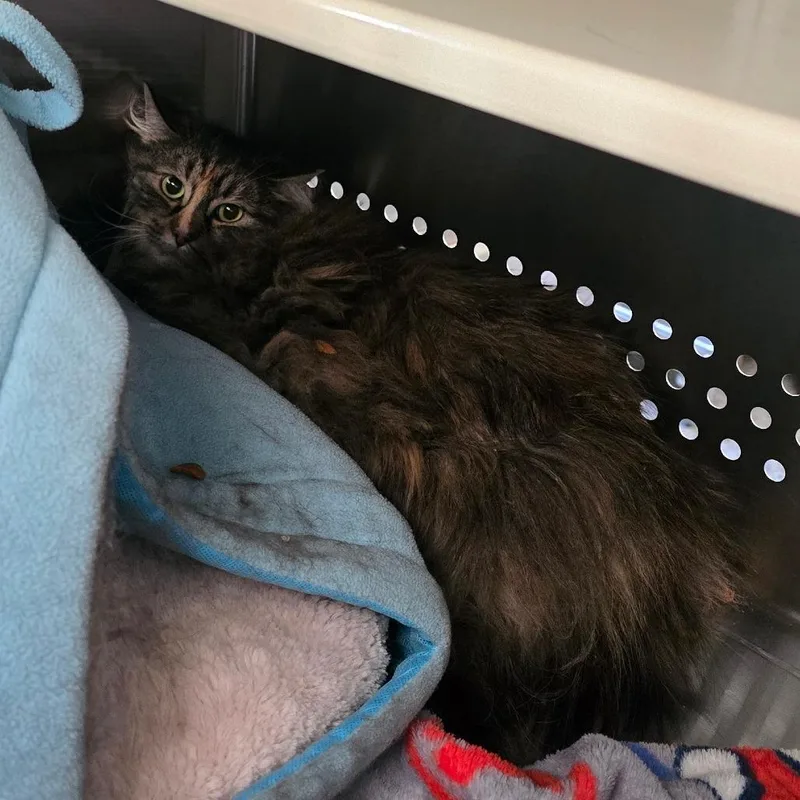
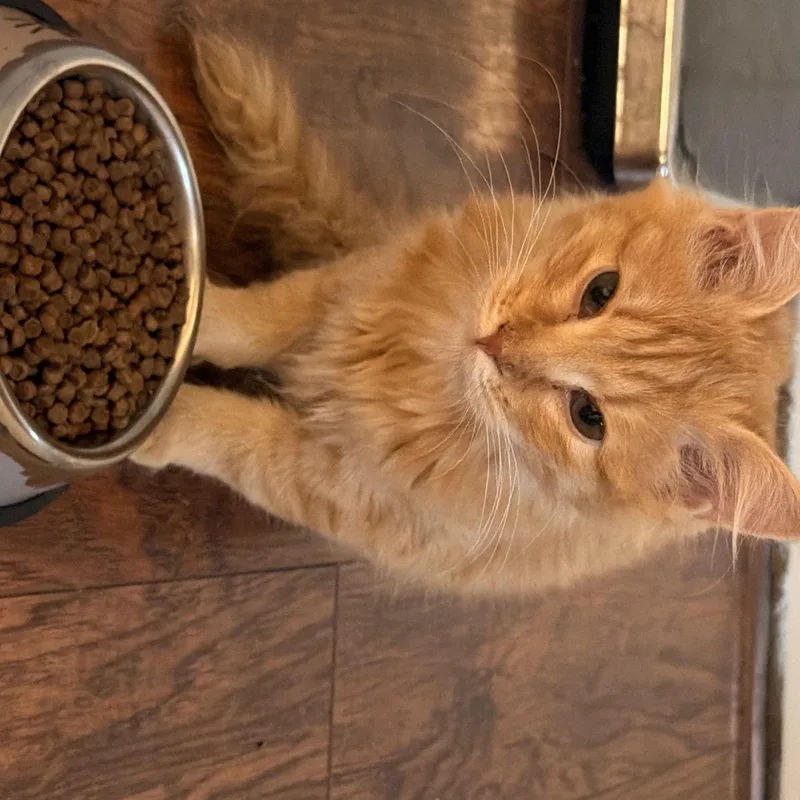
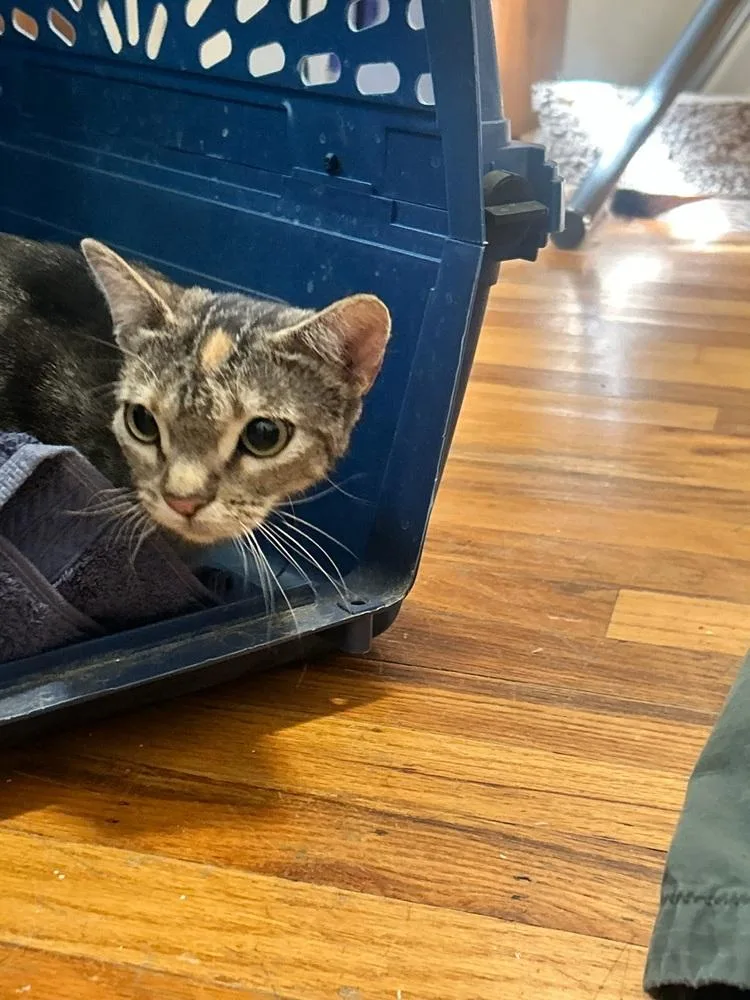
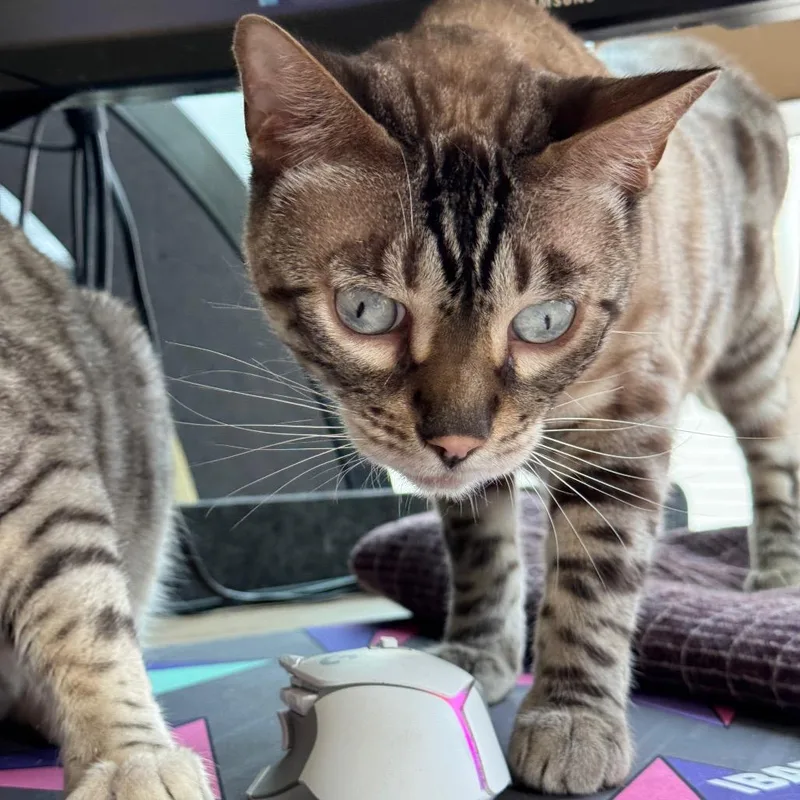
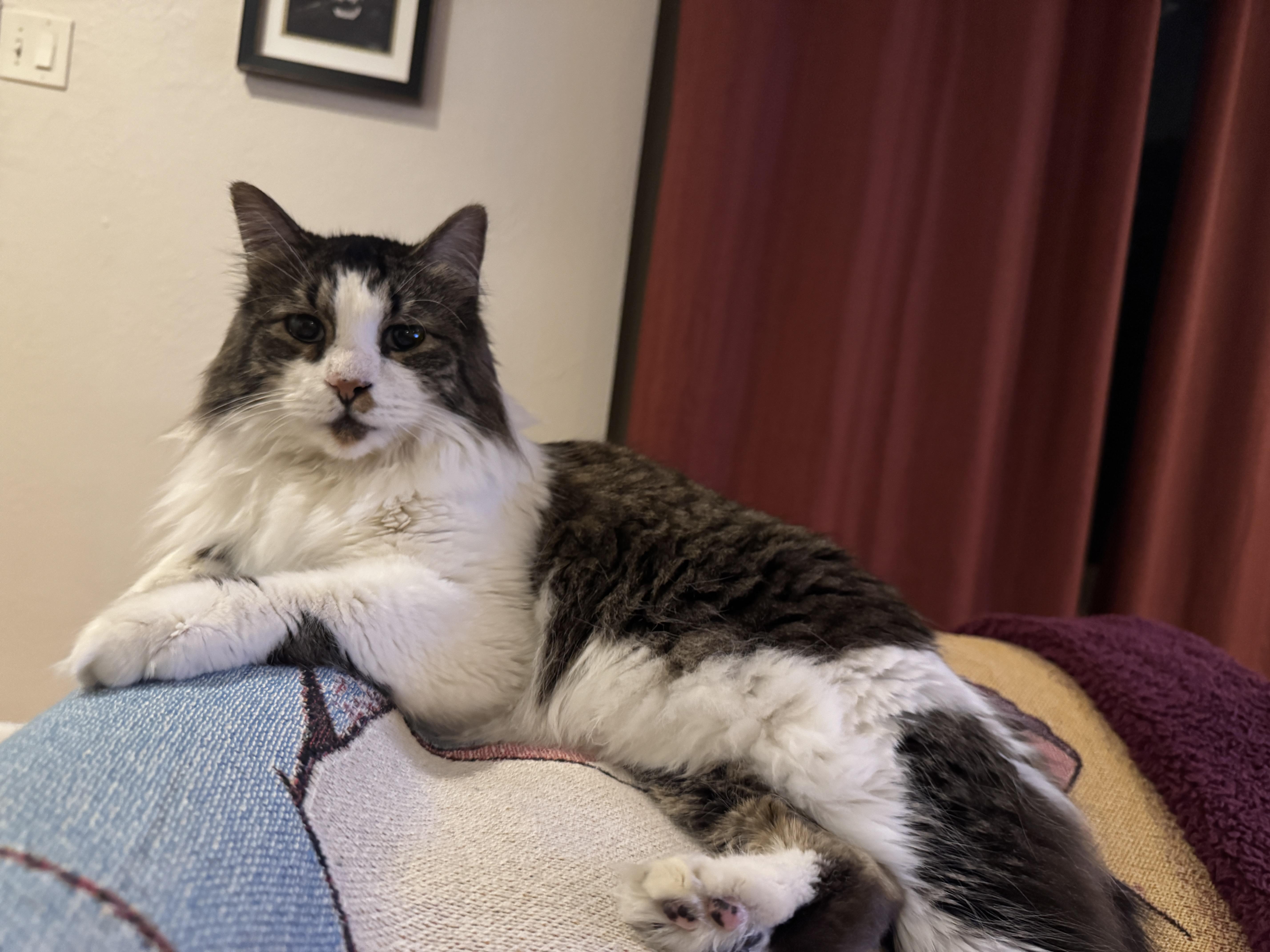
American Bobtail cat

American Bobtail Cats for Adoption in Denver, CO

Your guide to finding and caring for an American Bobtail in Denver

American Bobtails fit Denver's older brick homes and newer apartments easily. In a Baker brick bungalow or a Union Station condo, a Bobtail will claim the best window and treat the hallway as a fetch course. They're sociable and clever, so they do best with people around for part of the day and a few play sessions built in. Plenty of Bobtails also learn to walk on a harness, which suits Denver's quieter residential streets.

146 American Bobtails available in Denver and nationwide

Bring home an American Bobtail

While we don't have enough cats near Denver, keep in mind that many rescues may offer transport.

American Bobtails Available for Adoption Near Denver

About the American Bobtail breed

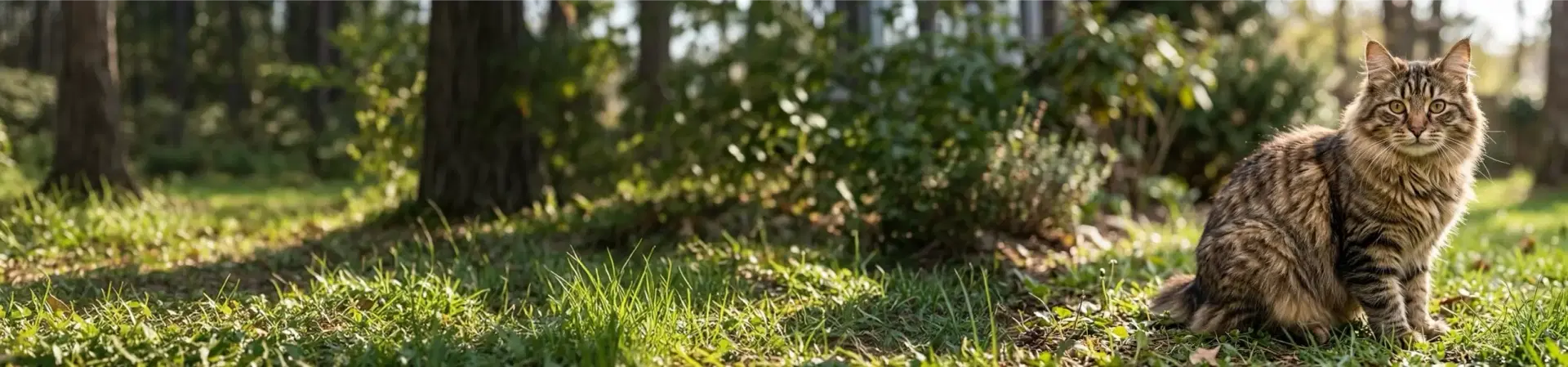
The American Bobtail is a medium, muscular cat with a naturally short tail, usually about a third to half the normal length. The breed traces back to Yodie, a bobtailed brown tabby stray found in Arizona in the late 1960s, and the short tail comes from a dominant gene unrelated to the Manx or Japanese Bobtail. The coat can be short or medium-long, in nearly any color, and a wild tabby look is common.

Bobtails are playful, people-focused and clever, and many fetch or walk on a harness. They mature slowly, over two to three years, so a young cat may stay kittenish for a while. In Denver, that means plenty of interactive play in an apartment or house, weekly brushing, and a yearly vet exam that includes a look at the tail, spine and hips. Each cat is different, so spend time with a Bobtail before deciding.

Weight
7–16 lbs
Height
9–12 in
Lifespan
11–15 yrs
Temperament
Playful, Affectionate, Adaptable, Intelligent
Shedding
Moderate

Owning an American Bobtail in Denver

Having an American Bobtail in Denver

Bobtails pair a sturdy, athletic build with a sociable, game-loving nature. In Denver, the practical questions are space to climb, daily play, regular brushing and a few health checks tied to the short tail, all easy to plan for before adoption.

Temperament

Many American Bobtails are affectionate without being clingy, greeting visitors and following family members around the home. That sociable streak suits Denver apartments with roommates, kids or a calm dog, though a Bobtail may get bored if left alone all day. Cats vary, so notice how a particular Bobtail handles being held and meeting new people.

Exercise Needs

Plan on several short play sessions a day: wand toys, chasing balls and fetch. Window perches and cat trees give climbing room indoors. Many Bobtails learn a harness, and quiet residential blocks make easy outings. Use a secure harness and stay close, since coyotes and off-leash dogs are a real consideration around Denver.

Health Considerations

Bobtails are generally sturdy, but the short-tail gene can occasionally affect the spine or hips. Watch for stiffness, tail pain or litter box changes, and have a veterinarian examine the cat soon after adoption. Keep up with rabies vaccination, which Denver requires for cats over six months, plus dental care and a healthy weight.

Living Space

Bobtails adapt to Denver's apartments, condos and brick bungalows when they have vertical space, scratching posts and a sunny window. Renters will want a lease that welcomes cats. Keeping a Bobtail indoors, or in a catio, protects it from traffic and coyotes while still giving it fresh air and things to watch.

What it costs to own an American Bobtail in Denver

ExpenseTypical costPer year
Food$25 to $50 per month$300 to $600
Pet insurance$25 to $50 per month$300 to $600
Routine vet care$150 to $350 per year$150 to $350
Other*$465 to $1,265 per year$465 to $1,265
Estimated yearly total (after year one)$1,215 to $2,815

Other costs are estimates and vary with size, age and health.

* The $15 Denver cat license, litter, flea prevention, a dental cleaning allowance, toys, a harness and other supplies, and home brushing, with more for longhaired cats.

American Bobtail cat

Adopt an American Bobtail in Denver.

Now that you know more, let’s find you a new best friend. These rescues and shelters below have cats available in and near Denver.

Rescues and Shelters in or near Denver

Denver has a city shelter and several nonprofit rescues that care for cats of every age and coat type. Here are the rescues & shelters in the Denver area with cats available for adoption, worth asking whether an American Bobtail is coming in.

Frequently Asked Questions

Yes, for many households. American Bobtails adapt to apartments and houses, enjoy company and learn games quickly, which suits people who are home a fair amount. They're a weaker match for someone away long hours with no play time. Denver's dry climate is easy on an indoor cat, and most Bobtails settle in once they have climbing spots and daily interaction.

Yes. Denver's breed-specific rules apply to certain dog breeds, not cats. For any cat six months or older, you'll need a city license within 30 days, a rabies vaccination and spay or neuter surgery. Cats adopted through the Denver Animal Shelter are already altered and licensed for the first year, which makes setup simpler.

Yes, American Bobtails generally do well in apartments. They're medium-sized and fairly quiet, but they climb, so provide cat trees, scratching posts and a window perch. Confirm your lease allows cats, and make sure balcony railings and windows have secure screens or netting, since an athletic Bobtail may investigate any gap or bird outside.

Yes, as indoor cats they handle Denver winters comfortably. Nights drop below freezing on roughly 156 days a year, so a warm home and a sunny window are plenty. Keep the cat indoors during snowstorms, and if you try harness outings, keep them short, avoid salted sidewalks and wipe the paws afterward.

Yes, if the cat is in a carrier. RTD allows small pets in carriers on its buses and trains, and gives no size limit, but pets outside carriers are not permitted. Most Bobtails fit a roomy carrier, so choose one that zips or latches securely. On commuter rail, keep the carrier on your lap or the floor, not on a seat.

Plan on a weekly brushing for a shorthair and two or three times a week for a medium-long coat, especially in spring when shedding picks up. Professional grooming is rarely necessary, and Denver's dry air doesn't change the routine. Don't shave the cat for winter or summer. Home brushing falls within the Other costs listed on this page.

A bobbed tail is a short tail, either naturally short from birth or, in some dogs, shortened by docking. In cats, natural bobtails come from several different gene mutations found in breeds like the American Bobtail, Japanese Bobtail and Manx. The tail may be straight, curved or kinked and is usually fully mobile and expressive despite its length.

A bobtail cat is any cat with a naturally short tail, from a stub to roughly half normal length. The term covers several breeds, including the American Bobtail, Japanese Bobtail, Kurilian Bobtail and Pixie-Bob, each with its own gene, as well as domestic cats born with short or kinked tails. Shelters often list these cats simply as bobtails.

Yes, American Bobtail cats are fairly rare. They are a small pedigreed breed with relatively few registrations each year, and purebreds seldom appear in shelters. Many short-tailed cats in adoption listings are domestic cats with natural bobtails rather than registered American Bobtails, and they can make equally wonderful companions with a similar playful look.

Expect roughly $1,200 to $2,800 a year for an American Bobtail in Denver. Food runs $25 to $50 a month and insurance $25 to $50 a month, routine vet care $150 to $350 a year, and other costs, including litter, $465 to $1,265. Longhaired Bobtails sit toward the higher end for grooming.