Tortoiseshell Cats for Adoption in Santa Rosa, CA

Your guide to finding and caring for a Tortoiseshell in Santa Rosa

Tortoiseshell cats fit Santa Rosa's newer suburban streets and older neighborhoods near downtown equally well. Tortoiseshell is a coat pattern, so these cats vary: some are lap cats, others prefer a sunny sill. In a rebuilt Coffey Park house or a West End rental, a tall cat tree by a window gives a tortie plenty to watch. Plan on daily play, and don't assume the coat predicts the personality.

1043 Tortoiseshells available in Santa Rosa and nationwide

Your Tortoiseshell is waiting

Tortoiseshells Available for Adoption Near Santa Rosa

About the Tortoiseshell breed

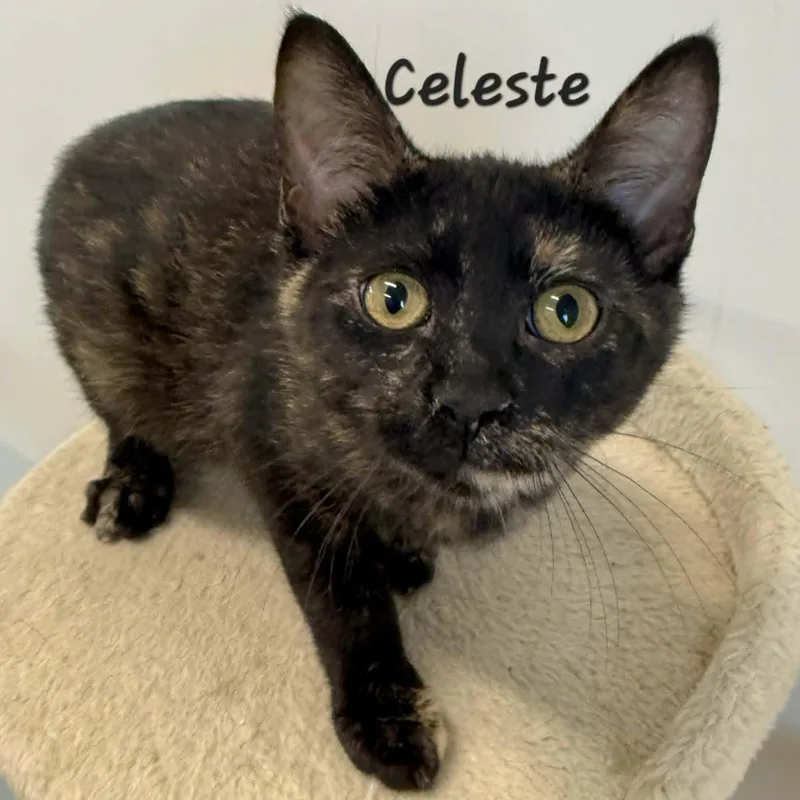
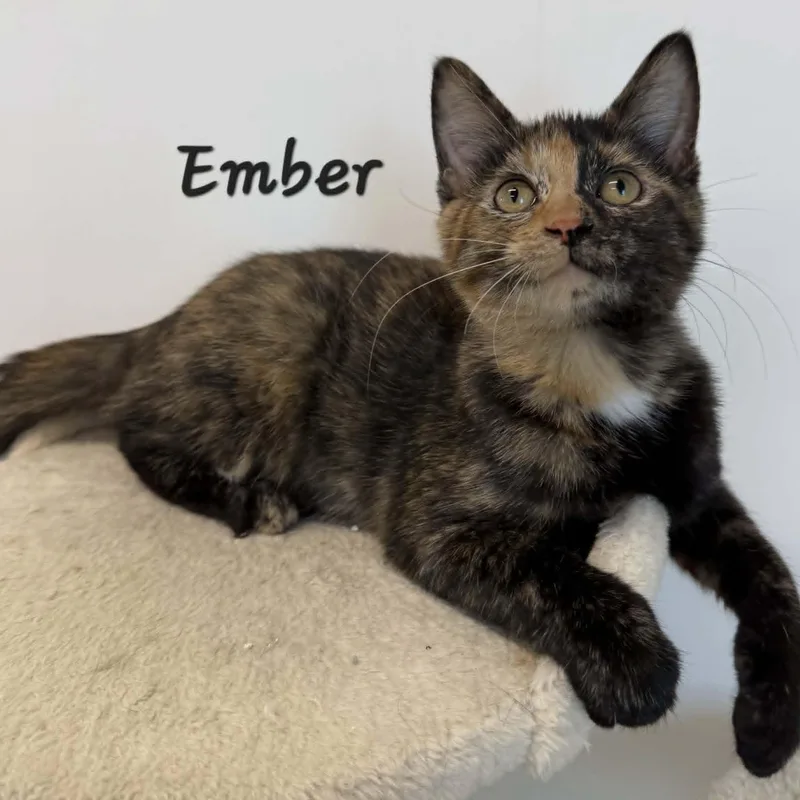
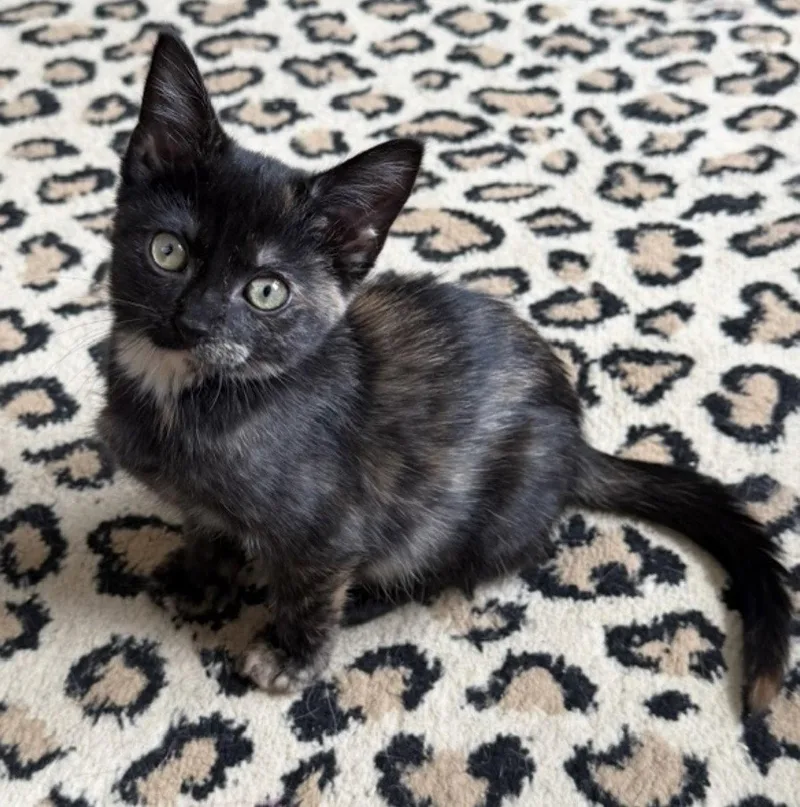
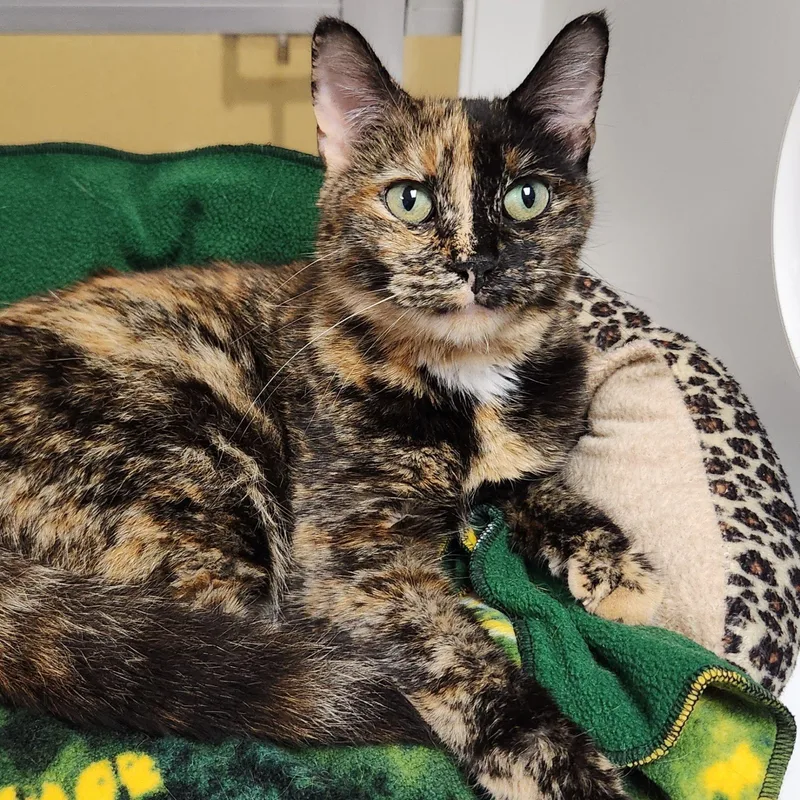
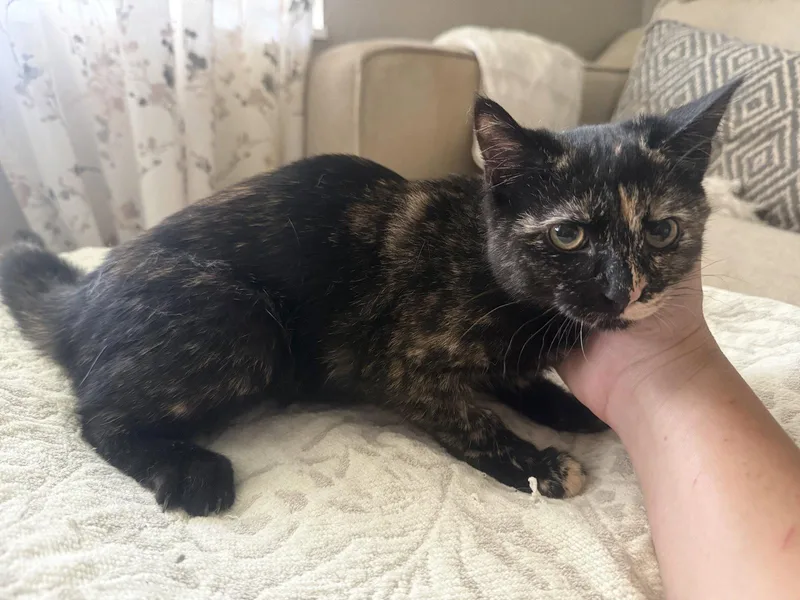
Tortoiseshell isn't a breed but a coat pattern: black-based and orange-based colors mixed in patches or a fine mottle, usually with little or no white. Cats with large white areas are calicos, dilute torties show soft gray and cream, and torbies add tabby stripes. Nearly all are female, because the orange gene sits on the X chromosome.

Most torties adopters meet are domestic shorthairs, though the pattern also turns up in Persians, Maine Coons and many other breeds. Coat color doesn't set personality or needs; a cat's age, history and socialization matter far more. In Santa Rosa, that means judging a tortie like any cat: her energy, her comfort with handling, and how she copes with the noise and space in your home.

Weight
6–14 lbs
Height
8–10 in
Lifespan
12–18 yrs
Temperament
Independent, Affectionate, Playful
Shedding
Moderate

Owning a Tortoiseshell in Santa Rosa

Having a Tortoiseshell in Santa Rosa

Because tortoiseshell describes a coat, not a breed, a tortie's traits depend on ancestry, age and upbringing. These cards cover what's typical for the mostly domestic shorthair torties found in Santa Rosa homes, with local points added where they matter.

Temperament

Torties have a reputation for "tortitude," but the evidence is thin and rests mostly on owner impressions. Expect a range from shy to bold. For Santa Rosa apartments and houses, what matters is how a cat handles noise, visitors and time alone, so watch her behavior in person rather than reading it from her color.

Exercise Needs

Plan on daily interactive play with wand toys, chase games and puzzle feeders, with gentler sessions for seniors. Window perches and cat trees help indoor cats burn energy. If a tortie enjoys a harness, a quiet evening walk in a fenced yard works, but supervised indoor play or a secure enclosure does the job too.

Health Considerations

The coat pattern itself carries no known health risk in females; the rare males often have an extra X chromosome and may face added issues. Otherwise health follows age and ancestry. Ticks are a known risk for pets that go outdoors in Sonoma County, so ask a veterinarian about parasite prevention, dental care and a healthy weight.

Living Space

Torties do well in apartments and houses alike, and Santa Rosa has plenty of both. A cat tree, scratching post and window perch matter more than square footage. Keeping a cat indoors also avoids dry-grass foxtails and traffic, and it makes a wildfire evacuation far simpler, since an indoor cat is easy to find and carry.

What it costs to own a Tortoiseshell in Santa Rosa

ExpenseTypical costPer year
Food$25 to $50 per month$300 to $600
Pet insurance$20 to $45 per month$240 to $540
Routine vet care$150 to $350 per year$150 to $350
Other*$450 to $1,150 per year$450 to $1,150
Estimated yearly total (after year one)$1,140 to $2,640

Other costs are estimates and vary with size, age and health.

* Litter, flea and tick prevention, a yearly dental cleaning allowance, toys and supplies, and home grooming.

Adopt a Tortoiseshell in Santa Rosa.

Now that you know more, let’s find you a new best friend. These rescues and shelters below currently have Tortoiseshells available.

Rescues in Santa Rosa with Tortoiseshells Available

Santa Rosa cats find homes through the county shelter on Century Court and local nonprofit groups. Here are the rescues & shelters in the Santa Rosa area where you can find Tortoiseshells and other cats available for adoption.

Frequently Asked Questions

Yes. No known Santa Rosa rule limits cats by breed or coat color, and cat licensing is voluntary. Sonoma County does require cats to have a rabies vaccination, and a microchip with current contact details helps a lost cat get home. Renters should confirm pet terms in their lease before adopting.

Yes, most Tortoiseshells do well in apartments when they get daily play, climbing and scratching options. For renters, California caps most security deposits at one month's rent since July 2024, and that includes any pet deposit. Ask about monthly pet rent separately, and get permission in writing.

Yes, as long as the cat is in a carrier. Santa Rosa CityBus prohibits animals unless they're in a carrier designed for transport, and SMART trains require small pets to ride in a carrier on your lap or the floor, not on seats, tables or the aisle. Service animals are exempt.

Yes. Frost is rare, snow doesn't fall and nights stay cool even in summer, so most Tortoiseshells are comfortable indoors year-round. The local risks are hot spells in September and wildfire season. A tortie who's used to her carrier and wears a current ID tag is much easier to evacuate if needed.

Most Tortoiseshells are shorthairs with moderate shedding, so a weekly brushing is usually enough; longhaired torties need it several times a week. Santa Rosa's long dry season brings foxtails and grass seeds, so check paws, ears and coat on any cat that goes outside, and look for ticks. Home grooming fits within the Other costs.

A tortoiseshell cat is a cat with a coat pattern of black-based and orange-based colors blended or patched together, usually with little or no white. It is not a breed; the pattern appears in many breeds and most often in domestic shorthairs. Nearly all tortoiseshells are female because the genes for orange and black are carried on the X chromosome.

Almost all tortoiseshell cats are female, but not all. A female has two X chromosomes and can carry both orange and black color genes, producing the mixed coat. Males normally have only one X. Rare male torties usually have an extra X chromosome or are genetic chimeras, and they are estimated at roughly 1 in 3,000 tortoiseshells.

No, tortoiseshell cats are not rare. They are common among domestic cats and are regularly found in shelters and rescues. What is rare is a male tortoiseshell, since the pattern almost always requires two X chromosomes. Certain variations, such as long-haired or dilute torties, are less common simply because they require additional recessive genes.

We have 1 rescue with Tortoiseshells available: SNAP Cats. You can see every rescue with Tortoiseshells available in the list above these questions, or scroll to the top to see the Tortoiseshells near Santa Rosa.

Plan on roughly $1,140 to $2,640 a year for a tortie in Santa Rosa, covering food, insurance, routine vet care and other costs such as litter and parasite prevention. Insurance is optional, which accounts for much of the spread. Emergencies and the adoption fee are separate, and the fee appears on each listing.

Explore Other Breeds in Santa Rosa

Looking for a different breed? Browse other cats available for adoption in Santa Rosa.