Tabby Cats for Adoption in Santa Cruz, CA

Your guide to finding and caring for a Tabby in Santa Cruz

Tabbies suit Santa Cruz rentals well, since most are happy indoors with a good window. A tabby can watch the Westside fog roll in from a perch in a small apartment, or follow the afternoon sun across a Branciforte living room. Tabby is only a coat pattern, so some are lap cats and others are busy climbers, and a daily game with a wand toy keeps either kind content. Whether you're on the Eastside or near University Terrace, a cat that's comfortable in modest space is a practical match.

7639 Tabbies available in Santa Cruz and nationwide

Find your Tabby

Tabbies Available for Adoption Near Santa Cruz

About the Tabby breed

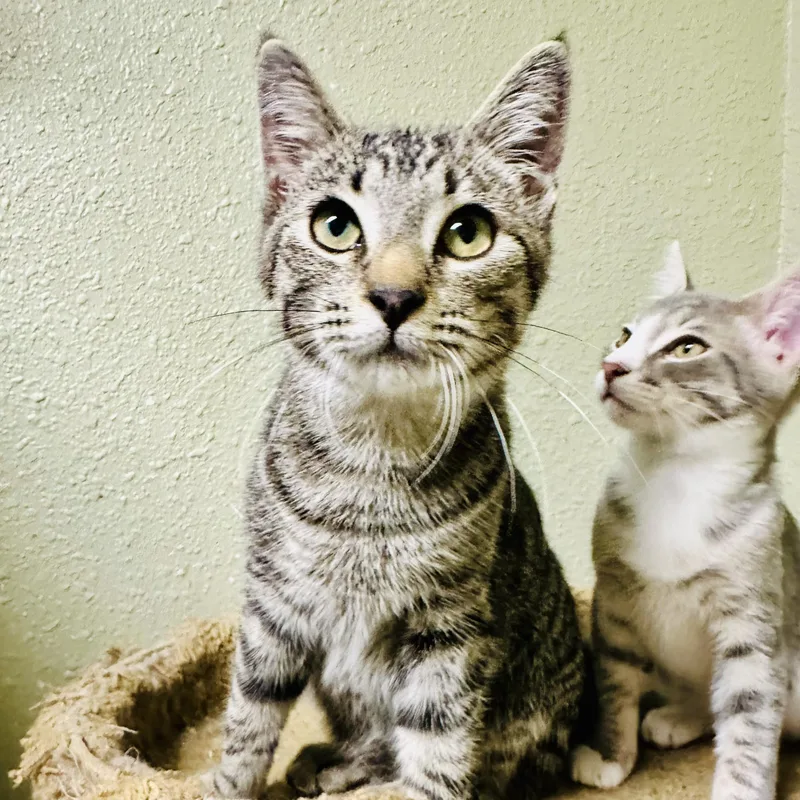
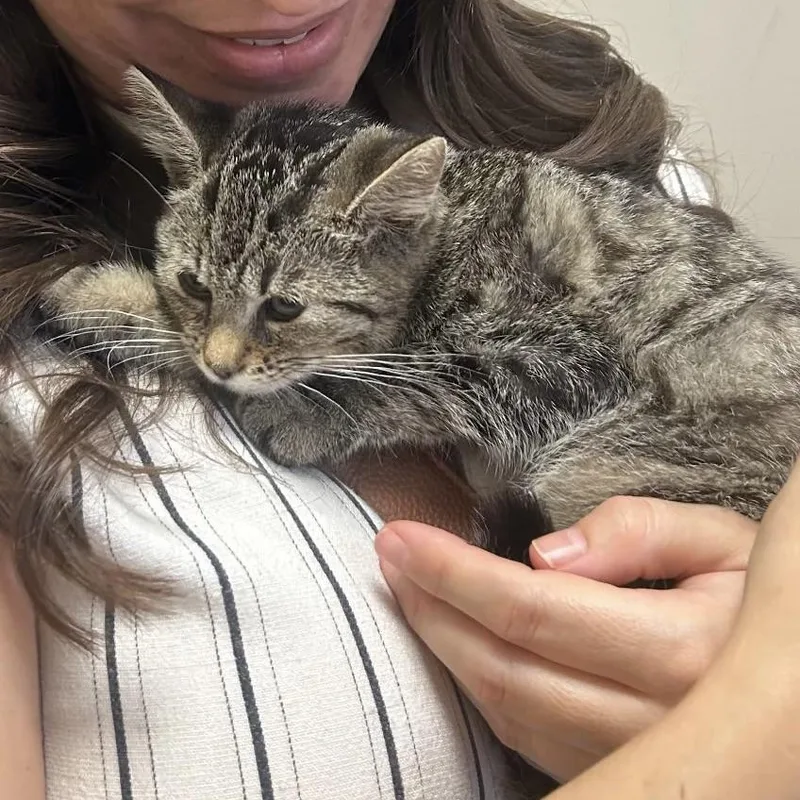
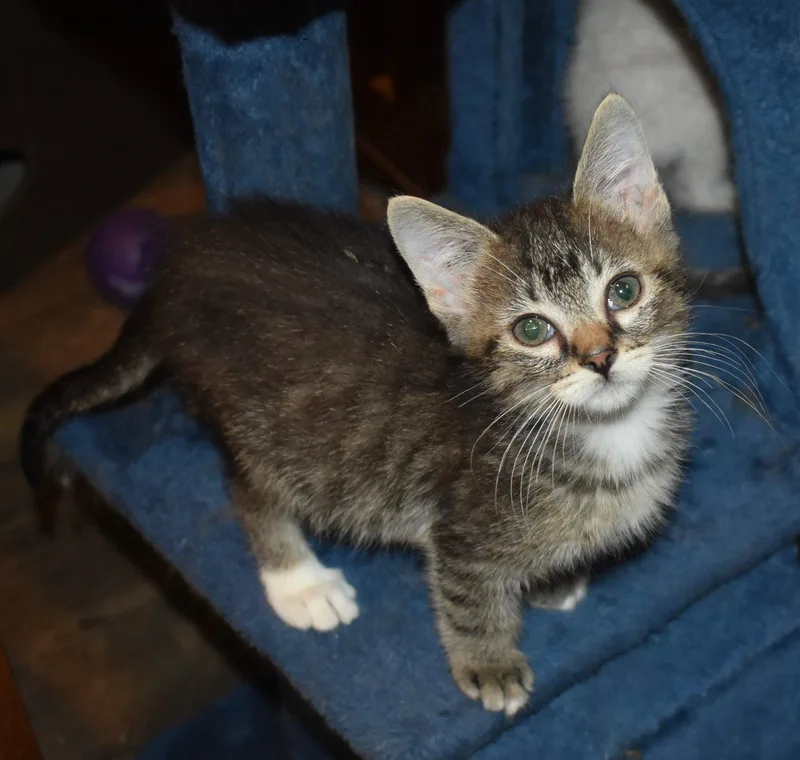
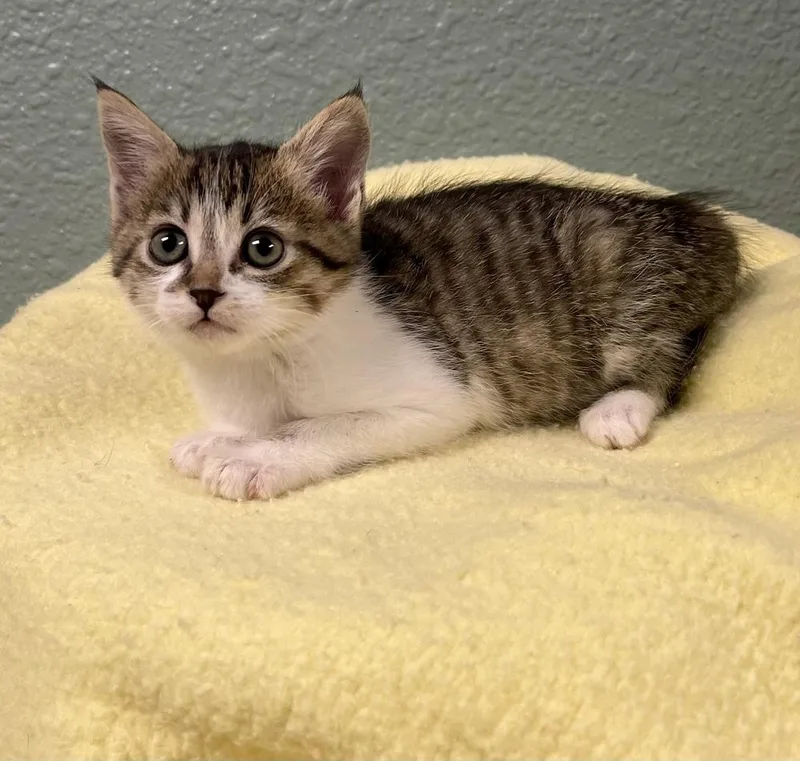
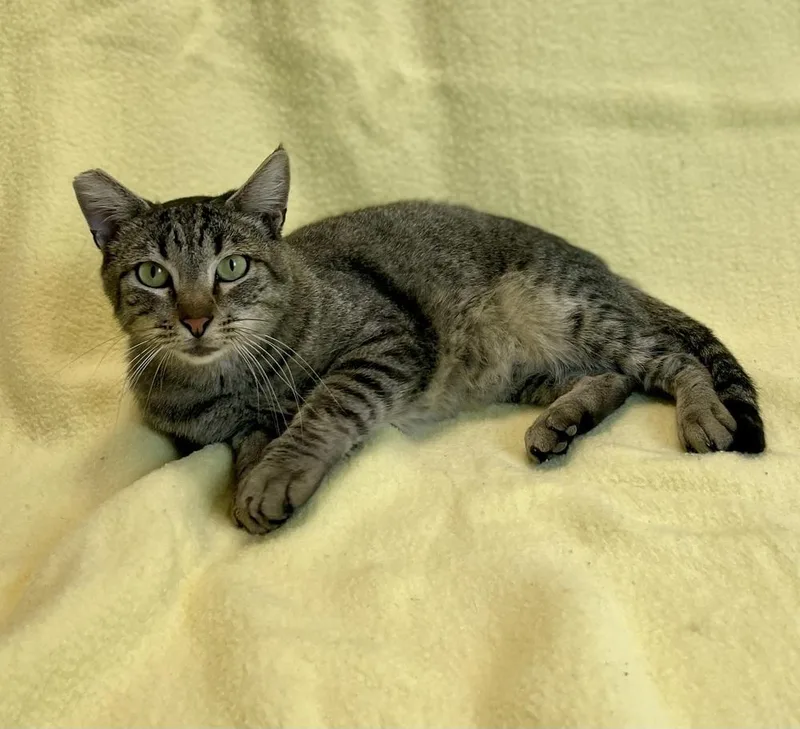
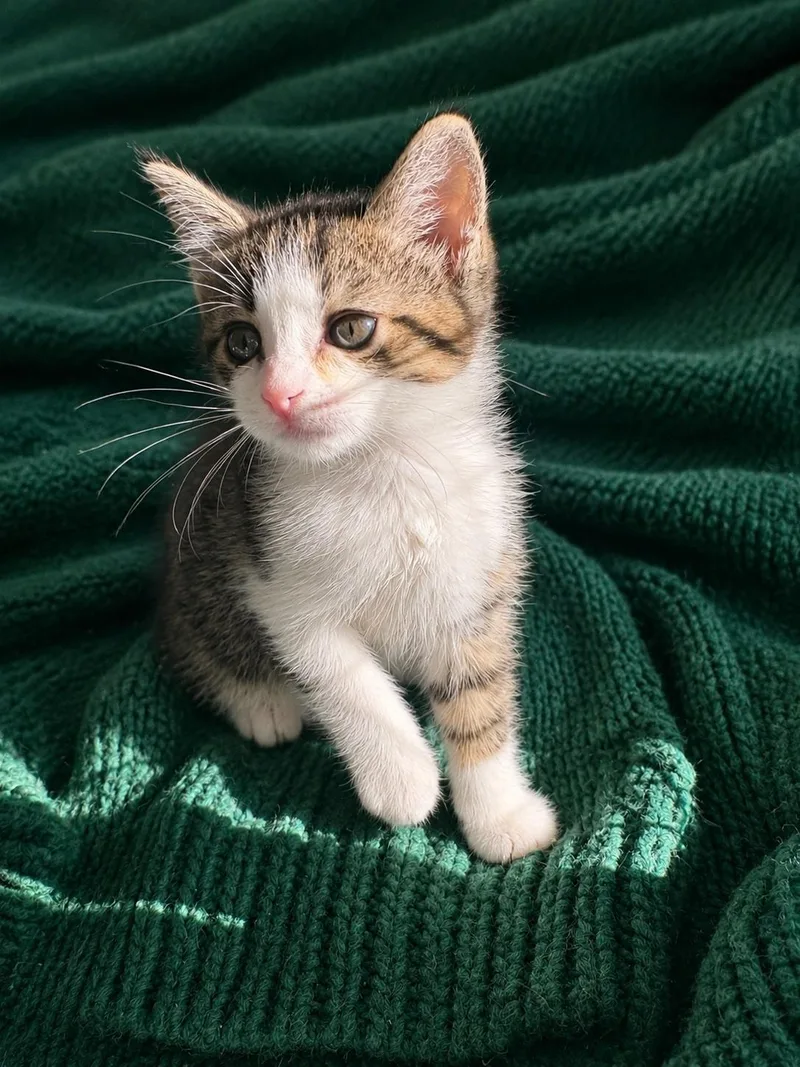
Tabby isn't a breed. It's a coat pattern, an M-shaped mark on the forehead with stripes, swirls or spots, found on domestic shorthairs, Maine Coons, American Shorthairs and plenty of mixes. Most tabbies waiting for homes are medium-sized domestic shorthairs weighing roughly 6 to 14 pounds, and many live 12 to 18 years, so adopting one is a long commitment.

In Santa Cruz, that means choosing a cat for its own personality rather than its stripes. Some are chatty window-watchers, others prefer a quiet corner. Moderate shedding is normal, so a weekly brush helps, and a microchip and a sturdy carrier are worth having from day one.

Weight
6–14 lbs
Height
8–10 in
Lifespan
12–18 yrs
Temperament
Curious, Adaptable, Affectionate
Shedding
Moderate

Owning a Tabby in Santa Cruz

Having a Tabby in Santa Cruz

Tabby describes a coat, not a cat type, so traits follow each cat's age, background and mix. In a Santa Cruz home, energy level, coat length and comfort with small spaces matter far more than the stripes.

Temperament

Tabbies run the full range from outgoing lap cats to shy or independent ones, since the pattern doesn't set personality. For Santa Cruz apartment life, look for a cat that stays relaxed around hallway noise and visitors, and spend time with it before deciding. Daily attention and play help most cats settle.
Exercise Needs

Plan on daily play that mimics hunting: wand toys, chasing and pouncing, in a few short sessions. Indoors, a climbing tree, scratchers and a window perch cover most needs. A perch facing a street or garden gives cats plenty to watch on foggy days, and some take to a harness for quiet backyard time.

Health Considerations

Coat pattern doesn't affect health; risks follow the cat's mix, age and lifestyle. Obesity, dental disease and urinary problems are common, and kidney disease and hyperthyroidism turn up in older cats. A vet can check a newly adopted tabby for fleas, ear mites and dental trouble, and annual exams keep weight in check.

Living Space

Tabbies generally do well in apartments and houses alike when they have somewhere to climb, scratch, hide and look outside. A tall cat tree by a window suits a small Santa Cruz rental, and keeping cats indoors protects them from traffic. Long-haired tabbies need more grooming space and time.

What it costs to own a Tabby in Santa Cruz

ExpenseTypical costPer year
Food$25 to $50 per month$300 to $600
Pet insurance$20 to $45 per month$240 to $540
Routine vet care$150 to $350 per year$150 to $350
Other*$450 to $1,150 per year$450 to $1,150
Estimated yearly total (after year one)$1,140 to $2,640

Other costs are estimates and vary with size, age and health.

* Litter, flea prevention, a dental cleaning allowance, toys, scratchers and bedding, and occasional grooming.

Adopt a Tabby in Santa Cruz.

Now that you know more, let’s find you a new best friend. These rescues and shelters below currently have Tabbies available.

Rescues in Santa Cruz with Tabbies Available

A county shelter and a nonprofit SPCA both serve Santa Cruz, placing cats of every coat, age and temperament. Here are the rescues & shelters in the Santa Cruz area where you can find Tabbies and other cats available for adoption.

Frequently Asked Questions

Yes, most tabbies do well in Santa Cruz apartments as long as they have a window perch, a cat tree, scratchers and a daily play session. Tabby is only a coat pattern, so energy varies; an active young cat needs more play than a mellow senior. Get your landlord's pet terms in writing before you adopt.

Yes. No known Santa Cruz rule restricts cats by breed or coat. The main local requirement is that cats over six months old be spayed or neutered unless the owner holds an unaltered animal certificate. Households in residential zones are also limited to six domestic animals, so count the pets you already have before adopting.

Yes, the mild climate suits tabbies well. Highs stay in the 60s and 70s year-round, nights are cool, and frost is rare. The main watch-outs are warm spells in September, when the city sees its few 90°F days, and wildfire smoke days, when cats should stay indoors. A shaded window and fresh water cover most needs.

A short-haired tabby needs a brush about once a week, and a long-haired one several times a week, since shedding is moderate all year. Santa Cruz's mild, damp climate doesn't change that much, though mats form faster when a long coat gets wet. Professional grooming is occasional and falls within the yearly Other costs on this page.

Santa Cruz METRO buses generally allow pets only inside a carrier designed for animals, while service animals are welcome. There's no subway or light rail in the city. Use a secure, ventilated carrier that fits on your lap, and look at METRO's current policy before your first trip, since rules can change.

Generally no. California's option for restaurants to allow pets on outdoor patios applies to dogs, not cats, and only service animals are allowed indoors. Most tabbies are happier at home, so plan restaurant outings without your cat and save carrier trips for vet visits.

A tabby cat is any cat with a tabby coat pattern, meaning stripes, swirls, spots or ticked hairs plus a distinctive M-shaped marking on the forehead. Tabby is not a breed. The pattern appears in domestic shorthairs and longhairs as well as many pedigreed breeds, such as the American Shorthair, Maine Coon and Abyssinian, and it is one of the most common cat patterns.

A tabby cat isn't any one breed, because tabby is a coat pattern. Cats with the pattern include shelter domestic shorthairs and longhairs as well as breeds such as the American Shorthair, Maine Coon, Bengal and Abyssinian. Most tabbies available for adoption are mixed-breed domestic cats, so browse the cats listed here and look at each one's age and personality.

We have 2 rescues with Tabbies available: Animal Shelter Relief Rescue and Four Paws to Love. You can see every rescue with Tabbies available in the list above these questions, or scroll to the top to see the Tabbies near Santa Cruz.

A tabby typically costs about $1,140 to $2,640 a year. Food runs $25 to $50 a month, insurance $20 to $45 a month, routine vet care $150 to $350 a year, and other costs such as litter, flea prevention, dental care and supplies $450 to $1,150 a year. Illness and emergencies cost extra.