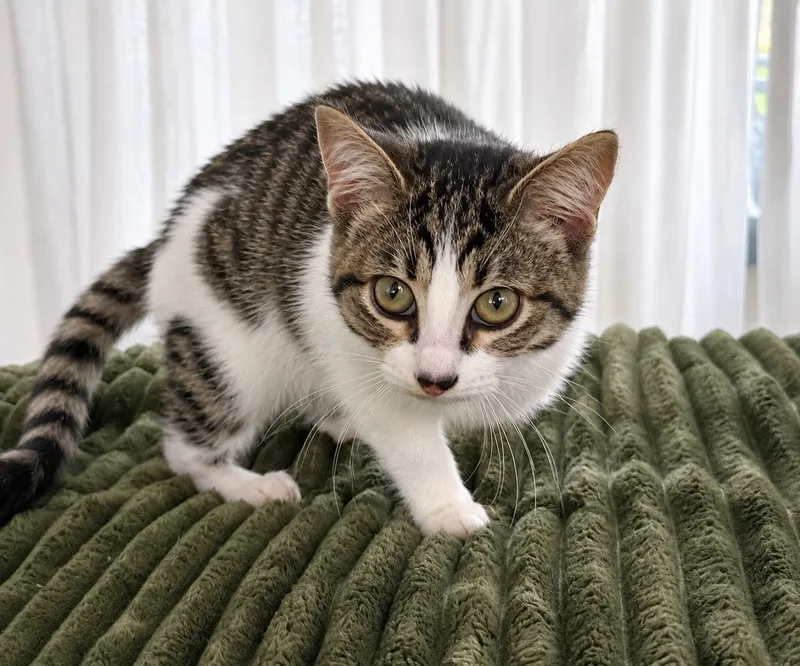
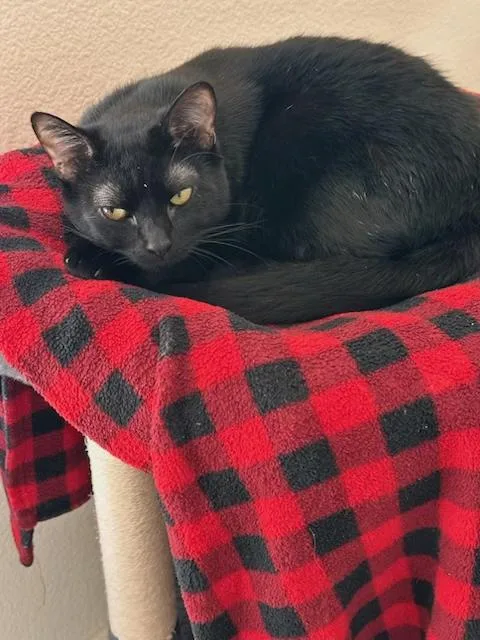
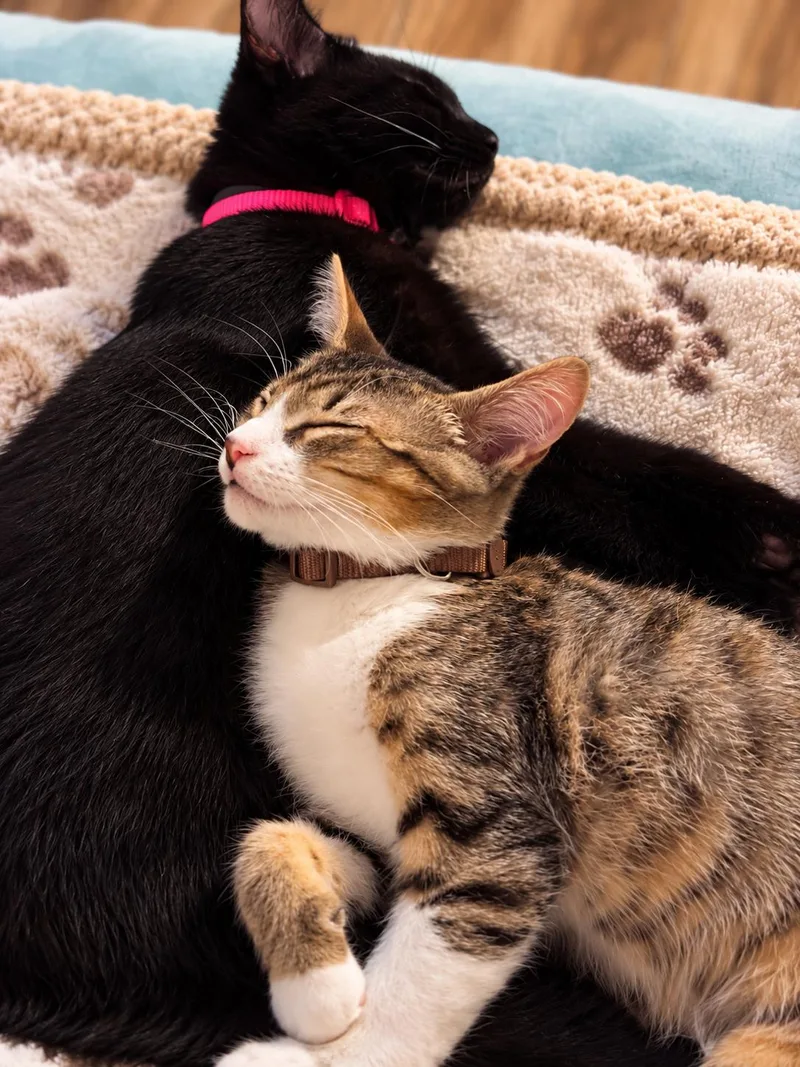
Dilute Tortoiseshell Cats for Adoption in Santa Cruz, CA

Your guide to finding and caring for a Dilute Tortoiseshell in Santa Cruz

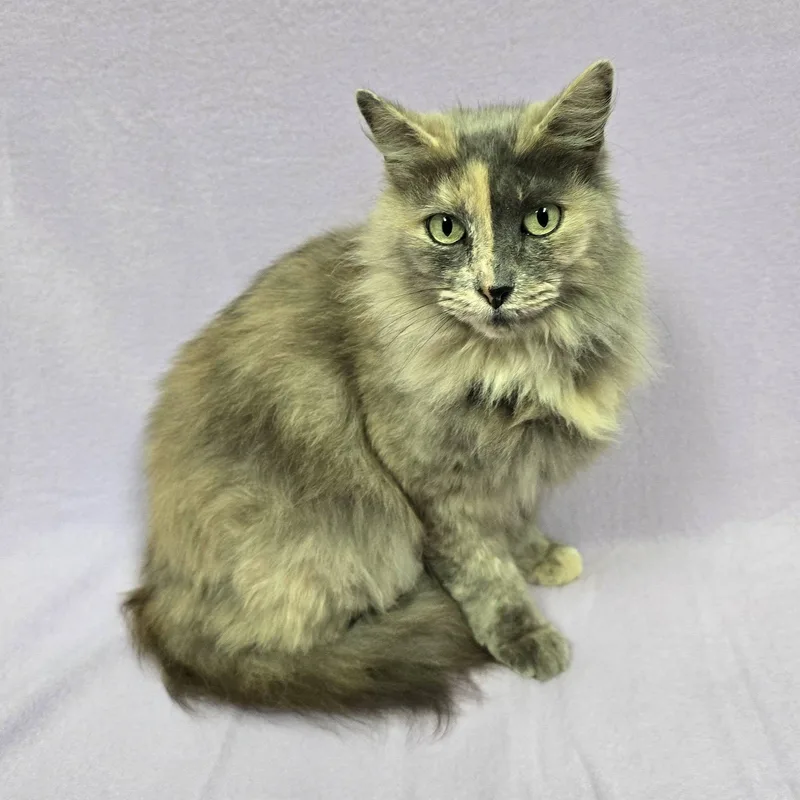
A dilute tortie suits Santa Cruz's rentals and cozy homes as well as any cat does. Whether it's an apartment near Beach Flats or a place up in Seabright, a blue-cream cat is happy with a window perch and a view of the street. Dilute tortoiseshell is a coat pattern, not a breed, so personalities run from shy to bold. You'll usually meet a female cat in soft gray and cream patches who wants daily play and a quiet spot to nap.

264 Dilute Tortoiseshells available in Santa Cruz and nationwide

Meet your next Dilute Tortie

Dilute Tortoiseshells Available for Adoption Near Santa Cruz

About the Dilute Tortoiseshell breed

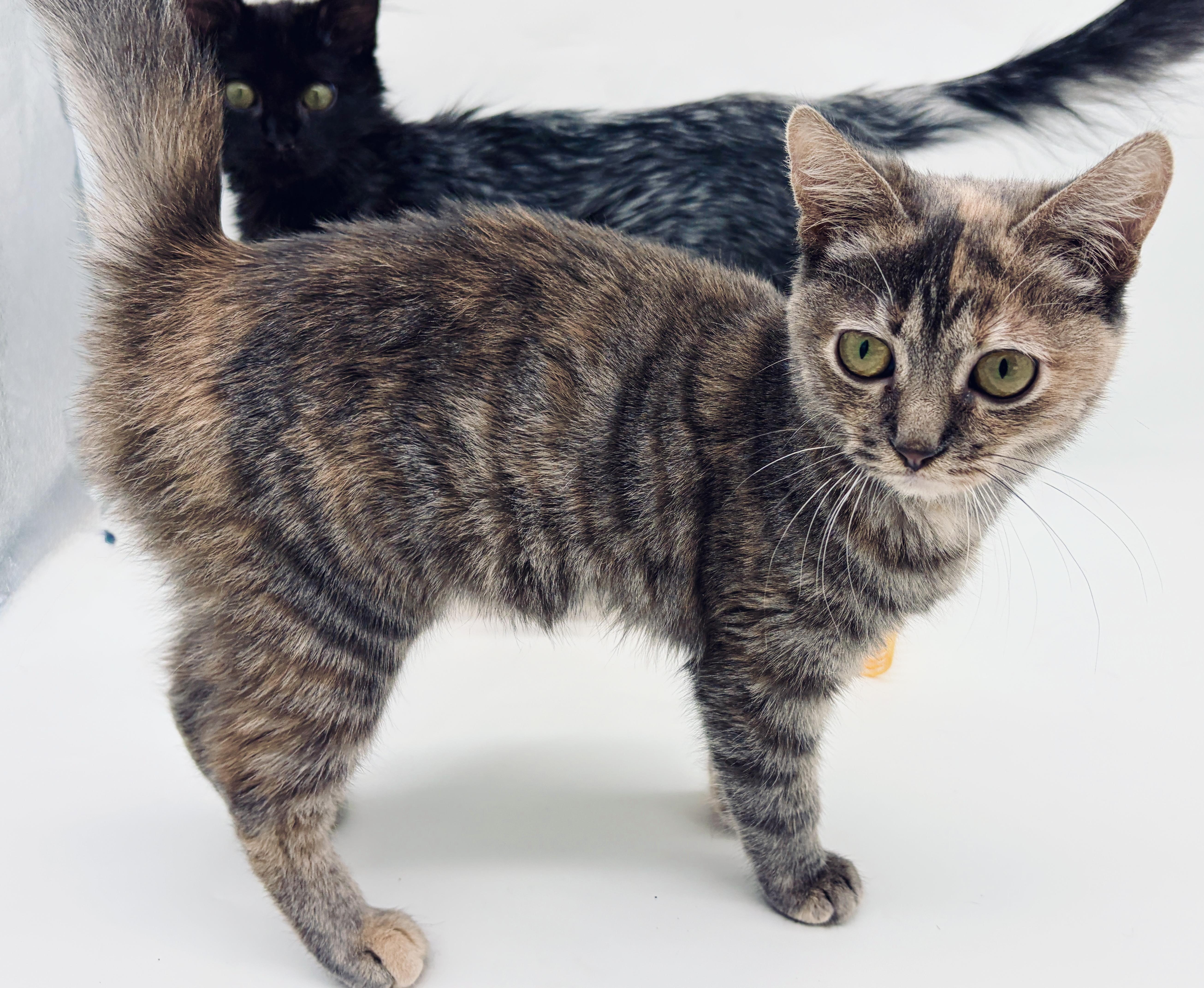
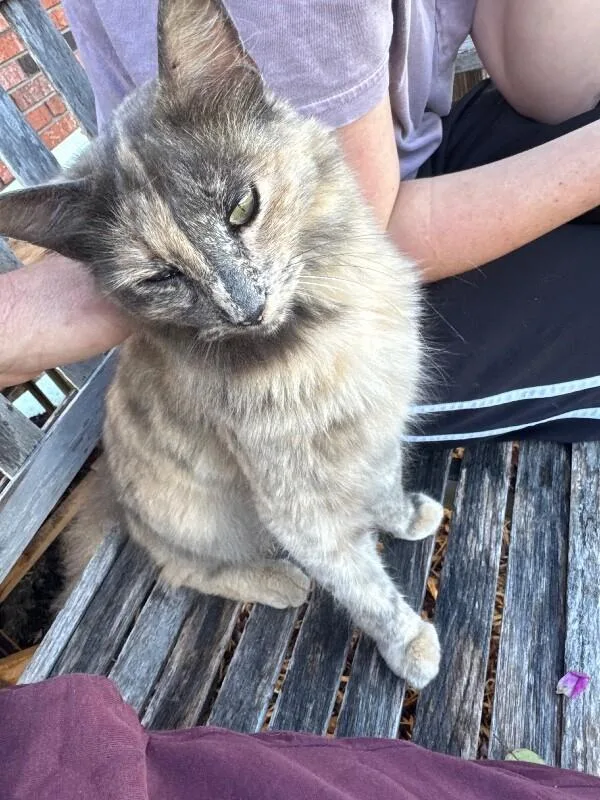
A dilute tortoiseshell is a coat pattern, not a breed. Instead of black and orange, the cat shows blue-gray and cream in patches or a fine marbled blend, often called blue-cream. The look comes from a recessive dilution gene plus the X chromosome, so nearly all dilute torties are female. Most are domestic shorthairs or longhairs, though the coloring also turns up in Persians, British Shorthairs and Maine Coons.

Because the pattern says little about personality, plan around the cat in front of you. Adults typically weigh 6 to 14 pounds and live 12 to 18 years, and shedding is moderate. In Santa Cruz, that means a long-term commitment, steady brushing and a home set up for an indoor cat, with perches, scratching posts and places to hide.

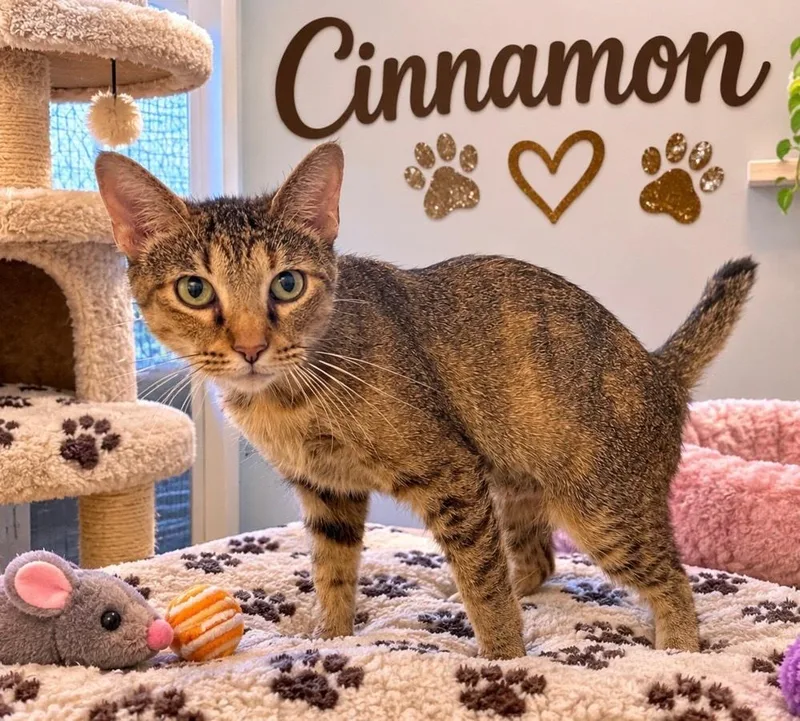
Weight
6–14 lbs
Height
8–10 in
Lifespan
12–18 yrs
Temperament
Affectionate, Independent, Curious
Shedding
Moderate

Owning a Dilute Tortoiseshell in Santa Cruz

Having a Dilute Tortoiseshell in Santa Cruz

Dilute tortoiseshell describes color, so a cat's traits come mostly from age, background and mix of ancestry. These cards cover what most adopters find in domestic cats with this coat, and what it means for living in Santa Cruz.

Temperament

Folklore says torties have "tortitude," but there's no solid evidence that coat color shapes personality. Dilute torties can be shy, chatty, cuddly or independent. In a Santa Cruz apartment, a confident cat may enjoy a busy household, while a timid one often does better with quiet routines and a spot to retreat.

Exercise Needs

Most indoor cats do well with two short play sessions a day using wand toys or balls, plus puzzle feeders and climbing spots. Kittens and young adults need the most activity, and seniors prefer gentler games. A sturdy window perch lets a cat watch Santa Cruz's birds and neighbors between play sessions.

Health Considerations

The dilute tortie pattern carries no known health risk for female cats. The rare males are usually XXY and sterile, and may have added concerns. For every cat, routine checkups, dental care and a healthy weight matter most. A veterinarian can check a newly adopted cat's teeth, weight and parasites, and set up vaccines and prevention.

Living Space

Dilute torties adapt to apartments and houses alike, since needs depend on the cat's age and temperament. Santa Cruz has many rentals, and a cat does fine in a small one with vertical space, a scratching post and a hiding spot. Long-haired cats also need a regular brushing routine.

What it costs to own a Dilute Tortoiseshell in Santa Cruz

ExpenseTypical costPer year
Food$25 to $50 per month$300 to $600
Pet insurance$20 to $45 per month$240 to $540
Routine vet care$150 to $350 per year$150 to $350
Other*$450 to $1,150 per year$450 to $1,150
Estimated yearly total (after year one)$1,140 to $2,640

Other costs are estimates and vary with size, age and health.

* Litter, flea and parasite prevention, a dental cleaning allowance, toys and supplies, and light home grooming.

Adopt a Dilute Tortoiseshell in Santa Cruz.

Now that you know more, let’s find you a new best friend. These rescues and shelters below currently have Dilute Tortoiseshells available.

Rescues in Santa Cruz with Dilute Tortoiseshells Available

Santa Cruz County's public shelter and private nonprofit rescues care for cats and kittens, including many tortoiseshell and dilute tortie mixes. Here are the rescues & shelters in the Santa Cruz area where you can find Dilute Tortoiseshells and other cats available for adoption.

Frequently Asked Questions

Yes, nothing in Santa Cruz restricts cats by coat color or breed, and California bars breed-based dangerous-animal labels. The main local rule is that cats over six months old must be spayed or neutered unless the owner holds an unaltered-animal certificate. Pets adopted through local shelters are typically already altered and microchipped.

Yes, a Dilute Tortoiseshell can do well in a Santa Cruz apartment, since a cat's needs depend on age and temperament rather than coat. Provide a window perch, scratching posts, daily play and a hiding spot. With roughly half of local households renting, confirm the lease's pet terms and any deposit before you adopt.

Yes, Santa Cruz's mild climate suits indoor Dilute Tortoiseshells. Winter highs are in the low 60s, summer highs near 75°F, and snow never falls. The occasional warm spell in September is the main heat risk, so provide shade and water. Keep a carrier ready in case of wildfire smoke or evacuation.

Santa Cruz has METRO buses rather than a subway, and pets are generally allowed aboard only inside a carrier designed for transporting animals. A sturdy, ventilated carrier that fits on your lap or under a seat is the safest bet. Check current METRO rules before riding, and practice carrier training at home first.

Short-haired Dilute Tortoiseshells need a brush about once a week, while long-haired cats do better with brushing several times a week to prevent mats. Santa Cruz's mild, damp climate doesn't change much, though shedding can rise in spring. Home grooming is covered in the Other costs, so professional grooming is rarely needed.

Often, yes, especially for renters and small households. Santa Cruz's mild weather suits indoor cats, and a Dilute Tortoiseshell can be happy in a small home with perches and daily play. Because personalities vary widely, look at each cat's behavior on its listing, and plan for fireworks nights, when many cats hide.

A tortoiseshell cat is a cat with a coat pattern, not a breed, that mixes black-based and orange-based colors in patches or a mottled blend with little or no white. The dilute version shows blue-gray and cream instead. The pattern appears in domestic shorthairs and many purebreds, and because of its genetics nearly all tortoiseshells are female.

Almost all tortoiseshell cats are female, but not every single one. The orange and black color genes sit on the X chromosome, and a cat needs two X chromosomes to show both colors together. Females have two, so they can be torties. A tortoiseshell male is possible only through rare genetic exceptions, such as carrying an extra X chromosome.

We have 1 rescue with Dilute Tortoiseshells available: Animal Shelter Relief Rescue. You can see every rescue with Dilute Tortoiseshells available in the list above these questions, or scroll to the top to see the Dilute Tortoiseshells near Santa Cruz.

A dilute tortie typically costs about $1,140 to $2,640 a year. That covers food at $25 to $50 a month, insurance at $20 to $45 a month, routine vet care at $150 to $350 a year, and other costs of $450 to $1,150 a year. Adoption fees are shown on the listings.