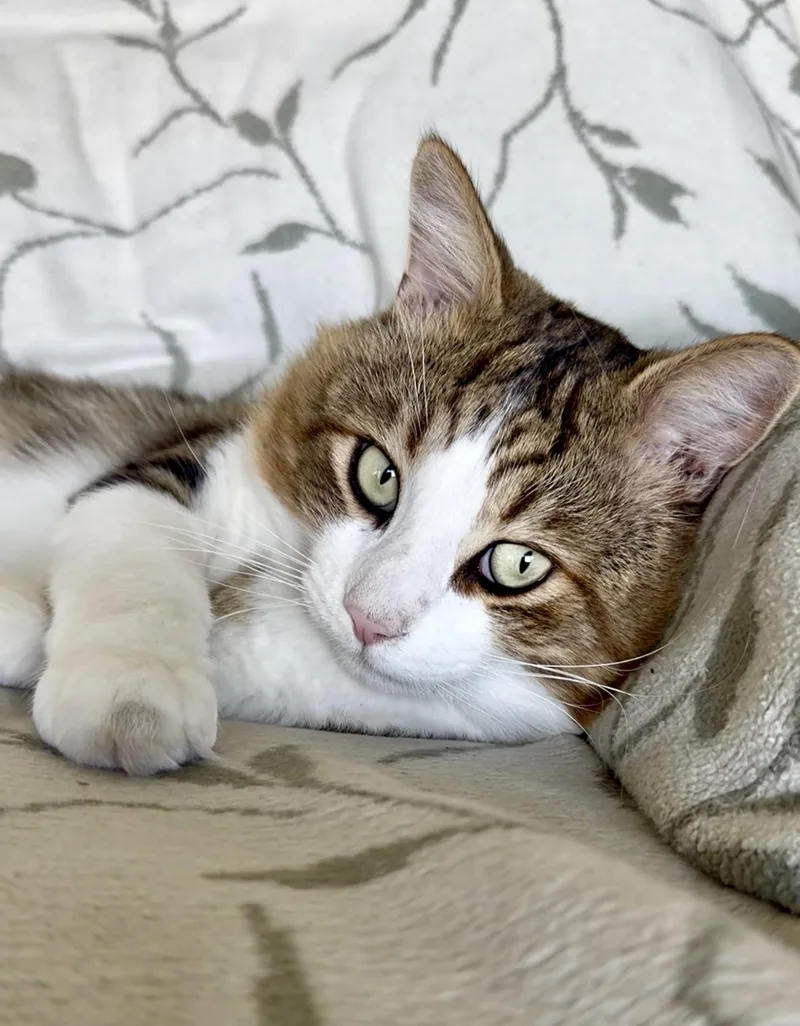
Calico Cats for Adoption in San Rafael, CA

Your guide to finding and caring for a Calico in San Rafael

1200 Calicos available in San Rafael and nationwide

Bring home a Calico

Calicos Available for Adoption Near San Rafael

About the Calico breed

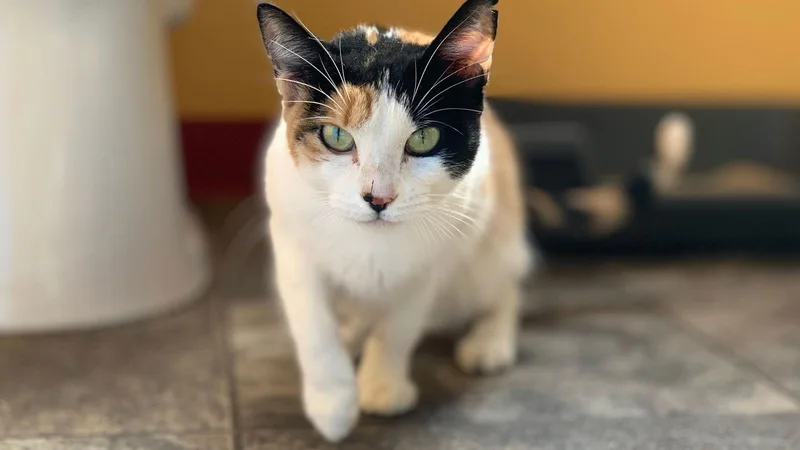
Calico is a coat pattern, not a breed. A calico cat has three colors, white plus patches of black and orange, or soft gray and cream in the dilute version, and the pattern turns up in domestic shorthairs and longhairs as well as many pedigreed breeds. Because the orange and black color gene sits on the X chromosome, nearly every calico is female; the rare males usually carry an extra X chromosome and are typically sterile.

Most calicos waiting in shelters are domestic shorthairs, so their size, coat and health follow ordinary house cats rather than any single breed. Folklore credits calicos with sass and good luck, but research has not shown that coat color predicts personality. Meeting the individual cat, and seeing how it behaves with people and other pets, tells adopters far more than its patches ever will.

Weight
6–12 lbs
Height
8–10 in
Lifespan
12–18 yrs
Temperament
Adaptable, Affectionate, Independent
Shedding
Moderate

Owning a Calico in San Rafael

Having a Calico in San Rafael

Since calico describes a coat rather than a breed, a calico's traits come from her underlying ancestry, upbringing and age. Understanding the range adopters meet, from easygoing domestic shorthairs to fluffy longhaired mixes, helps set realistic expectations about personality, grooming and care.

Temperament

Calicos can be anything from shy and gentle to bold and talkative, because personality follows each cat's genes and experiences rather than her colors. Owners sometimes describe them as feisty, a reputation called tortitude, but studies have not confirmed a reliable link. Spending time with a particular cat is the best guide.

Exercise Needs

Most calicos have the moderate energy of typical domestic cats: bursts of chasing and pouncing followed by long naps. Two or three short play sessions a day with wand toys, balls or food puzzles keep them fit and mentally engaged. Young cats usually need more play than seniors, and longhaired or heavier mixes may prefer gentler games.

Health Considerations

Coat color itself does not cause health problems in female calicos, so their care mirrors that of any domestic cat: vaccines, dental care, weight control and regular checkups. The rare male calico with an extra X chromosome can face added issues, including sterility and metabolic or urinary concerns. Pedigreed calicos also carry their breed's own inherited risks.

Living Space

A typical calico adapts well to an apartment or a house when she has scratching posts, a perch to watch from, hiding spots and regular play. Shy cats appreciate a quiet room to settle in at first. Indoor living, with supervised outdoor time in a catio or on a harness, keeps her safest.

What it costs to own a Calico

ExpenseTypical costPer year
Food$25 to $50 per month$300 to $600
Pet insurance$20 to $45 per month$240 to $540
Routine vet care$150 to $350 per year$150 to $350
Other*$450 to $1,150 per year$450 to $1,150
Estimated yearly total (after year one)$1,140 to $2,640

Other costs are national averages for Calicos; we don't have costs specific to San Rafael yet.

* Litter, flea prevention, a dental cleaning allowance, toys and supplies, and home brushing; costs vary with the individual cat's size and coat.

Adopt a Calico in San Rafael.

Now that you know more, let’s find you a new best friend. These rescues and shelters below currently have Calicos available.

Rescues in San Rafael with Calicos Available

Here are the rescues & shelters in the San Rafael area where you can find Calicos and other cats available for adoption.

Frequently Asked Questions

Almost all calico cats are female, but not every single one. The genes for orange and black coat color sit on the X chromosome, so a cat normally needs two X chromosomes to show both colors at once. Roughly 1 in 3,000 calicos is male, usually because of an extra X chromosome, a genetic quirk rather than a separate type.

A calico cat is any cat with a three-color coat of white plus distinct patches of black and orange, or gray and cream in dilute calicos. Calico is a coat pattern rather than a breed, so it appears in domestic shorthairs, longhairs and many pedigreed breeds. Nearly all calicos are female because of how coat color genes are inherited.

Yes, calico cats can be male, but it is very rare. A male calico usually has XXY chromosomes instead of the typical XY, a condition similar to Klinefelter syndrome in people, or is a chimera formed from two embryos. These males are almost always sterile and may have extra health needs, so regular veterinary care is especially worthwhile.

Calico cats are not rare in general; they are a common sight in shelters and homes because the pattern appears in ordinary domestic cats. What is rare is a male calico, with only about 1 in 3,000 calicos being male. Calicos of uncommon breeds or with long coats may simply take longer to find in adoption listings.

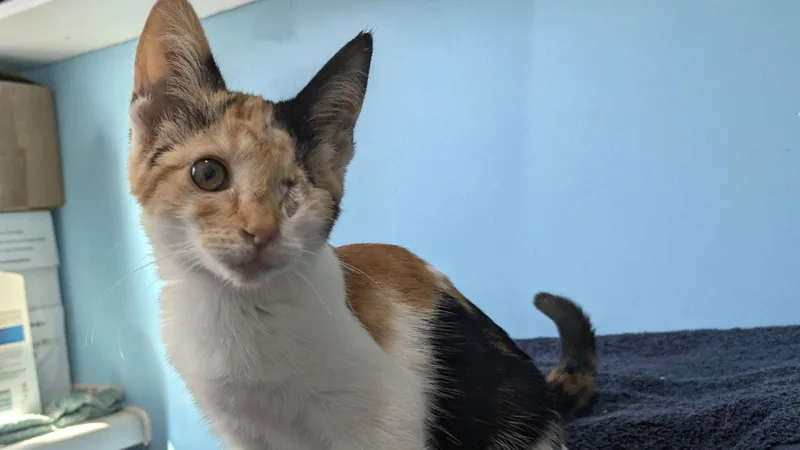
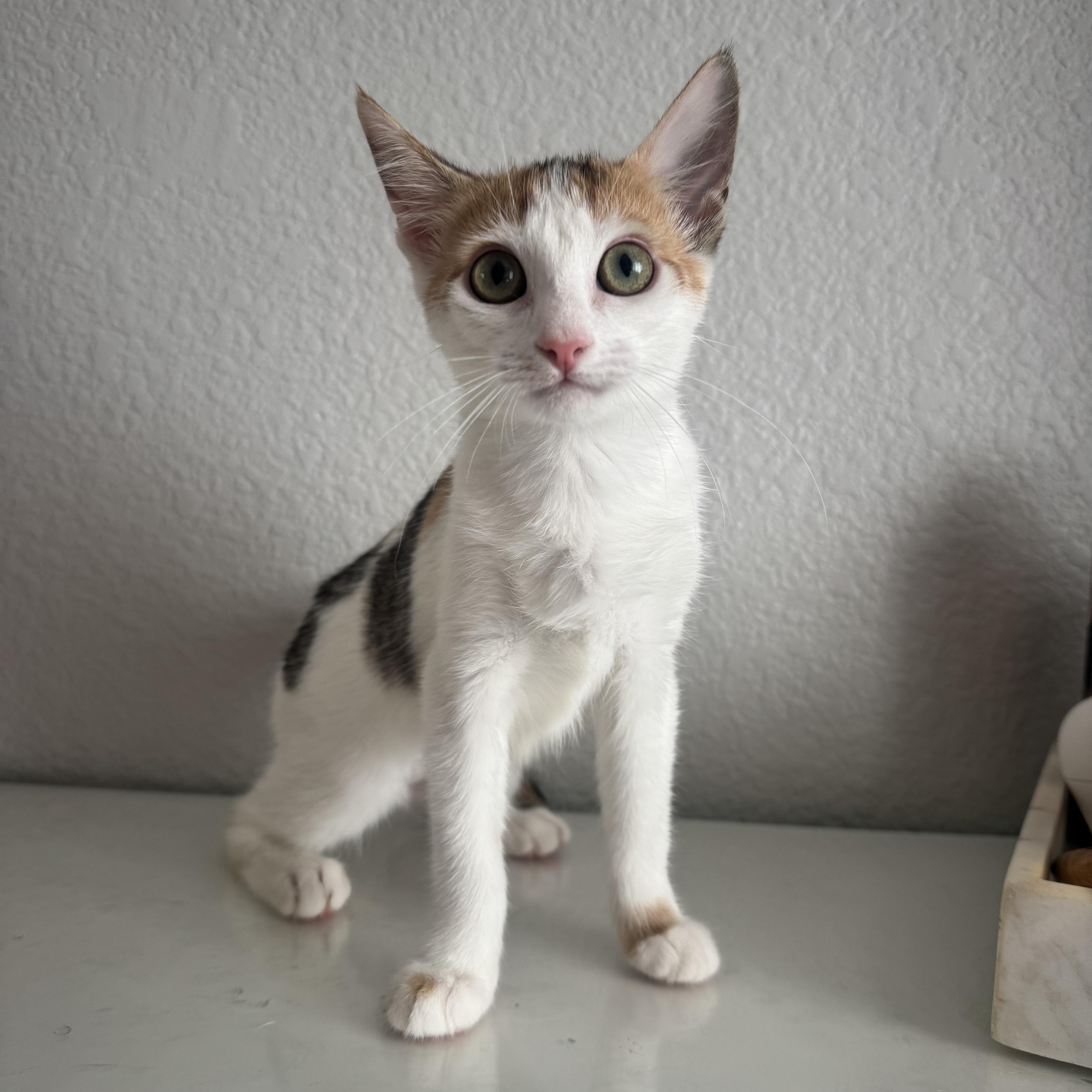
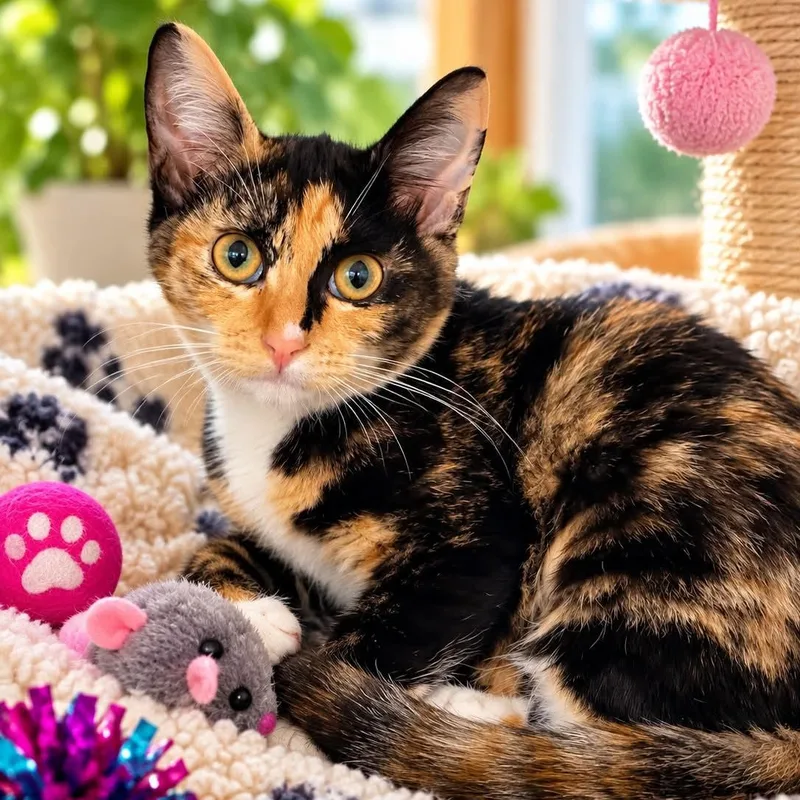
A calico cat has a coat made of white plus clearly separated patches of black and orange. White often covers the chest, belly, legs and face, while the colored patches sit on the back, head and tail. Dilute calicos show softer gray and cream patches, and some calicos have tabby stripes within their colored areas.

Male calico cats are very rare, with estimates of about 1 in 3,000 calicos being male. Because orange and black coat genes ride on the X chromosome, a male needs an unusual chromosome makeup, usually XXY, to show both colors. Most such males are sterile. Some shelters see only a handful over many years, which is why they attract attention.

A cat is a calico when her coat combines white with patches of both black-based and orange-based colors. The two colors come from different versions of a gene on the X chromosome, and early in development each cell randomly switches off one X, creating patches. A separate white spotting gene adds the white areas that make the patches large and distinct.

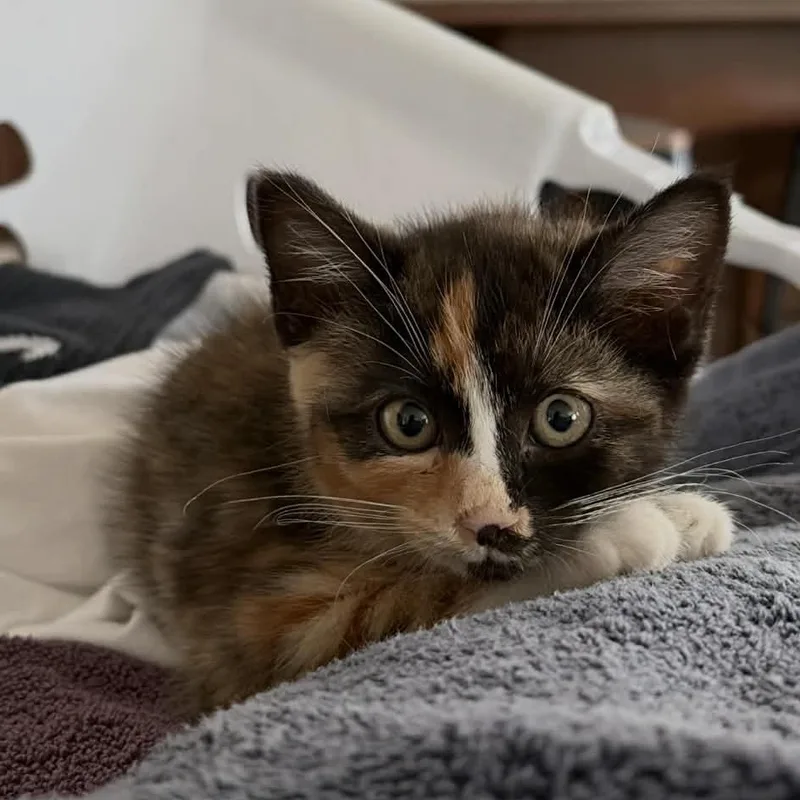
A calico kitten looks like a small version of an adult calico, with white plus patches of black and orange, or gray and cream if dilute. The colors can look softer at first and orange areas may show faint stripes. Like all kittens, she has blue eyes that start changing at around six to eight weeks old.

Calico cats come from everywhere domestic cats live, because the pattern is a genetic coat color rather than a breed with a single homeland. The orange gene behind it is thought to have spread along ancient trade routes, and today calicos appear worldwide. Some cultures prize them as lucky, including Japan, where maneki-neko figurines are often calico.

We have 1 rescue with Calicos available: Natalie’s Cat Rescue. You can see every rescue with Calicos available in the list above these questions, or scroll to the top to see the Calicos near San Rafael.

Explore Other Breeds in San Rafael

Looking for a different breed? Browse other cats available for adoption in San Rafael.