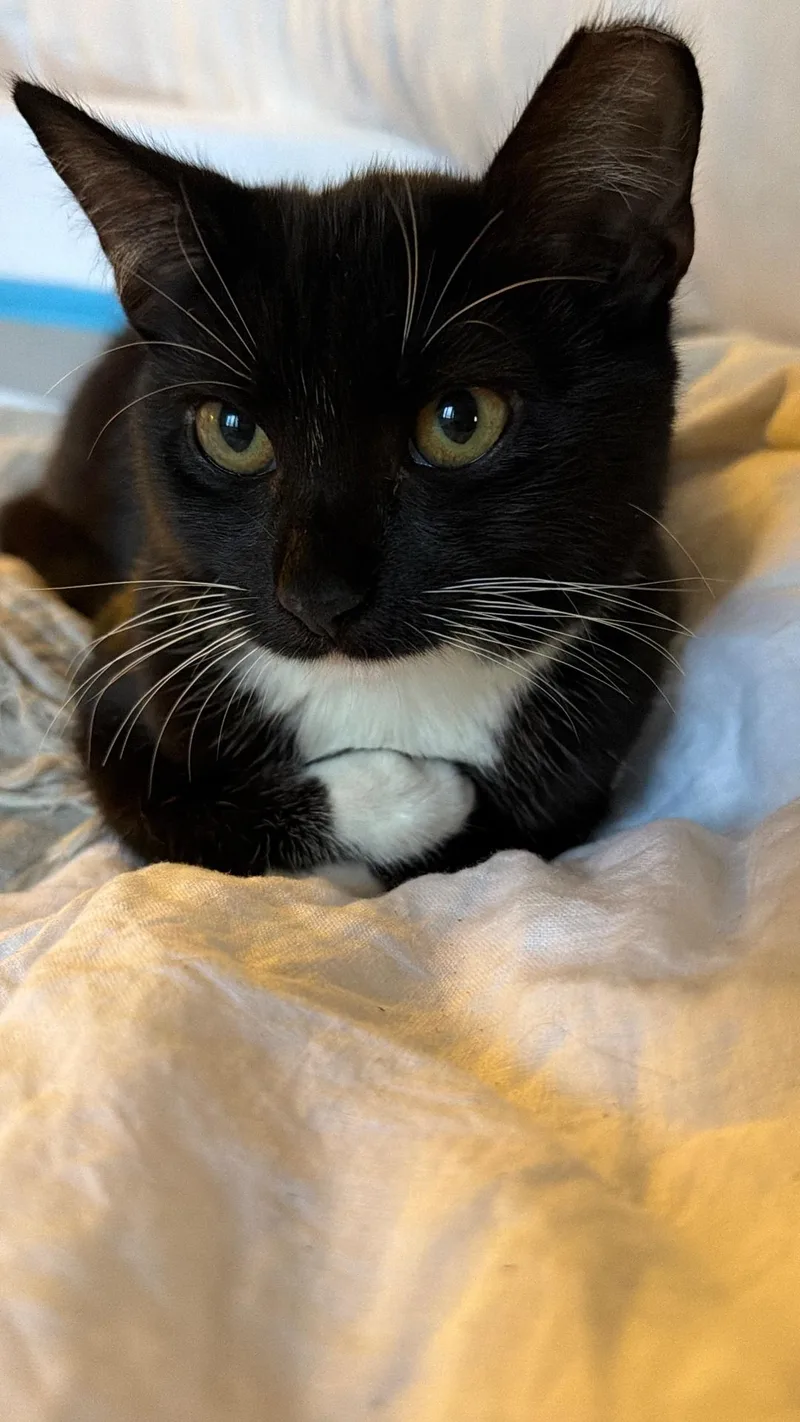
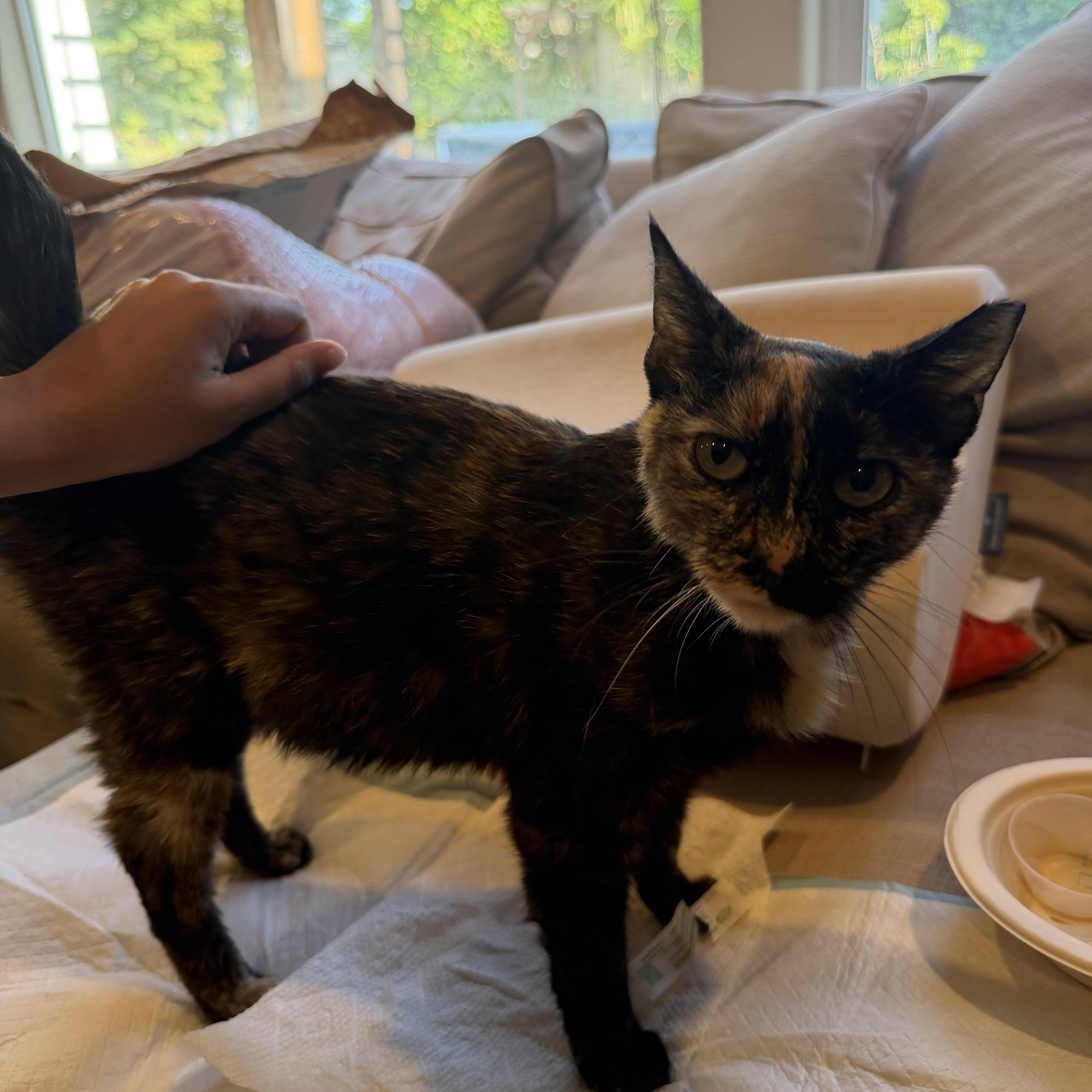
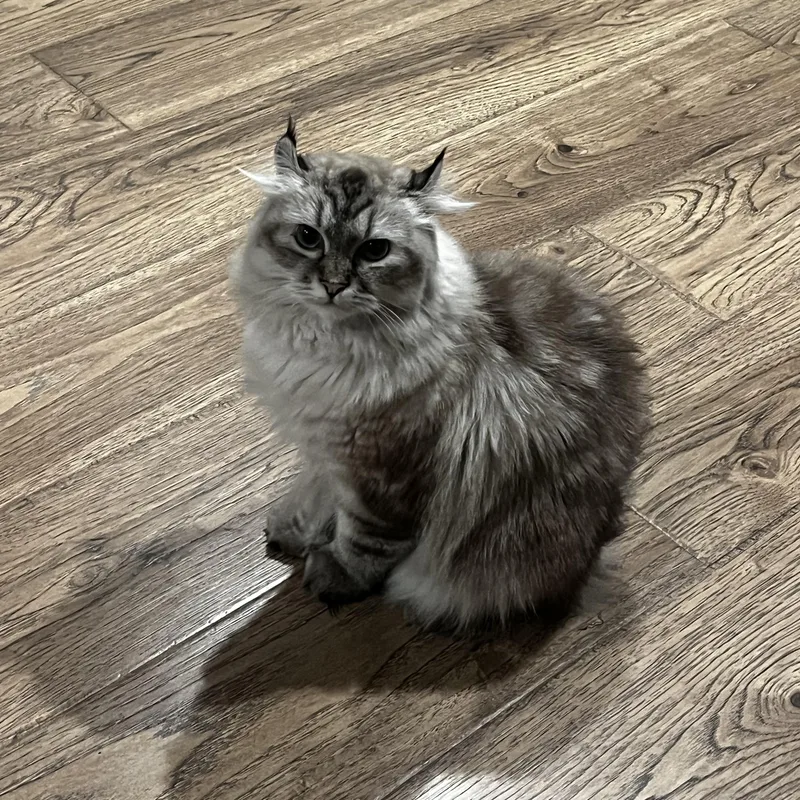
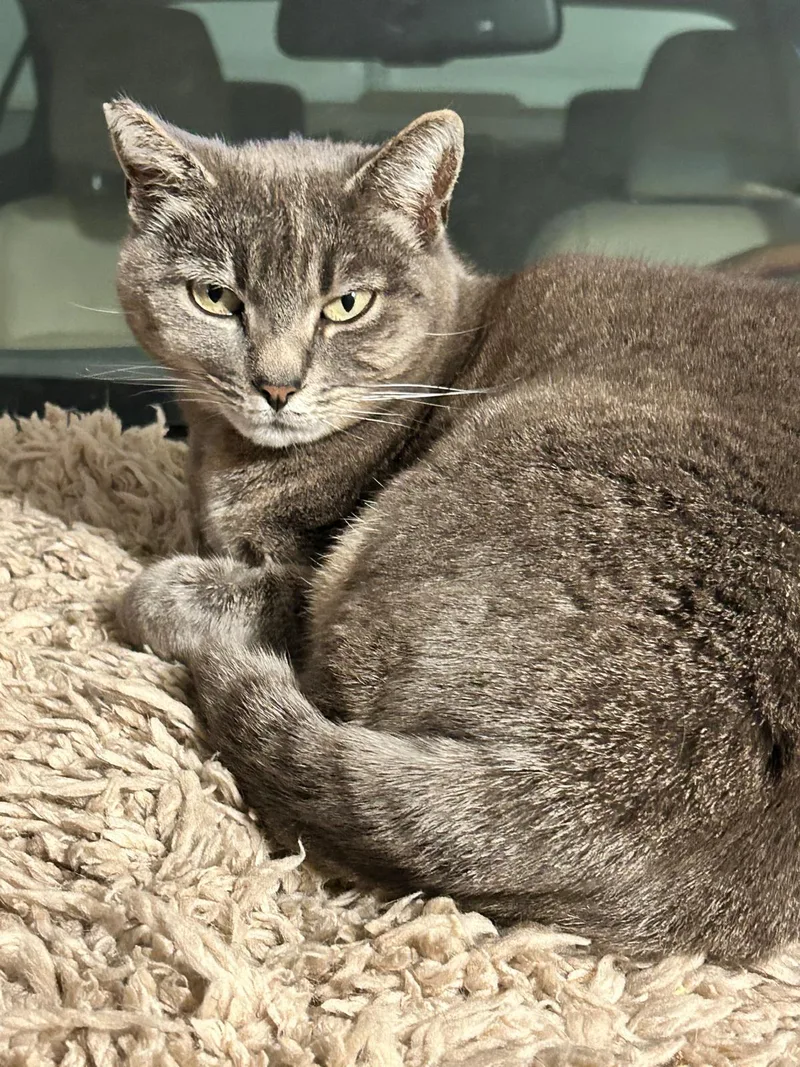
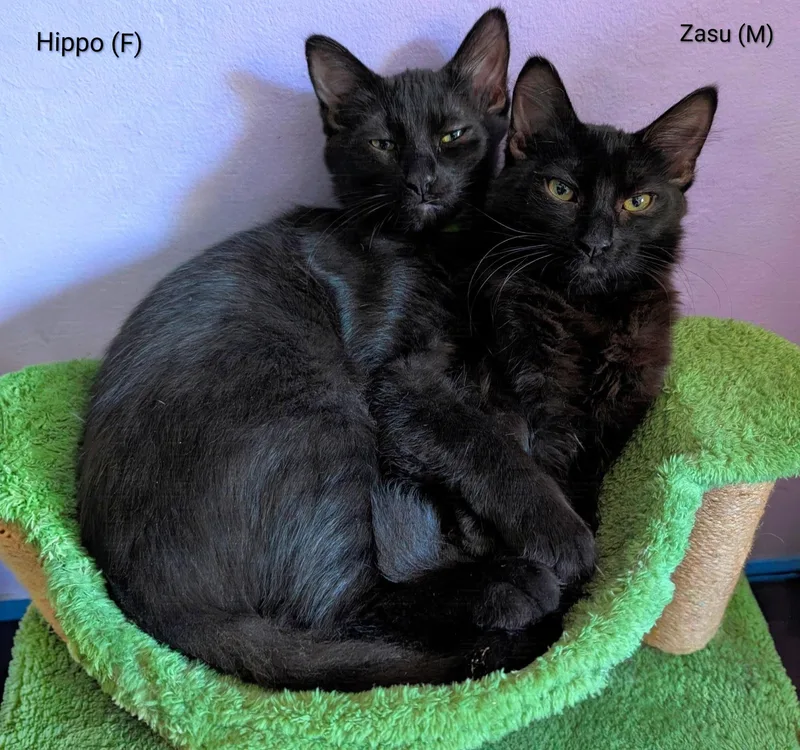
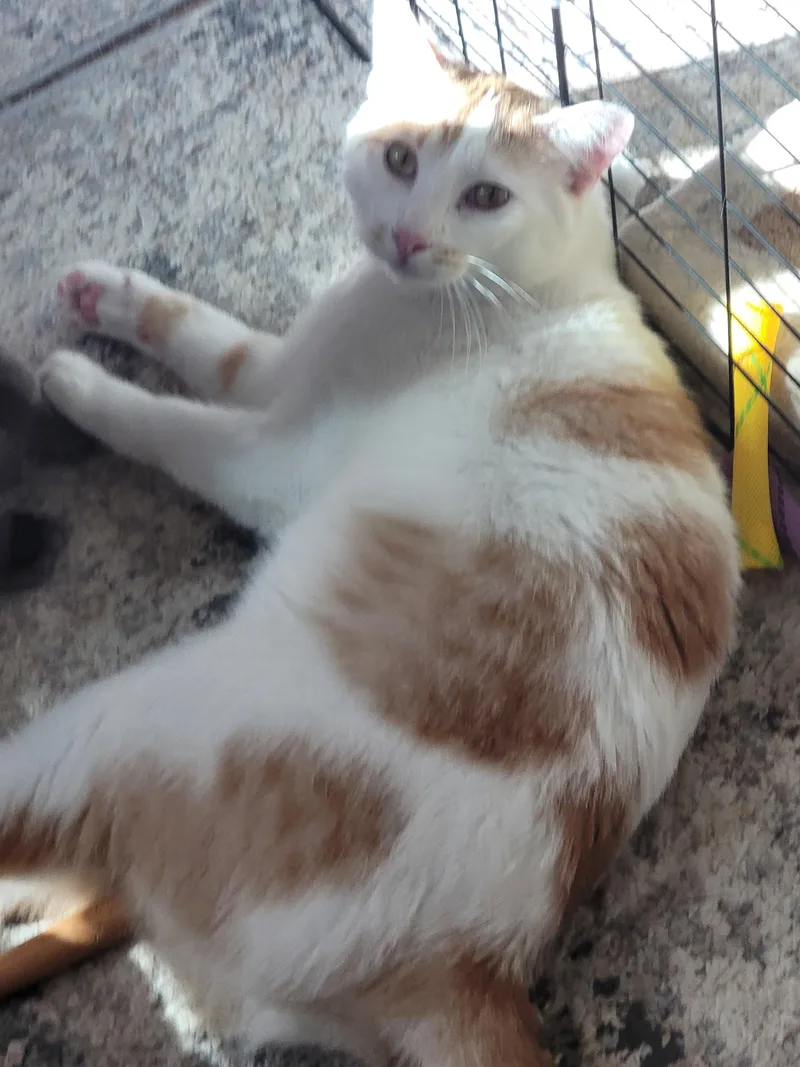
Tuxedo Cats for Adoption in San Jose, CA

Your guide to finding and caring for a Tuxedo in San Jose

Tuxedo cats fit San Jose's mix of Downtown high-rises and Willow Glen bungalows about equally well. Tuxedo is a coat pattern, not a breed, so these cats come in every energy level and coat length. A Downtown condo works with a window perch and a daily play session, while a Berryessa townhouse gives a climber room to roam. Late-summer afternoons can top 90°F, so a cool resting spot matters. Most do best as indoor cats.

14 Tuxedos available for adoption in San Jose

Say hello to your Tuxedo cat

Tuxedos Available for Adoption in San Jose

About the Tuxedo breed

Tuxedo describes a coat, not a breed: a bicolor cat, usually black and white, with a white chest that looks like a shirtfront and often white paws, chin or a facial blaze. Grey-and-white tuxedos exist too. The pattern comes from white spotting variation in the KIT gene, and males and females are about equally common.

Most tuxedos are domestic shorthairs weighing roughly 6 to 14 pounds, and they often live 12 to 18 years, so adopting one is a long commitment. Color doesn't set personality, which means adopters will meet quiet cats, chatty cats and everything between. Shedding is moderate, and weekly brushing keeps hair under control, especially in a small apartment.

Weight
6–14 lbs
Height
8–10 in
Lifespan
12–18 yrs
Temperament
Adaptable, Playful, Affectionate
Shedding
Moderate

Owning a Tuxedo in San Jose

Having a Tuxedo in San Jose

A coat pattern says little about a cat's daily needs. Age, energy, coat length and past experiences matter far more, so spend time with a cat before you decide. Here is how those factors play out for a Tuxedo living in San Jose.

Temperament

Tuxedos run from outgoing and talkative to reserved and quiet, and color doesn't predict which. Many adapt well to new homes, children and other pets with slow introductions. In a busy San Jose apartment building, a shy cat may want a hiding spot away from hallway noise.

Exercise Needs

Plan on daily interactive play with wand toys, chase games and puzzle feeders. Young cats may want several energetic sessions, while older cats prefer short, gentle games and comfortable perches. Window perches and cat trees give indoor cats in smaller San Jose homes a way to climb and watch the street.

Health Considerations

The tuxedo pattern carries no known health risk. Cats in general can face dental disease, obesity, urinary problems and, with age, kidney disease, diabetes or hyperthyroidism. A tuxedo with a pedigreed breed in its background could inherit that breed's conditions. Annual vet exams and dental checks catch most problems early, and a veterinarian can review any new cat's health.

Living Space

Tuxedos usually do well in apartments, condos and houses when they have vertical space, scratching posts, hiding places and clean litter boxes. Indoor living, or a secure enclosure, keeps cats away from traffic and wildlife. Window screens help prevent falls from upper floors, which matters in Downtown's high-rise buildings.

What it costs to own a Tuxedo in San Jose

ExpenseTypical costPer year
Adoption fee$200, one time$200 in year one
Food$25 to $50 per month$300 to $600
Pet insurance$20 to $45 per month$240 to $540
Routine vet care$150 to $350 per year$150 to $350
Other*$480 to $1,180 per year$480 to $1,180
Estimated yearly total (after year one)$1,170 to $2,670
First-year total (with adoption fee)$1,370 to $2,870

Adoption fee is the fee on Tuxedo listings in San Jose on GetBuddy today. Other costs are estimates and vary with size, age and health.

* The $30 San Jose cat license for a spayed or neutered cat, litter, flea and parasite prevention, a dental cleaning allowance, toys and supplies, and home grooming.

Adopt a Tuxedo in San Jose.

Now that you know more, let’s find you a new best friend. These rescues and shelters below currently have Tuxedos available.

Frequently Asked Questions

Yes. Tuxedo is a coat pattern, and San José has no breed-specific rules for cats. The city does require cats over 4 months old to be licensed and vaccinated against rabies, and a household with no dogs can have up to five cats. If you rent, confirm your landlord's pet policy first.

Yes, most Tuxedos adapt well to apartments and condos when they have window perches, a cat tree, scratching posts and daily play. Choose a quieter unit if the cat is shy or easily startled. Use window screens on upper floors to prevent falls, and get any landlord approval in writing.

Often, yes, especially for people who can offer daily play and a safe indoor home. San Jose's mild climate and mix of condos, townhomes and houses suit most cats. Because tuxedo is only a coat pattern, personalities vary widely, so look for a cat whose energy and comfort with noise match your household.

Only in a carrier. VTA buses and light rail allow small pets in a completely enclosed carrier that fits on your lap, and BART requires a secure, enclosed pet carrier. Caltrain allows service animals only, so a pet cat can't ride it. Most San Jose commuters drive, so plan a car trip to the vet.

Yes, indoor Tuxedos usually handle San Jose summers well. Highs average around 80°F, with a few 90°F-plus days, mostly in August and September. Provide shade, cool floors and fresh water, and watch for panting, drooling or lethargy on the hottest days. Smoky days are another reason to keep cats inside.

Most shorthaired Tuxedos need a brush about once a week, and longhaired ones need it several times a week. Grooming is mostly done at home, so it adds little to the $480 to $1,180 a year in Other costs. After outdoor time in the dry months, check ears, paws and coat for foxtails.

We have 4 rescues with Tuxedos available, including 13th St Cats, Ace Kitty Rescue Force Corp and Meow Haven Kitty Rescue. You can see every rescue with Tuxedos available in the list above these questions, or scroll to the top to see the Tuxedos in San Jose.

Expect roughly $1,170 to $2,670 a year for a Tuxedo in San Jose, or about $100 to $220 a month. That covers food, insurance, routine vet care and other costs such as litter, parasite prevention and the city license. Emergency care and illness aren't included and can add more.