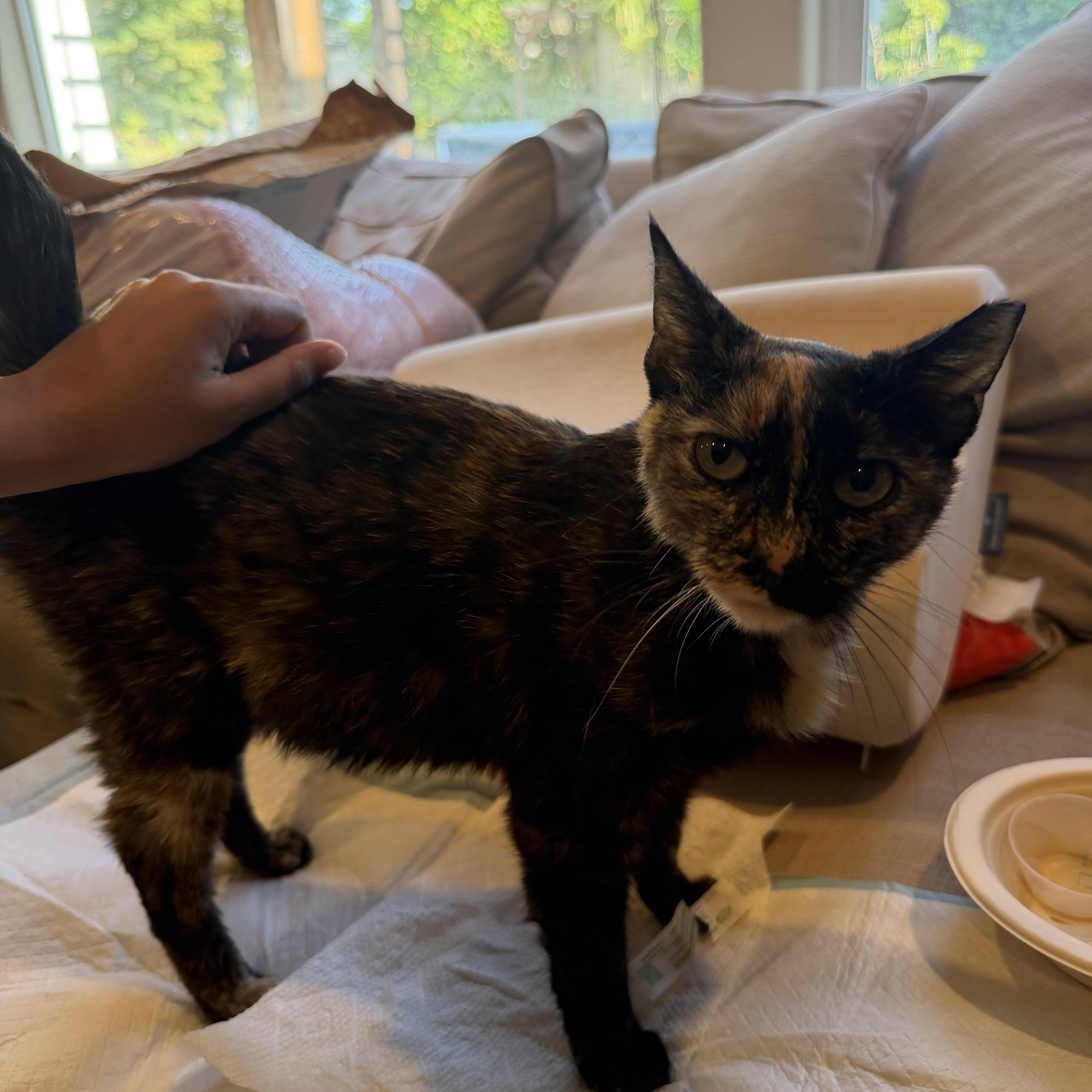
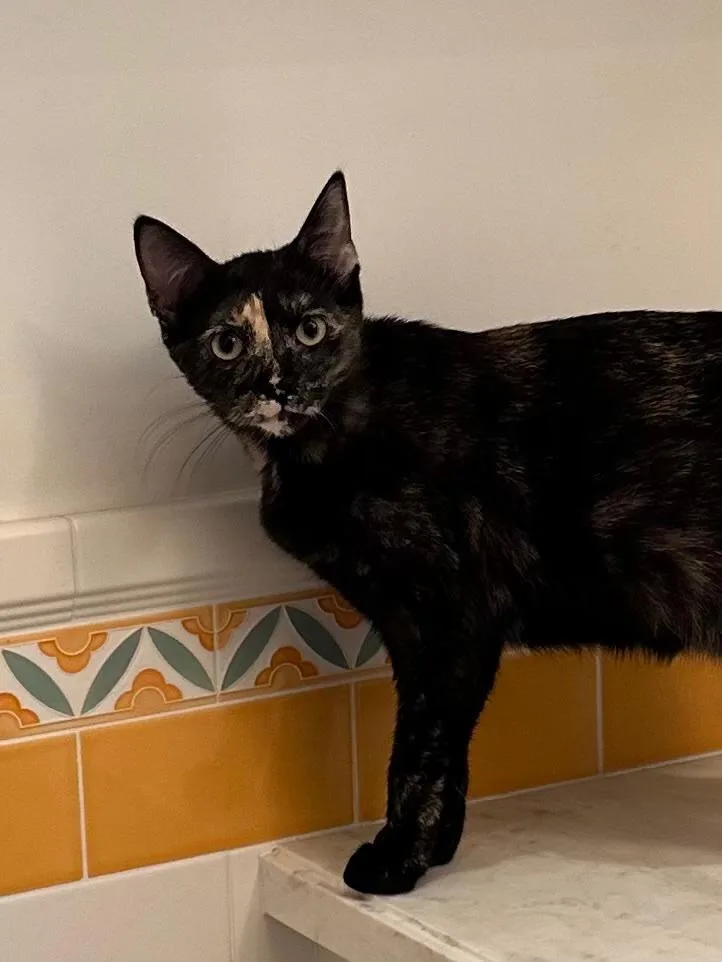
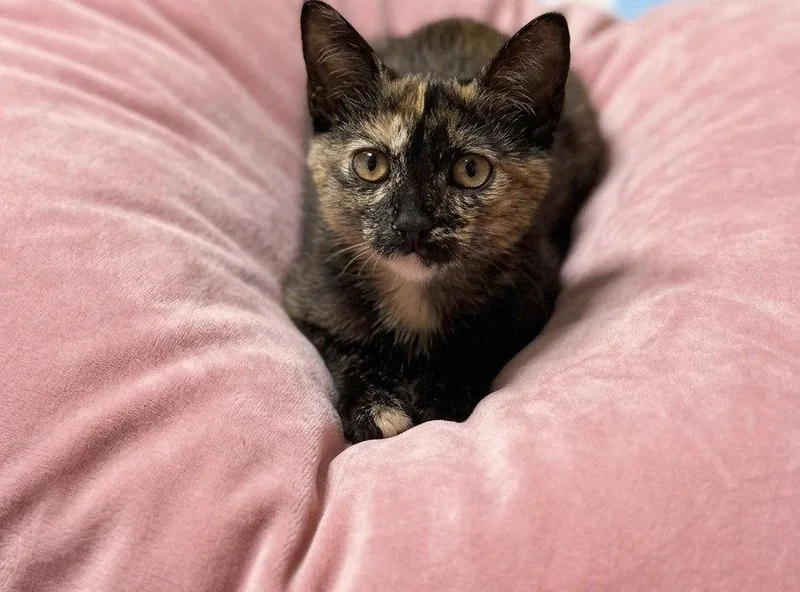
Tortoiseshell Cats for Adoption in San Diego, CA

Your guide to finding and caring for a Tortoiseshell in San Diego

Tortoiseshell cats suit San Diego apartments as well as houses, since the coat pattern says nothing about size or space needs. A tortie can claim a sunny window in a Mission Valley condo or watch the canyon greenbelts of Tierrasanta from a cat tree by the glass. Most are domestic shorthairs, so personalities run from shy to bossy, and the mild coastal weather means you rarely have to think about heating or cooling for her. Expect moderate shedding.

960 Tortoiseshells available in San Diego and nationwide

Your Tortoiseshell is waiting

While we don't have enough cats near San Diego, keep in mind that many rescues may offer transport.

Tortoiseshells Available for Adoption Near San Diego

About the Tortoiseshell breed

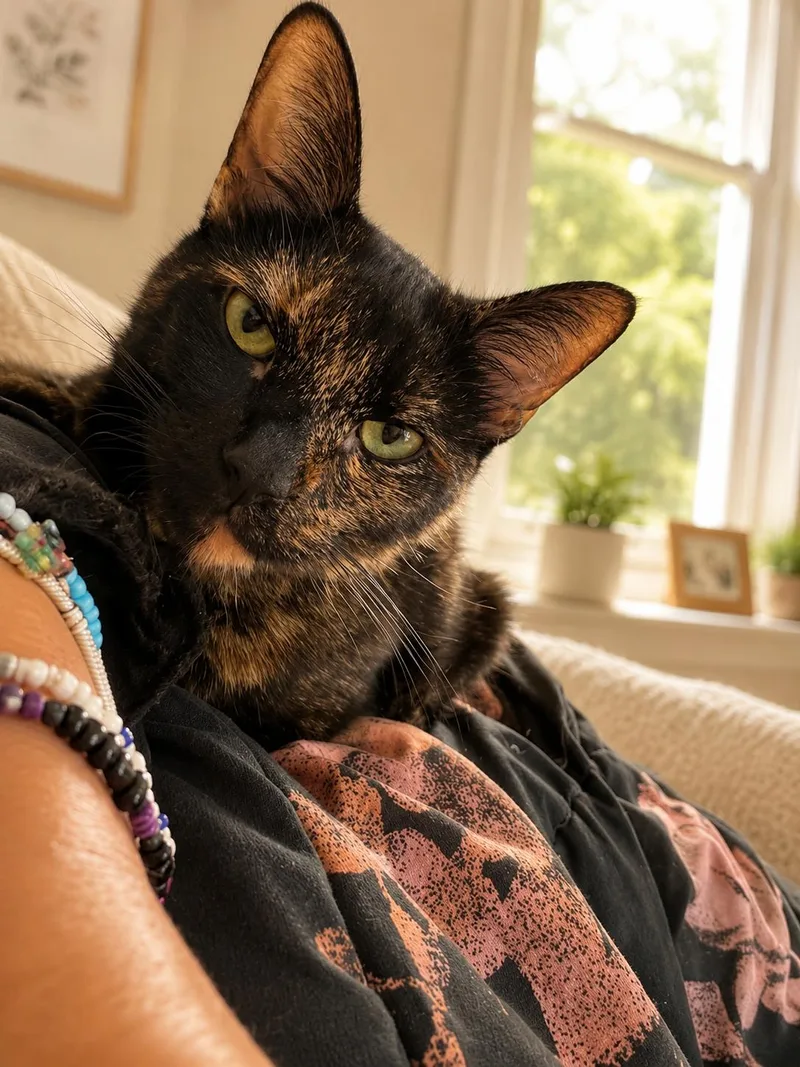
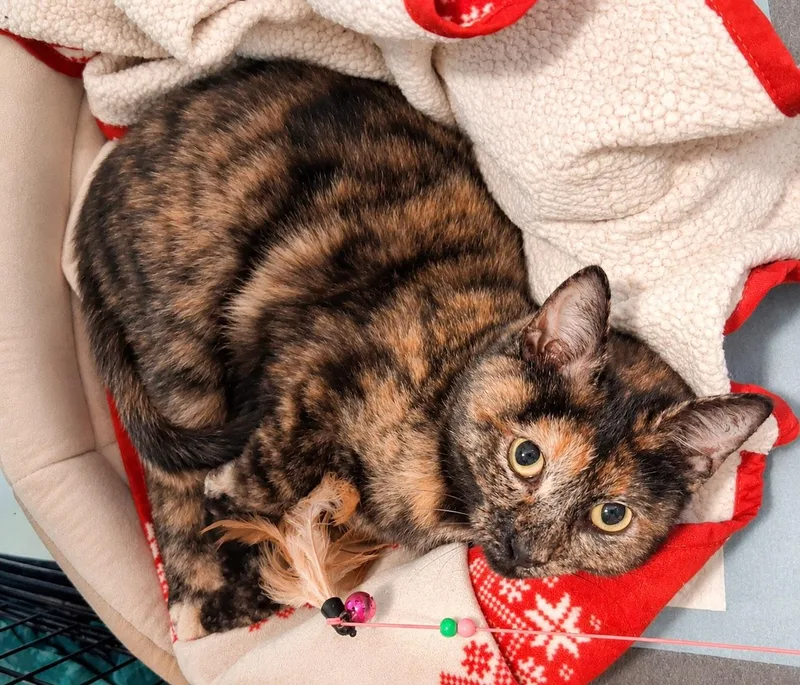
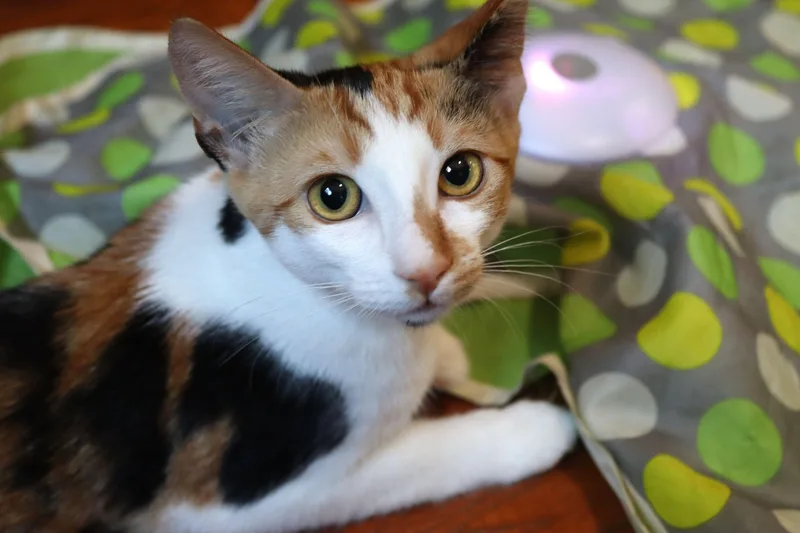
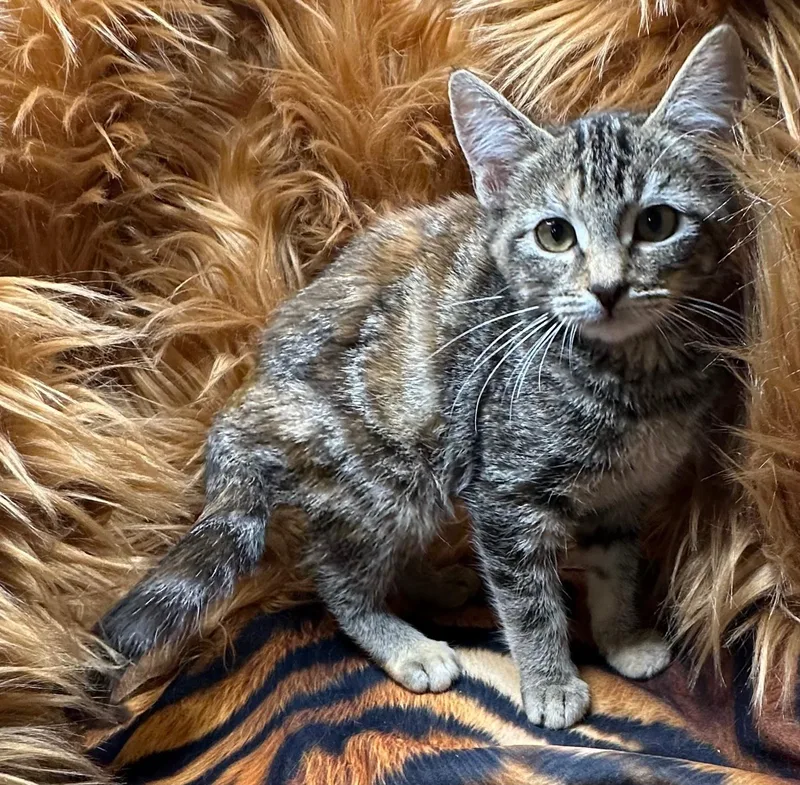
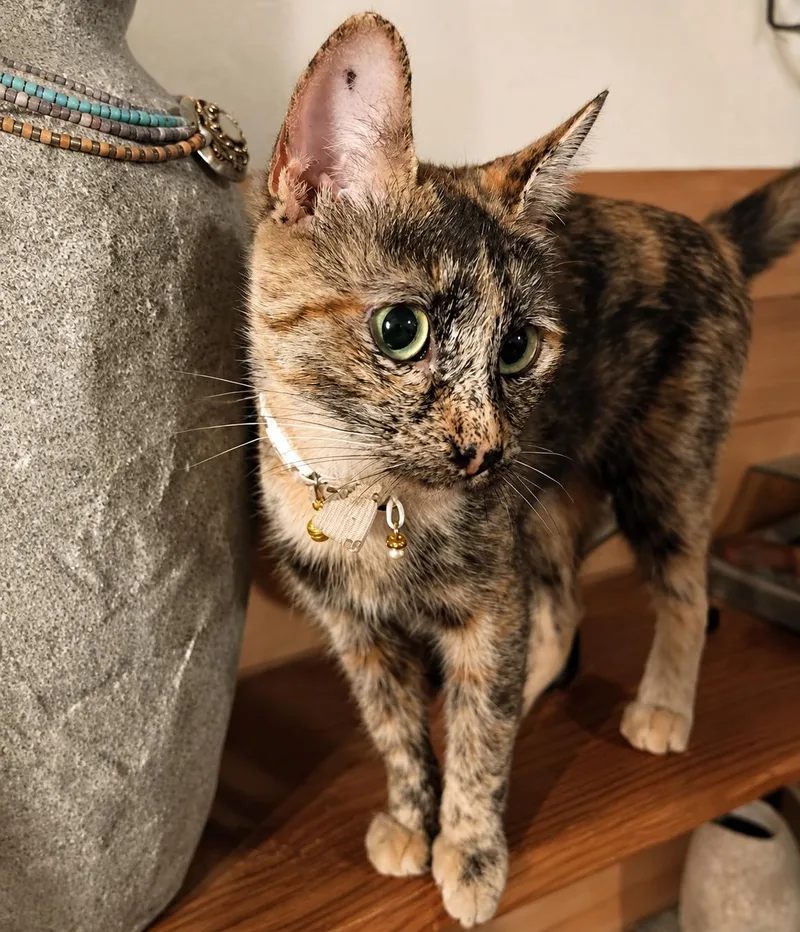
Tortoiseshell is a coat pattern, not a breed. Black-based and orange-based colors mix in patches or a fine mottle, usually with little white; add large white areas and the cat is a calico. Because the orange gene rides on the X chromosome, nearly all torties are female. Dilute versions look soft gray and cream, and torbies add tabby stripes.

Most torties are domestic shorthairs, though the pattern shows up in many breeds, so size, coat length and energy vary. Tortitude, the idea that torties are feisty, is more folklore than science; age, history and socialization say far more than color. In a city of apartments like San Diego, an adult tortie with a settled routine often fits indoor life well, and regular brushing keeps moderate shedding under control.

Weight
6–14 lbs
Height
8–10 in
Lifespan
12–18 yrs
Temperament
Independent, Affectionate, Playful
Shedding
Moderate

Owning a Tortoiseshell in San Diego

Having a Tortoiseshell in San Diego

Coat color doesn't set a cat's traits, so these cards describe what's typical of the domestic shorthairs most torties are. In San Diego, indoor routines, apartment living and the mild coastal climate shape daily life more than the pattern does.

Temperament

Torties are often called spirited, but evidence linking coat color to behavior is thin and rests mostly on owner impressions. Expect a range from shy to bold and from cuddly to independent. In a San Diego apartment, a cat who shrugs off hallway and neighbor noise settles in easily, while a more sensitive tortie may prefer a quiet room with hiding spots.

Exercise Needs

Plan on daily interactive play, such as wand toys, chase games and puzzle feeders, ideally in short bursts. Kittens and young adults need more; seniors prefer gentler sessions. Indoors, window perches and cat trees add stimulation, and a harness-trained cat may enjoy supervised time on a secure balcony or patio.

Health Considerations

The tortoiseshell pattern carries no specific health risks in females; the rare males usually have an extra X chromosome and may face added issues. Otherwise health depends on ancestry, age and care. Plan on yearly checkups, dental care and weight management, and have a veterinarian look over a newly adopted cat soon after she comes home.

Living Space

Torties adapt to apartments and houses alike. San Diego's condos and apartments work well with a cat tree, scratching posts and a window perch. Confident, social cats handle busy buildings, while shy ones want a quiet corner. Secure screens on windows and balconies matter, especially for curious young cats.

What it costs to own a Tortoiseshell in San Diego

ExpenseTypical costPer year
Adoption fee$150, one time$150 in year one
Food$25 to $50 per month$300 to $600
Pet insurance$20 to $45 per month$240 to $540
Routine vet care$150 to $350 per year$150 to $350
Other*$450 to $1,150 per year$450 to $1,150
Estimated yearly total (after year one)$1,140 to $2,640
First-year total (with adoption fee)$1,290 to $2,790

Adoption fee is the fee on Tortoiseshell listings in San Diego on GetBuddy today. Other costs are estimates and vary with size, age and health.

* Litter, flea prevention, a dental cleaning allowance, toys and supplies, and home grooming.

Adopt a Tortoiseshell in San Diego.

Now that you know more, let’s find you a new best friend. These rescues and shelters below currently have Tortoiseshells available.

Frequently Asked Questions

Yes. Nothing in San Diego's rules singles out tortoiseshell cats, since the term describes a coat color, and California law limits breed-specific rules anyway. Your lease is the real gatekeeper, so confirm your landlord's pet policy before adopting. Browse the cats listed on this page and save a search to hear when a new tortie is added.

Yes, most tortoiseshell cats do well in San Diego apartments when they get daily play and vertical space. Add a cat tree, window perch and scratching posts, and fit secure screens on windows and balconies. A shy tortie may want a quiet bedroom retreat, while a bold one may enjoy the activity of a busy building.

Yes, for the most part. Coastal summers stay around 75°F, which most short-haired cats handle comfortably indoors. The harder stretch is August through October, especially inland, where 90°F days are more common. Offer fresh water, a cool tile floor or a fan, and shaded rooms, and watch for panting or restlessness in a warm apartment.

Often, yes, if you can offer an indoor life with daily play and a quiet place to retreat. San Diego's mild weather and mix of apartments and houses suit most cats. Her personality will depend on her age and background more than her coat, so think about whether you want a playful kitten or a settled adult.

Yes, but only inside an enclosed carrier. MTS requires non-service animals on buses and the Trolley, which is light rail, to be fully contained in a carrier you can hold on your lap and carry yourself. Keep her under your direct control, since operators can refuse an animal that's noisy or disruptive. Check current fares with MTS.

Very little for most. A short-haired tortie needs a brush once or twice a week, and long-haired ones need more, since shedding is moderate. San Diego's mild climate means no heavy seasonal coat care. Professional grooming is rarely needed, and home grooming supplies fit within the roughly $0–$50 a year counted in the Other costs.

A tortoiseshell cat is a cat with a coat pattern of black-based and orange-based colors blended or patched together, usually with little or no white. It is not a breed; the pattern appears in many breeds and most often in domestic shorthairs. Nearly all tortoiseshells are female because the genes for orange and black are carried on the X chromosome.

Almost all tortoiseshell cats are female, but not all. A female has two X chromosomes and can carry both orange and black color genes, producing the mixed coat. Males normally have only one X. Rare male torties usually have an extra X chromosome or are genetic chimeras, and they are estimated at roughly 1 in 3,000 tortoiseshells.

We have 3 rescues with Tortoiseshells available: Baja Animal Sanctuary, Community Cat Foundation and Femme Felines. You can see every rescue with Tortoiseshells available in the list above these questions, or scroll to the top to see the Tortoiseshells near San Diego.

Expect about $25–$50 a month for food and $20–$45 for optional insurance, plus $150–$350 a year for routine vet care and $450–$1,150 for other costs such as litter, flea prevention and dental care. That works out to roughly $1,140–$2,640 a year. San Diego doesn't charge a license fee for cats.