Tortoiseshell Cats for Adoption in Sacramento, CA

Your guide to finding and caring for a Tortoiseshell in Sacramento

Tortoiseshell cats fit easily into the older housing around Sacramento's central grid. A tortie might claim the sunny window of a divided Victorian in Alkali Flat or a bungalow in Curtis Park. Tortoiseshell is a coat pattern, not a breed, so these cats come in every temperament, from shy to bold. Most are female, and most do well as indoor cats. What matters in July is a cool room, since afternoons regularly climb into the 90s.

1042 Tortoiseshells available in Sacramento and nationwide

Your Tortoiseshell is waiting

Tortoiseshells Available for Adoption Near Sacramento

About the Tortoiseshell breed

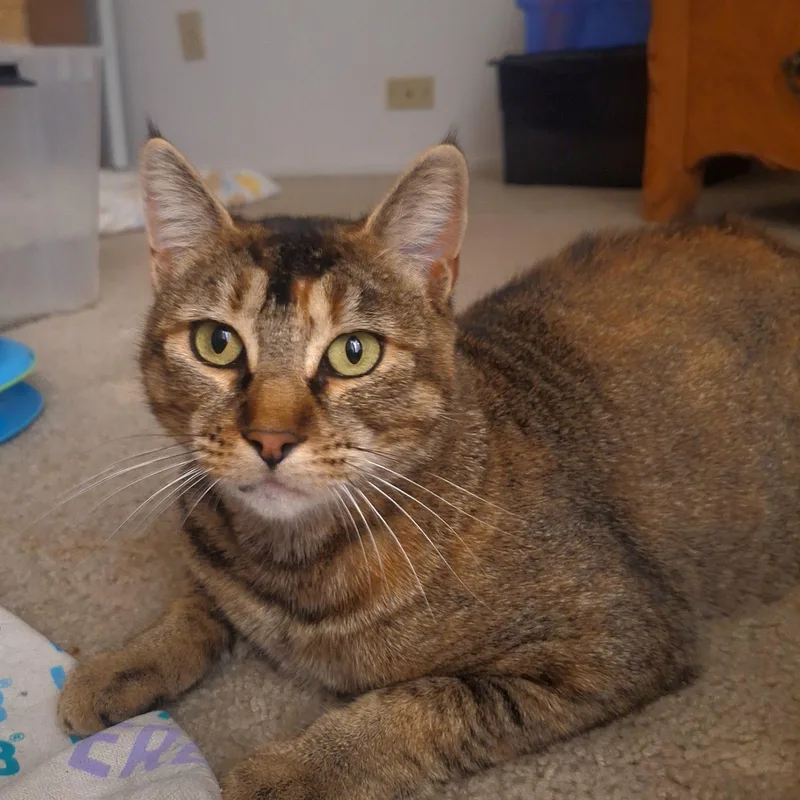
Tortoiseshell describes a coat, not a breed: black-based and orange-based colors patched or blended together, usually with little white. Most tortoiseshells are domestic shorthairs, and nearly all are female, so adopters meet a wide mix of sizes, ages and personalities rather than one predictable type. The reputation for "tortitude" rests mostly on owner impressions, and a cat's history and age say more than her color.

In Sacramento, the useful questions are practical ones. Moderate shedding means a weekly brush keeps fur off the couch, and daily play with wand toys burns off energy in a small apartment. Most torties do well as indoor cats, which also keeps them out of the heat of a July afternoon.

Weight
6–14 lbs
Height
8–10 in
Lifespan
12–18 yrs
Temperament
Independent, Affectionate, Playful
Shedding
Moderate

Owning a Tortoiseshell in Sacramento

Having a Tortoiseshell in Sacramento

Because tortoiseshell is a coat pattern, these traits describe what many tortoiseshell cats share rather than a fixed breed standard. In Sacramento, the biggest factors are indoor enrichment, summer heat and routines that work in an apartment.

Temperament

Torties are often called spirited, but that reputation rests mostly on owner impressions. Tortoiseshells range from shy to bold and from lap cats to independent ones. In Sacramento, a confident cat may enjoy a busy household, while a nervous one may prefer a quiet room during the fireworks of late June and early July.

Exercise Needs

Plan on daily play with wand toys, chase games and puzzle feeders. Kittens and young adults need more, and seniors need gentler sessions. Window perches and cat trees give indoor cats something to climb and watch, which helps in summer when midday heat keeps everyone inside. Short evening play sessions suit Sacramento's cooler nights.

Health Considerations

A tortoiseshell coat brings no health risks for females, while the rare males usually carry an extra X chromosome and may face added issues. Otherwise health follows age and care, so yearly checkups, dental care and a healthy weight matter most. Smoky late-summer and fall days are easier on cats kept indoors.

Living Space

Tortoiseshell cats do well in a Sacramento one-bedroom or a bungalow alike, as long as there are scratching posts, a cat tree and a hideaway. Set aside a cool room for summer afternoons. A confident cat adapts to a busy household, while a shy cat usually settles best in a calmer one.

What it costs to own a Tortoiseshell in Sacramento

ExpenseTypical costPer year
Adoption fee$150 to $225, one time$150 to $225 in year one
Food$25 to $50 per month$300 to $600
Pet insurance$20 to $45 per month$240 to $540
Routine vet care$150 to $350 per year$150 to $350
Other*$470 to $1,170 per year$470 to $1,170
Estimated yearly total (after year one)$1,160 to $2,660
First-year total (with adoption fee)$1,310 to $2,885

Adoption fee is the range of fees on Tortoiseshell listings in Sacramento on GetBuddy today. Other costs are estimates and vary with size, age and health.

* Litter, flea prevention, a dental cleaning allowance, toys and supplies, home grooming, and the yearly Sacramento cat license.

Adopt a Tortoiseshell in Sacramento.

Now that you know more, let’s find you a new best friend. These rescues and shelters below currently have Tortoiseshells available.

Rescues in Sacramento with Tortoiseshells Available

Sacramento's shelters and rescues take in cats of every age, color and temperament, so tortoiseshell patterns can show up anywhere. Here are the rescues & shelters in the Sacramento area where you can find Tortoiseshells and other cats available for adoption.

Frequently Asked Questions

Yes. A cat's space needs depend on age and personality, not coat color. In a Sacramento apartment, provide a cat tree, a window perch and daily wand-toy play, and set aside a cool room for summer afternoons. Confirm the lease allows cats before you apply, since landlords can still decline them.

Yes, indoor tortoiseshell cats handle Sacramento summers well when the home stays cool. Highs reach the low 90s and about 14 days a year hit 100°F, so keep water in several spots, close blinds on hot afternoons and never leave a cat in a parked car. Heavy panting, drooling or lethargy calls for a vet right away.

Yes, but only in a carrier. SacRT buses and light rail allow pets only in a sealed, secure carrier that fits on the rider's lap and doesn't bother other passengers. Trained service animals are the exception. Choose a sturdy carrier and let the cat get used to it at home before the first trip.

Yes. Coat color doesn't matter under Sacramento's rules, and there are no known restrictions based on breed or color. The city requires a license for every cat four months or older, and a household can keep up to seven cats. A license tag and microchip also help a lost cat get home.

A weekly brush is enough for most tortoiseshell cats, since shedding is moderate. Longhaired cats may need a few sessions a week, especially in spring and fall as coats change. Sacramento's dry heat doesn't call for clipping. Home grooming costs roughly $0 to $50 a year in brushes and nail trims, counted in the Other costs.

A tortoiseshell cat is a cat with a coat pattern of black-based and orange-based colors blended or patched together, usually with little or no white. It is not a breed; the pattern appears in many breeds and most often in domestic shorthairs. Nearly all tortoiseshells are female because the genes for orange and black are carried on the X chromosome.

Almost all tortoiseshell cats are female, but not all. A female has two X chromosomes and can carry both orange and black color genes, producing the mixed coat. Males normally have only one X. Rare male torties usually have an extra X chromosome or are genetic chimeras, and they are estimated at roughly 1 in 3,000 tortoiseshells.

No, tortoiseshell cats are not rare. They are common among domestic cats and are regularly found in shelters and rescues. What is rare is a male tortoiseshell, since the pattern almost always requires two X chromosomes. Certain variations, such as long-haired or dilute torties, are less common simply because they require additional recessive genes.

We have 3 rescues with Tortoiseshells available: River City Cat Rescue, A Place Fur Rescue and LapCats. You can see every rescue with Tortoiseshells available in the list above these questions, or scroll to the top to see the Tortoiseshells near Sacramento.

Plan on roughly $1,160 to $2,660 a year for a tortoiseshell cat in Sacramento: food about $300 to $600, insurance $240 to $540, routine vet care $150 to $350, and $470 to $1,170 for litter, preventive care, dental cleanings and supplies. Costs vary with the cat's size, coat and age.