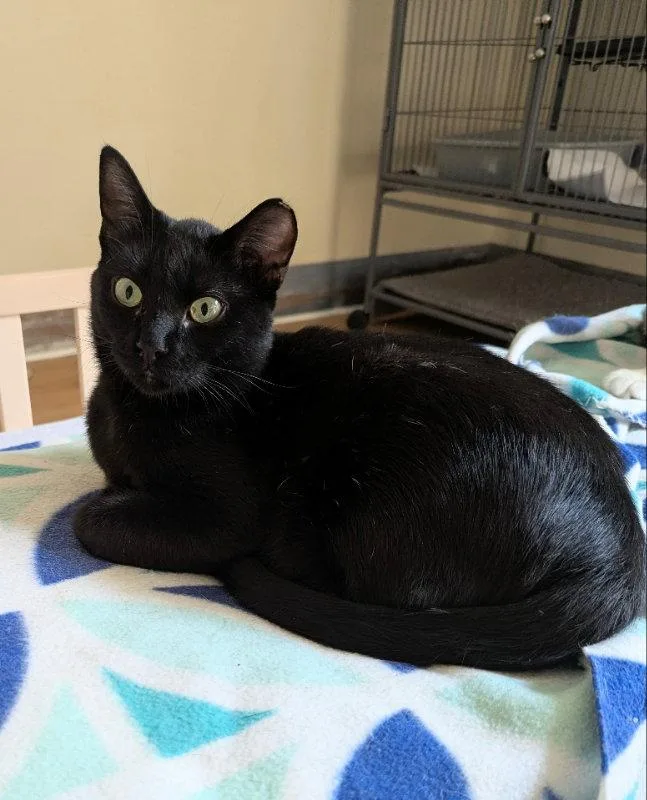
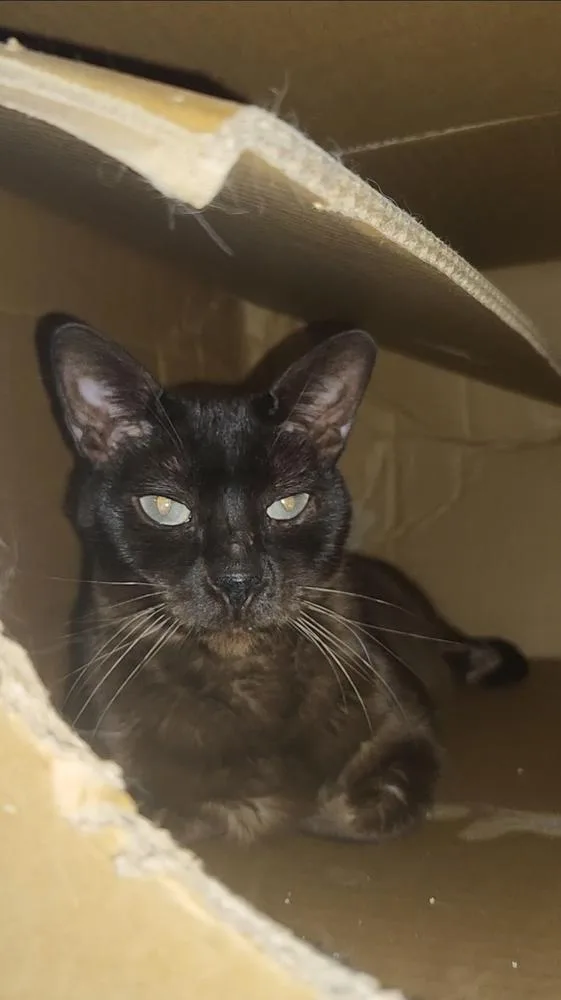
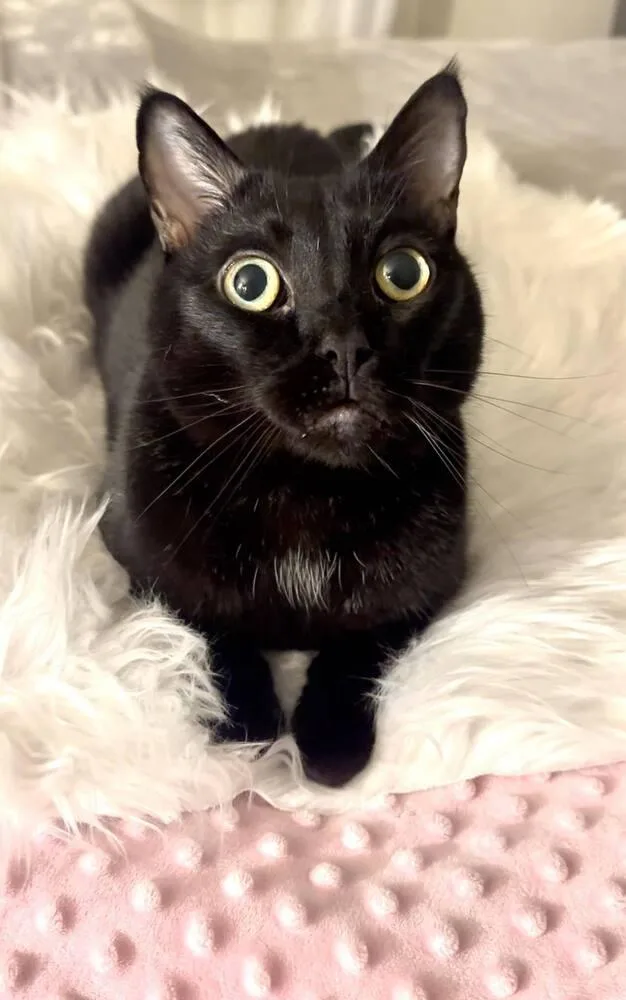
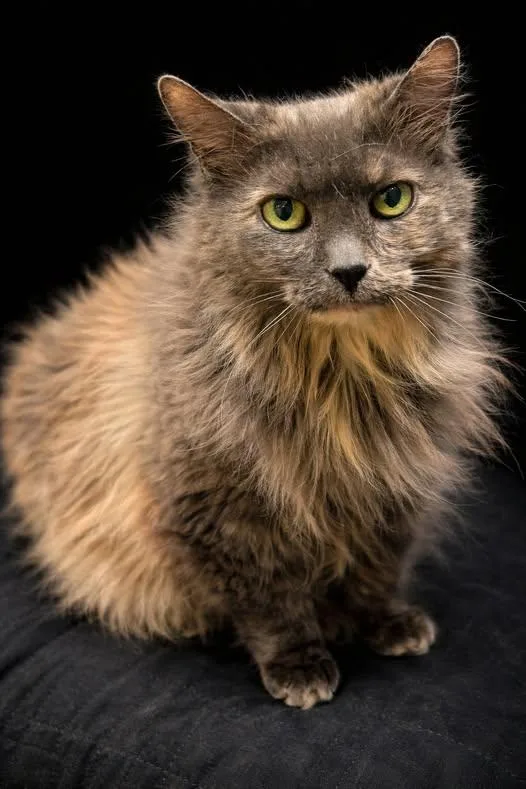
Asian Cats for Adoption in Malibu, CA

Your guide to finding and caring for an Asian in Malibu

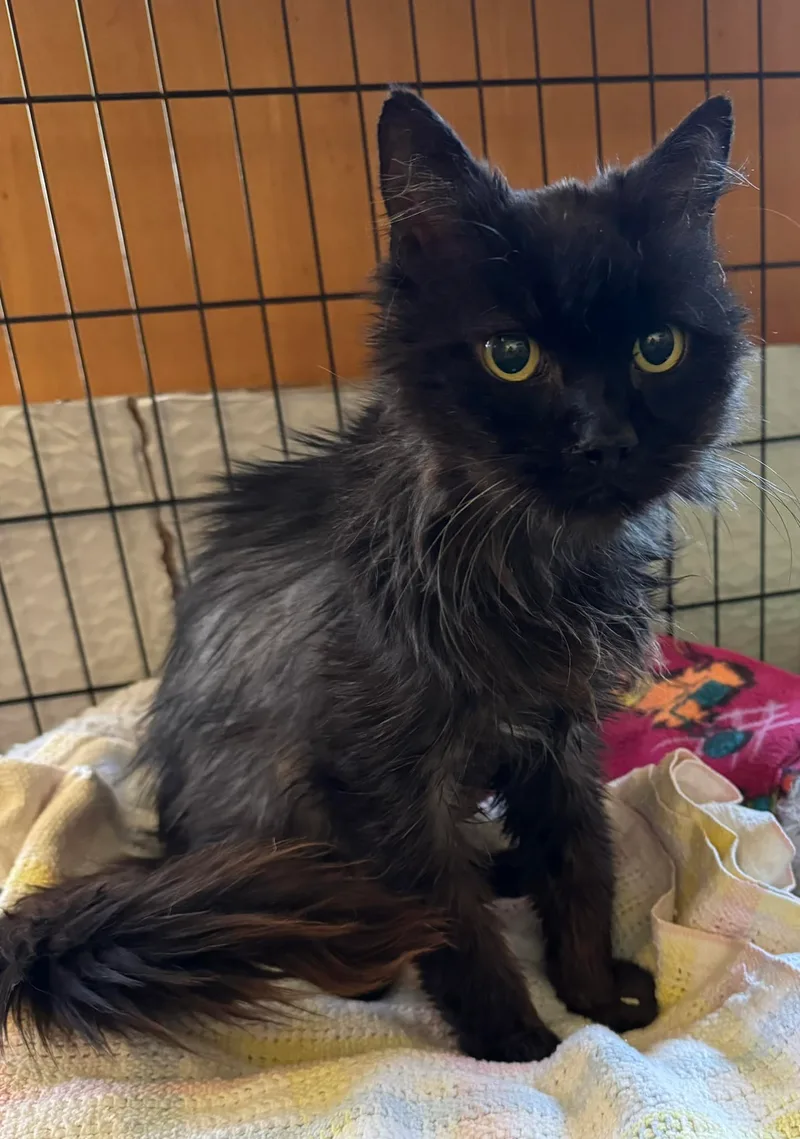
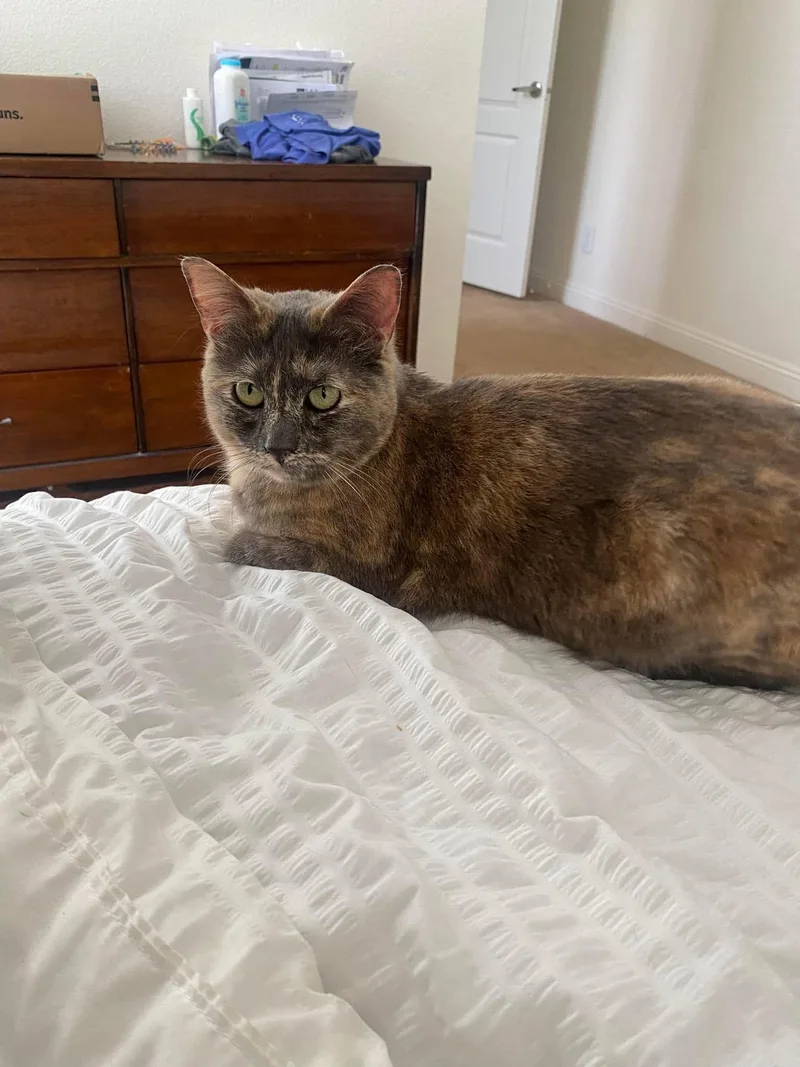
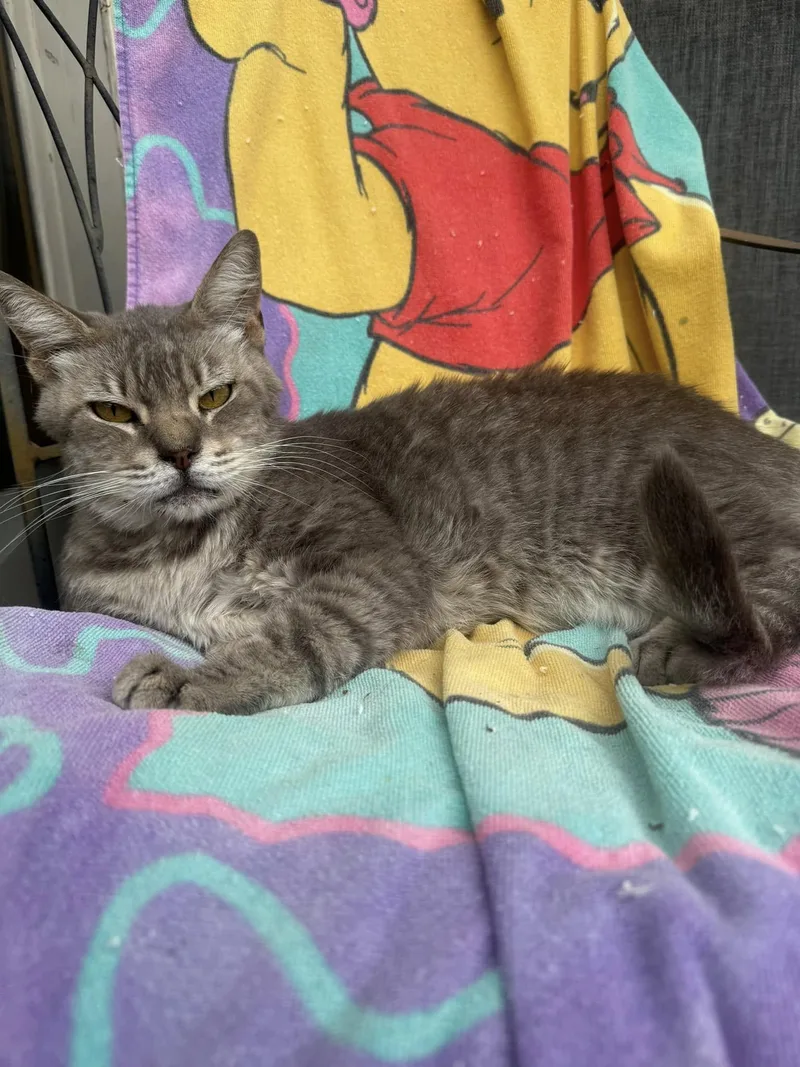
579 cats similar to Asian available in Malibu and nationwide

Find your Asian cat

Asians and Similar Breeds Available for Adoption Near Malibu

About the Asian breed

The Asian is a British breed group, not a name for cats from Asia. It began in 1981, when an unplanned mating between a chinchilla Persian and a lilac Burmese in England produced the first Burmillas. Cats from that line were developed into a family of Burmese-type cats in many colors: the shaded Burmilla, the Asian Smoke, the Asian Tabby, the solid-colored Asian Self, including the black Bombay, and the semi-longhaired Tiffanie.

Asians are medium-sized, muscular cats with a short, satiny coat, expressive eyes and a lively, people-oriented personality. They are recognized mainly in the UK and Europe and are rare in the US, where shelters sometimes use the label loosely for cats that only resemble the type. Adopters can expect an active, chatty companion that wants to be involved in family life and dislikes being ignored.

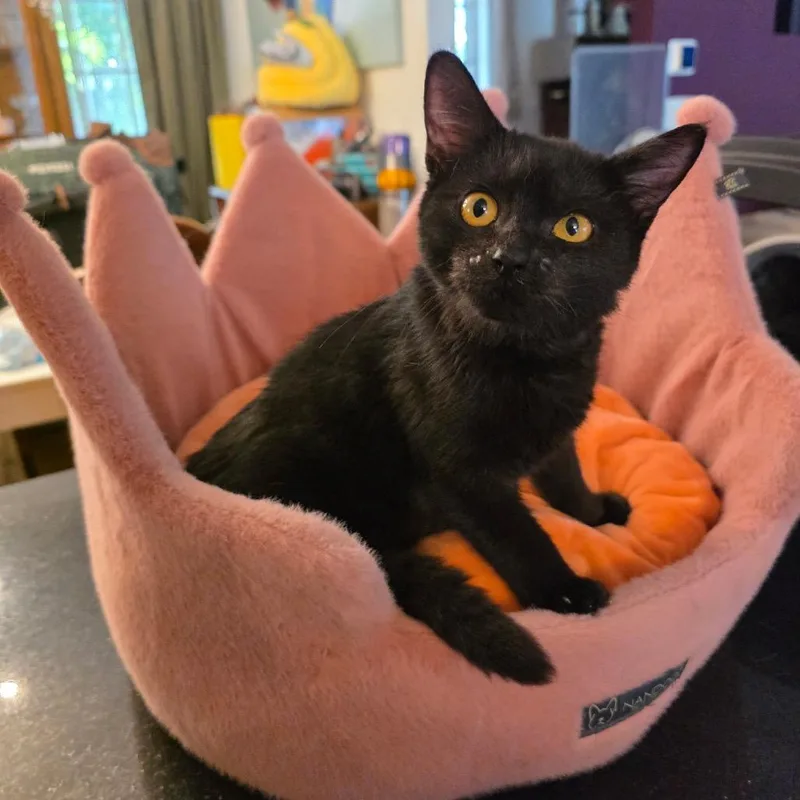
Weight
8–15 lbs
Height
9–11 in
Lifespan
12–18 yrs
Temperament
Affectionate, Outgoing, Playful
Shedding
Low to Moderate

Owning an Asian in Malibu

Having an Asian in Malibu

Asians combine the Burmese's sociable, energetic personality with a wide palette of coats. Their need for company, active play, simple grooming and an inherited potassium disorder are the traits most likely to shape daily life with one.

Temperament

Asians tend to be affectionate, curious and outgoing, often greeting visitors and following their people around the house. Many talk in a soft voice without being noisy. They usually accept respectful children and cat-friendly dogs after slow introductions, but some are bossy with other cats. A shelter cat's past experiences shape its comfort level more than its type.

Exercise Needs

Most Asians are active, agile cats that enjoy chasing wand toys, fetching small balls and climbing. Daily interactive play, puzzle feeders and simple trick training satisfy both body and mind. Without enough stimulation, a bored Asian may invent its own games with household objects, so plan for regular play sessions rather than occasional ones.

Health Considerations

The best-documented inherited concern in Asians is hypokalemia, a low-potassium disorder from Burmese ancestry that can cause episodes of muscle weakness and is manageable with veterinary care. Ancestral breeds carry kidney and eye diseases that have not been documented in Asians. Dental care, weight control and regular checkups support a long life.

Living Space

An Asian usually adapts well to an apartment or house as long as there is room to climb and play. Cat trees, wall shelves, window perches and sturdy scratching posts matter more than square footage. Because these cats crave company, homes where someone is around often, or a playful companion cat, tend to suit them best.

What it costs to own an Asian

ExpenseTypical costPer year
Adoption fee$100, one time$100 in year one
Food$25 to $50 per month$300 to $600
Pet insurance$30 to $60 per month$360 to $720
Routine vet care$150 to $350 per year$150 to $350
Other*$450 to $1,150 per year$450 to $1,150
Estimated yearly total (after year one)$1,260 to $2,820
First-year total (with adoption fee)$1,360 to $2,920

Adoption fee is the fee on Asian listings in Malibu on GetBuddy today. Other costs are national averages for Asians; we don't have costs specific to Malibu yet.

* Litter, flea prevention, a dental cleaning allowance, toys, climbing furniture and other supplies, and weekly home brushing for the short coat.

Adopt an Asian in Malibu.

Now that you know more, let’s find you a new best friend. These rescues and shelters below currently have Asians available.

Rescues in Malibu with Asians Available

Here are the rescues & shelters in the Malibu area where you can find Asians and other cats available for adoption.

Frequently Asked Questions

Yes. The Asian is a recognized breed group in the UK, where Britain's main cat registry recognizes it. The name doesn't mean cats from Asia: it covers a family of Burmese-type cats, including the Burmilla, Asian Smoke, Asian Self and Bombay, Asian Tabby and the semi-longhaired Tiffanie. Major US registries don't list an "Asian" breed.

The Asian group comes from England. It began in 1981 with an unplanned mating between a chinchilla Persian and a lilac Burmese, which produced the first Burmillas. Cats from that line were developed over the following decades into a group of Burmese-type varieties in many colors and patterns, and all five varieties had full championship status in Britain by 2003.

An Asian looks like a Burmese in a wider range of coats. Expect a medium-sized, muscular cat with a rounded head, short muzzle, expressive eyes and a short, fine, satiny coat that lies close to the body. Coats can be shaded silver, smoke, solid black or other colors, or tabby, and the Tiffanie variety has a silky, semi-long coat.

Asians are medium-sized cats, usually weighing about 8 to 15 pounds and standing roughly 9 to 11 inches tall at the shoulder. Males are noticeably heavier, often 11 to 15 pounds, while females tend to stay around 8 to 12 pounds. They feel heavier than they look because of their compact, muscular build under the sleek coat.

Asians often live 12 to 18 years, and many reach their mid-teens with good care. Registry figures in the UK suggest 16 years or more is common, but there's little study data, so the cautious range is wider. Weight control, dental care, regular checkups and early treatment of problems such as low potassium all help a cat reach the upper end.

Asians tend to be lively, outgoing and people-focused. Many follow their humans from room to room, greet visitors at the door and want to join whatever is going on. They're playful well into adulthood and curious about everything. They don't like being ignored, so a home that offers daily attention and play suits this sociable cat best.

Yes, most Asians are very affectionate with their people. They often seek out laps, sleep near or on their owners and follow them around the house, a trait inherited from their Burmese ancestors. That affection comes with a need for company, so an Asian left alone for long stretches may become bored or unsettled rather than content.

Asians are talkative but not usually loud. Many keep up a running conversation of soft chirps and meows, especially when they want attention, food or play, but they're generally quieter than Siamese and other famously vocal Oriental breeds. How much a particular cat talks varies, and an under-stimulated Asian may become more vocal to get its people's attention.

Most Asians shed lightly to moderately. Their short, fine coat has little undercoat, so loose hair is modest compared with plush or double-coated breeds, with a bit more during seasonal changes. The semi-longhaired Tiffanie sheds more and needs more brushing. Weekly brushing with a soft brush or rubber mitt keeps loose hair under control for the shorthaired varieties.

We have 1 rescue with Asians available: The Fauna Foundation. You can see every rescue with Asians available in the list above these questions.