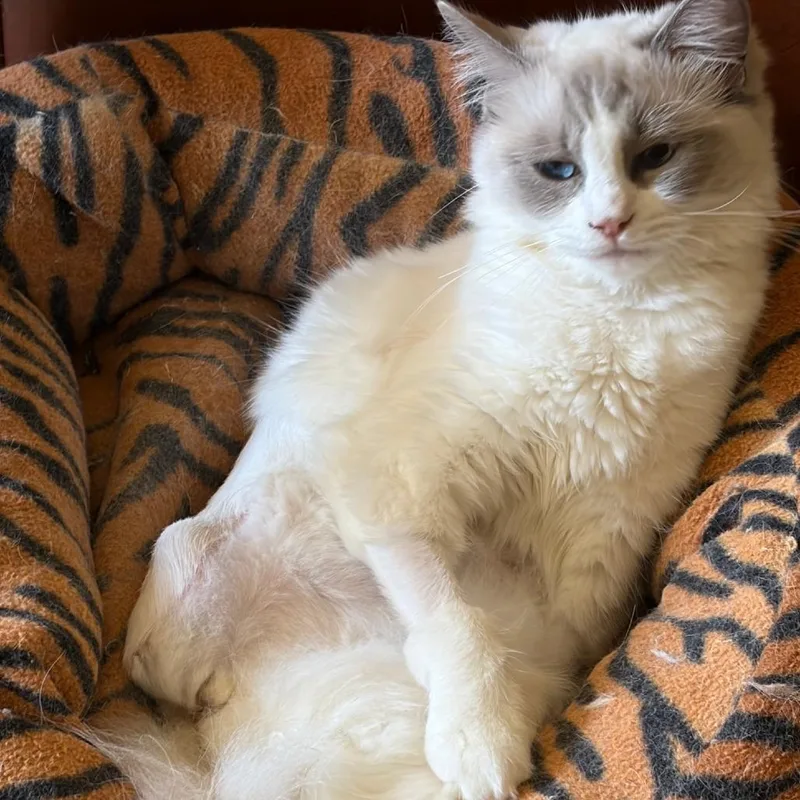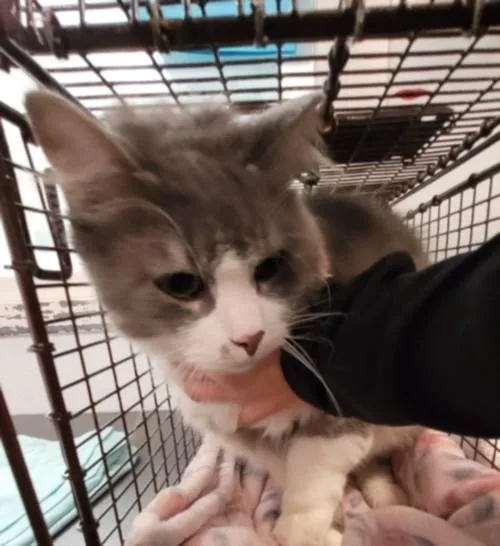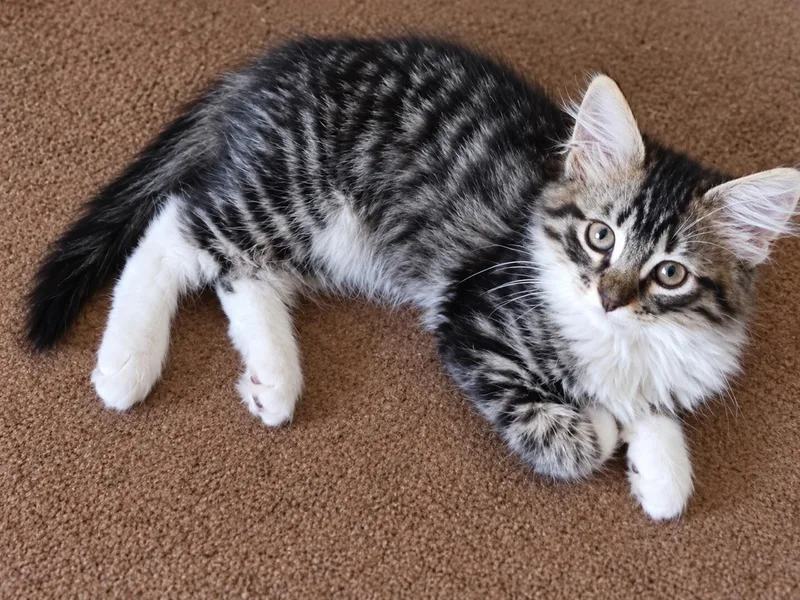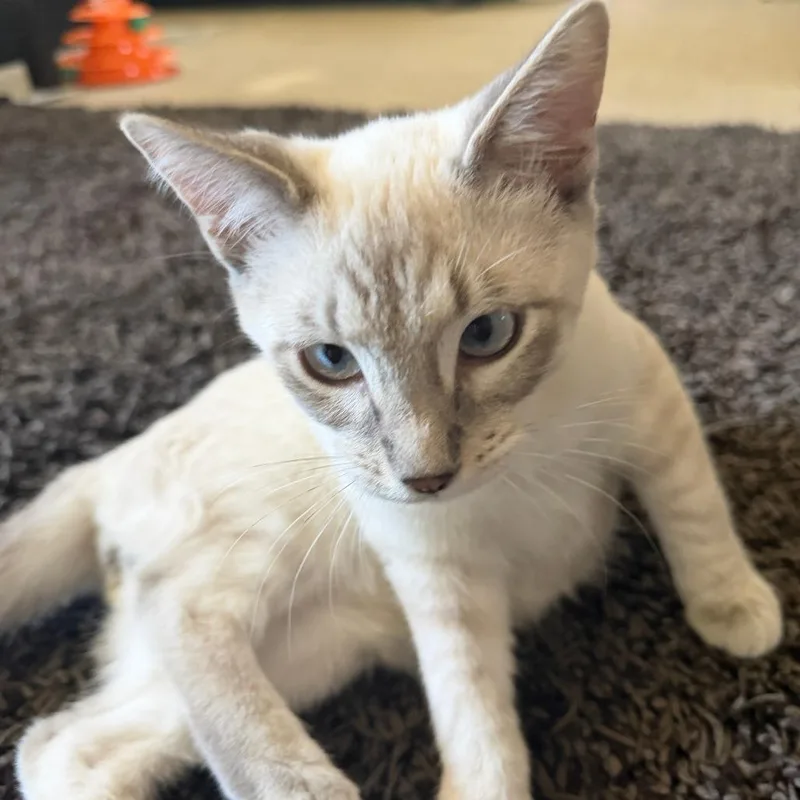
Turkish Van Cats for Adoption in Los Angeles, CA

Your guide to finding and caring for a Turkish Van in LA

Adopting a Turkish Van in LA means pairing an athletic, water-curious cat with a city of mild winters, warm summers and plenty of apartments. Vans are uncommon, so check the pet grid on this page often and keep an eye on the six LA Animal Services centers and local rescues. LA Animal Services says its centers are operating at max capacity, and its adopted cats go home spayed or neutered, vaccinated and microchipped.

180 Turkish Vans available in Los Angeles and nationwide

Bring home a Turkish Van

Turkish Vans Available for Adoption Near Los Angeles

About the Turkish Van breed

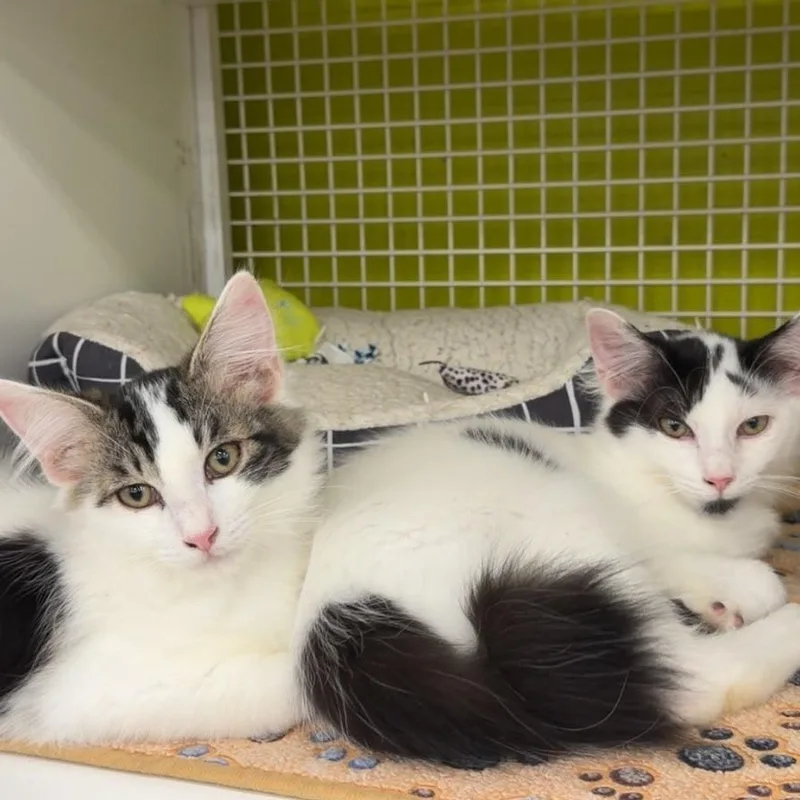
The Turkish Van is a large, semi-longhaired cat with a white body and color on the head and tail, a pattern named after the breed. Its single, cashmere-soft coat has no undercoat and sheds water easily, and many Vans love to investigate sinks, tubs and splashing. Males can reach about 20 pounds, and cats may take three to five years to fully mature.

In LA, an indoor home with tall perches suits this athletic cat well. Expect a clever, chatty companion that prefers play and company on its own terms over being held. Because Vans are uncommon in shelters, you may meet Van-type or mixed cats, so judge each cat by its own behavior rather than its looks or breed lore.

Weight
7–20 lbs
Height
10–14 in
Lifespan
12–17 yrs
Temperament
Active, Intelligent, Playful
Shedding
Moderate

Owning a Turkish Van in Los Angeles

Having a Turkish Van in LA

Turkish Vans are strong, athletic cats that climb, fetch and investigate water. In LA, that energy is best channeled indoors with vertical space and daily play, which also protects a cat from heat, smoke and traffic. Every cat differs, so spend time with the cat before deciding.

Temperament

Many Turkish Vans are bold, curious and devoted, following their people from room to room and chatting softly. Most dislike being carried or restrained, and some are wary of strangers. In a busy LA apartment, a quiet retreat and patient, hands-off bonding help. Watch how this cat reacts to visitors and handling when you meet it.
Exercise Needs

Plan on daily, energetic play: wand toys, fetch and chase sessions that let a Van sprint and leap. Puzzle feeders and rotating toys add mental exercise. Since LA's mild weather invites open windows, use secure screens, and consider a closed-in catio or harness training for outdoor time rather than letting a cat roam.

Health Considerations

Heart muscle disease has been reported in Turkish Vans, so ask your vet about heart checks. Their large frames make weight control important, and dental disease is common in cats generally. LA Animal Services adoptions include spay or neuter, vaccines, a microchip and a free exam at a participating vet within three working days.

Living Space

Most LA homes can work for a Van, because vertical space matters more than square footage. Tall cat trees, wall shelves, sturdy scratchers and window perches suit apartments and condos alike. Keep toilet lids closed and tubs drained, since many Vans investigate water with enthusiasm.

What it costs to own a Turkish Van in Los Angeles

ExpenseTypical costPer year
Adoption fee$150 to $325, one time$150 to $325 in year one
Food$30 to $60 per month$360 to $720
Pet insurance$25 to $55 per month$300 to $660
Routine vet care$150 to $350 per year$150 to $350
Other*$500 to $1,250 per year$500 to $1,250
Estimated yearly total (after year one)$1,310 to $2,980
First-year total (with adoption fee)$1,460 to $3,305

Adoption fee is the range of fees on Turkish Van listings in Los Angeles on GetBuddy today. Other costs are estimates and vary with size, age and health.

* Litter, flea prevention, a dental cleaning allowance, climbing trees, toys and supplies, and combing the semi-long coat through seasonal molts.

Adopt a Turkish Van in Los Angeles.

Now that you know more, let’s find you a new best friend. These rescues and shelters below currently have Turkish Vans available.

Rescues in Los Angeles with Turkish Vans Available

LA's rescue community is large, from six city shelters to independent groups that place cats in new homes. Here are the rescues & shelters in the LA area where you can find Turkish Vans and other cats available for adoption.

Frequently Asked Questions

Yes, Turkish Vans can live in Los Angeles as indoor cats. Winters are mild and rarely call for more than a warm perch, while summer heat, especially inland, calls for shade, water and cooling. Smoke and Santa Ana wind days also favor staying inside. Provide climbing space and daily play so an energetic Van stays content.

Yes. Los Angeles doesn't license cats, and its spay and neuter rule covers every cat over 4 months regardless of breed, with exemptions such as a vet's deferral letter. Adopting through LA Animal Services takes care of that, since cats go home sterilized, vaccinated and microchipped. Check the listings on this page often, because Vans are uncommon.

Yes, a Turkish Van can do well in a Los Angeles apartment if it has vertical space and daily play. Before you apply, ask about monthly pet rent, deposits and any size limits, and get pet approval in writing. Add cat trees, wall shelves and window perches, and keep balcony doors, screens and toilet lids secured.

Yes, if your Turkish Van is in a secure, enclosed carrier. Metro requires pets to ride in carriers made for that purpose, and you must keep control of the cat and clean up any waste. Metro states no size limit, so choose a carrier your Van fits in comfortably, and check current fares and rules with Metro before riding.

A Turkish Van usually needs combing about once a week, and more often during seasonal molts. Skip shaving the coat in summer; LA Animal Services says fur protects against sunburn and overheating, so keep the cat cool with shade and air conditioning instead. Home combing is inexpensive, and any professional grooming falls within the Other yearly estimate on this page.

Yes, Turkish Van cats are rare, especially in the United States, where relatively few are registered each year. Even in Europe, where the breed is better known, they make up only a tiny share of pedigreed kitten registrations. Because purebred Vans seldom reach shelters, adopters often find van-patterned domestic cats, which share the striking look but not necessarily the breed's personality.

A Turkish Van is a large, semi-longhaired cat breed known for its white body with color only on the head and tail. The breed was developed in Britain from cats brought from Turkey in 1955 and named after the Lake Van region. Vans are typically athletic, clever and playful, with a soft, water-resistant coat that lacks an undercoat.

No, Turkish Van cats are not hypoallergenic. Their single coat without an undercoat may shed less visible fluff than some longhairs, but allergens come mainly from proteins in saliva and skin, which every cat produces. People with mild allergies sometimes tolerate individual cats better than others, so spending extended time with the specific Van before adopting is the best test.

We have 2 rescues with Turkish Vans available: Animals in Need Rescue Network and Feline Underground Network. You can see every rescue with Turkish Vans available in the list above these questions, or scroll to the top to see the Turkish Vans near Los Angeles.

Expect roughly $1,300 to $3,000 a year for a Turkish Van, based on the ranges below: $30 to $60 a month for food, $25 to $55 a month for insurance, $150 to $350 a year for routine vet care, and $500 to $1,250 a year for litter, supplies and other costs. Emergencies come on top.