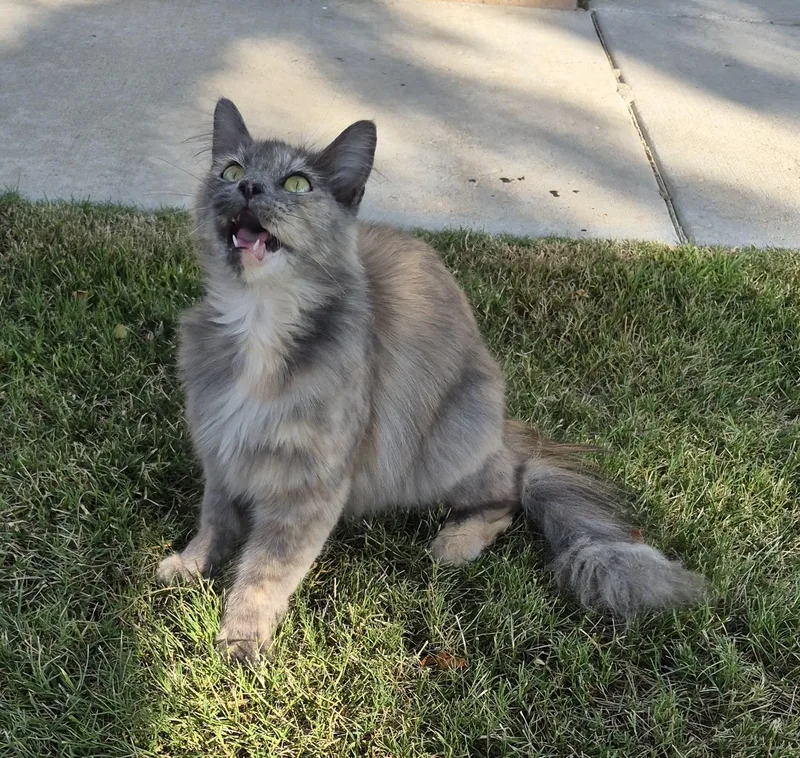
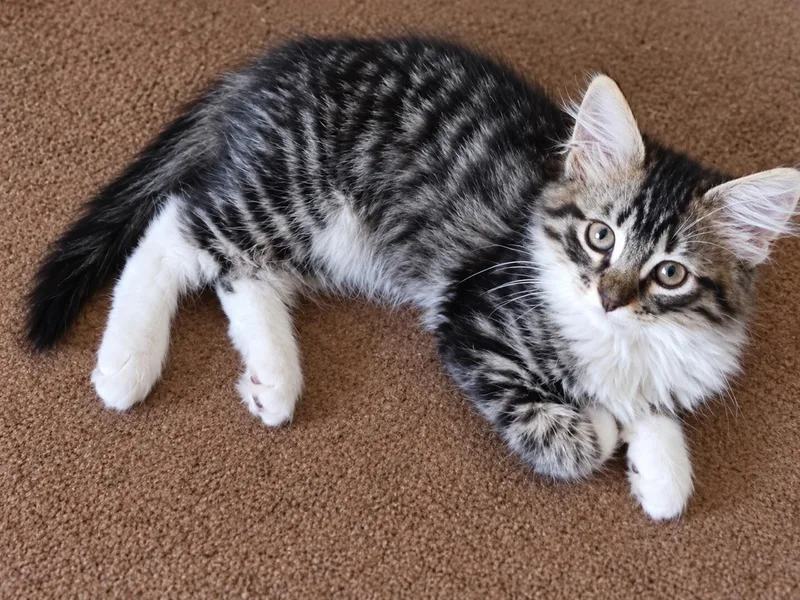
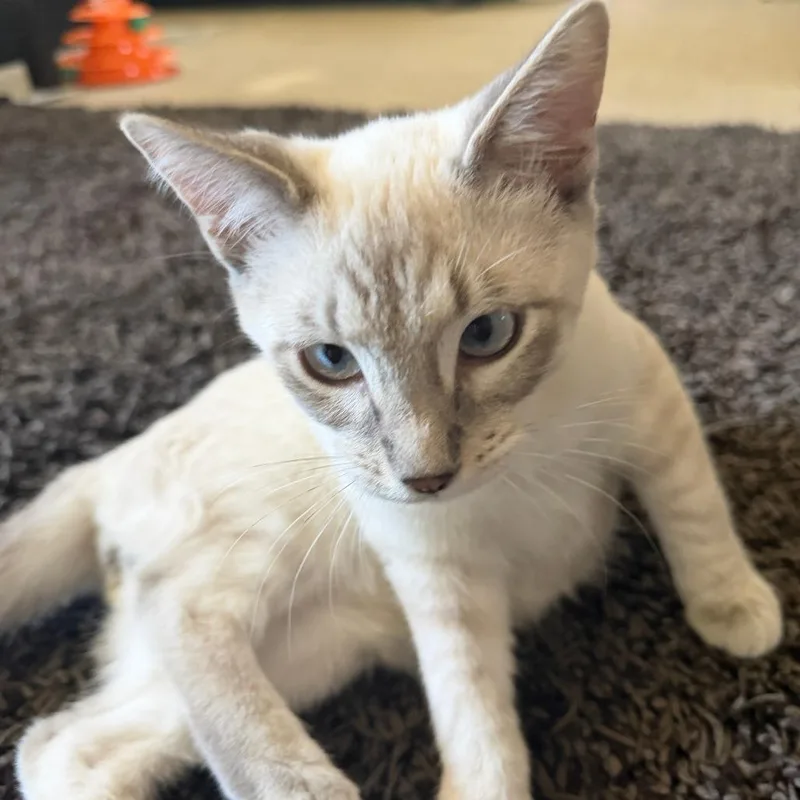
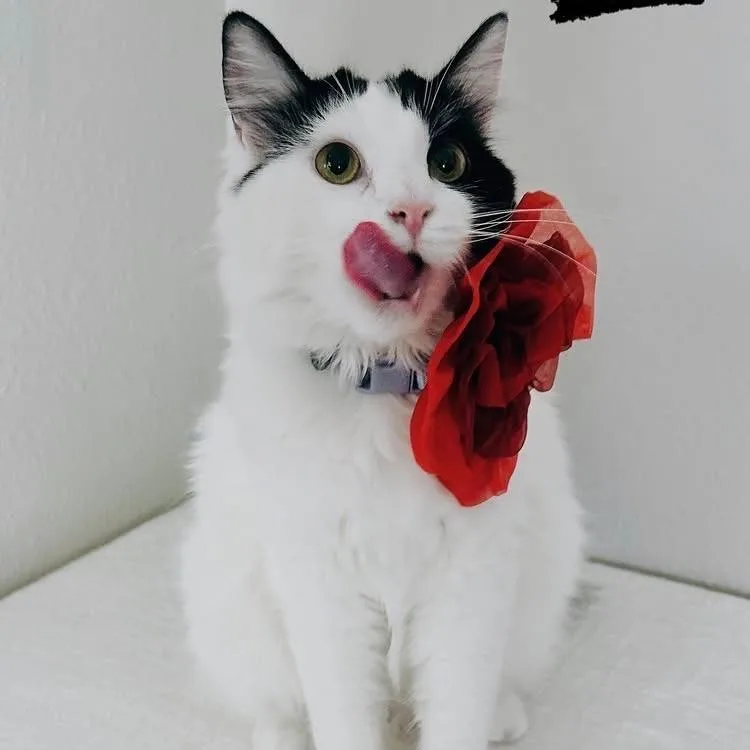
Tortoiseshell Cats for Adoption in Los Angeles, CA

Your guide to finding and caring for a Tortoiseshell in LA

Adopting a Tortoiseshell in LA means choosing a cat for her personality, not just her patchwork coat. Tortoiseshell is a color pattern, so the torties at LA shelters and rescues can be shorthairs or longhairs of any age and temperament. Look at each cat's history, energy level and comfort with new people. Availability changes often, so check the listings below and visit in person to meet the cats waiting for homes.

15 Tortoiseshells available for adoption in Los Angeles

Your Tortoiseshell is waiting

Tortoiseshells Available for Adoption in Los Angeles

About the Tortoiseshell breed

Tortoiseshell describes a coat, not a breed. Black-based and orange-based colors mix in patches or a fine mottled blend, and nearly all torties are female. Most are domestic shorthairs, though the pattern also appears in many purebred lines, so size, coat length and grooming needs vary from one cat to the next.

In LA, a tortie's day-to-day life depends far more on home setup than on color. A mild climate and plenty of apartments make indoor living the usual choice, with daily play, scratching posts and window perches keeping her busy. The tortitude reputation is folklore, so judge each cat by how she acts at the shelter rather than by her markings.

Weight
6–14 lbs
Height
8–10 in
Lifespan
12–18 yrs
Temperament
Independent, Affectionate, Playful
Shedding
Moderate

Owning a Tortoiseshell in Los Angeles

Having a Tortoiseshell in LA

Because a tortie's traits come from her ancestry, age and history, LA adopters get the best read from the cat in front of them. Shelter notes and a quiet meeting reveal more about energy, sociability and comfort in a busy city than her coat ever will.

Temperament

Torties are often called spirited, but that reputation rests mostly on owner impressions. In LA's busy apartments and shared walls, a calm, social cat may adapt easily, while a shy one may want hideaways and quieter rooms. Watch how she reacts to noise, handling and new people when you meet her.

Exercise Needs

Most torties do well with daily interactive play: wand toys, chase games and puzzle feeders. Young cats need more, seniors less. In LA, indoor enrichment goes a long way, so add cat trees and sunny window perches. Short sessions morning and evening keep an apartment cat fit and entertained.

Health Considerations

The tortie pattern itself carries no special health risks for female cats, and the rare males often have an extra X chromosome that can bring added concerns. Overall health depends on ancestry, age and care. Plan on yearly checkups, dental care and a healthy weight. LA shelters typically spay or neuter, vaccinate and microchip adopted cats.

Living Space

Torties fit LA's apartments, condos and houses equally well, because space needs follow the cat, not the coat. Vertical space matters most in smaller units: a cat tree, shelves and a window perch with a secure screen. Keeping cats indoors also avoids traffic and the coyotes found in hillside areas.

What it costs to own a Tortoiseshell in Los Angeles

ExpenseTypical costPer year
Adoption fee$150 to $600, one time$150 to $600 in year one
Food$25 to $50 per month$300 to $600
Pet insurance$20 to $45 per month$240 to $540
Routine vet care$150 to $350 per year$150 to $350
Other*$450 to $1,150 per year$450 to $1,150
Estimated yearly total (after year one)$1,140 to $2,640
First-year total (with adoption fee)$1,290 to $3,240

Adoption fee is the range of fees on Tortoiseshell listings in Los Angeles on GetBuddy today. Other costs are estimates and vary with size, age and health.

* Litter, flea prevention, a dental cleaning allowance, toys and supplies, and home grooming; costs vary with the cat's size and coat.

Adopt a Tortoiseshell in Los Angeles.

Now that you know more, let’s find you a new best friend. These rescues and shelters below currently have Tortoiseshells available.

Rescues in Los Angeles with Tortoiseshells Available

LA has city shelters and many independent rescues, so patchwork-coated cats turn up all over town. Here are the rescues & shelters in the LA area where you can find Tortoiseshells and other cats available for adoption.

Frequently Asked Questions

Yes, if she is in a secure carrier. Metro's code of conduct allows animals only in a carrier made for that purpose, or if they are ADA service animals, and handlers must keep control and clean up any mess. A tortie riding Metro Rail should be calm in her carrier. Check current fares with Metro before your first trip.

Most can, with sensible precautions. Central LA summers reach the mid-80s, but the San Fernando Valley gets much hotter, and heat can last into October. Keep her indoors with fresh water and shade, use fans or air conditioning on hot days, and never shave her. Heavy panting or unsteadiness means heat stress and a vet visit.

Yes. No breed or coat restrictions apply to cats in the City of LA. You will need to follow the spay and neuter rule for cats over 4 months, and households are limited to five cats. LA Animal Services adopts out cats already sterilized, vaccinated and microchipped, so most adopters meet these requirements at pickup.

Yes, torties usually do well in apartments because their needs are met with play, climbing space and routine. Before applying, ask the landlord for the written pet policy and confirm any deposit or monthly pet rent. Provide a cat tree, scratchers and secure window screens, and consider a calm corner if your building is noisy.

Often, yes, depending on the cat. LA's mild weather and indoor-friendly housing suit many torties, but some are shy and some are very active. Meet her first, look at her energy and how she handles noise, and make sure your schedule allows daily play. Her personality matters more than her coat.

Usually little. Most torties are shorthairs who need brushing once or twice a week, more during shedding, while longhaired cats may need near-daily combing. LA's mild climate rarely adds coat demands, but don't shave her in summer. Home grooming supplies fall under the Other cost line, and a professional groomer is optional.

A tortoiseshell cat is a cat with a coat pattern of black-based and orange-based colors blended or patched together, usually with little or no white. It is not a breed; the pattern appears in many breeds and most often in domestic shorthairs. Nearly all tortoiseshells are female because the genes for orange and black are carried on the X chromosome.

Almost all tortoiseshell cats are female, but not all. A female has two X chromosomes and can carry both orange and black color genes, producing the mixed coat. Males normally have only one X. Rare male torties usually have an extra X chromosome or are genetic chimeras, and they are estimated at roughly 1 in 3,000 tortoiseshells.

We have 5 rescues with Tortoiseshells available, including Stray No More, The Cat's Meow Animal Rescue and Fur Baby Rescue. You can see every rescue with Tortoiseshells available in the list above these questions, or scroll to the top to see the Tortoiseshells in Los Angeles.

Expect roughly $1,140 to $2,640 a year for a tortie in LA. That covers food at $25 to $50 a month, insurance at $20 to $45 a month, routine vet care at $150 to $350 a year, and other costs at $450 to $1,150 a year, including litter. Cats need no city license.