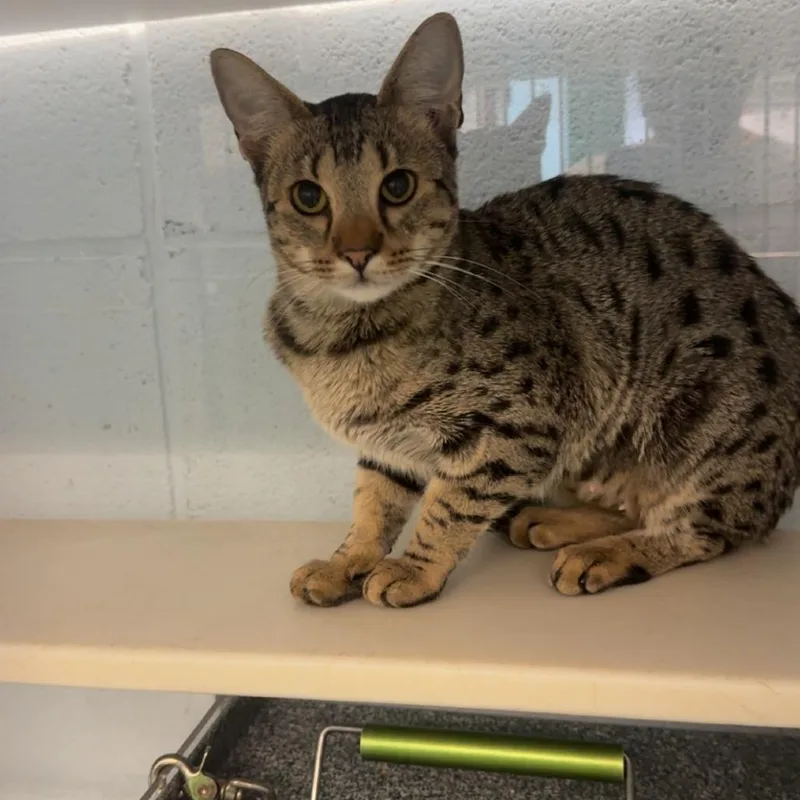
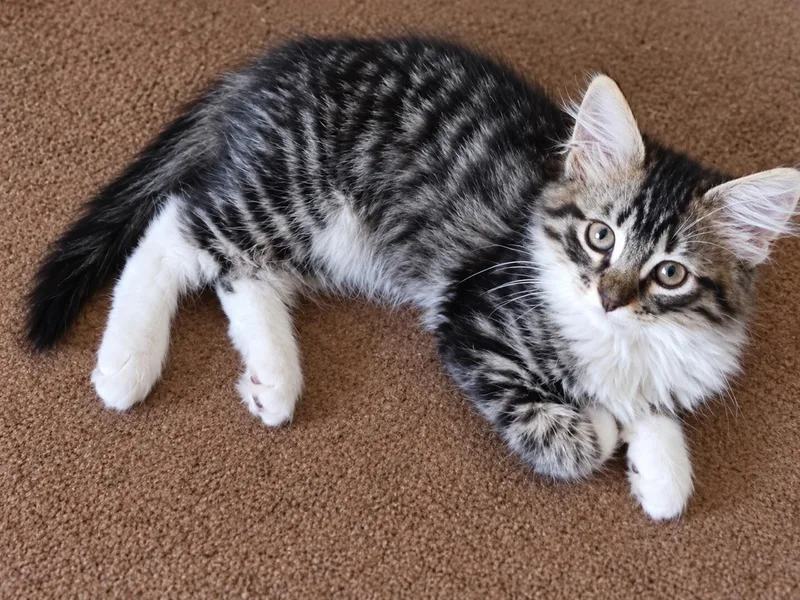
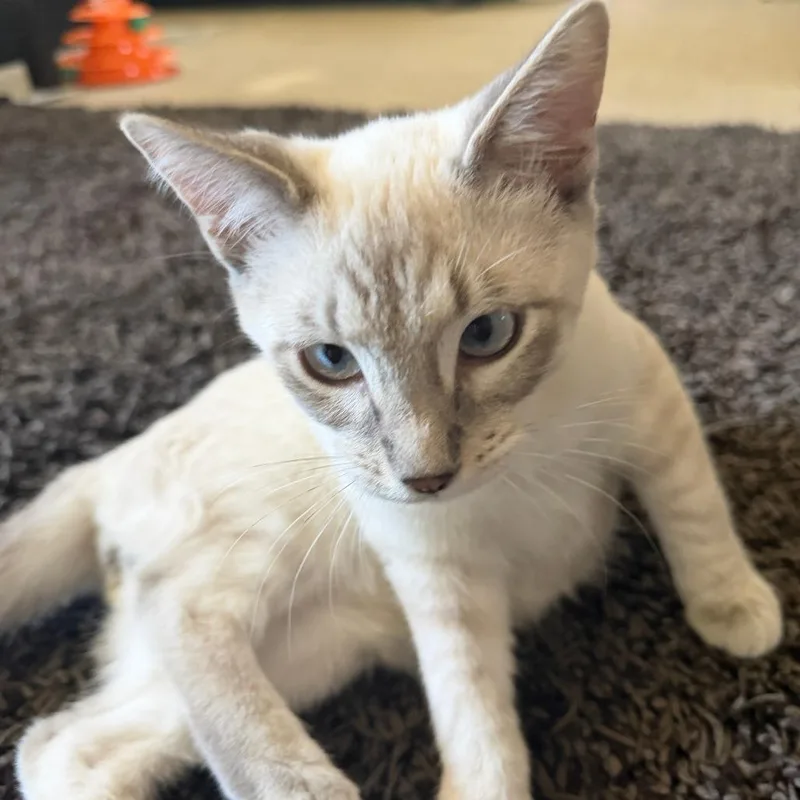
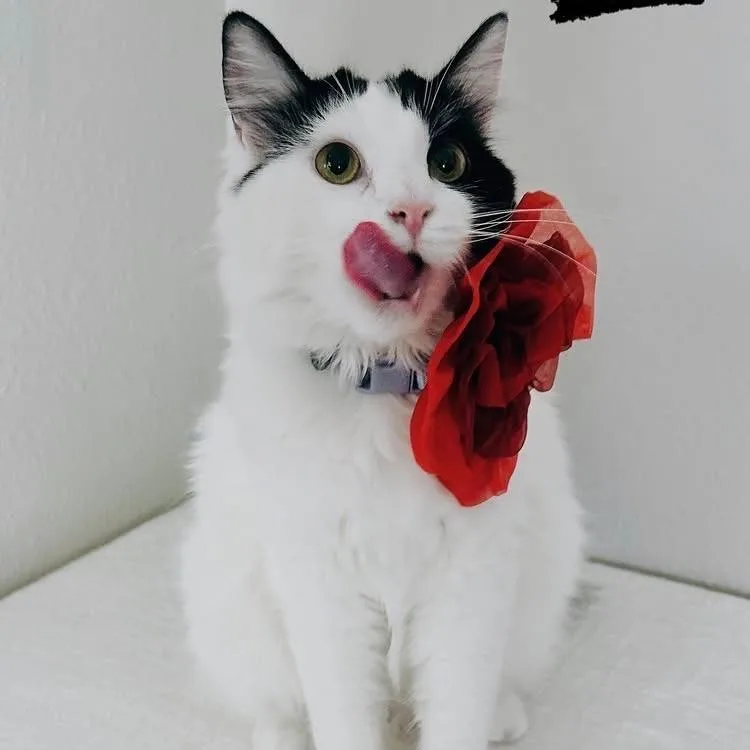
Ocicat Cats for Adoption in Los Angeles, CA

Your guide to finding and caring for an Ocicat in LA

Ocicats in Los Angeles pair a spotted, wild-looking coat with a social, playful personality that suits an engaged household. Adopting here means looking through City shelters and local rescues, and the cats listed on this page change often. A cat's history, how it handles company and how it copes when left alone all matter, so look at each of them when you meet the cat. City shelter adoptions include spay/neuter, vaccines and a microchip.

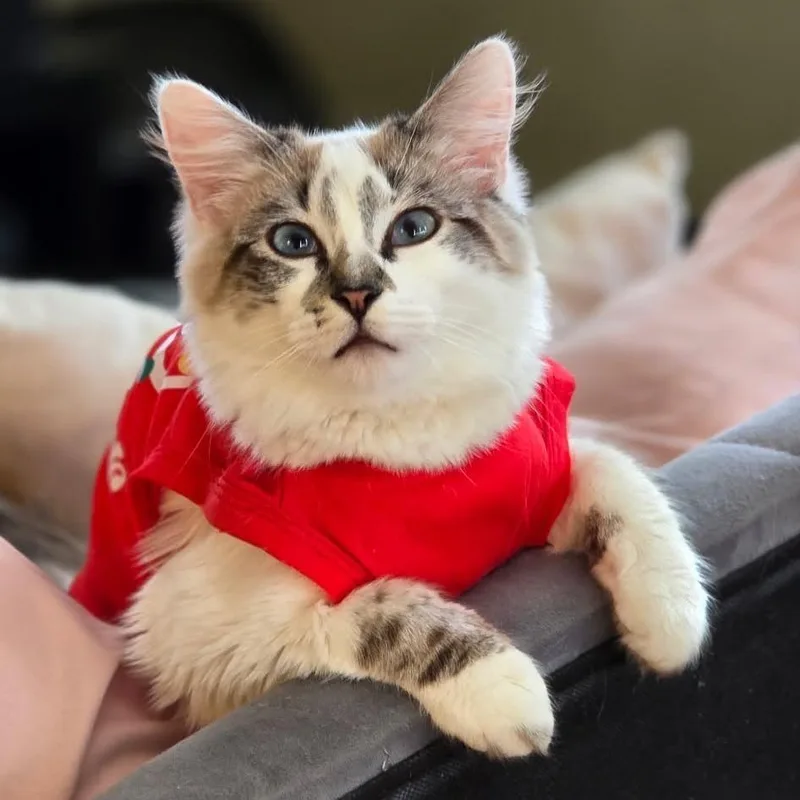
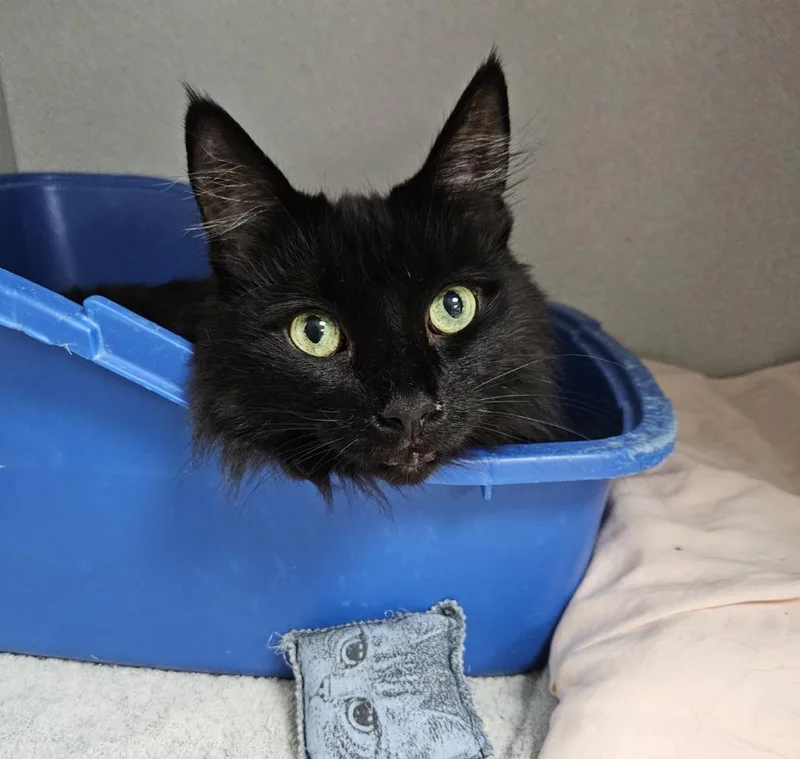
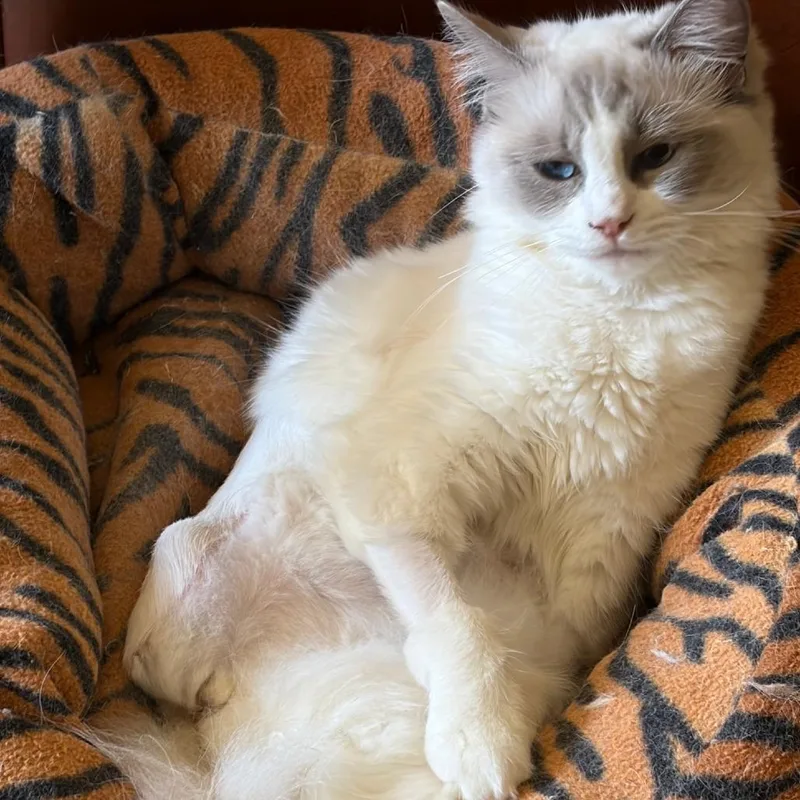
18 Ocicats available in Los Angeles and nationwide

Say hello to your Ocicat

While we don't have enough cats near Los Angeles, keep in mind that many rescues may offer transport.

Ocicats Available for Adoption Near Los Angeles

About the Ocicat breed

The Ocicat is a fully domestic cat created in Michigan in 1964 and named for its resemblance to an ocelot. It is medium-sized but muscular and heavier than it looks, usually 6 to 15 pounds, with a short, satiny coat marked by thumbprint spots. Some striping on the legs and tail is normal for the spotted pattern.

In LA, the mild climate and low-maintenance coat make daily care simple, but the personality takes more planning. These cats tend to be sociable, clever and active, so they do best with daily play, climbing space and company. Weekly brushing is usually enough. Cats vary, so meet the cat and look at how it behaves.


Weight
6–15 lbs
Height
9–11 in
Lifespan
12–18 yrs
Temperament
Social, Active, Intelligent, Devoted
Shedding
Low to Moderate

Owning an Ocicat in Los Angeles

Having an Ocicat in LA

For an Ocicat, the practical questions in LA are company, activity and heat: how much time someone is home, how much vertical space the home offers, and how to keep a cat cool and safe indoors during hot spells.

Temperament

Ocicats are typically outgoing and attached to their people, which can suit a busy city household with frequent visitors. The flip side is that many dislike long hours alone, and street noise may unsettle some. Meeting the cat first shows how it reacts to new people, sounds and changes in routine.

Exercise Needs

Plan on daily interactive play, such as wand toys, fetch and puzzle feeders, plus tall cat trees or wall shelves. In LA, most of this happens indoors. Some Ocicats learn harness walking, which works best on quiet streets at cooler hours of the day. Always use a secure, well-fitted harness.

Health Considerations

Ocicats can carry inherited conditions including renal amyloidosis, pyruvate kinase deficiency, progressive retinal atrophy and heart disease, though many cats stay healthy. Ask your vet to review any records, and schedule regular exams and dental care. LA's long warm season is also a good reason to talk with a local vet about flea prevention.

Living Space

An Ocicat can thrive in an LA apartment, condo or house if it has climbing space, window perches and company. Because they are active, a secure balcony enclosure or catio, where your lease or building allows one, offers safe outdoor time. Indoor living is safest for most cats.

What it costs to own an Ocicat in Los Angeles

ExpenseTypical costPer year
Food$25 to $50 per month$300 to $600
Pet insurance$30 to $60 per month$360 to $720
Routine vet care$150 to $350 per year$150 to $350
Other*$450 to $1,150 per year$450 to $1,150
Estimated yearly total (after year one)$1,260 to $2,820

Other costs are estimates and vary with size, age and health.

* Litter, flea prevention, a dental cleaning allowance, toys, scratchers and climbing furniture, and minimal home grooming.

Adopt an Ocicat in Los Angeles.

Now that you know more, let’s find you a new best friend. These rescues and shelters below have cats available in and near Los Angeles.

Rescues and Shelters in or near Los Angeles

LA has six City shelters and many independent rescues where adoptable cats are waiting for homes. Here are the rescues & shelters in the LA area with cats available for adoption, worth asking whether an Ocicat is coming in.

Frequently Asked Questions

Yes. Los Angeles has no breed-specific rules for cats, so an Ocicat is treated like any other cat. Listings don't always label breed, so look for Ocicats, Ocicat mixes or short-coated spotted cats, and check back often because availability changes. Bring a carrier and government photo ID when you adopt from a City shelter.

Yes, if your Ocicat is in a secure carrier made for that purpose. Metro permits animals in carriers, and you must keep control of the cat and promptly clean up any mess. A cat of 6 to 15 pounds usually fits a properly sized carrier. Check current fare rules with Metro before your first ride.

Generally yes, when they live indoors. A short coat doesn't prevent overheating, and inland areas like the San Fernando Valley get far hotter than the coast. Provide a cool room and fresh water, and watch for heavy panting, glazed eyes, unsteadiness or vomiting. Those are signs of heat stress that call for prompt veterinary care.

Yes, if it has enough to do. Ocicats are active and social, so an apartment works best with tall cat trees, window perches, puzzle feeders and daily play, plus someone home often or a playful companion. Secure window screens matter for climbers. Get the landlord's pet policy and any pet charges in writing before you sign.

It can be, for an adopter who wants an interactive cat. Mild winters and indoor comfort suit them, while long workdays, commutes and hot or smoky days take planning. If you're away often, consider interactive toys, a midday visit or a second playful cat. Spend time with a cat before adopting, since each one differs.

Very little. Brush weekly with a soft brush or rubber grooming mitt to remove loose hair and keep the satiny coat glossy, and trim nails and check ears as needed. Never shave an Ocicat for the heat, because fur protects against sunburn. Home grooming costs little and is counted in the Other yearly range.

An Ocicat is a domestic cat breed with a spotted coat that resembles a wild ocelot, though it has no wild ancestry. It was developed in the 1960s from Abyssinian, Siamese and American Shorthair cats. Ocicats are muscular, medium to large and come in twelve colors. Many are social, trainable and often called dog-like in personality.

No, Ocicats are not hypoallergenic. Their short, close-lying coat sheds lightly, but cat allergies are triggered mainly by proteins in saliva and skin that all cats produce. Some allergic people tolerate low-shedding cats better than others, but there is no guarantee. Spend extended time with the specific cat, and talk with your doctor, before adopting.

The name Ocicat blends ocelot and cat. When the first spotted kitten appeared in 1964, a young girl in the household said he looked like an ocelot, a wild spotted cat of the Americas, and the name stuck. It describes only the look; the Ocicat is fully domestic and descends from Abyssinian, Siamese and American Shorthair cats.

Expect roughly $1,260 to $2,820 a year for an Ocicat in Los Angeles. That covers food at $25–$50 a month, insurance at $30–$60 a month, routine vet care at $150–$350 a year, and other costs such as litter, prevention and supplies at $450–$1,150 a year. The adoption fee appears on current listings.

Find Ocicats in Nearby Cities

Expand your search to find Ocicats available for adoption near Los Angeles.