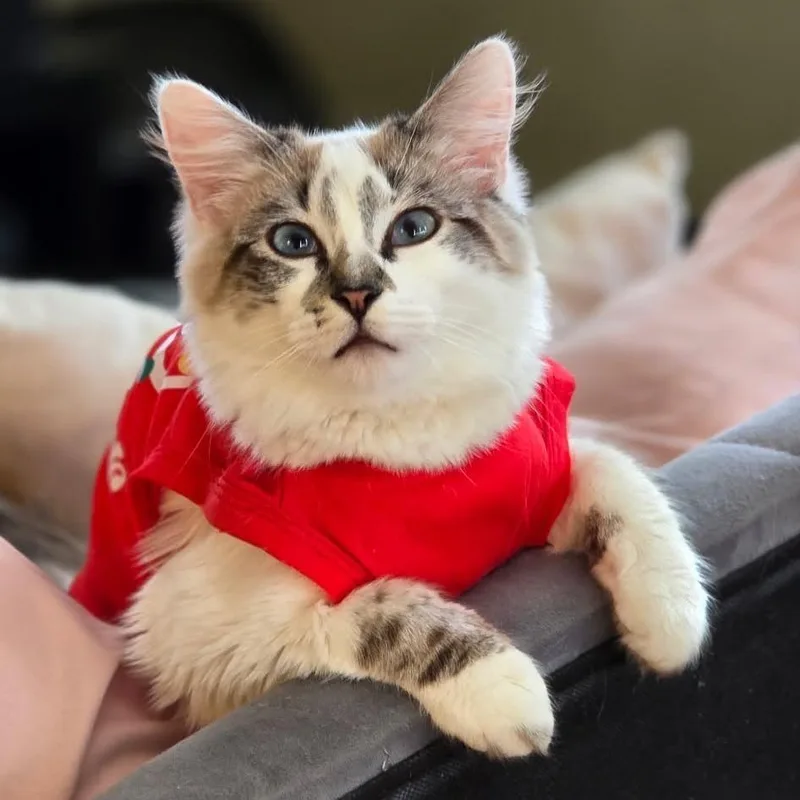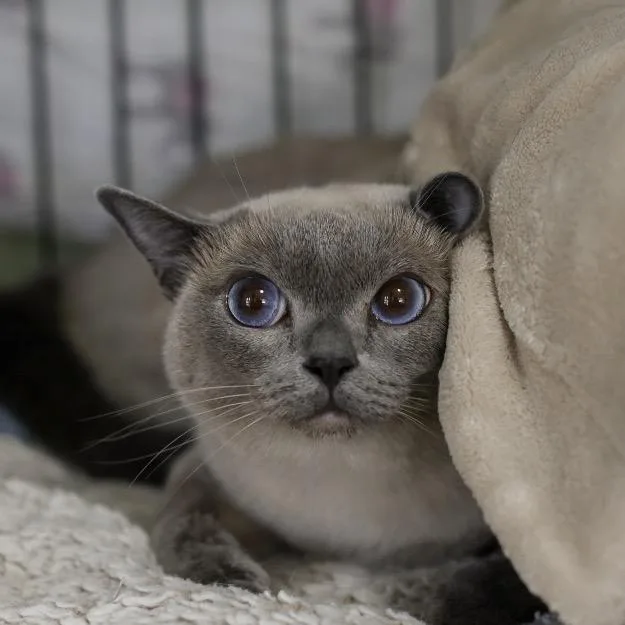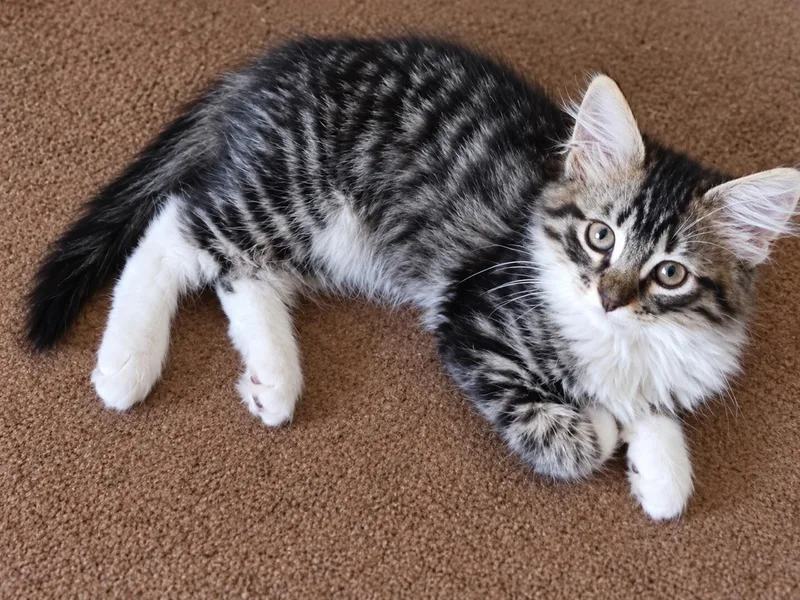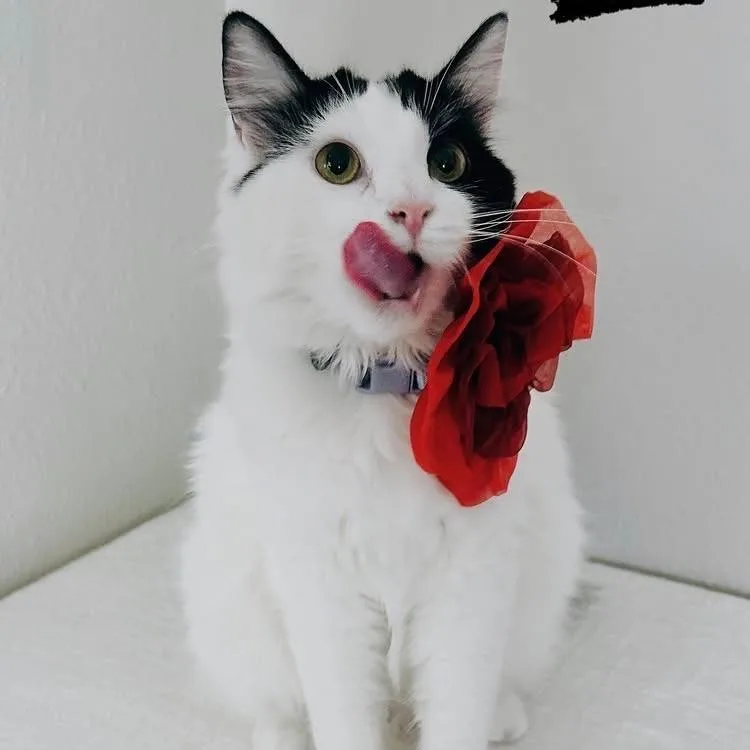
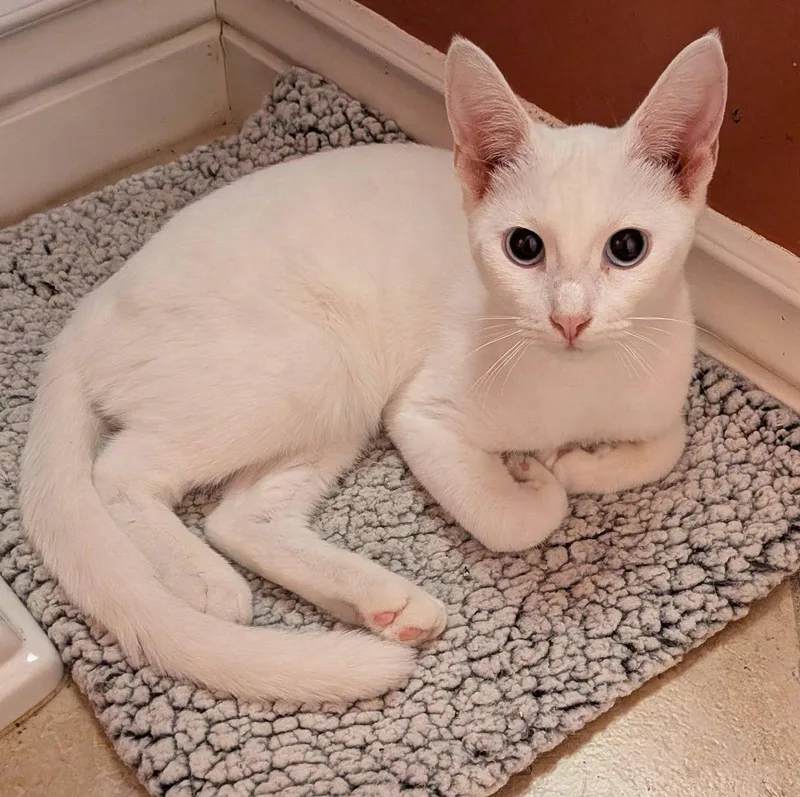
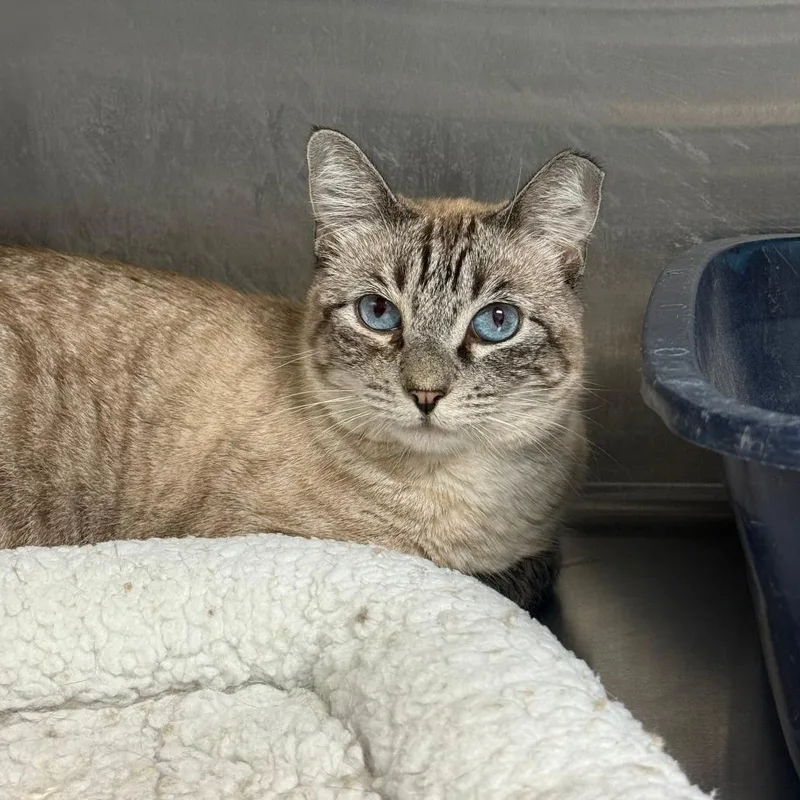
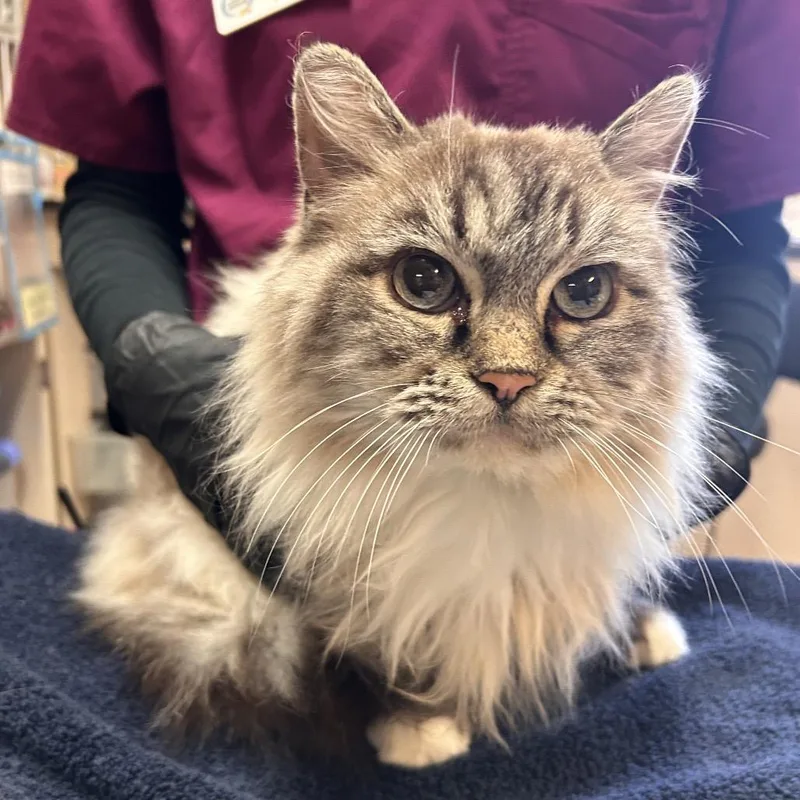
Balinese Cats for Adoption in Los Angeles, CA

Your guide to finding and caring for a Balinese in LA

A Balinese in LA is a social, talkative cat that suits apartment life when someone is around to play. These silky, blue-eyed cats pair easily with the city's indoor lifestyle. Listings change often, so check back regularly and stay open to adult cats and Balinese-like mixes. LA Animal Services runs six city shelters, and many independent rescues across the area also care for cats waiting for homes.

2387 cats similar to Balinese available in Los Angeles and nationwide

Fall for a Balinese

Balinese and Similar Breeds Available for Adoption Near Los Angeles

About the Balinese breed

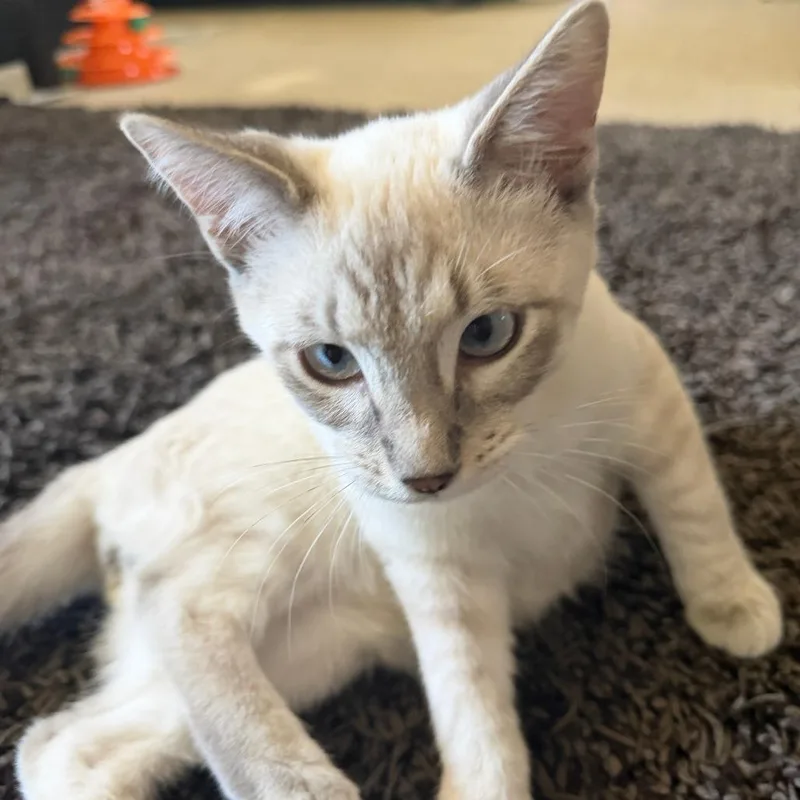
Despite the name, the Balinese has no link to Indonesia. It is essentially a longhaired Siamese, developed in the United States in the 1940s and 1950s and named for the graceful movement of Balinese dancers. It has the colorpoint pattern, vivid blue eyes, a slender body and a silky single coat that ends in a plumed tail.

Many Balinese are bright, social and playful, usually a little quieter than Siamese but still chatty. With no dense undercoat, the coat is easy to keep up. In LA, that makes for a cat well suited to indoor life, as long as it gets daily play, perches and company. Adult shelter cats vary, so spend time with a cat before deciding.

Weight
5–10 lbs
Height
8–11 in
Lifespan
12–20 yrs
Temperament
Affectionate, Intelligent, Playful, Vocal
Shedding
Low to Moderate

Owning a Balinese in Los Angeles

Having a Balinese in LA

Balinese pair Siamese-style brains with an easy single coat. Their need for company, active play style, eye and liver concerns, and love of height shape daily life more than anything else, and LA's mild climate makes an indoor routine simple.

Temperament

Many Balinese bond closely, follow their people from room to room and chat in a softer voice than most Siamese. That suits LA apartments where someone works from home or keeps regular hours, but some cats grow bored or clingy when alone all day. How an adult cat copes with both quiet and company varies from cat to cat.

Exercise Needs

Expect several short play sessions a day: wand toys, fetch, puzzle feeders and climbing. In an LA apartment, a tall cat tree by a sunny window, wall shelves and rotating toys supply most of the activity. Some cats learn harness walking, but indoor play covers the need and keeps a curious cat away from traffic.

Health Considerations

Siamese-line cats can be prone to progressive retinal atrophy, liver amyloidosis, dental disease and asthma, though many never develop them. Schedule yearly checkups, dental care and a quick vet visit for vision changes or weight loss. During LA wildfire smoke, keep the cat inside and seek care promptly for labored breathing.

Living Space

A Balinese does well in an LA apartment, condo or house if it has vertical space and company. Window perches, shelves and a sturdy cat tree matter more than square footage. Keep windows and balcony doors screened or secured, since curious climbers can slip out, and plan daily playtime or a compatible companion cat if the home is empty for long stretches.

What it costs to own a Balinese in Los Angeles

ExpenseTypical costPer year
Food$25 to $50 per month$300 to $600
Pet insurance$25 to $50 per month$300 to $600
Routine vet care$150 to $350 per year$150 to $350
Other*$450 to $1,150 per year$450 to $1,150
Estimated yearly total (after year one)$1,200 to $2,700

Other costs are estimates and vary with size, age and health.

* Litter, flea prevention, a dental cleaning allowance, toys, scratchers and cat trees, and minimal grooming for a single coat.

Adopt a Balinese in Los Angeles.

Now that you know more, let’s find you a new best friend. These rescues and shelters below have cats available in and near Los Angeles.

Rescues and Shelters in or near Los Angeles

LA has six city shelters plus many independent rescues, all working to match cats with homes. Here are the rescues & shelters in the LA area with cats available for adoption, worth asking whether a Balinese is coming in.

Frequently Asked Questions

Yes, nothing in LA's rules singles out the Balinese, so ownership comes down to your household. To adopt from an LA Animal Services center, bring government photo ID; any cat can be adopted from any of the six centers, open Tuesday through Sunday without an appointment. If several people want the same cat, the center may hold a silent auction.

Yes, a Balinese usually does well in an LA apartment, provided it has company and things to climb. Wall shelves, a tall cat tree and window perches matter more than square footage. This is a talkative breed, so expect some chatter and plan daily play to keep it content. Ask your landlord about pet rules before you adopt.

Yes, as an indoor cat with a cool room to retreat to. Afternoon sun through west-facing windows can overheat an apartment, so close blinds and use fans or air conditioning where possible. Never leave a cat in a parked car; California law prohibits confining an animal in a vehicle in conditions that endanger it. Valley homes run much hotter than coastal ones.

Yes, but only in a secure carrier. Metro allows pets on its trains and buses when they are in an enclosed carrier made for that purpose, and you must keep control of the cat and clean up any waste. A Balinese weighing 5 to 10 pounds should fit most standard carriers. Check with Metro for current fare rules before you ride.

Very little. A Balinese has a fine single coat with no dense undercoat, so brushing a few times a month is usually enough. Don't shave the coat in summer, since fur protects against sun and overheating. Professional grooming is rarely necessary, so the small grooming allowance sits in the Other cost line. Check teeth and nails regularly.

Often, yes, if you can offer attention and a home with climbing space. Mild weather and indoor apartment living work well for this cat. Before adopting, meet the cat and look at how it reacts to noise, since traffic and July 4 fireworks can stress sensitive cats. An adult cat's personality is easier to judge than a kitten's.

No, Balinese cats are not hypoallergenic. Claims that they produce less of the main cat allergen, Fel d 1, are widely repeated but not supported by solid research. Their single coat sheds less than many longhaired breeds, which some allergic people find easier. Reactions vary between people and cats, so spend time with the individual cat before adopting.

Balinese is usually pronounced BAH-lih-neez, with the stress on the first syllable, the same way people say the word for something from Bali. Some people say BAL-ih-neez instead, and both are understood. The name was chosen to evoke the grace of Balinese dancers, not because the cats come from Bali.

Balinese cats shed, but usually less than you might expect from a longhaired cat. Their fine, silky coat has no dense undercoat, so it sheds lightly year-round with modest seasonal increases. The coat rarely mats. Brushing or combing once or twice a week removes loose hair and helps reduce hairballs.

A Balinese typically costs about $25–$50 a month for food and $25–$50 a month for insurance, plus $150–$350 a year for routine vet care and $450–$1,150 a year for other costs such as litter, flea prevention and dental care. That adds up to roughly $1,200–$2,700 a year, before emergencies.