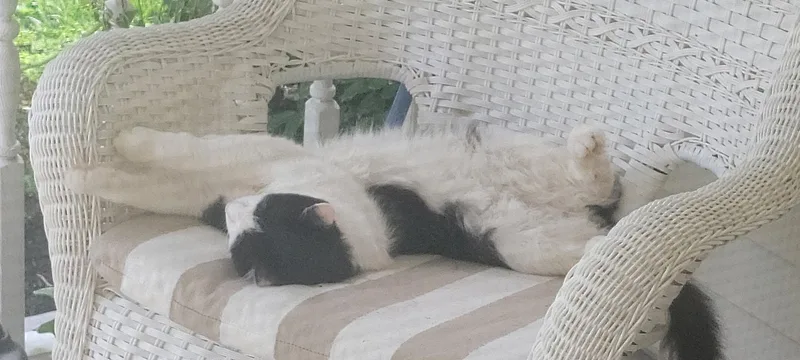
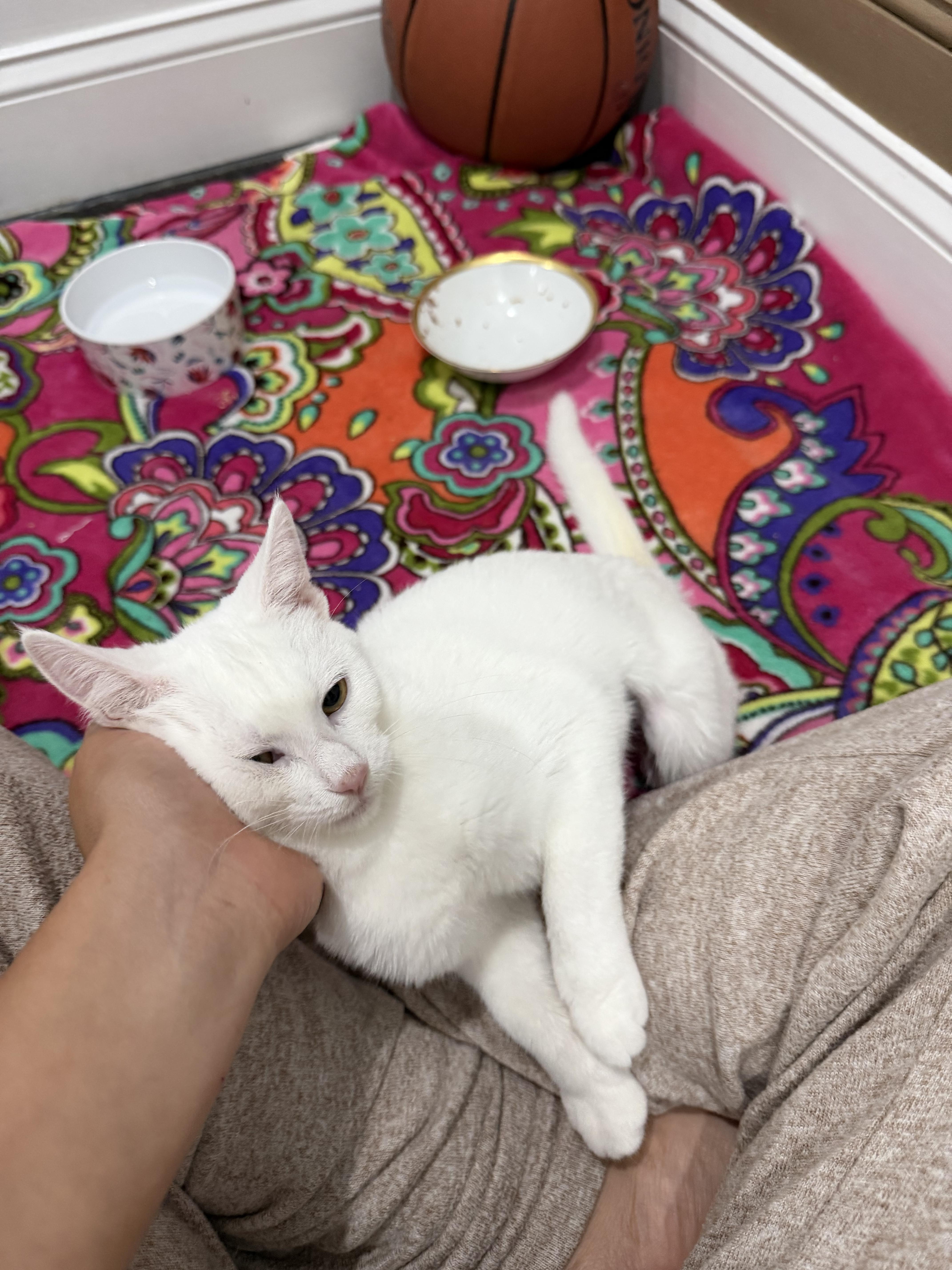
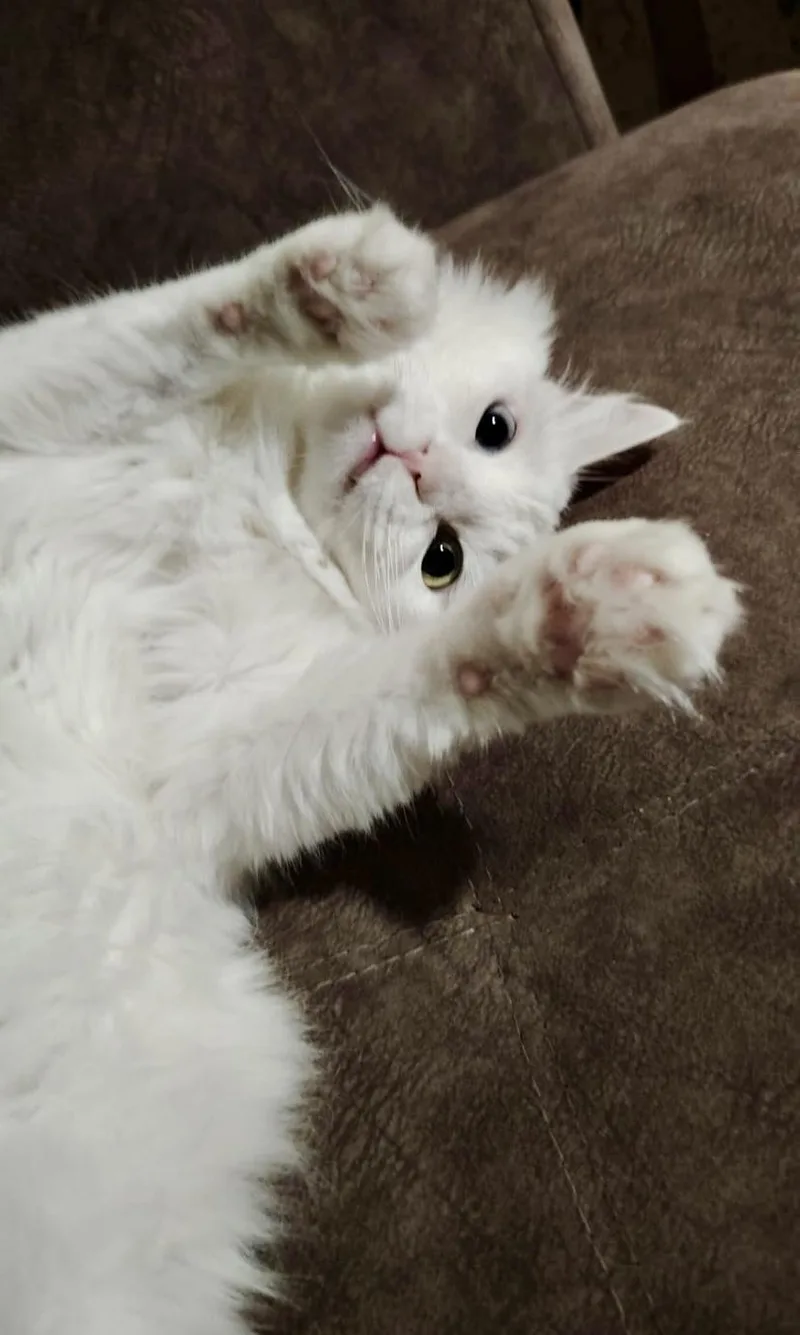
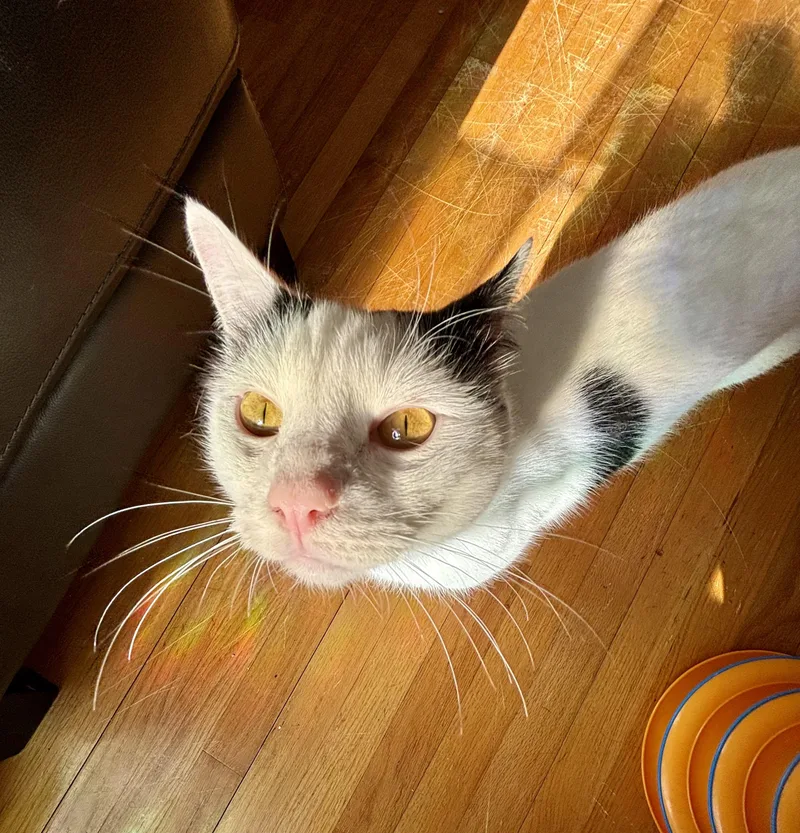
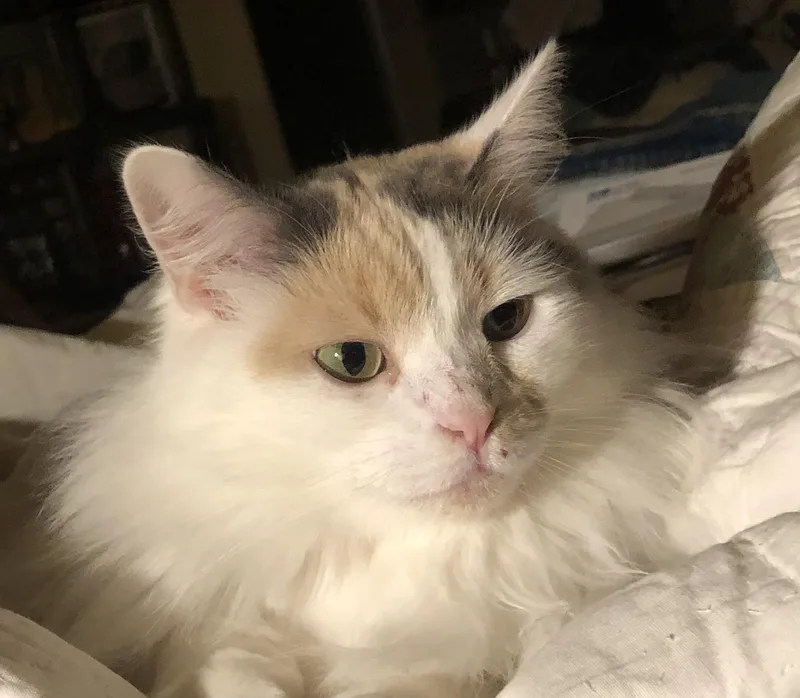
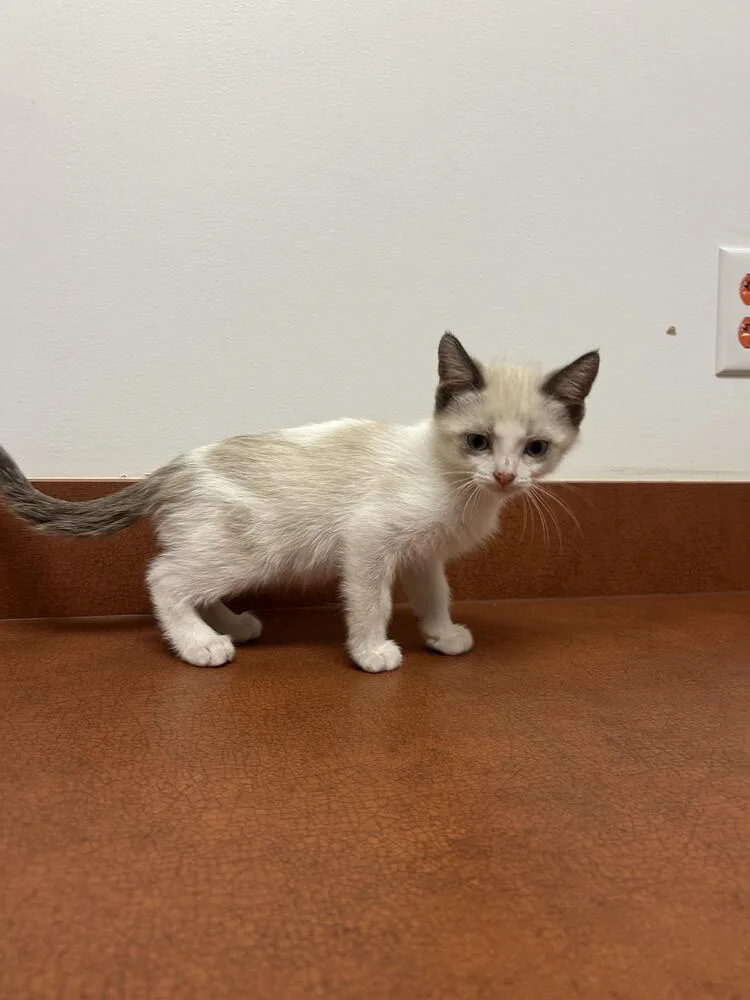
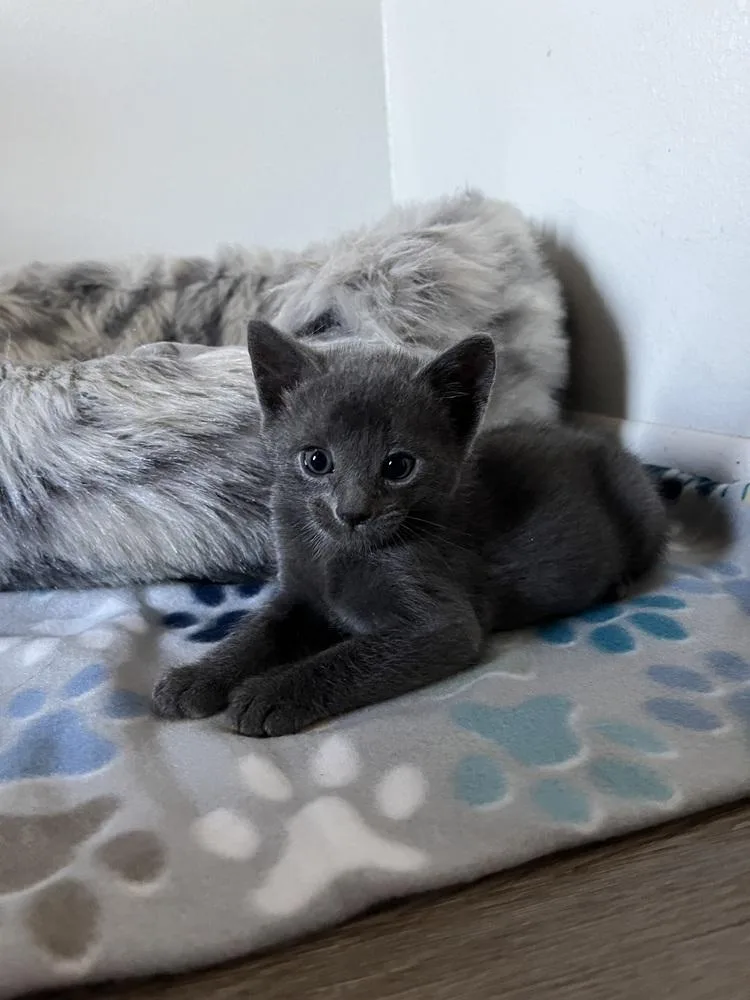
Turkish Angora Cats for Adoption in Lancaster, CA

Your guide to finding and caring for a Turkish Angora in Lancaster

35 Turkish Angoras available in Lancaster and nationwide

Your Turkish Angora is waiting

While we don't have enough cats near Lancaster, keep in mind that many rescues may offer transport.

Turkish Angoras Available for Adoption Near Lancaster

About the Turkish Angora breed

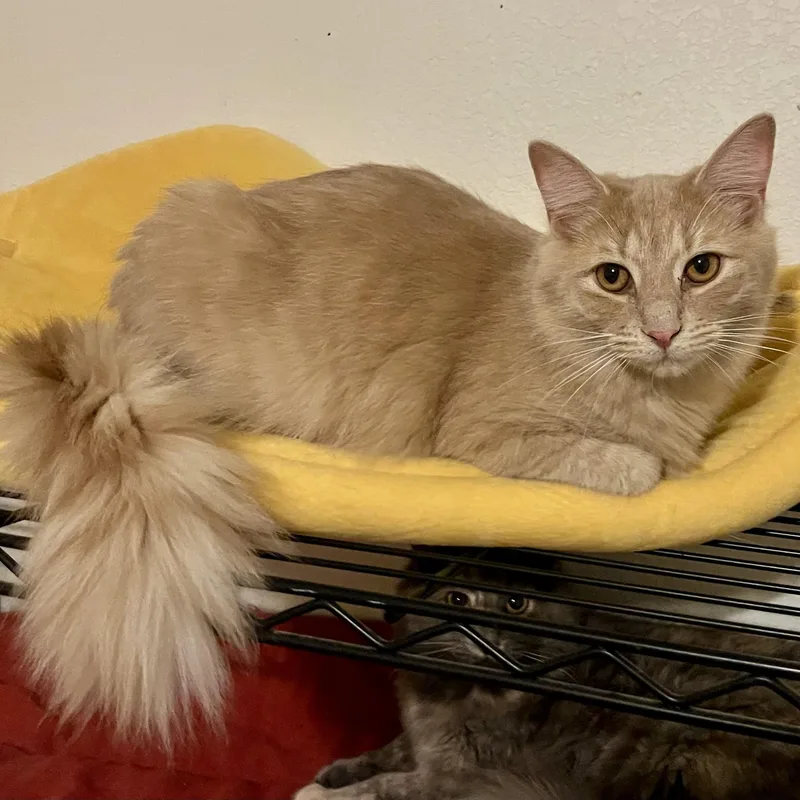
Few cat breeds have documented roots as old as the Turkish Angora, a natural longhair from the region around Ankara that was already reaching Europe in the 1600s. When it was widely crossed with Persians in the West, the original type nearly vanished, surviving through white cats with blue, amber or odd-colored eyes kept at the Ankara Zoo. Today the breed comes in most colors, with a fine-boned, elegant body, large upright ears and a silky single coat that ends in a plumed tail.

Turkish Angoras are often energetic, clever and deeply involved in household life, following people from room to room and claiming the highest perch available. Many bond strongly with one person and dislike sudden change. White, blue-eyed cats carry a higher risk of deafness, and adopters should expect daily play rather than a sedentary lap cat.

Weight
6–12 lbs
Height
9–11 in
Lifespan
12–16 yrs
Temperament
Active, Affectionate, Intelligent, Playful
Shedding
Moderate

Owning a Turkish Angora in Lancaster

Having a Turkish Angora in Lancaster

Turkish Angoras pair a delicate, graceful look with a busy, people-focused mind. Their activity level, strong attachments, easy-care silky coat and the deafness risk in some white cats all shape daily life, so understanding them helps adopters choose a cat that suits their household.

Temperament

Many Turkish Angoras are affectionate and sociable but on their own terms, preferring company and conversation to long cuddles. They often attach most closely to one person and may be upset by sudden changes in routine. Some enjoy calm dogs and respectful children after gradual introductions. Each adopted cat's history matters more than breed expectations.

Exercise Needs

These are athletic cats that usually want several active play sessions every day. Wand toys, fetch, climbing trees and food puzzles engage both body and mind, and many learn tricks or open doors and cabinets. Without enough outlets, a bored Angora may invent its own entertainment, so rotating toys and offering high perches help.

Health Considerations

Turkish Angoras are generally healthy, but white cats, especially blue-eyed or odd-eyed ones, have a higher chance of congenital deafness. Hypertrophic cardiomyopathy has been reported in adults, and a rare inherited ataxia affects some kittens. Have a veterinarian check hearing and general health, and keep up regular veterinary checkups, dental care and weight monitoring.

Living Space

Apartments and houses can both suit a Turkish Angora if there are cat trees, shelves and windows to watch from. Vertical space often matters more than square footage. Secure windows and balconies, and keep deaf cats strictly indoors or in a safe enclosure. Many prefer predictable households where someone is home for much of the day.

What it costs to own a Turkish Angora

ExpenseTypical costPer year
Adoption fee$100, one time$100 in year one
Food$25 to $50 per month$300 to $600
Pet insurance$25 to $50 per month$300 to $600
Routine vet care$150 to $350 per year$150 to $350
Other*$500 to $1,250 per year$500 to $1,250
Estimated yearly total (after year one)$1,250 to $2,800
First-year total (with adoption fee)$1,350 to $2,900

Adoption fee is the fee on Turkish Angora listings in Lancaster on GetBuddy today. Other costs are national averages for Turkish Angoras; we don't have costs specific to Lancaster yet.

* Litter, flea prevention, a dental cleaning allowance, toys and supplies, and regular combing for the long silky coat.

Adopt a Turkish Angora in Lancaster.

Now that you know more, let’s find you a new best friend. These rescues and shelters below currently have Turkish Angoras available.

Rescues in Lancaster with Turkish Angoras Available

Here are the rescues & shelters in the Lancaster area where you can find Turkish Angoras and other cats available for adoption.

Frequently Asked Questions

You can often identify a Turkish Angora by its fine-boned, elegant body, long legs, large upright ears set high on a wedge-shaped head, almond eyes and a silky single coat ending in a long plumed tail. Many are white, but other colors exist. Looks alone cannot confirm ancestry, so a long-haired rescue cat may resemble the breed without being purebred.

Turkish Angoras commonly live about 12 to 16 years, and some reach their late teens. Estimates vary between sources, with some suggesting a shorter range. Regular veterinary care, a healthy weight, dental care and keeping the cat indoors or safely enclosed help support a long life, though no range predicts an individual cat's future.

No, Turkish Angoras are not hypoallergenic. Cat allergens come mainly from proteins in saliva and skin, which all cats produce regardless of coat type. The lack of an undercoat means less loose fur, but that does not stop allergic reactions. If allergies are a concern, talk with an allergist and spend time with the specific cat before adopting.

Turkish Angoras are fairly rare, both in registries and in shelters. The breed nearly disappeared in the West before being revived from Turkish cats, and it remains far less common than Persians or Maine Coons. Many long-haired white cats are not Angoras. Finding one to adopt can take patience, but breed-specific rescues occasionally list them.

A Turkish Angora is a natural longhaired cat breed from the Ankara region of Turkey, known for its slender, graceful body, silky coat, large ears and plumed tail. It is among the oldest documented longhair breeds. Most are lively, intelligent and people-focused cats that enjoy climbing and playing more than lounging all day.

Turkish Angoras are medium-sized but fine-boned cats, usually weighing about 6 to 12 pounds, with males heavier than females. Their long bodies, legs and tails make them look larger than their weight suggests. A cat's ideal weight depends on its frame, so ask your veterinarian to assess body condition rather than aiming for a number.

No, not all Turkish Angoras are white, although white is the color most associated with the breed. The Ankara Zoo preservation program kept only white cats, but the breed naturally occurs in many colors, and registries now accept black, red, cream, blue, silver, tabby, tortoiseshell and calico, among others. Only chocolate, lilac and pointed patterns are excluded.

Yes, Turkish Angoras shed, usually in moderate amounts. Their silky single coat lacks a dense undercoat, so it tangles less than many longhairs, but it sheds more heavily in spring when the cat drops its fuller winter coat. Combing a couple of times a week, and more during seasonal shedding, keeps loose hair and hairballs under control.

Turkish Angoras are often very affectionate, but many show it by staying close and joining in activities rather than lying in a lap for hours. They frequently bond strongly with one person and follow them around the house. Each cat is different and some prefer a lap while others prefer company nearby.

We have 1 rescue with Turkish Angoras available: Meow-n-Forever. You can see every rescue with Turkish Angoras available in the list above these questions, or scroll to the top to see the Turkish Angoras near Lancaster.

Find Turkish Angoras in Nearby Cities

Expand your search to find Turkish Angoras available for adoption near Lancaster.