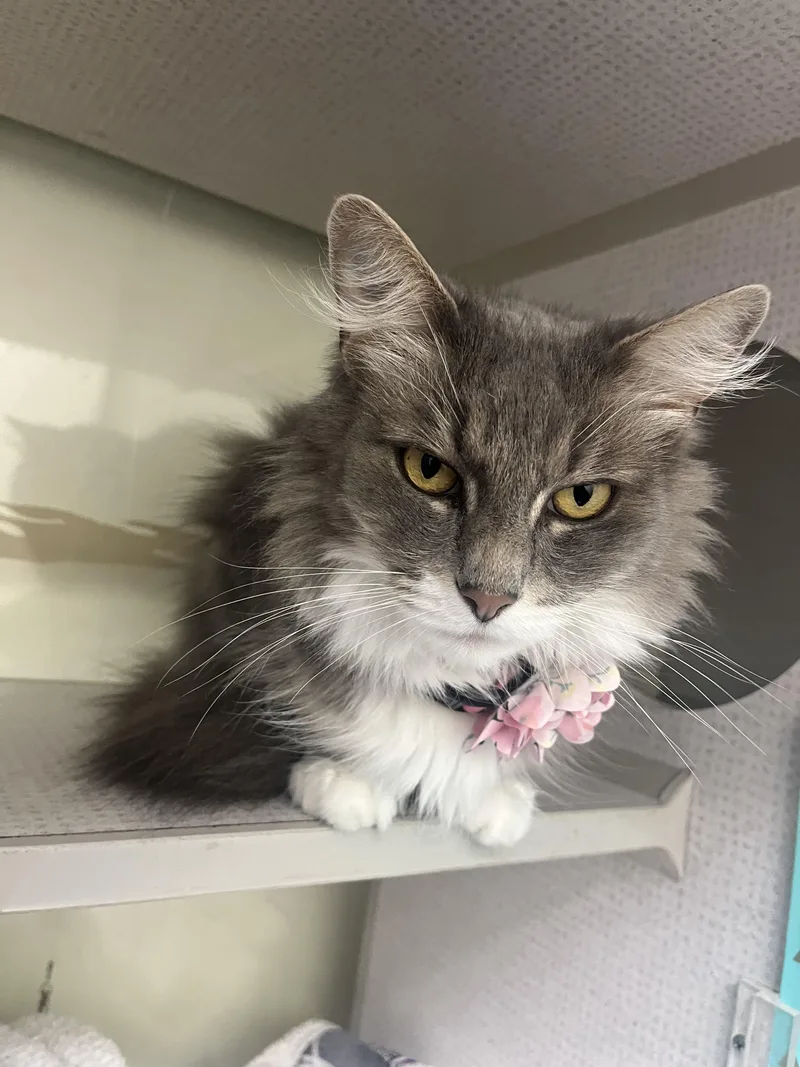
Torbie Cats for Adoption in Huntington Beach, CA

Your guide to finding and caring for a Torbie in Huntington Beach

Torbies suit apartment life in Huntington Beach, from a small Oak View complex to a condo near Bella Terra. Torbie is a coat pattern, not a breed, so these cats vary: some are shy, some chatty, and most settle in happily with a sunny window perch and a daily play session. Coyotes use neighborhood streets and the beach edges here, so a Torbie is safest as an indoor cat with a secure patio or catio.

316 Torbies available in Huntington Beach and nationwide

Fall for a Torbie

Torbies Available for Adoption Near Huntington Beach

About the Torbie breed

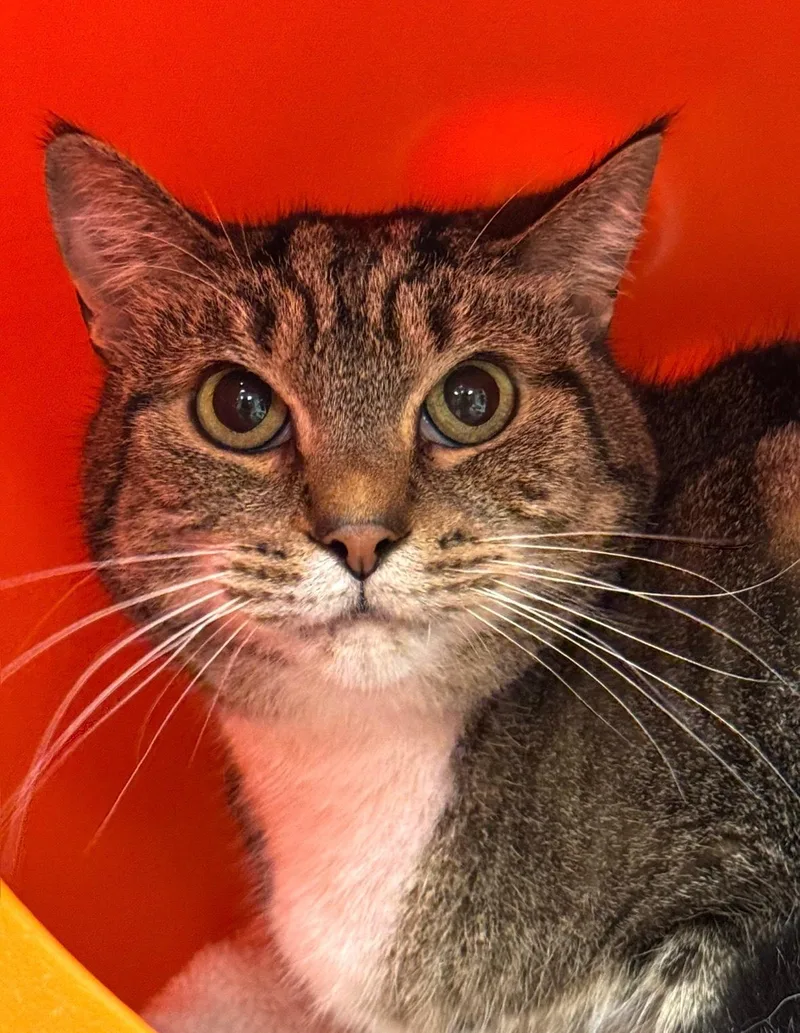
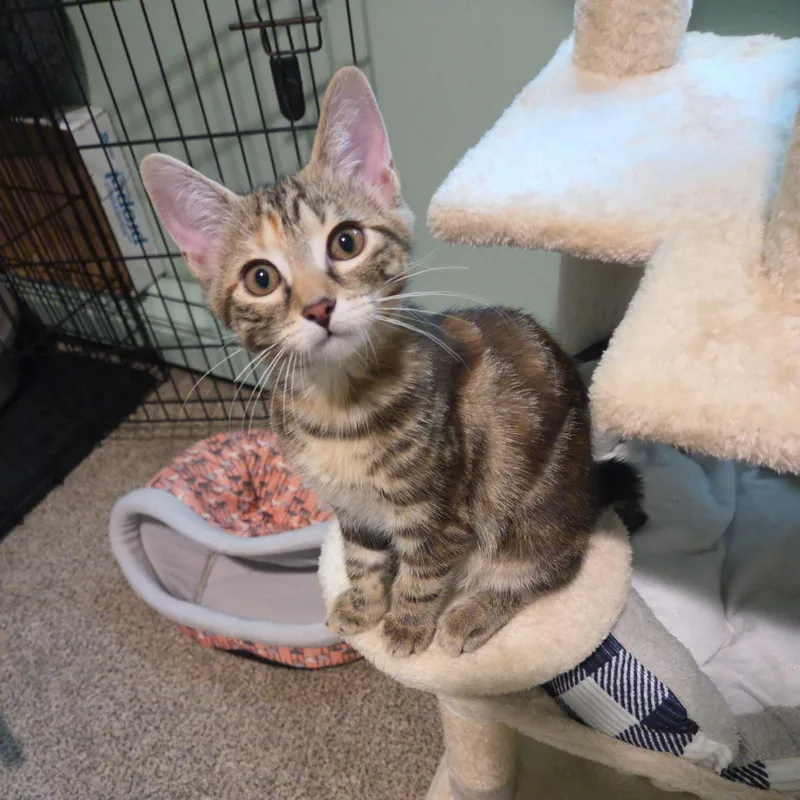
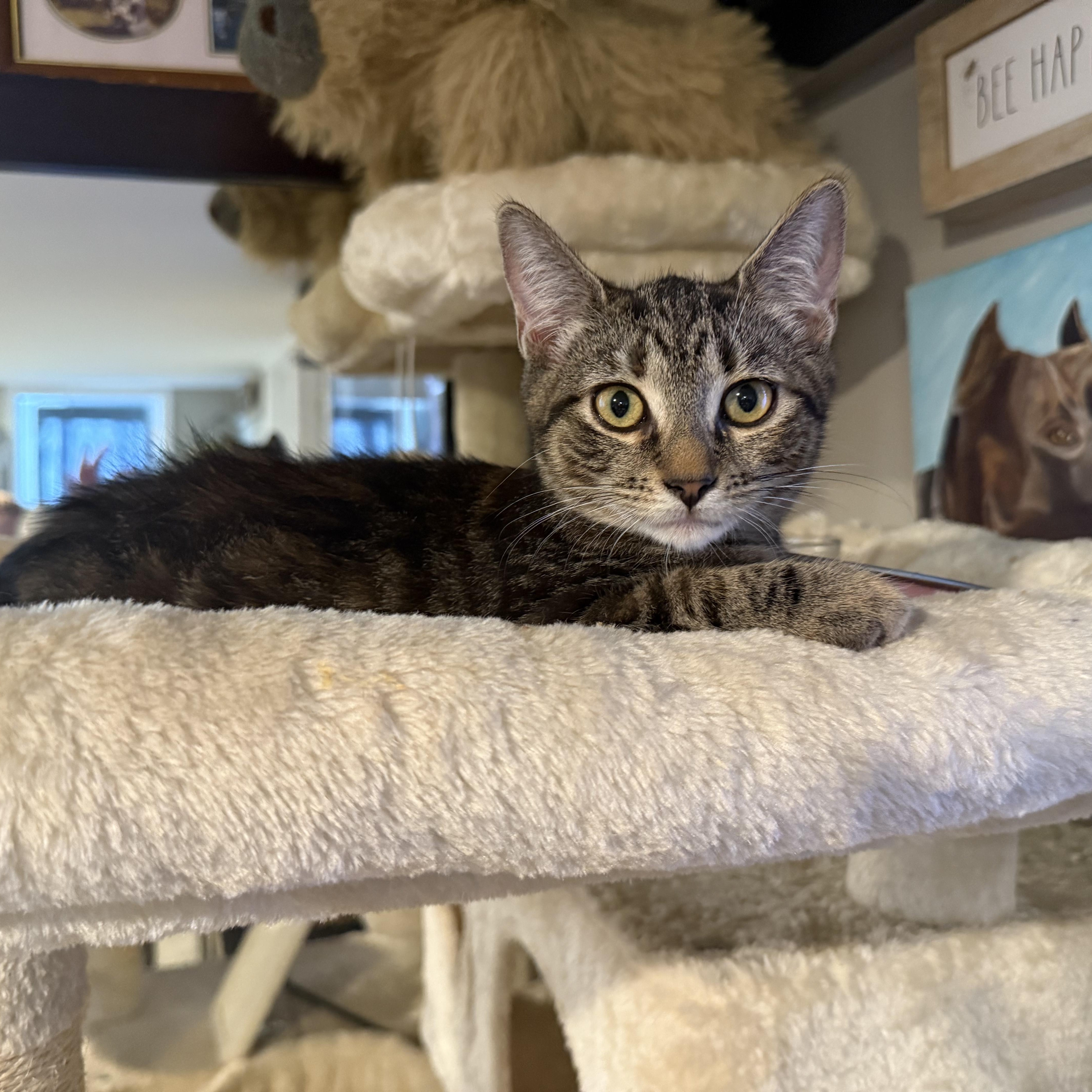
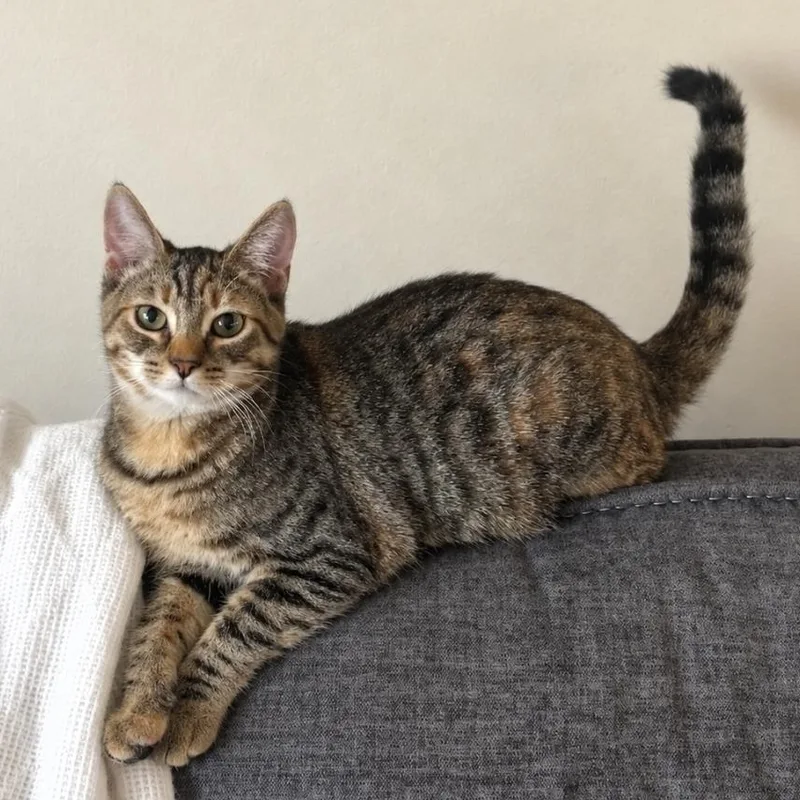
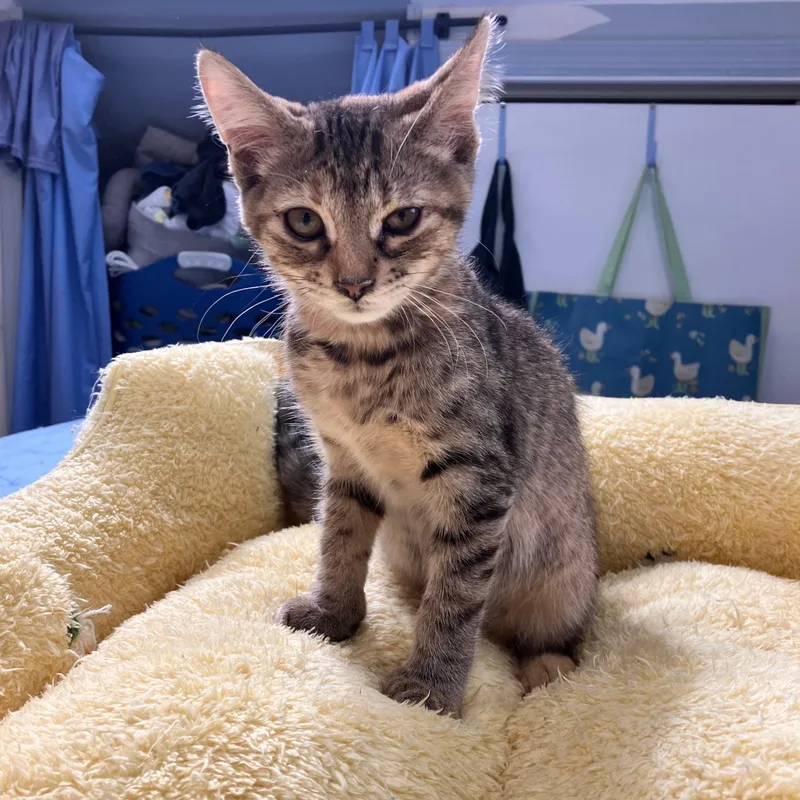
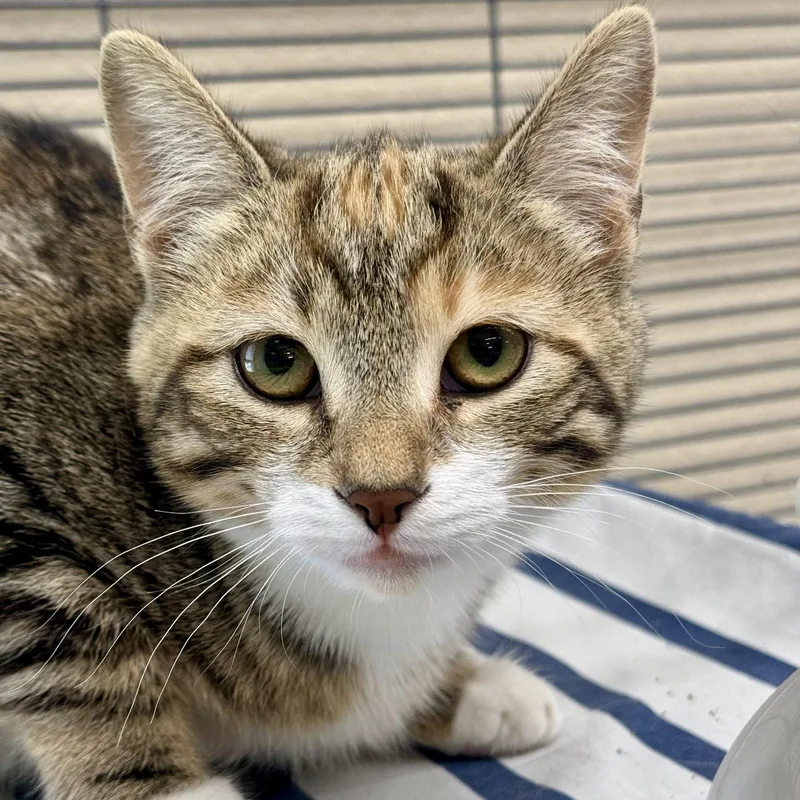
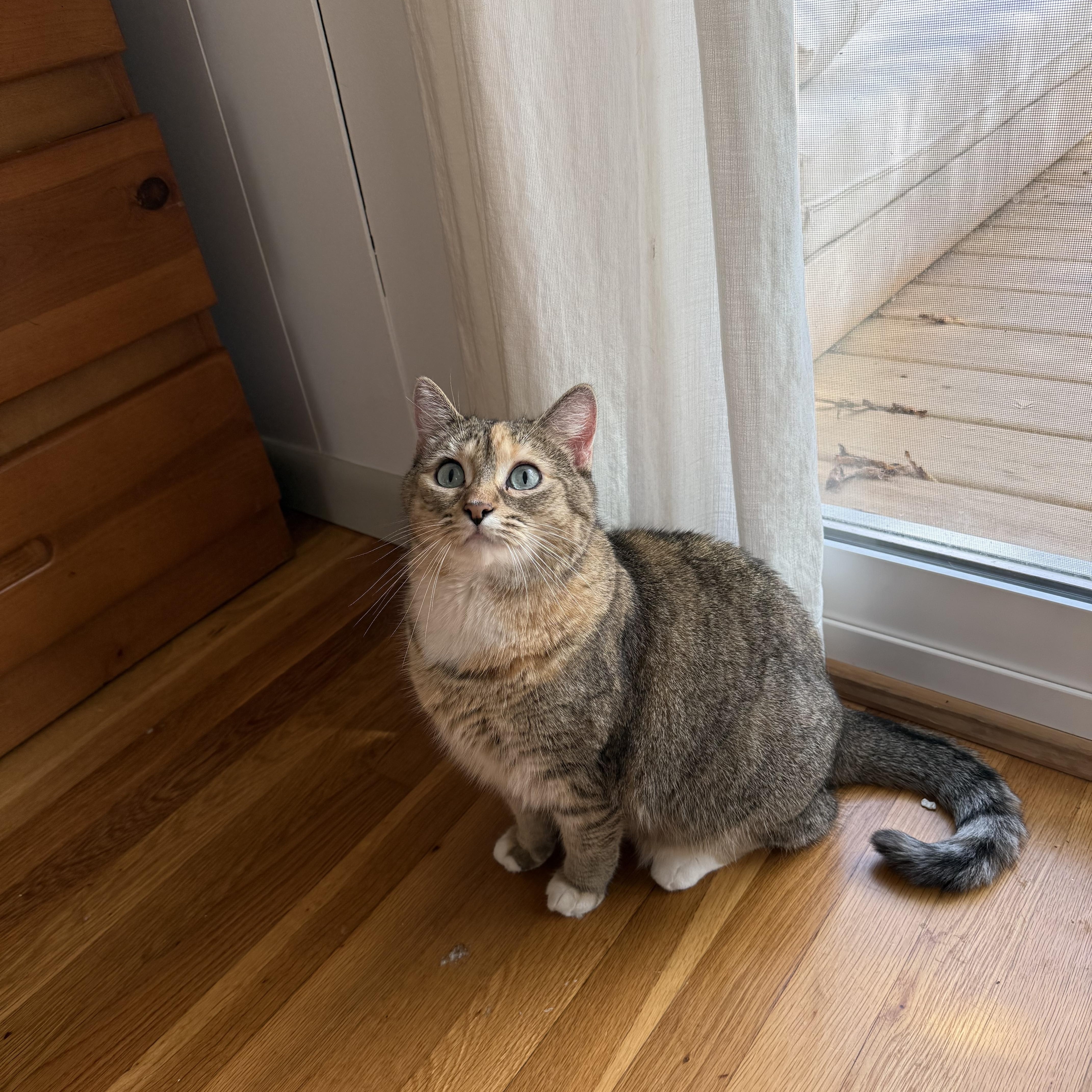
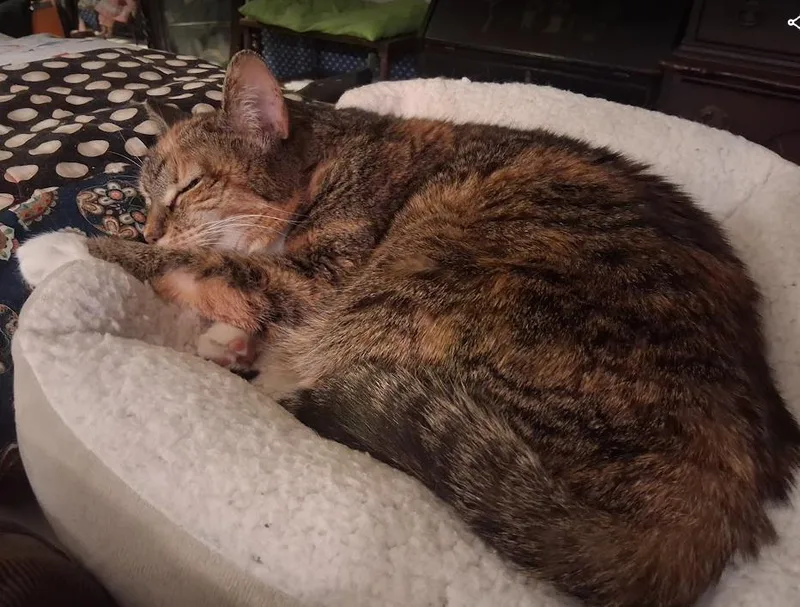
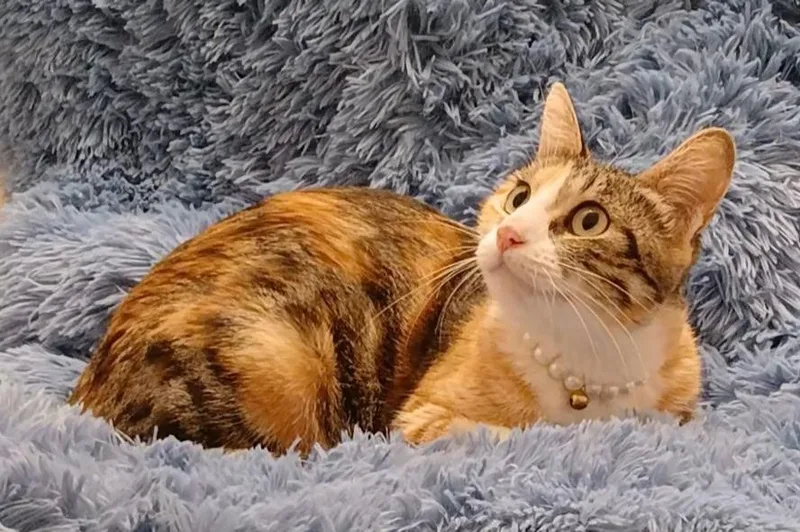
Torbie describes a coat, not a breed. It blends tortoiseshell patches of black-based and orange-based color with tabby stripes, swirls or spots, and many torbies show the tabby M on the forehead. Most are domestic shorthairs or longhairs, and nearly all are female. Typical adults are medium-sized, around 6 to 14 pounds, and live roughly 12 to 18 years with good care.

Torbies are often called spirited and affectionate, but coat color doesn't predict personality, so each cat is different. In Huntington Beach, where many people live in apartments, condos and townhouses, a torbie's day usually means play, naps and window watching. Moderate shedding means regular brushing, and a longhaired torbie needs more of it.

Weight
6–14 lbs
Height
8–10 in
Lifespan
12–18 yrs
Temperament
Playful, Affectionate, Curious
Shedding
Moderate

Owning a Torbie in Huntington Beach

Having a Torbie in Huntington Beach

Torbie names a coat, so these cards describe what's generally true of the domestic cats that wear it. A torbie's energy, personality and health depend on age, ancestry and past care, and each cat is different, so spend time with the cat you're considering.

Temperament

Torbies are often described as playful, curious and affectionate, though that comes from owner impressions rather than research. Some are shy and reserved, others outgoing and cuddly. In a Huntington Beach apartment, a cat that's relaxed with hallway noise and visitors will adjust easily, while a shy cat may prefer a quiet home.

Exercise Needs

Most torbies stay fit with daily interactive play: wand toys, chase games, puzzle feeders and tall perches. Young cats may want several sessions a day, and seniors prefer gentler ones. Because Huntington Beach has coyotes, keeping play indoors or in an enclosed catio or balcony is the safer way to burn off energy.

Health Considerations

The torbie pattern carries no known health risks for female cats. Rare male torbies usually have an extra X chromosome and may have added health issues. Otherwise, health depends on age and ancestry, so yearly vet exams, vaccines, dental care and a healthy weight matter most. A vet can check any new cat after adoption.

Living Space

Torbies adapt to apartments, condos and houses alike, because space needs come from the cat rather than the coat. With about half of Huntington Beach's homes detached houses and many others small complexes, most torbies need scratching posts, window perches, a cat tree and a few hiding spots. Shy cats do best in calmer homes.

What it costs to own a Torbie in Huntington Beach

ExpenseTypical costPer year
Food$25 to $50 per month$300 to $600
Pet insurance$20 to $45 per month$240 to $540
Routine vet care$150 to $350 per year$150 to $350
Other*$450 to $1,150 per year$450 to $1,150
Estimated yearly total (after year one)$1,140 to $2,640

Other costs are estimates and vary with size, age and health.

* Litter, flea prevention, a dental cleaning allowance, toys and supplies, and home grooming.

Adopt a Torbie in Huntington Beach.

Now that you know more, let’s find you a new best friend. These rescues and shelters below currently have Torbies available.

Rescues in Huntington Beach with Torbies Available

Huntington Beach is served by OC Animal Care, and adoptions there include spay or neuter, vaccines and a microchip. Here are the rescues & shelters in the Huntington Beach area where you can find Torbies and other cats available for adoption.

Frequently Asked Questions

No, OC Bus doesn't allow pets on its vehicles, and there's no carrier exception. Only service animals traveling with riders with disabilities are permitted. Huntington Beach has no subway or rail station, so trips with a Torbie, such as to the vet, are usually by car in a secured carrier. Never leave a cat alone in a parked car.

Yes, the climate is gentle on Torbies. Winters average around 49 to 67°F with no freezes, and summers are cooler near the coast, with only a few hot days from August to October. Because a Torbie lives mostly indoors, just keep water fresh, offer shade on warm afternoons and keep windows closed on smoky days.

Yes, nothing in Huntington Beach's rules targets cats by coat color or breed. Cat licensing is optional unless a permit is needed, and rabies shots are recommended. Most households are limited to three cats. Keeping a Torbie indoors also protects it from local coyotes, which is the most practical reason to plan for an indoor home.

Yes, Torbies generally do well in apartments, since a cat's space needs depend on its personality rather than coat. Provide a cat tree, window perch, scratching posts and daily play. Ask landlords for their pet policy in writing before you sign a lease, and budget for any deposit or monthly pet rent.

A Torbie can be a good fit if you want an indoor companion and can offer daily play. The mild weather means few seasonal worries, but coyotes in neighborhoods and on the beach edges make indoor living wise. Fireworks on July 4 can stress noise-shy cats, so set up a quiet room.

Most Torbies need a quick brushing once or twice a week, and longhaired cats may need it more often. Shedding is moderate and rises a bit in spring. Mild coastal weather doesn't change coat needs much, though dry Santa Ana winds can make fur static. Home grooming is covered by the Other costs shown above.

A torbie cat is a cat whose coat combines tortoiseshell and tabby patterns, with patches of black-based and orange-based color plus tabby stripes, swirls or spots. It is a coat pattern, not a breed, and appears mostly in domestic shorthairs and longhairs. Torbies are also called tortie-tabbies or patched tabbies, and nearly all are female.

No, torbie cats are not especially rare. The pattern appears whenever a tortoiseshell cat also inherits tabby markings, which is common, and shelters regularly have torbies available. Male torbies are a different story: like other male tortoiseshells, they are very rare. Some variations, such as silver or dilute torbies, are seen less often but are still not unusual.

We have 1 rescue with Torbies available: Surf City Kitties Rescue. You can see every rescue with Torbies available in the list above these questions, or scroll to the top to see the Torbies near Huntington Beach.

Plan on roughly $1,140 to $2,640 a year for a Torbie. That covers food at $25 to $50 a month, insurance at $20 to $45 a month, routine vet care at $150 to $350 a year, and other costs such as litter, prevention and dental care at $450 to $1,150 a year.

Explore Other Breeds in Huntington Beach

Looking for a different breed? Browse other cats available for adoption in Huntington Beach.