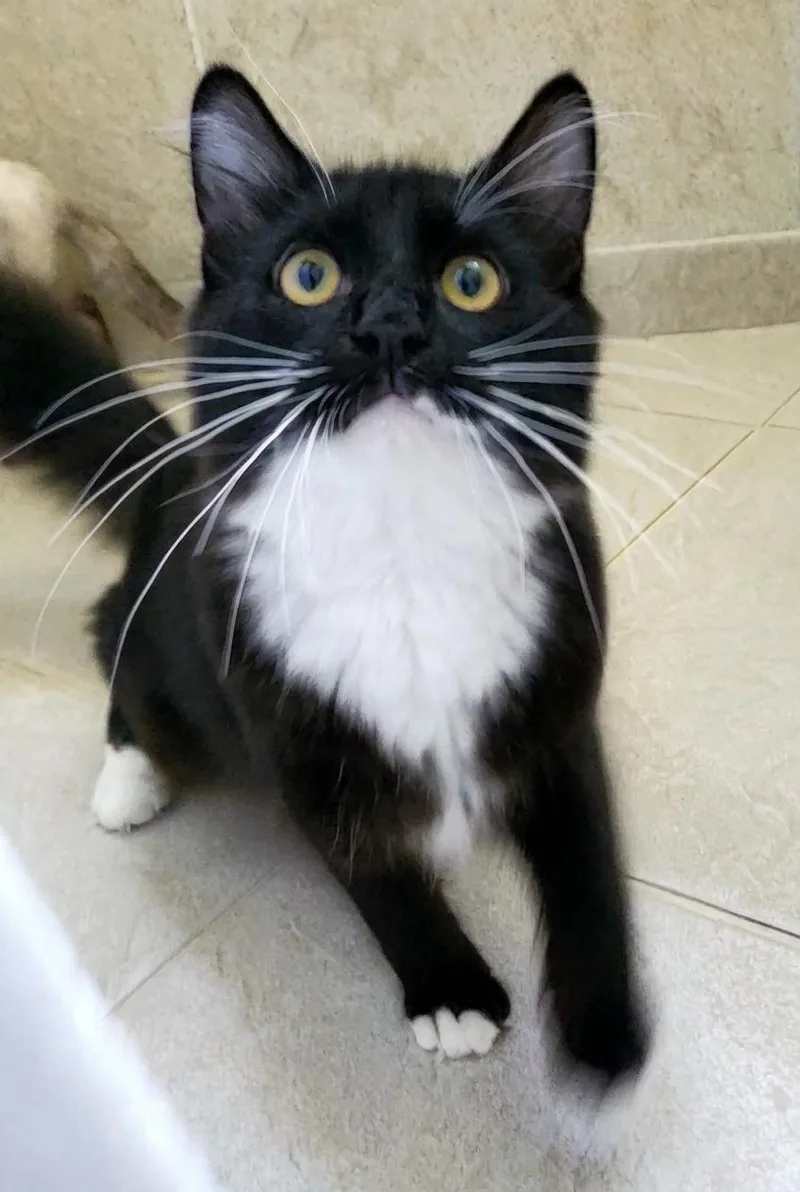
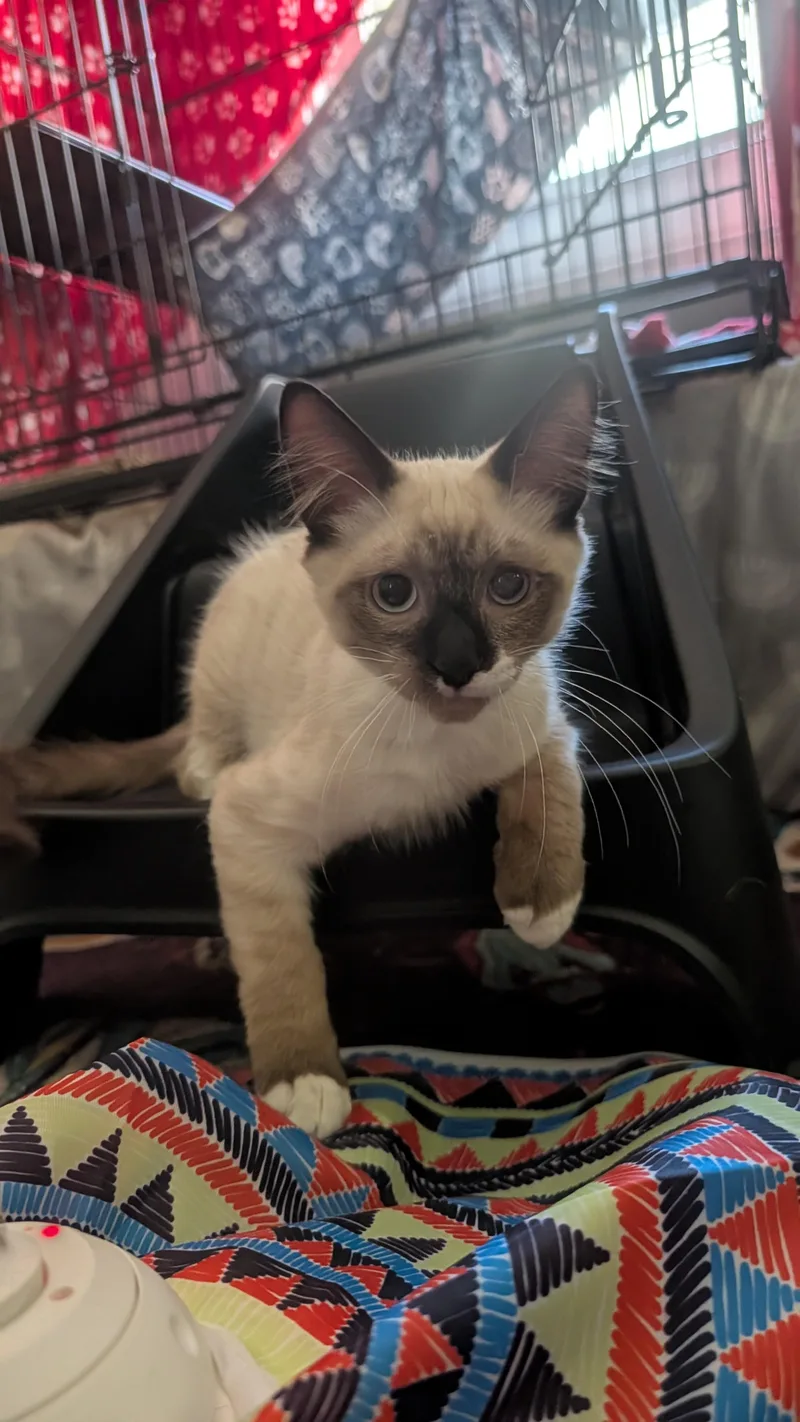
Devon Rex Cats for Adoption in Davis, CA

Your guide to finding and caring for a Devon Rex in Davis

18 cats similar to Devon Rex available in Davis and nationwide

Find your forever Devon Rex

While we don't have enough cats near Davis, keep in mind that many rescues may offer transport.

Devon Rexes and Similar Breeds Available for Adoption Near Davis

About the Devon Rex breed

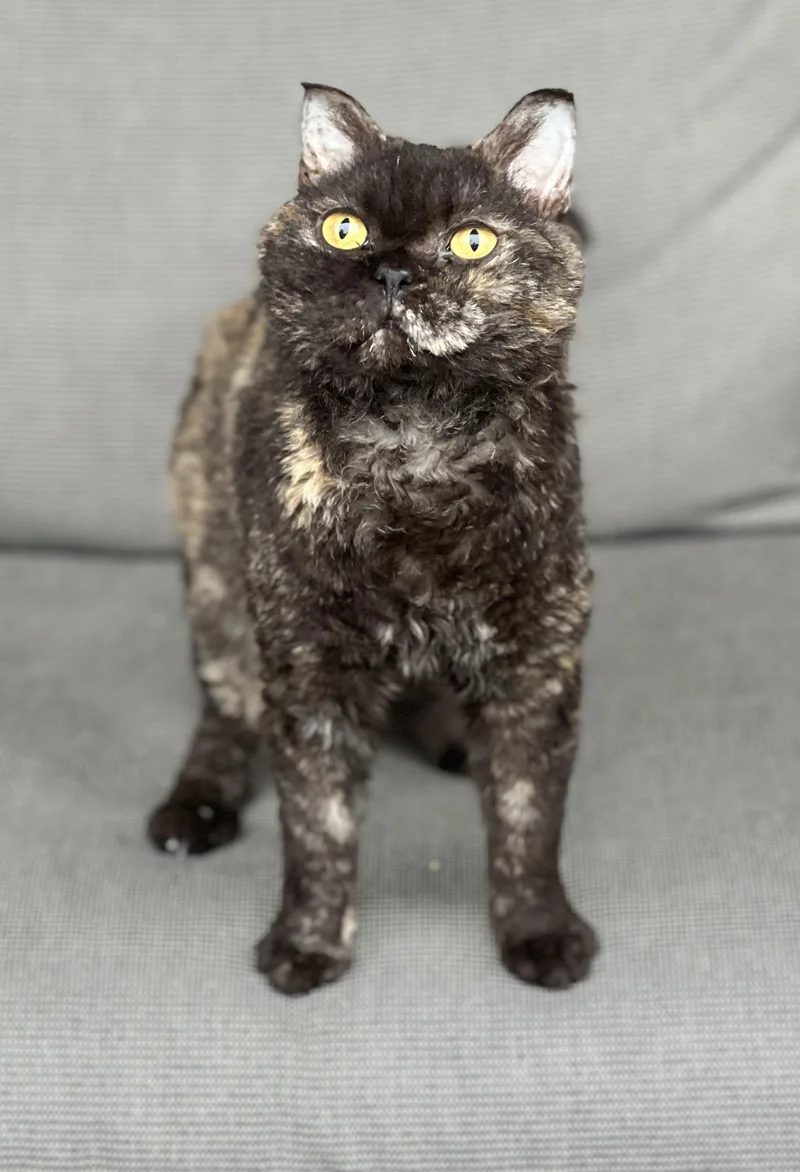
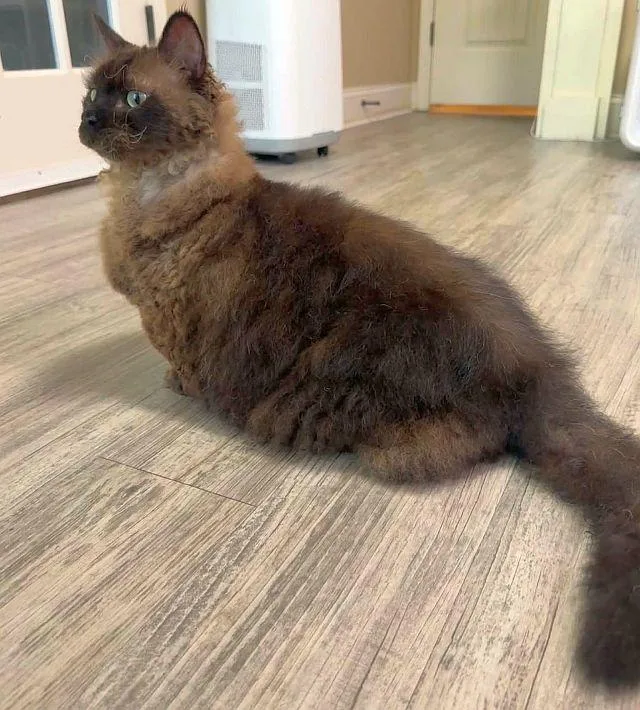
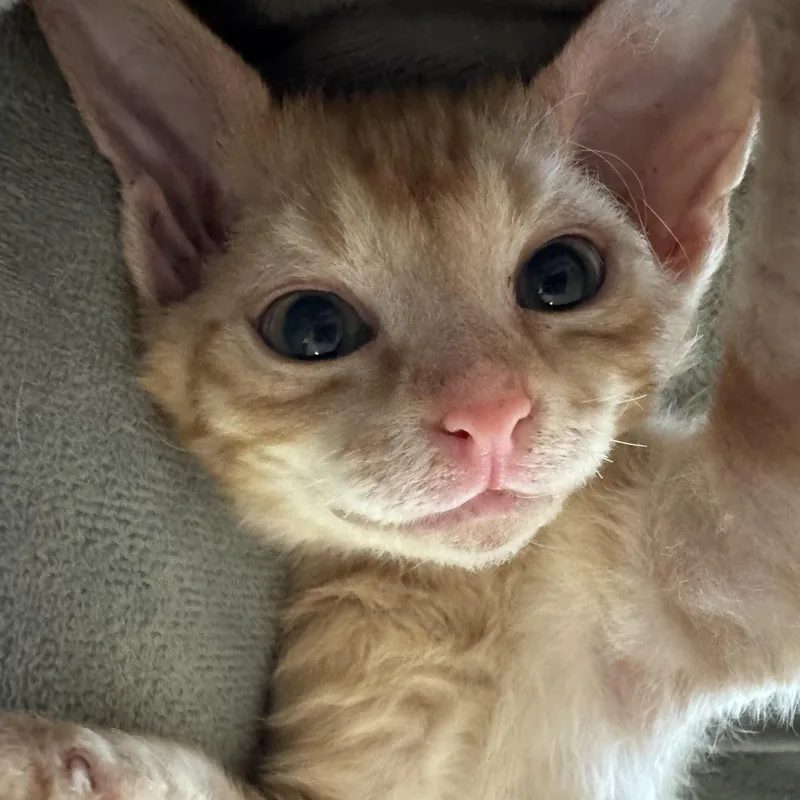
With oversized ears, huge eyes and a short, rippling coat, the Devon Rex has an elfin look that sets it apart from almost any other cat. The breed began around 1960 in Devon, England, with a curly-coated male kitten named Kirlee, whose wavy fur turned out to come from a different gene than the Cornish Rex's. Its coat is soft, sparse and loosely curled, and whiskers are often short and crinkled.

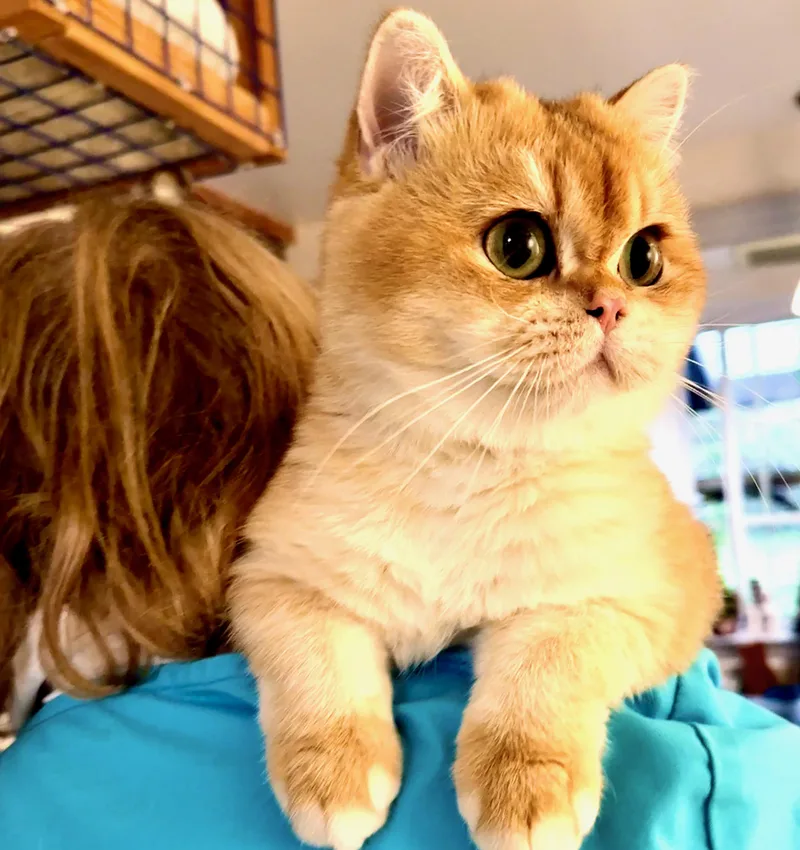
Devons tend to be playful, people-focused cats that follow their owners around, perch on shoulders and join in whatever is happening. Many are food-motivated and easy to teach tricks. That sociability means they usually dislike long hours alone. Their thin coat sheds less than most cats but leaves them prone to feeling cold, oily skin, waxy ears and sunburn, so they suit indoor homes ready for a little extra care.

Weight
5–10 lbs
Height
10–12 in
Lifespan
9–15 yrs
Temperament
Playful, Affectionate, Curious
Shedding
Low

Owning a Devon Rex in Davis

Having a Devon Rex in Davis

A Devon Rex's impish energy and devotion to its people come with a delicate coat and a few breed-linked health concerns. Knowing how those traits shape daily care helps adopters decide whether this lively, hands-on cat fits their home.

Temperament

Devon Rex cats are often outgoing, clownish and deeply attached to their people, following them from room to room and climbing onto shoulders. Many get along with respectful children, other cats and cat-friendly dogs. They tend to dislike being left alone for long periods. Individual personalities vary, so meeting a specific cat is the best guide.

Exercise Needs

Most Devons are active, athletic cats that love climbing, leaping and interactive play. Wand toys, puzzle feeders, cat trees and short training sessions with treats keep them busy. Many learn to fetch. Daily play helps prevent boredom-driven mischief and keeps these food-loving cats from gaining weight, which matters for their joints and heart.

Health Considerations

Devon Rex cats can inherit a muscle disorder that appears in kittenhood and for which a DNA test exists. Hypertrophic cardiomyopathy, kneecap dislocation, skin yeast infections and congenital hair loss are also reported. A notable share have blood type B, which matters for transfusions. Keep regular veterinary checkups.

Living Space

A Devon Rex adapts well to apartments or houses as long as it has vertical space, toys and company. It should live indoors or use a secure catio, since its thin coat offers little protection from cold or sun. Warm beds, heated pads or a sunny window perch help these heat-seeking cats stay comfortable.

What it costs to own a Devon Rex

ExpenseTypical costPer year
Adoption fee$1,100, one time$1,100 in year one
Food$20 to $40 per month$240 to $480
Pet insurance$25 to $50 per month$300 to $600
Routine vet care$150 to $350 per year$150 to $350
Other*$500 to $1,350 per year$500 to $1,350
Estimated yearly total (after year one)$1,190 to $2,780
First-year total (with adoption fee)$2,290 to $3,880

Adoption fee is the fee on Devon Rex listings in Davis on GetBuddy today. Other costs are national averages for Devon Rexes; we don't have costs specific to Davis yet.

* Flea prevention, a dental cleaning allowance, litter, toys and bedding, light coat care, and ear cleaning, baths and warm bedding for a thin-coated cat.

Adopt a Devon Rex in Davis.

Now that you know more, let’s find you a new best friend. These rescues and shelters below currently have Devon Rexes available.

Rescues in Davis with Devon Rexes Available

Here are the rescues & shelters in the Davis area where you can find Devon Rexes and other cats available for adoption.

Frequently Asked Questions

No, Devon Rex cats are not hypoallergenic, and the CFA cat registry says so directly. They shed less than most cats, but the main cat allergen comes from saliva and skin glands, not hair alone. Some people with mild allergies find Devons easier to live with, but spending extended time with a specific cat before adopting is the safest approach.

A Devon Rex is a small, slender cat breed from England with a short, wavy, soft coat, very large ears and big eyes. It developed from a curly-coated kitten found in Devon around 1960. Devons are known for playful, people-loving personalities and are often described as acting more like dogs or monkeys than typical aloof cats.

Yes, Devon Rex cats shed, but much less than most cats. Their coat is short and sparse, with fewer guard hairs, so loose hair is less noticeable around the home. Some Devons go through thinner phases, particularly as kittens. Bald patches with redness, scabs or itching are not normal shedding and should be checked by a veterinarian.

Yes, Devon Rex cats are a real, recognized breed. The CFA, The International Cat Association and other major registries recognize them, and the breed has existed since a curly-coated kitten named Kirlee was found in Devon, England, around 1960. Their unusual look comes from a natural genetic mutation, not photo editing or crossbreeding with other species.

You can adopt a Devon Rex through shelters, cat rescues and breed-specific rescues that list Devon Rex and rex-type cats. Because the breed is uncommon, available cats may be adults or seniors and may appear only occasionally. Setting up alerts on adoption listings and checking rex and hairless cat rescue groups improves your chances of finding one.

Devon Rex cats typically live about 9 to 15 years, and some reach their late teens. Lifespan depends on genetics, diet, weight and veterinary care. Because the breed can be prone to heart disease, inherited muscle disorders and knee problems, regular checkups and a heart screening when recommended give a Devon its best chance at a long, healthy life.

Many Devon Rex cats need occasional baths, unlike most cats. Their sparse coat does not absorb skin oils well, so oil can build up and leave greasy patches, especially on the belly, paws and ears. A gentle bath every few weeks, or whenever the coat feels oily, usually helps. Your veterinarian can recommend a suitable shampoo.

Yes, Devon Rex cats are usually very affectionate. They tend to seek physical contact, ride on shoulders, snuggle under blankets and follow their people around the house. Their warmth-seeking nature adds to their cuddliness. Individual cats differ, but a Devon that prefers to keep its distance is uncommon.

Devon Rex cats are generally healthy, but the breed has some known issues. These include an inherited muscle weakness that appears in kittens, hypertrophic cardiomyopathy, kneecap dislocation, yeast-related skin problems and congenital hair loss. Not every cat is affected. Scheduling regular veterinary care helps catch problems early.

We have 1 rescue with Devon Rexes available: Purebreds Plus Cat Rescue. You can see every rescue with Devon Rexes available in the list above these questions.