Tortoiseshell Cats for Adoption in Scottsdale, AZ

Your guide to finding and caring for a Tortoiseshell in Scottsdale

A tortoiseshell cat fits Scottsdale's indoor, air-conditioned routine easily. Whether the home is a Shea corridor apartment or an older Southern Scottsdale house, a tortie mostly needs a sunny window perch, a few play sessions a day and a cool room once summer passes 100°F. Tortoiseshell is a coat pattern, not a breed, so these cats range from shy to bold. Most live 12 to 18 years.

1043 Tortoiseshells available in Scottsdale and nationwide

Your Tortoiseshell is waiting

Tortoiseshells Available for Adoption Near Scottsdale

About the Tortoiseshell breed

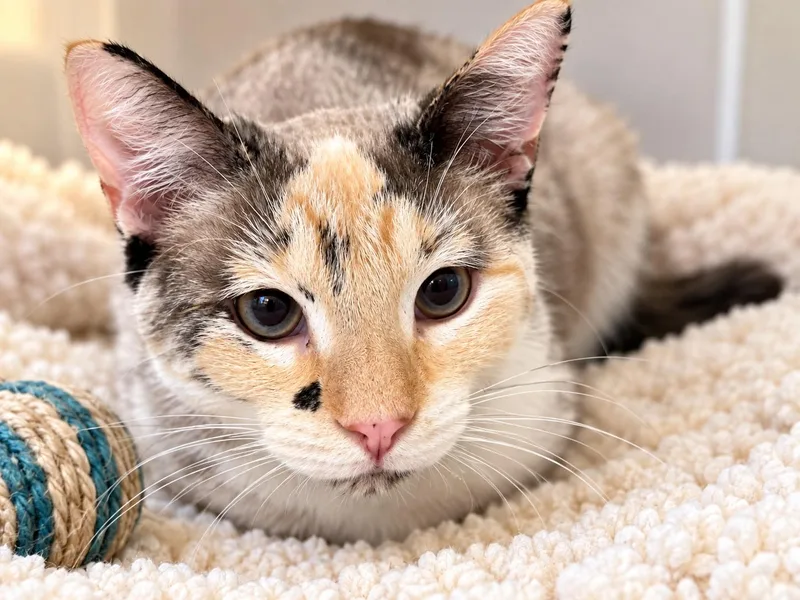
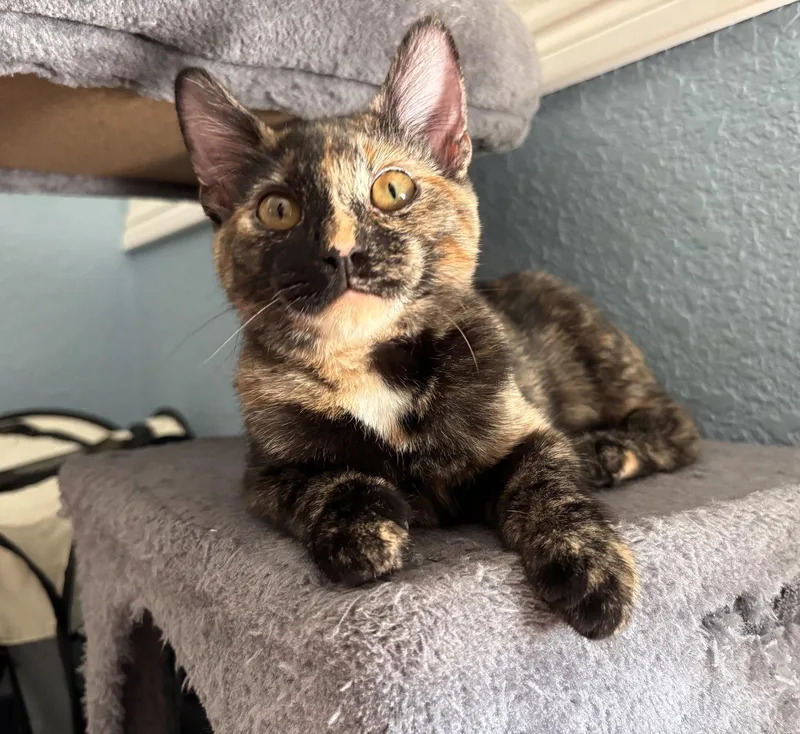
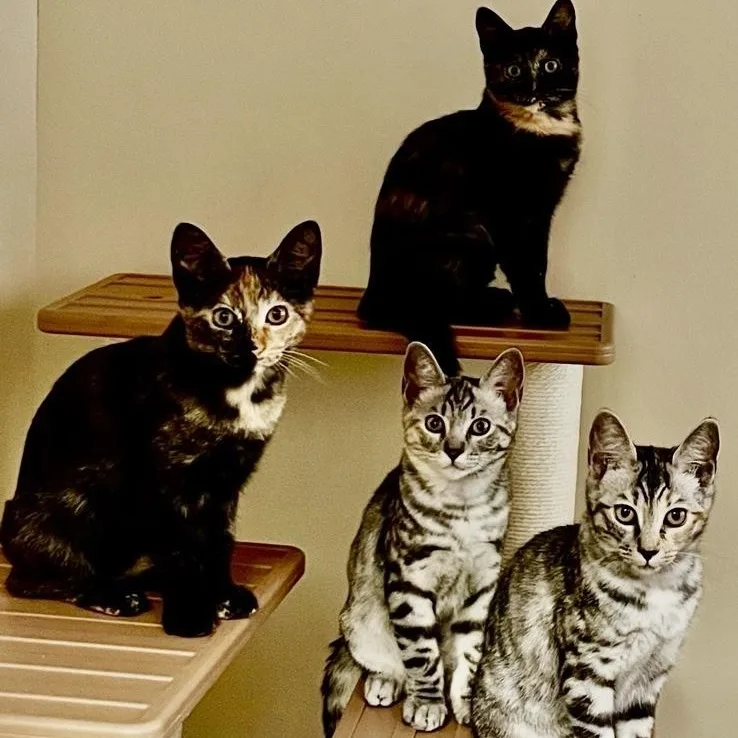
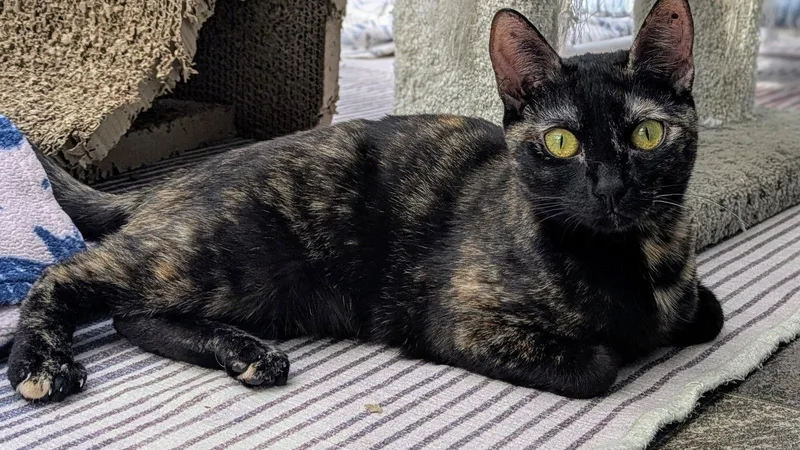
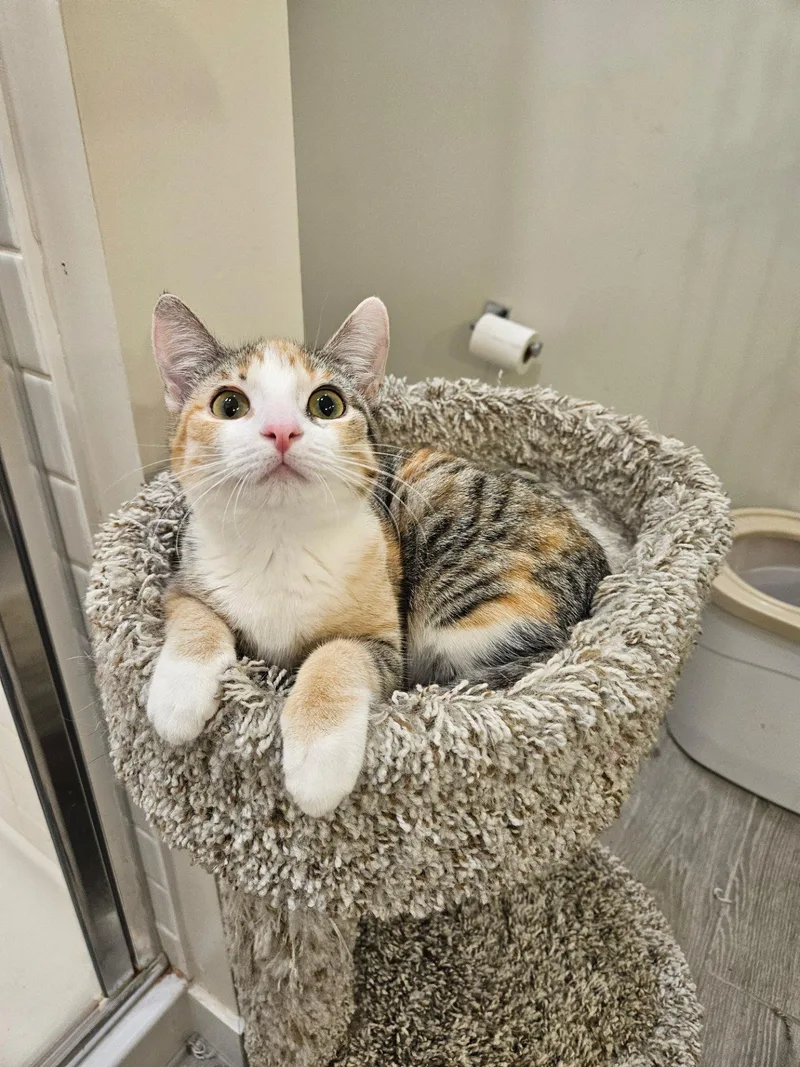
Tortoiseshell is a coat pattern, not a breed. A tortie's coat blends black-based and orange-based colors in patches or a fine mottle, usually with little or no white; a cat with large white areas is called a calico. Dilute torties show soft gray and cream, and torbies add tabby stripes. Because the orange gene sits on the X chromosome, nearly all torties are female.

Most torties in Scottsdale homes are domestic shorthairs, though the pattern also appears in Persians, Maine Coons and British Shorthairs. The famous "tortitude" is folklore more than fact: a cat's history, age and socialization say far more about personality than coat color. Expect a medium cat of 6 to 14 pounds with moderate shedding, which a weekly brushing handles for most coats.

Weight
6–14 lbs
Height
8–10 in
Lifespan
12–18 yrs
Temperament
Independent, Affectionate, Playful
Shedding
Moderate

Owning a Tortoiseshell in Scottsdale

Having a Tortoiseshell in Scottsdale

Tortoiseshell describes a coat, so these cards cover what holds for most torties, usually domestic shorthairs. Scottsdale adds practical points: a cool indoor home, heat-safe habits, and a plan for fireworks and monsoon storms.

Temperament

Torties have a reputation for spirited "tortitude," but the evidence is thin and rests mostly on owner impressions. Real tortoiseshell cats run from shy to bold and from lap-loving to aloof. A confident cat may enjoy a busy Scottsdale household, while a shy one usually does better with quiet rooms and hiding spots.

Exercise Needs

Most torties do well with daily interactive play: wand toys, chase games and puzzle feeders. Young cats need more, and seniors prefer gentler sessions. Because Scottsdale summers keep cats indoors much of the day, cat trees, window perches and short play sessions in the cooler morning or evening make up for the lack of outdoor time.

Health Considerations

The tortoiseshell pattern carries no particular health risks in females, while the rare males usually have an extra X chromosome and may face added issues. Otherwise health depends on age and ancestry, so checkups, dental care and a healthy weight matter most. Maricopa County notes that pets can catch Valley fever, so a lingering cough deserves a vet visit.

Living Space

Torties adapt to apartments and houses alike. In Scottsdale, a cat with a scratching post, a cat tree and a hideaway does fine in a one-bedroom or a larger foothills home. Keep cats indoors, since coyotes are active in parts of the city and summer heat is dangerous; a screened window or enclosed patio gives safe fresh air.

What it costs to own a Tortoiseshell in Scottsdale

ExpenseTypical costPer year
Adoption fee$500, one time$500 in year one
Food$25 to $50 per month$300 to $600
Pet insurance$20 to $45 per month$240 to $540
Routine vet care$150 to $350 per year$150 to $350
Other*$450 to $1,150 per year$450 to $1,150
Estimated yearly total (after year one)$1,140 to $2,640
First-year total (with adoption fee)$1,640 to $3,140

Adoption fee is the fee on Tortoiseshell listings in Scottsdale on GetBuddy today. Other costs are estimates and vary with size, age and health.

* Litter, flea prevention, a dental cleaning allowance, toys and supplies, and light home grooming.

Adopt a Tortoiseshell in Scottsdale.

Now that you know more, let’s find you a new best friend. These rescues and shelters below currently have Tortoiseshells available.

Rescues in Scottsdale with Tortoiseshells Available

Scottsdale has a Maricopa County adoption center and a north Scottsdale nonprofit rescue, and adoptions include spay/neuter and a microchip. Here are the rescues & shelters in the Scottsdale area where you can find Tortoiseshells and other cats available for adoption.

Frequently Asked Questions

Yes, indoor Tortoiseshells handle Scottsdale summers well with air conditioning. Highs average above 100°F from June through August and July nights stay in the low 80s, so keep cats inside with water in several spots. Never leave a cat in a parked car, and watch for heavy panting, drooling or lethargy.

Yes, for people who can keep a cat indoors. Scottsdale's mild winters and air-conditioned homes suit a tortie, but coyotes live in parts of the city and summer heat is dangerous outside. Since torties range from shy to bold, the cat's age and personality matter more than coat color. Plan for noisy fireworks around July 4.

Yes, a Tortoiseshell does well in a Scottsdale apartment, since cats need vertical space more than square footage. Add a cat tree, window perch and scratching post. Arizona caps total deposits at one and a half months' rent and requires a written purpose for nonrefundable fees, so get any pet charges in the lease.

Only in an enclosed carrier. Valley Metro buses allow pets that fit in a carrier on the lap or under the seat, which suits most Tortoiseshells. Scottsdale has no rail or subway, and a carrier is the safest choice on the free Scottsdale Trolley too, since its pet rule may differ from Valley Metro's.

Very little. Most Tortoiseshells are short-haired with moderate shedding, so a weekly brushing covers it, while longhaired torties need brushing a few times a week. Grooming rarely costs more than a brush at home, which falls inside the Other line of the cost table. Ask a veterinarian before shaving a cat for summer.

Yes. Tortoiseshell is a coat pattern, not a breed, so no breed-specific rule applies, and Arizona law bars cities from breed-specific dog rules anyway. State license and rabies statutes cover dogs, though a rabies vaccine is sensible for cats. Arizona shelters generally must sterilize cats before adoption, with narrow veterinary exceptions.

A tortoiseshell cat is a cat with a coat pattern of black-based and orange-based colors blended or patched together, usually with little or no white. It is not a breed; the pattern appears in many breeds and most often in domestic shorthairs. Nearly all tortoiseshells are female because the genes for orange and black are carried on the X chromosome.

Almost all tortoiseshell cats are female, but not all. A female has two X chromosomes and can carry both orange and black color genes, producing the mixed coat. Males normally have only one X. Rare male torties usually have an extra X chromosome or are genetic chimeras, and they are estimated at roughly 1 in 3,000 tortoiseshells.

We have 1 rescue with Tortoiseshells available: Ranilla's Rescue. You can see every rescue with Tortoiseshells available in the list above these questions, or scroll to the top to see the Tortoiseshells near Scottsdale.

Expect roughly $25 to $50 a month for food, $20 to $45 a month for optional insurance, $150 to $350 a year for routine vet care, and $450 to $1,150 a year for everything else, including litter. That adds up to about $1,140 to $2,640 a year with insurance, and less without it.

Find Tortoiseshells in Nearby Cities

Expand your search to find Tortoiseshells available for adoption near Scottsdale.