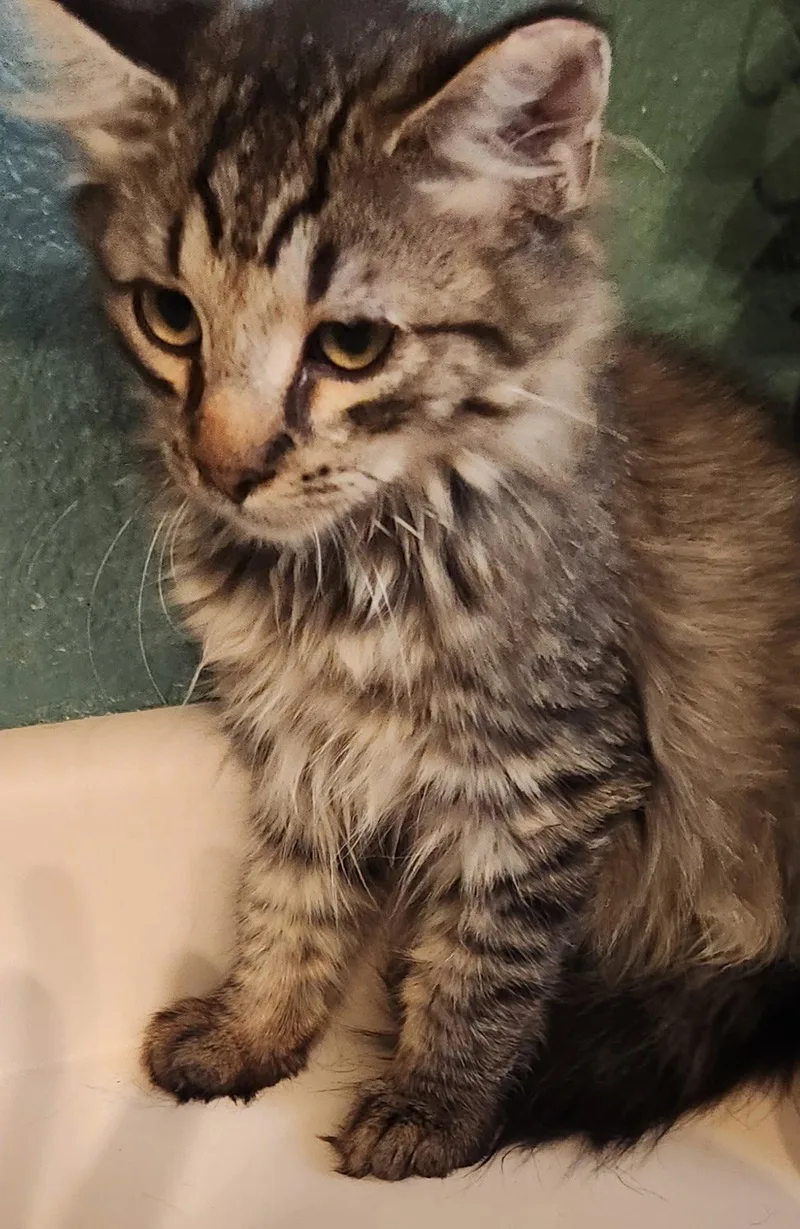
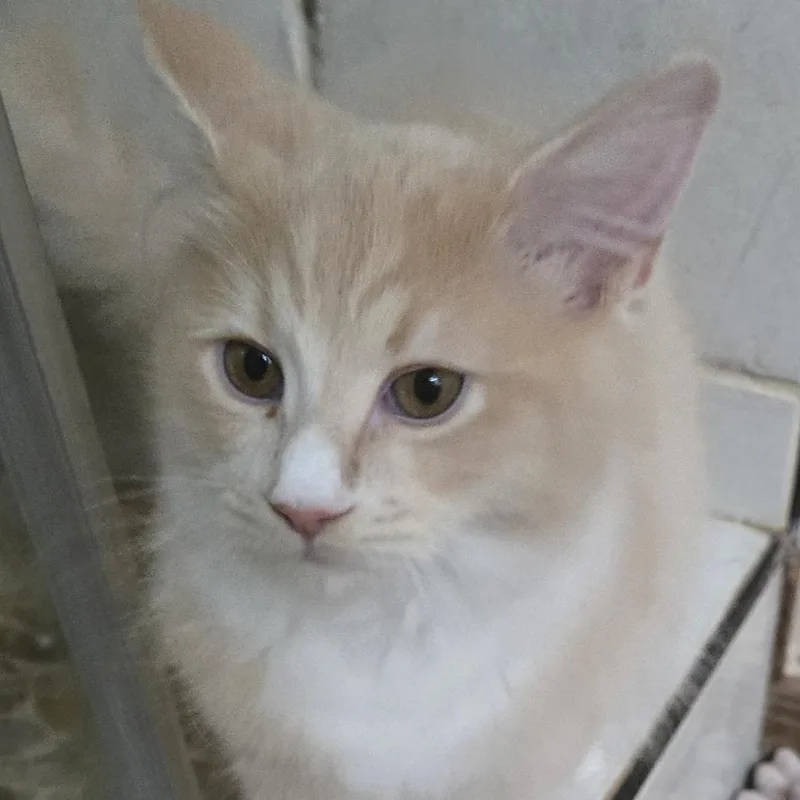
Torbie Cats for Adoption in Phoenix, AZ

Your guide to finding and caring for a Torbie in Phoenix

A torbie fits Phoenix apartment life as easily as any other cat. Torbie is a coat pattern rather than a breed, so these cats come in every size and temperament. In a Midtown mid-rise near Central Avenue or a small ranch house in Alhambra, a window perch over the street gives a curious cat plenty to watch. Triple-digit summers make an indoor home the simplest setup, so a tall cat tree by the window and a wand toy for evenings go a long way.

328 Torbies available in Phoenix and nationwide

Fall for a Torbie

While we don't have enough cats near Phoenix, keep in mind that many rescues may offer transport.

Torbies Available for Adoption Near Phoenix

About the Torbie breed

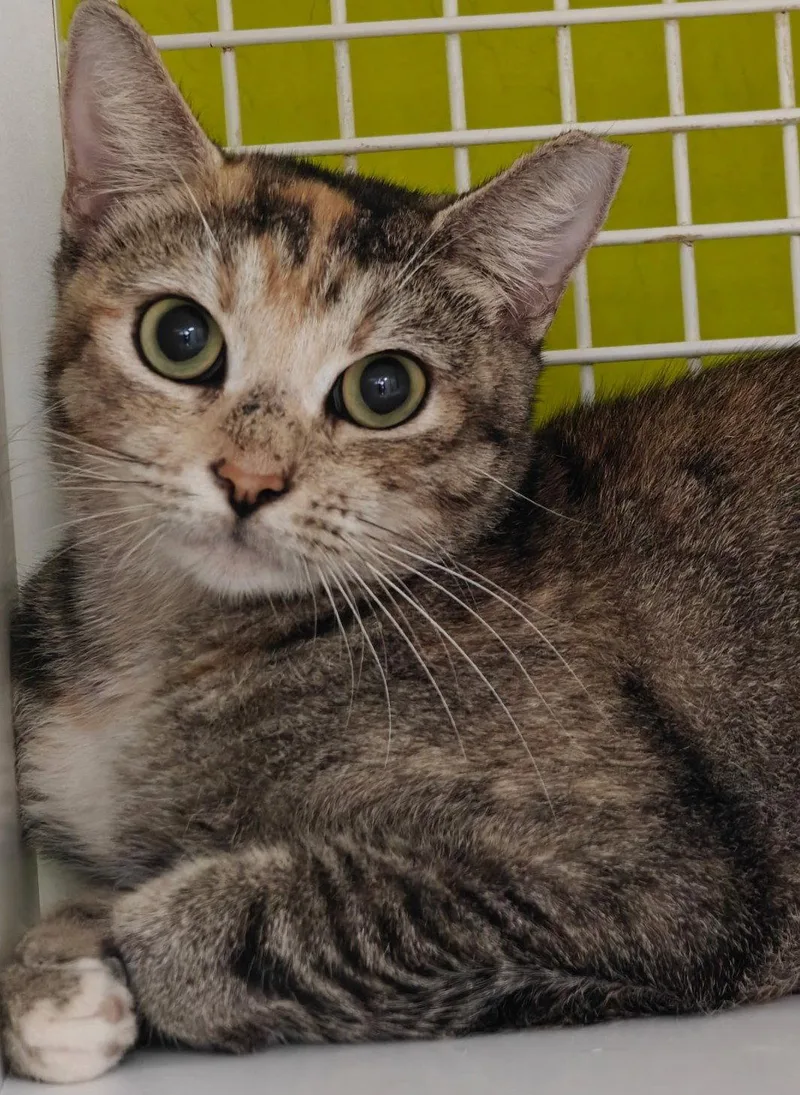
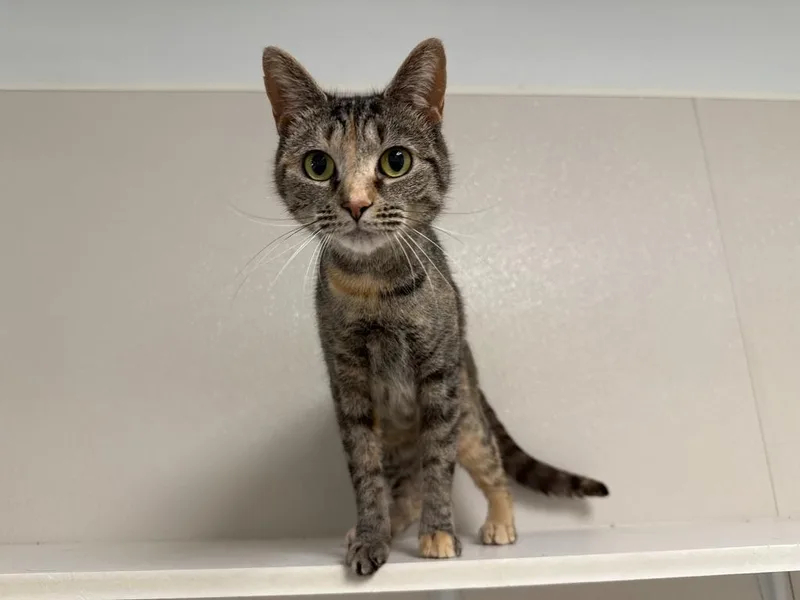
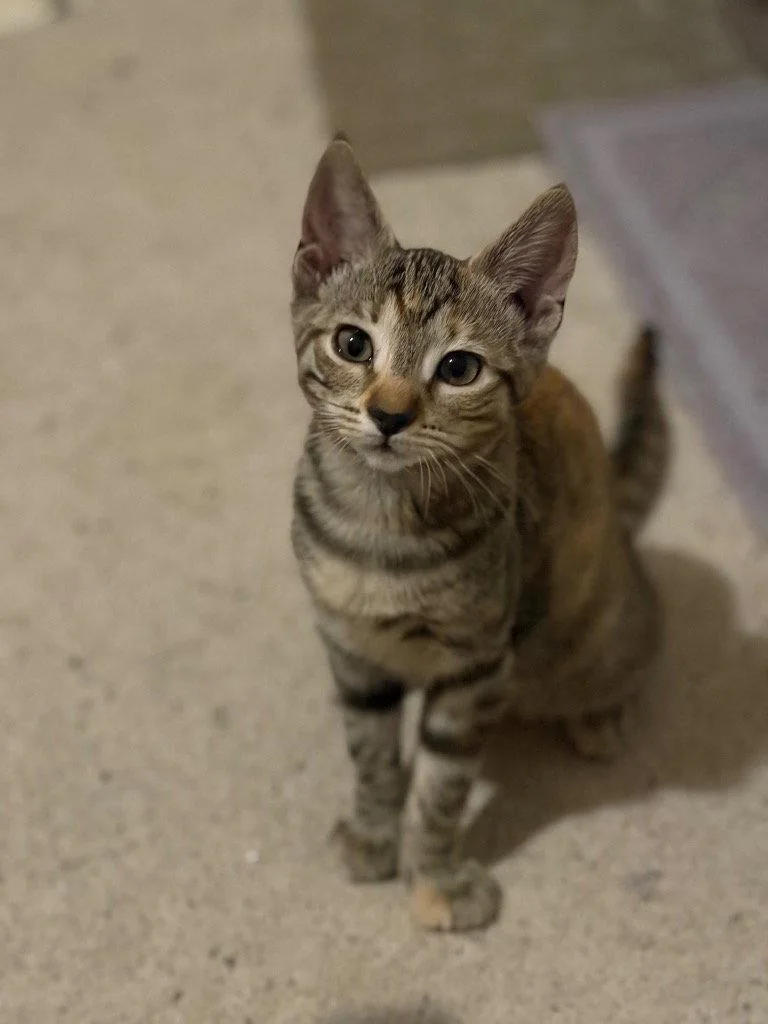
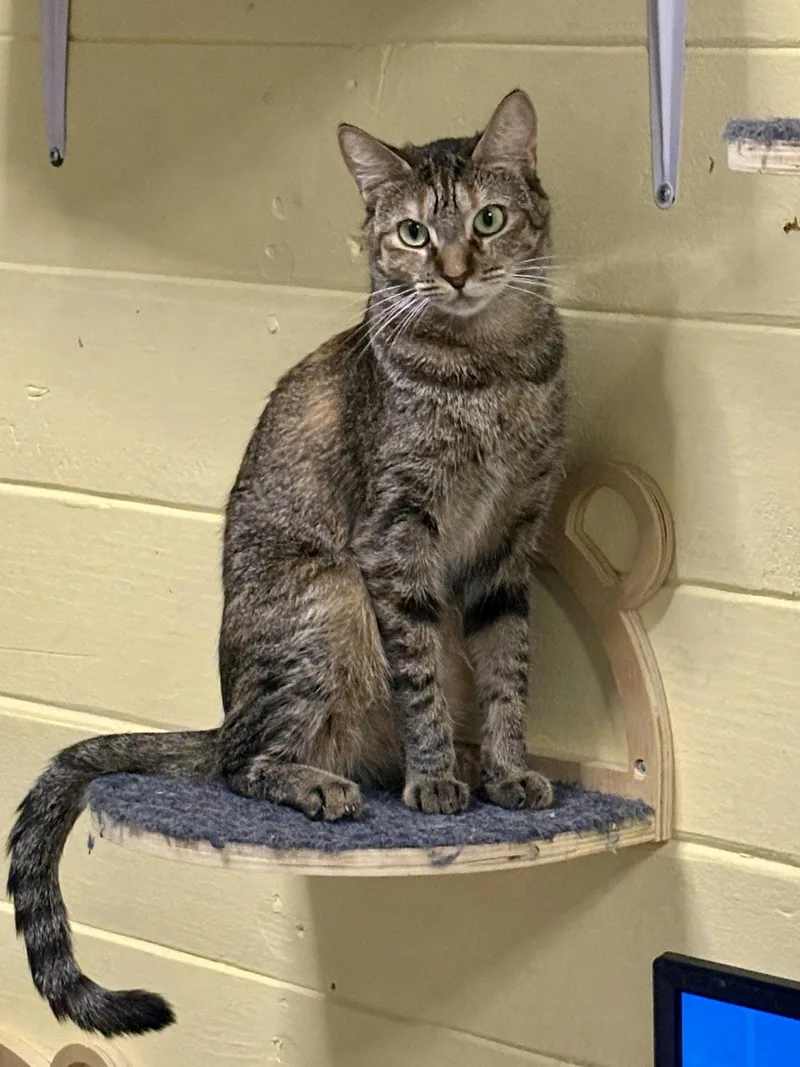
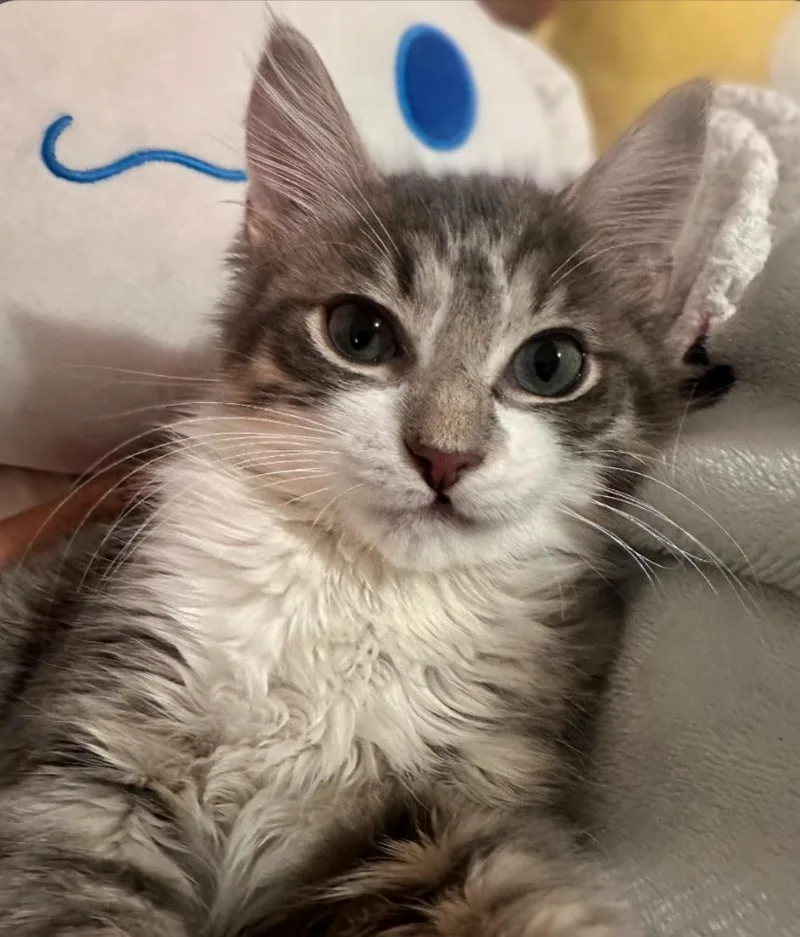
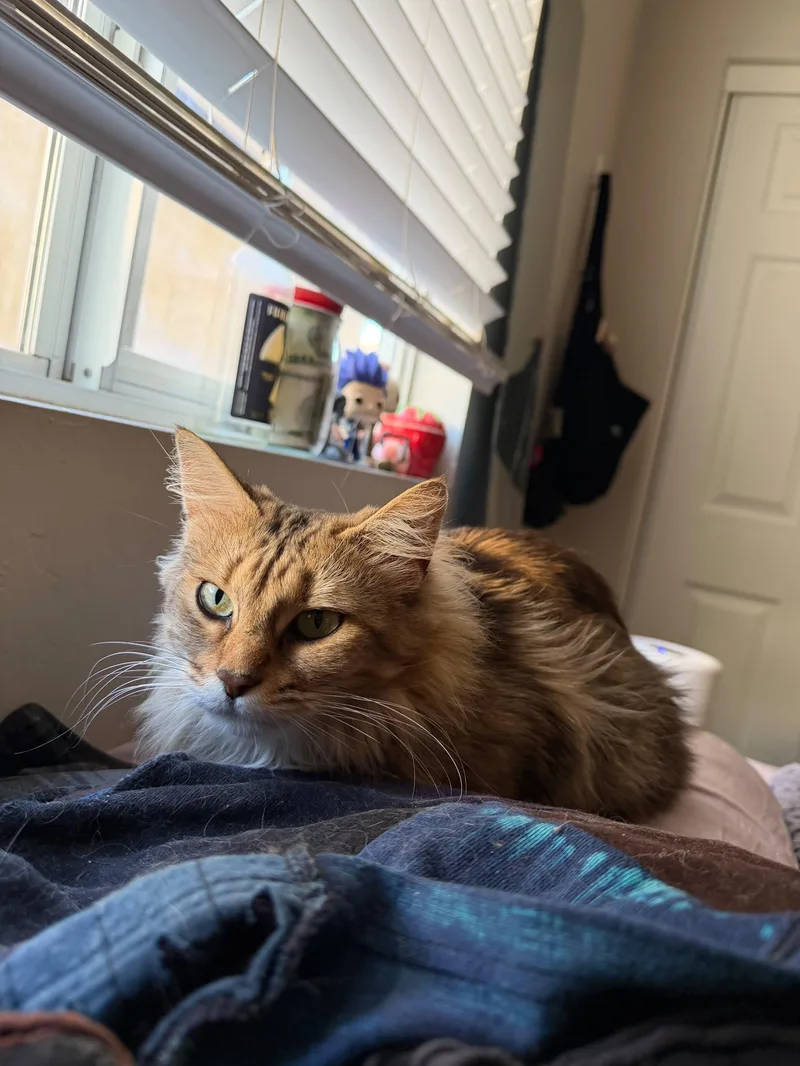
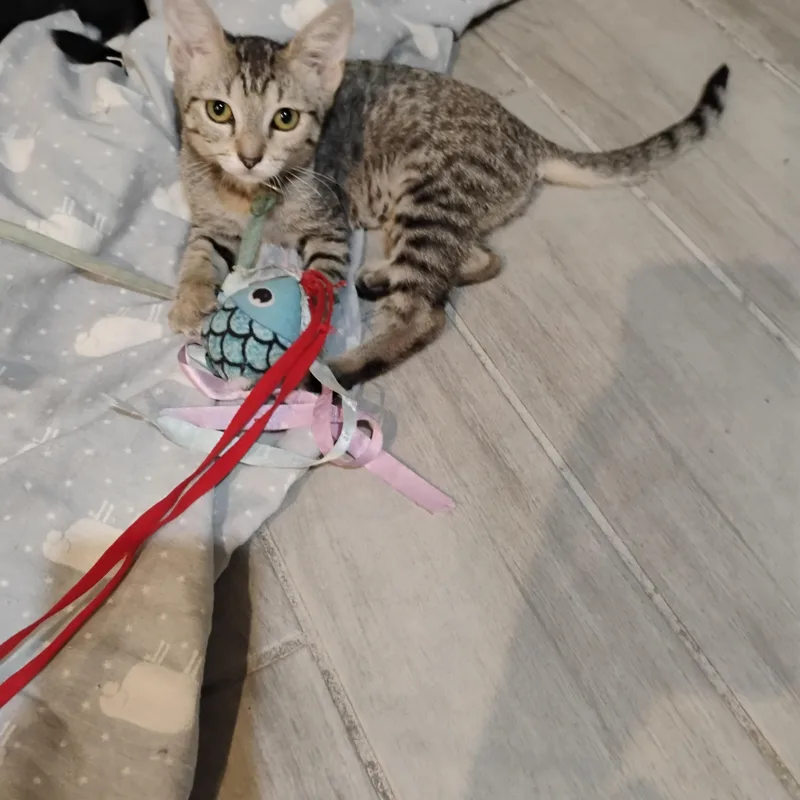
Torbie describes a coat, not a breed. The name blends tortoiseshell and tabby: patches of black-based and orange-based color with tabby stripes, swirls or spots running through them, often with the tabby M on the forehead. Variations include brown, blue-and-cream and silver torbies. Most are domestic shorthairs or longhairs, typically weighing 6 to 14 pounds and shedding at a moderate rate.

Torbies are often called spirited or chatty, but coat color hasn't been shown to predict behavior, so a Phoenix torbie might be a shy lap cat or a confident climber. Lifespans typically run 12 to 18 years, which is a long commitment worth planning around. Spending time with a cat and watching how it plays and relaxes will tell you more than the pattern does.

Weight
6–14 lbs
Height
8–10 in
Lifespan
12–18 yrs
Temperament
Playful, Affectionate, Curious
Shedding
Moderate

Owning a Torbie in Phoenix

Having a Torbie in Phoenix

Torbie names a coat, not a breed, so these cards describe domestic cats in general. In Phoenix, what matters most is a cool indoor home, a steady play routine and regular vet care, whatever a cat's age or energy level.

Temperament

Torbies are often called spirited, playful and affectionate, though that comes from owner impressions rather than research. Shelter torbies range from shy to outgoing. In a Phoenix apartment, a cat that enjoys interactive play and a window view usually adjusts well, while a shy cat settles best in a quieter room with hiding spots.

Exercise Needs

Plan on daily wand-toy play, chase games and puzzle feeders, with young cats wanting several short sessions and seniors preferring gentler ones. Phoenix summers make indoor play the main outlet, so schedule sessions in the morning or evening when the home is coolest, and give climbers a tall cat tree near a window.

Health Considerations

The torbie pattern carries no known health risks for female cats, so health follows age, ancestry and care. Valley fever is far less common in cats than dogs in Arizona, but indoor cats can be infected, so have a vet look at a lingering cough or skin lesions that resemble abscesses. Keep up dental care, vaccines and a healthy weight.

Living Space

Torbies adapt to apartments and houses alike, so a Phoenix condo or ranch-style home works if it has scratching posts, window perches and hiding spots. Sunny windows heat up fast in summer, so offer a shaded, cooler spot too. Shy cats settle best in calm homes, while social ones often handle kids and other pets.

What it costs to own a Torbie in Phoenix

ExpenseTypical costPer year
Adoption fee$200, one time$200 in year one
Food$25 to $50 per month$300 to $600
Pet insurance$20 to $45 per month$240 to $540
Routine vet care$150 to $350 per year$150 to $350
Other*$450 to $1,150 per year$450 to $1,150
Estimated yearly total (after year one)$1,140 to $2,640
First-year total (with adoption fee)$1,340 to $2,840

Adoption fee is the fee on Torbie listings in Phoenix on GetBuddy today. Other costs are estimates and vary with size, age and health.

* Litter, flea and parasite prevention, a dental cleaning allowance, toys and supplies, and home grooming.

Adopt a Torbie in Phoenix.

Now that you know more, let’s find you a new best friend. These rescues and shelters below currently have Torbies available.

Frequently Asked Questions

Yes, torbies can handle Phoenix summers as indoor cats. Coat pattern doesn't change heat tolerance, and with triple-digit heat from May through September and nights that stay warm, a cool home, constant fresh water and shaded windows are essential. Keep play to early morning or evening, never leave a cat in a car, and watch for panting or lethargy.

Yes, a torbie can do well in a Phoenix apartment. Cats need vertical space and daily play more than square footage, so a cat tree, window perch and wand-toy sessions go a long way. Because so many Phoenix households rent, read the lease's pet terms and make sure any pet fee or deposit is described in writing.

Yes, nothing in Phoenix or Arizona law stands in the way of adopting a torbie. Phoenix doesn't require a cat license, and Arizona forbids breed-specific rules. Cats leaving Arizona shelters are generally sterilized first. Browse the cats listed on this page and save a search to hear when new ones appear.

A torbie can be a good fit if you can keep a cool, stimulating indoor home. Long, hot summers mean most play and window-watching happen inside, and the fireworks windows around July and New Year's can unsettle nervous cats. Since torbies vary in temperament, look at each cat's age and energy rather than the coat pattern.

Not much. Most torbies are shorthairs and do well with a weekly brushing, while longhaired ones need it a few times a week. Cats living in air-conditioned Phoenix homes often shed steadily year-round, so regular brushing keeps hair and hairballs down. Home grooming sits within the Other costs, and most torbies never need a professional groomer.

Torbies can likely ride in a closed carrier, but check current Valley Metro rules before you go. Phoenix has buses and light rail rather than a subway, and Valley Metro's paratransit rule requires pets to travel in closed containers. Bring a sturdy carrier, keep trips short, and avoid waiting at sun-baked stops in summer.

A torbie cat is a cat whose coat combines tortoiseshell and tabby patterns, with patches of black-based and orange-based color plus tabby stripes, swirls or spots. It is a coat pattern, not a breed, and appears mostly in domestic shorthairs and longhairs. Torbies are also called tortie-tabbies or patched tabbies, and nearly all are female.

No, torbie cats are not especially rare. The pattern appears whenever a tortoiseshell cat also inherits tabby markings, which is common, and shelters regularly have torbies available. Male torbies are a different story: like other male tortoiseshells, they are very rare. Some variations, such as silver or dilute torbies, are seen less often but are still not unusual.

We have 1 rescue with Torbies available: Adorable Dog Rescue. You can see every rescue with Torbies available in the list above these questions, or scroll to the top to see the Torbies near Phoenix.

A torbie in Phoenix typically costs about $1,140 to $2,640 a year. That covers food at $25 to $50 a month, insurance at $20 to $45 a month, routine vet care at $150 to $350 a year, and $450 to $1,150 a year for litter, prevention, dental care and supplies. Illness and emergencies come on top.

Find Torbies in Nearby Cities

Expand your search to find Torbies available for adoption near Phoenix.