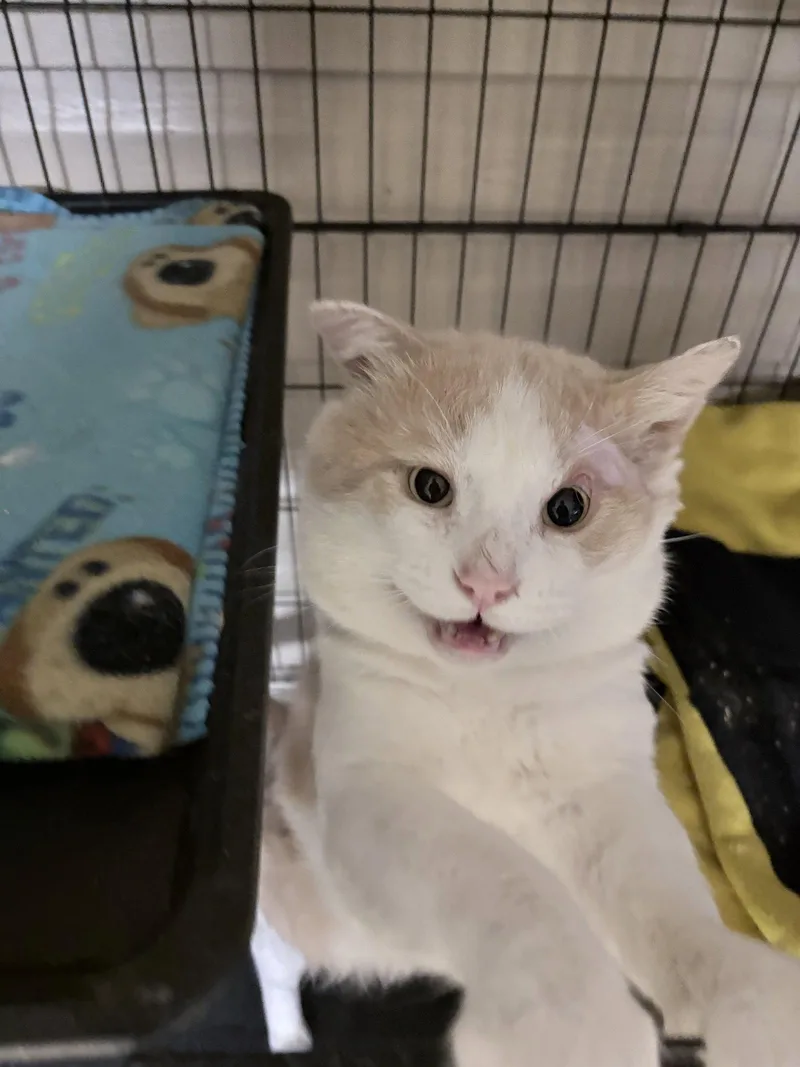
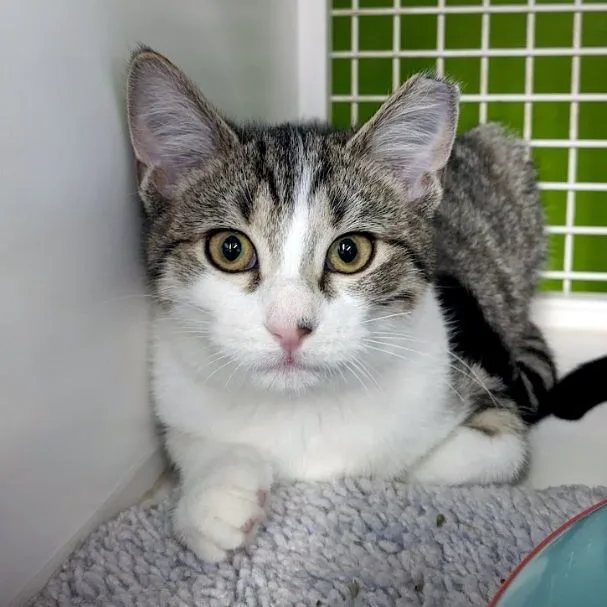
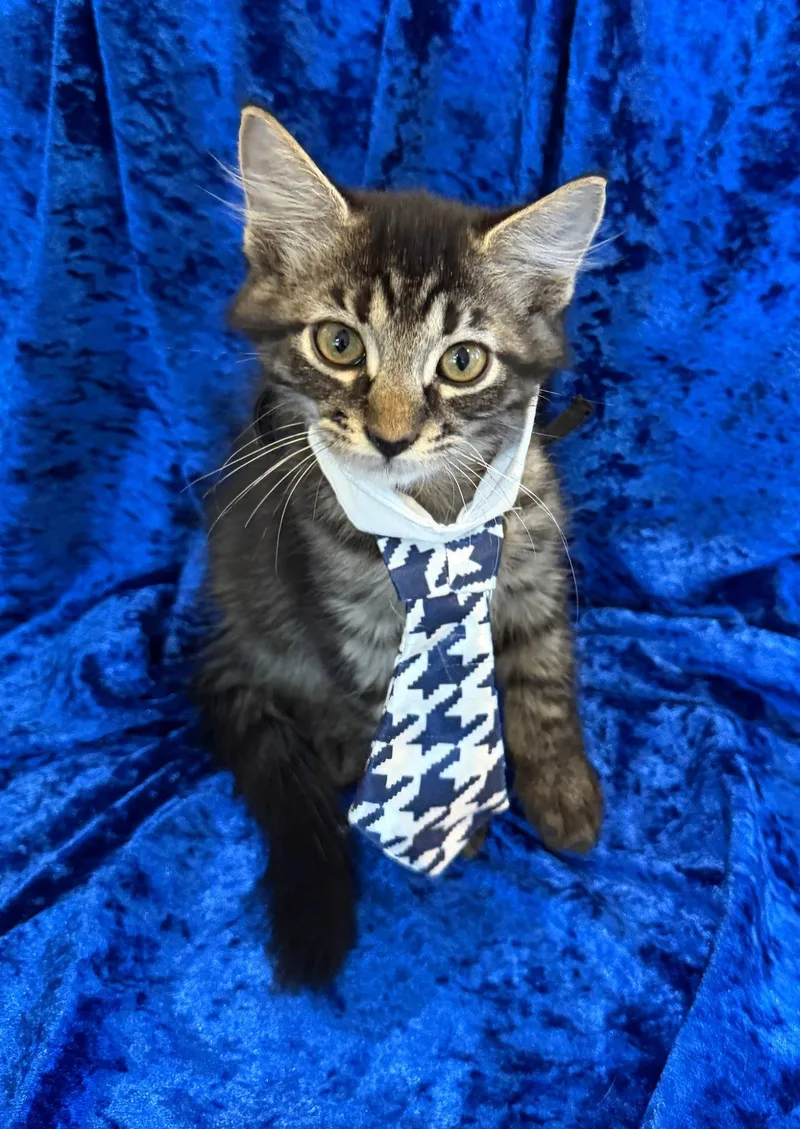
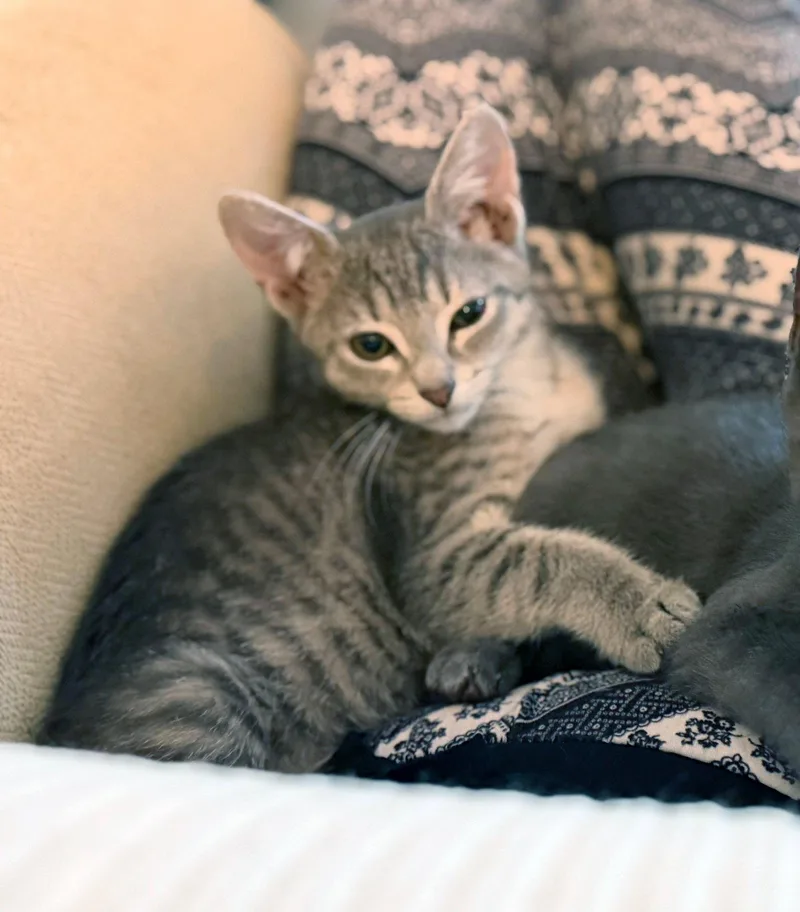
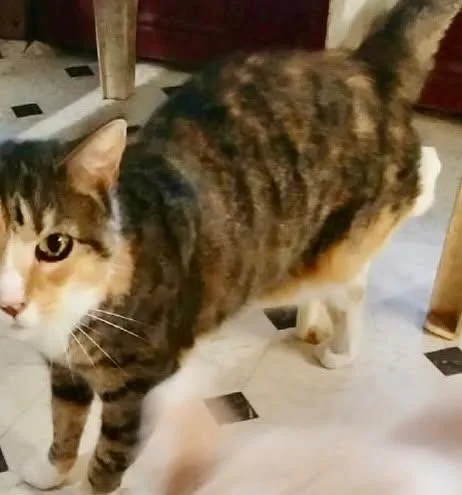
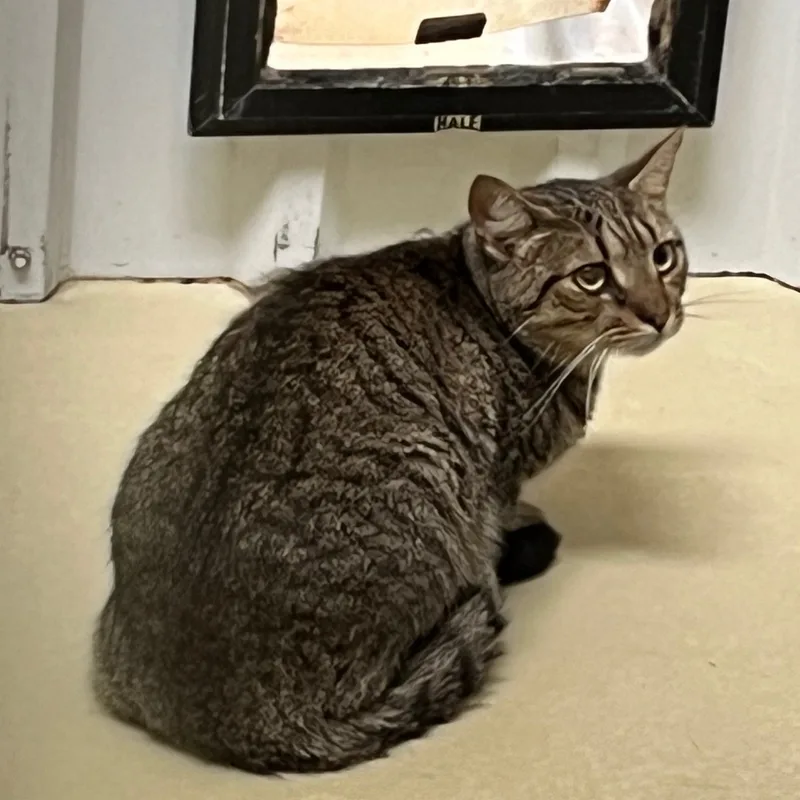
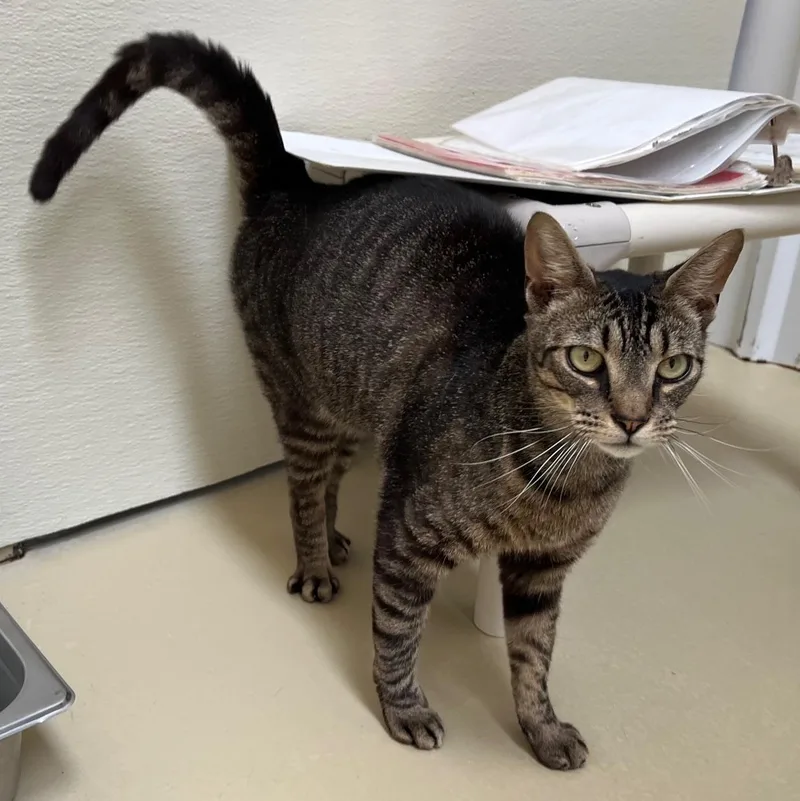
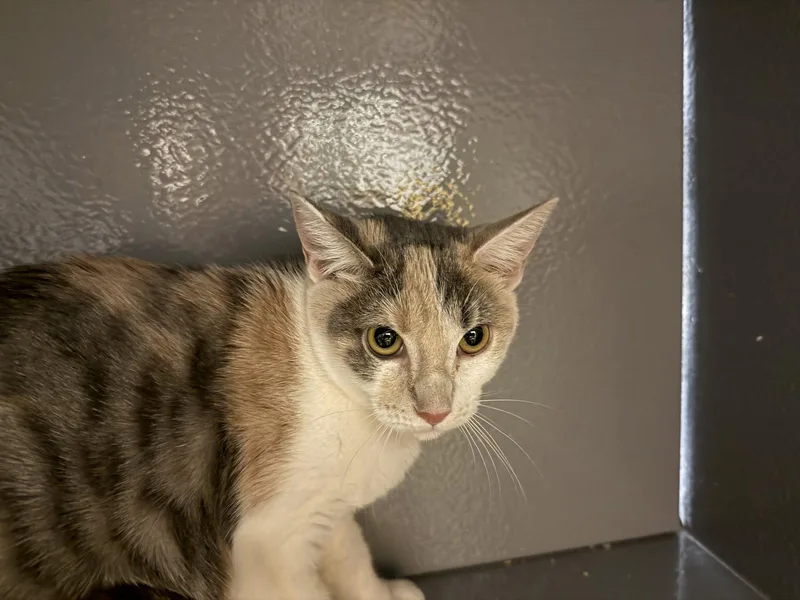
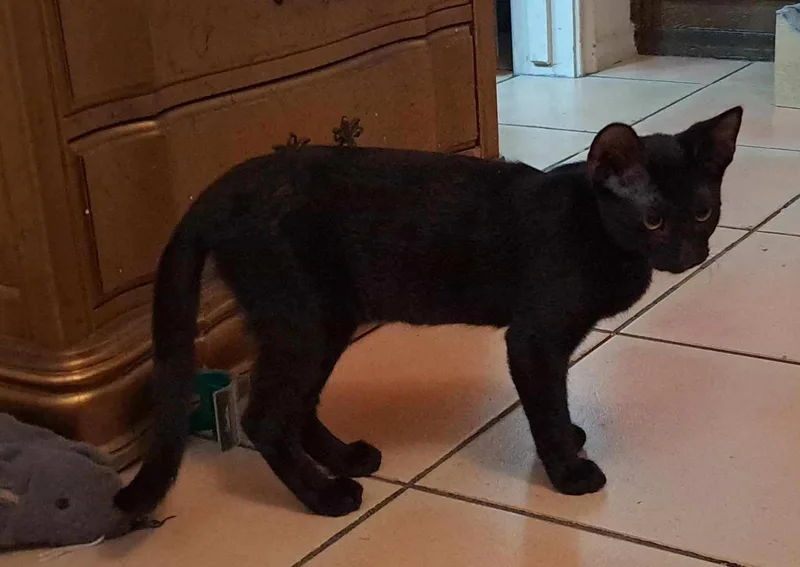
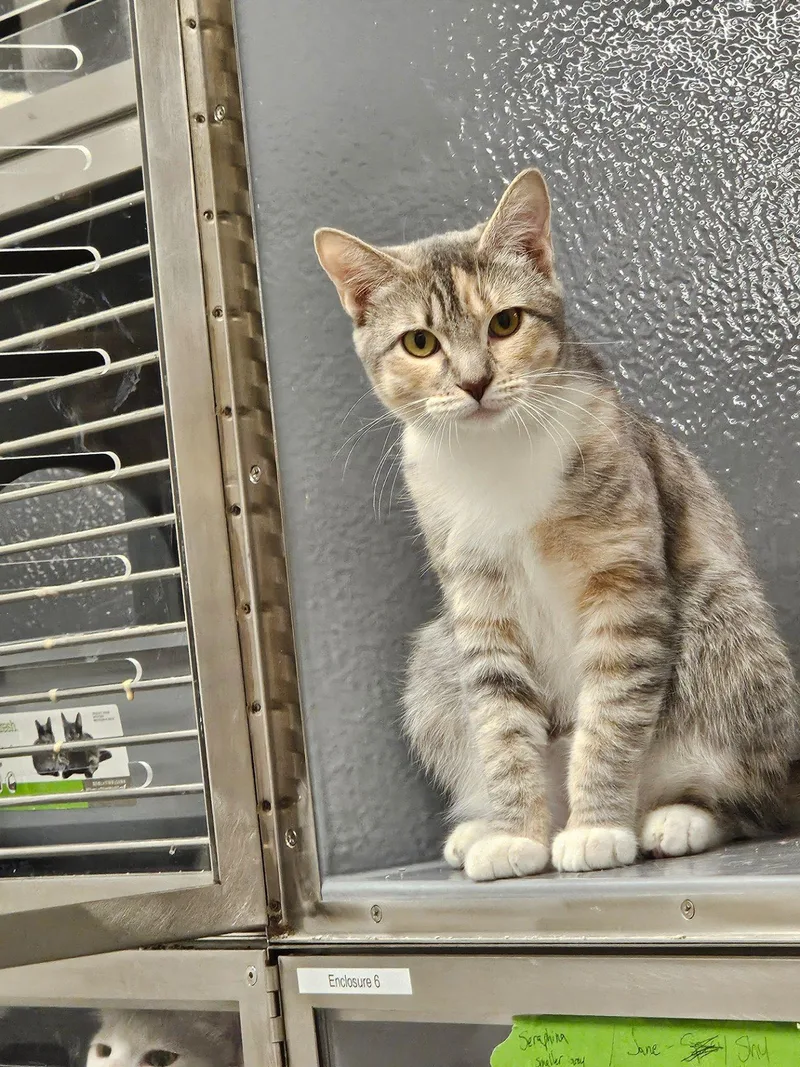
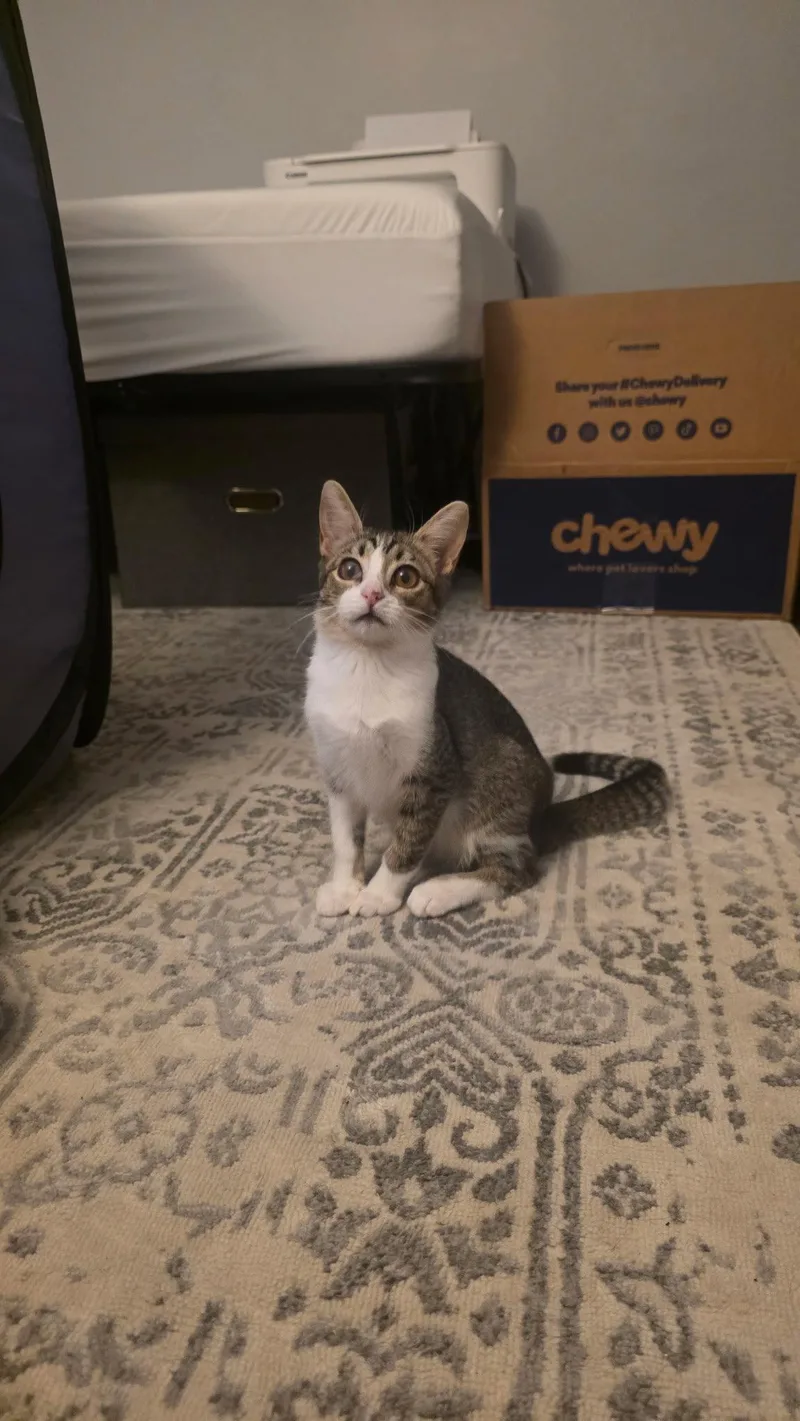
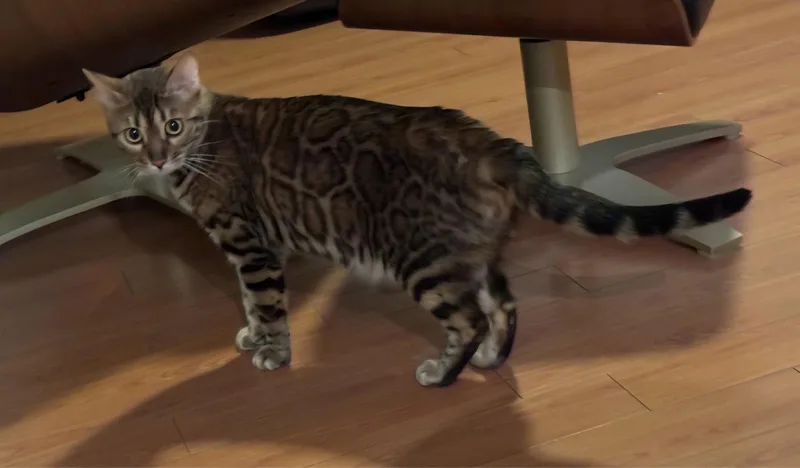
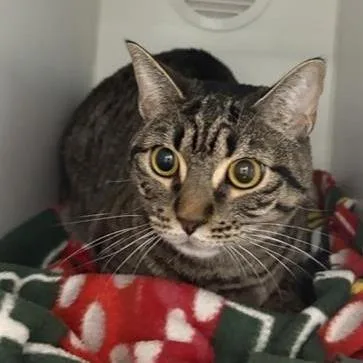
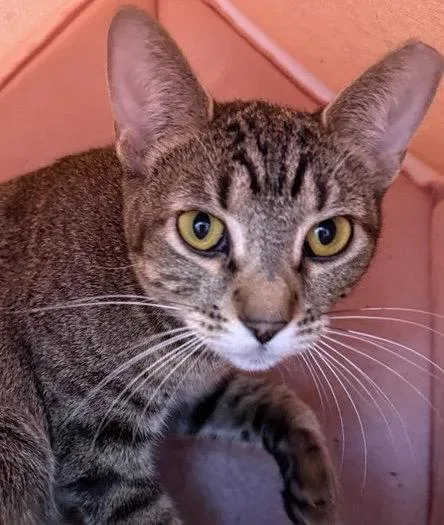
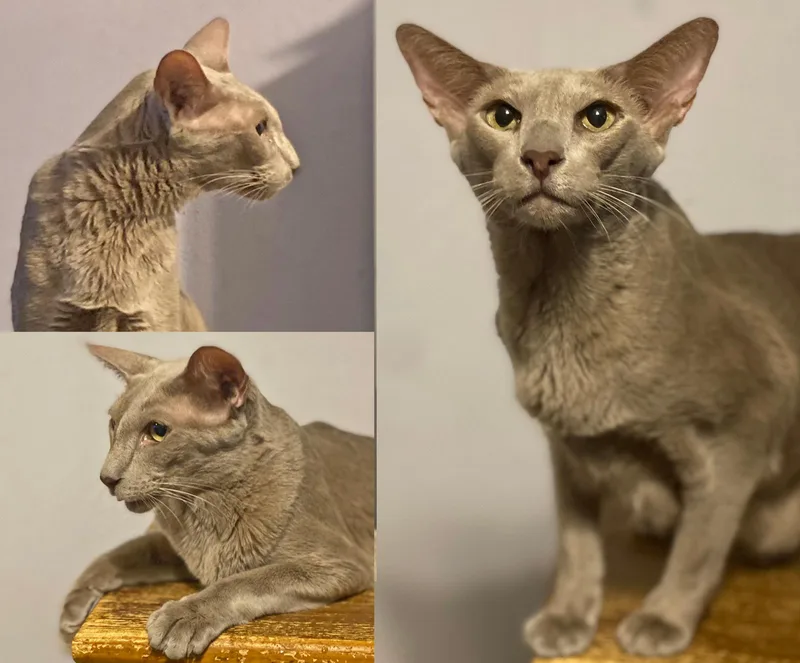
Tiger Cats for Adoption in Phoenix, AZ

Your guide to finding and caring for a Tiger in Phoenix

Tiger cats fit Phoenix apartment and bungalow life well, since a striped tabby is happy with a sunny window and a couple of play sessions a day. In a mid-rise along Central Avenue in Encanto or a small ranch house in Alhambra, a cat can watch the street from a perch and stay in the air conditioning while afternoons top 100°F. "Tiger" describes a coat, not a breed, so these cats run from shy to bold. Plan on a medium-sized house cat with a window-ledge habit.

200 Tigers available in Phoenix and nationwide

Find your forever Tiger cat

While we don't have enough cats near Phoenix, keep in mind that many rescues may offer transport.

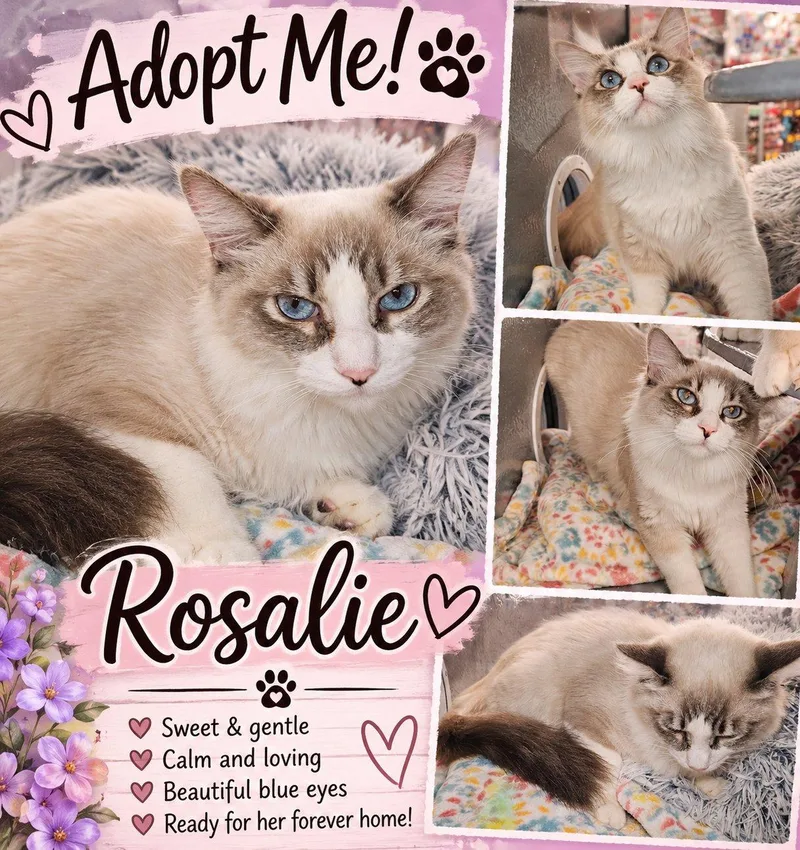
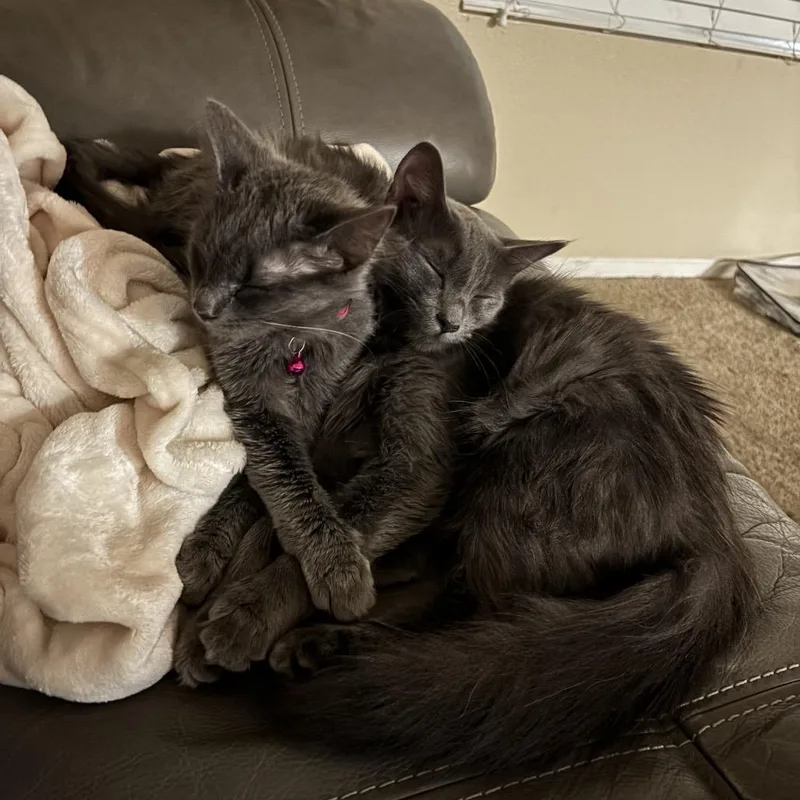
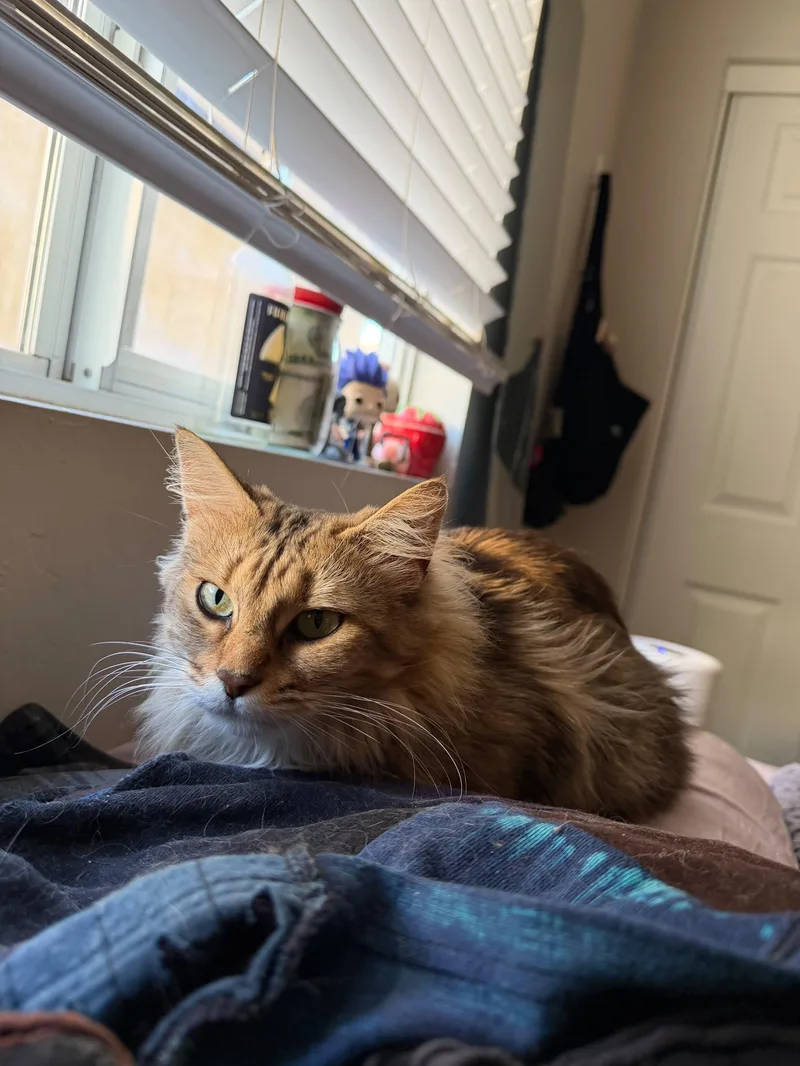
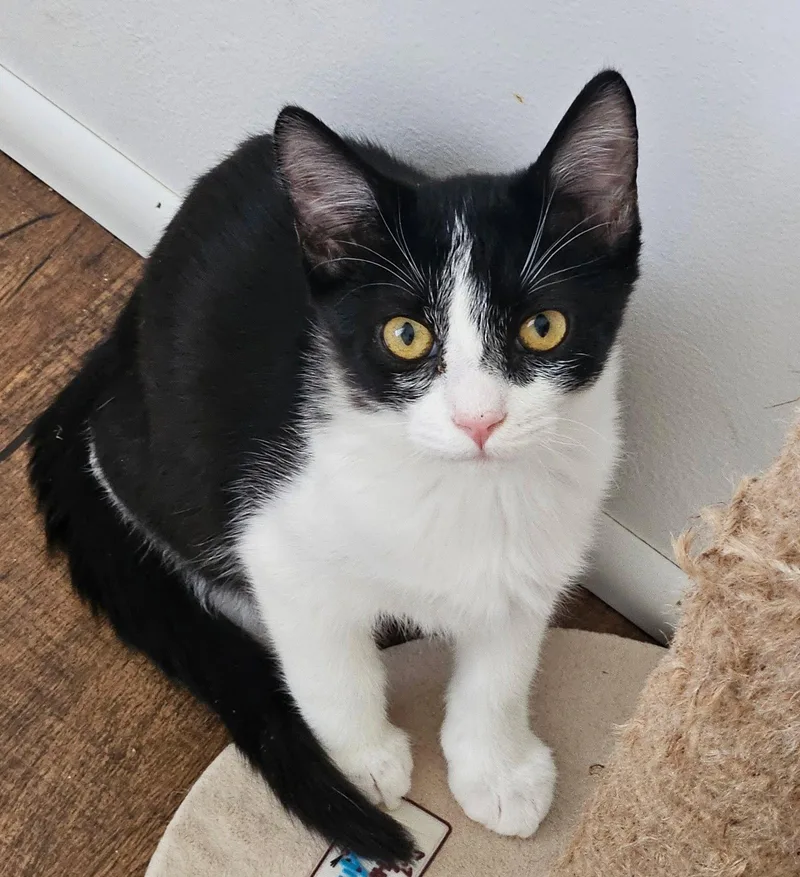
Tigers Available for Adoption Near Phoenix

About the Tiger breed

In Phoenix listings, "tiger" is shorthand for a striped tabby, usually a domestic shorthair of mixed ancestry. Most weigh 6 to 14 pounds, live 12 to 18 years indoors and shed a moderate amount, so a weekly brush keeps fur off the couch.

Because stripes say nothing about temperament, tiger cats range from lap-seeking to independent, and a cat's age and history tell you more than its coat. In Phoenix the bigger question is the climate: a cat that lives indoors with air conditioning, a scratching post and a window view avoids heat, traffic and desert wildlife. It's also a long commitment, since a kitten adopted today could be with you into the 2040s.


Weight
6–14 lbs
Height
8–10 in
Lifespan
12–18 yrs
Temperament
Adaptable, Curious, Playful
Shedding
Moderate

Owning a Tiger in Phoenix

Having a Tiger in Phoenix

A tiger cat is defined by its stripes, not a pedigree, so traits vary from cat to cat. In Phoenix, the practical priorities are keeping an indoor cat active, cool and protected from desert hazards through long, hot summers.

Temperament

Tiger cats cover the full range, from shy and gentle to bold and chatty, and the stripes don't predict which. Most are adaptable and curious, which helps in Phoenix apartments with neighbors and noise. Give a new cat a quiet room for the first few days, then let it explore at its own pace.

Exercise Needs

Plan on daily play with wand toys, balls or puzzle feeders, and more for kittens than for seniors. Phoenix's summer heat keeps cats indoors, so climbing shelves, window perches and rotating toys matter. Short sessions in the early morning or evening, when the house is coolest, keep indoor cats lean and busy.

Health Considerations

Stripes carry no particular health risk. Dental disease, obesity, kidney disease in seniors, hyperthyroidism and diabetes are the usual cat concerns. In Phoenix, valley fever is far rarer in cats than in dogs but can affect indoor cats, so have a vet look at skin sores that resemble abscesses and don't heal. Yearly checkups cover the rest.

Living Space

Tiger cats do well in Phoenix apartments, bungalows and ranch homes alike, as long as there are scratching posts, a high perch and a place to hide. Keeping them indoors protects against heat, traffic and desert wildlife. Screened windows and secure balconies let them watch the outdoors safely.

What it costs to own a Tiger in Phoenix

ExpenseTypical costPer year
Adoption fee$50, one time$50 in year one
Food$25 to $50 per month$300 to $600
Pet insurance$20 to $45 per month$240 to $540
Routine vet care$150 to $350 per year$150 to $350
Other*$450 to $1,150 per year$450 to $1,150
Estimated yearly total (after year one)$1,140 to $2,640
First-year total (with adoption fee)$1,190 to $2,690

Adoption fee is the fee on Tiger listings in Phoenix on GetBuddy today. Other costs are estimates and vary with size, age and health.

* Litter, flea prevention, a dental cleaning allowance, toys, scratchers and other supplies, and minimal home grooming.

Adopt a Tiger in Phoenix.

Now that you know more, let’s find you a new best friend. These rescues and shelters below currently have Tigers available.

Frequently Asked Questions

Yes, indoor tiger cats handle Phoenix summers well when the home stays air-conditioned. Triple-digit heat runs May through September and July nights average about 84°F, so cats shouldn't be outside at midday or left in a parked car. Offer water in several spots, and keep cats indoors during monsoon and dust storms.

Yes. Phoenix has no breed-specific rules, and Arizona law forbids cities from making them, so a tiger cat faces no local restriction. The county dog license doesn't apply to cats, and Phoenix doesn't require a cat license. Arizona also generally requires cats to be sterilized before a shelter releases them for adoption.

Yes, tiger cats usually adapt well to apartments with scratching posts, a window perch and daily play. Before signing a lease, get pet rent, deposits and any limits in writing. Arizona requires landlords to state the purpose of nonrefundable fees in writing, and reliable air conditioning matters most for a cat home all day.

Phoenix has Valley Metro buses and light rail but no subway. Pets are typically limited to closed carriers, while service animals ride under separate rules, so check current Valley Metro policy before you go. A sturdy, ventilated carrier is the practical choice for a cat, and avoid long waits at sunny stops in summer.

Very little. Most tiger cats have short coats and shed a moderate amount, so a weekly brush handles it, with a bit more in spring. Longhaired tabbies need brushing a few times a week. Nail trims and brushing are done at home, and the yearly Other costs in the cost table already cover the supplies.

Often, yes, for people who keep the home cool and set aside time for play. Tiger cats are adaptable, and living indoors sidesteps the heat, traffic and desert wildlife. Because stripes don't predict personality, a cat's age and temperament matter more than its coat. Fireworks windows and long indoor summers are worth planning for.

A tiger cat is a cat with a striped coat that resembles a tiger's, usually a mackerel tabby. It is a coat pattern, not a breed, and most tiger cats are domestic shorthairs of mixed ancestry. The pattern is very common in shelters and appears in brown, gray, orange and other colors.

A tiger cat has narrow stripes running down its sides like a fish skeleton, which is why the pattern is also called mackerel tabby. It usually has rings around its legs and tail, dark lines from the eyes across the cheeks and an M-shaped marking on the forehead. Colors include brown, gray, silver and orange.

We have 1 rescue with Tigers available: Arizona Society for the Importance of Animals. You can see every rescue with Tigers available in the list above these questions, or scroll to the top to see the Tigers near Phoenix.

Expect roughly $25–$50 a month for food, $20–$45 a month if you choose pet insurance, and $150–$350 a year for routine vet care. Other yearly costs, including litter, flea prevention, a dental cleaning allowance and supplies, run about $450–$1,150. Adoption fees vary and appear on the listings.