Havana Cats for Adoption in Phoenix, AZ

Your guide to finding and caring for a Havana in Phoenix

A Havana suits an indoor Phoenix home where someone is around for much of the day. Picture a mid-rise off Central Avenue in Encanto or a small ranch house in Alhambra, with a window perch where the cat can supervise the street and chat in a soft voice. The breed is rare, so most brown shorthairs you meet will be mixes. Since Phoenix summers push most cats indoors anyway, a Havana's love of company is a real plus.

2798 cats similar to Havana available in Phoenix and nationwide

Give a Havana Brown a home

Havanas and Similar Breeds Available for Adoption Near Phoenix

About the Havana breed

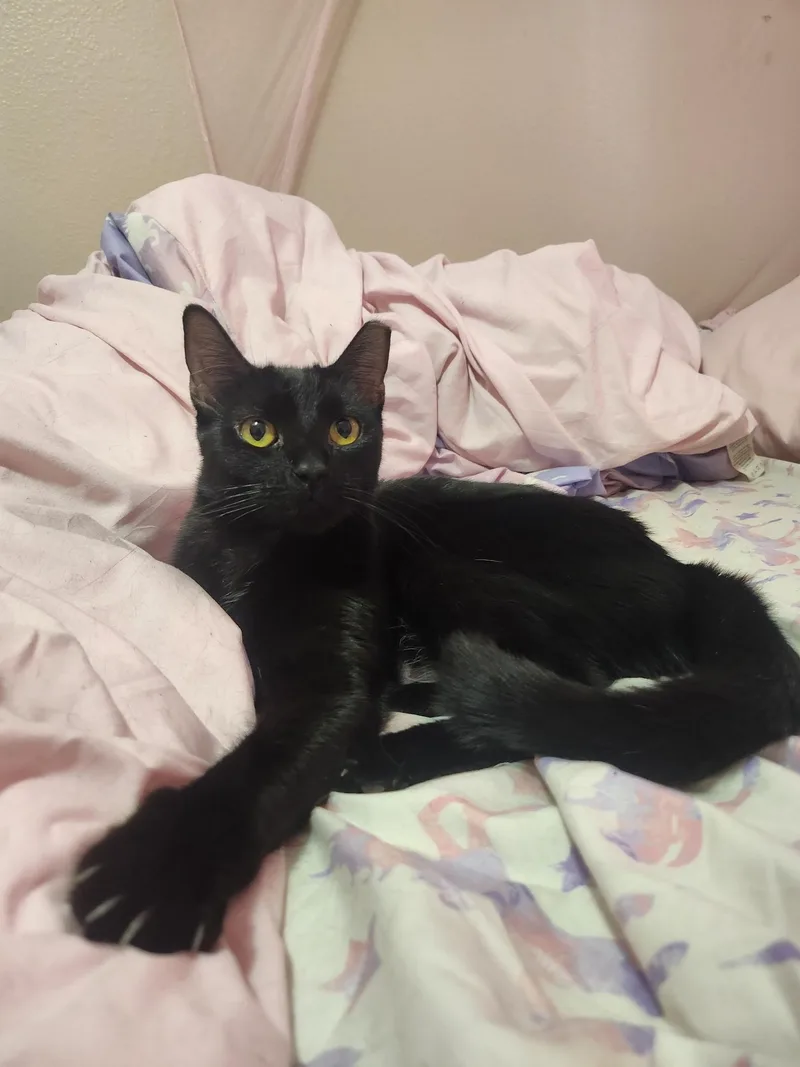
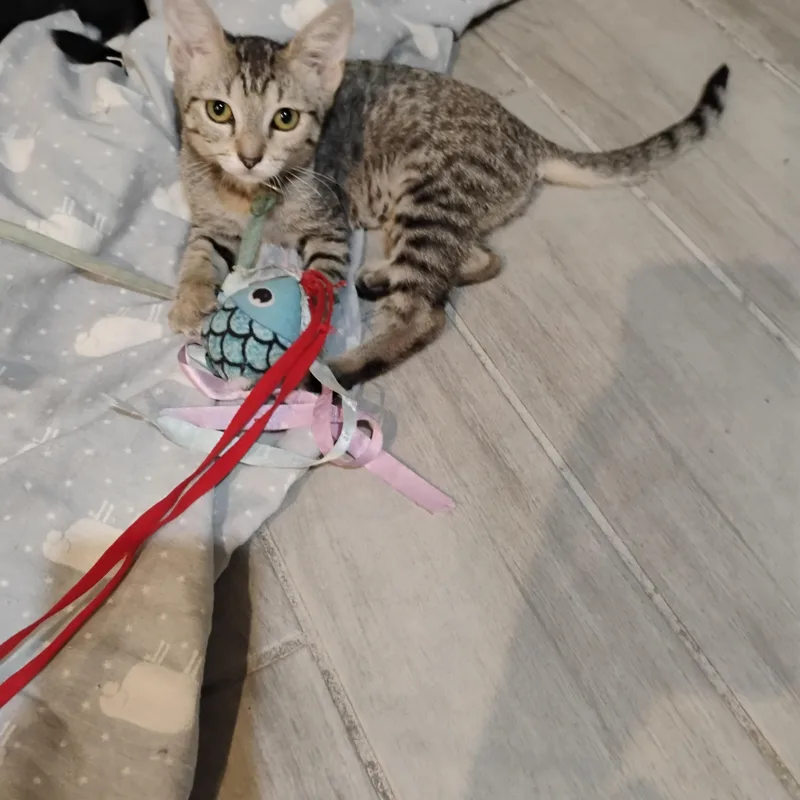
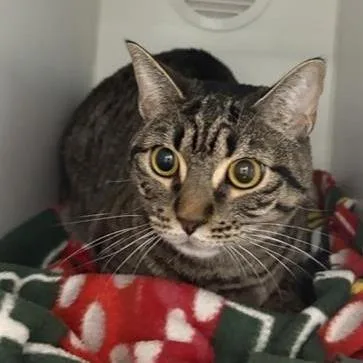
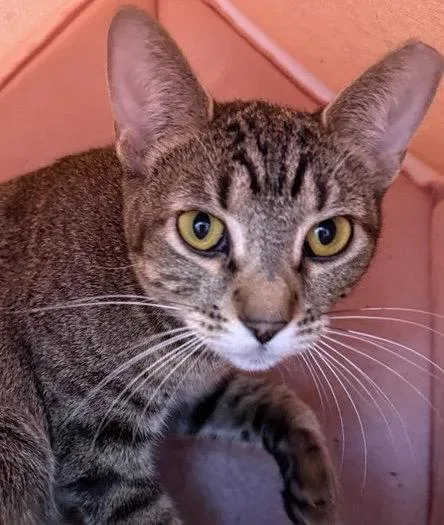
The Havana, also called the Havana Brown, was developed in Britain in the 1950s from chocolate-carrying Siamese and black domestic shorthairs. It's easy to spot: a glossy chocolate coat, brown whiskers, green eyes, large forward-tilted ears and a squared-off muzzle. At roughly 6 to 10 pounds, it's a medium, muscular cat without extreme features.

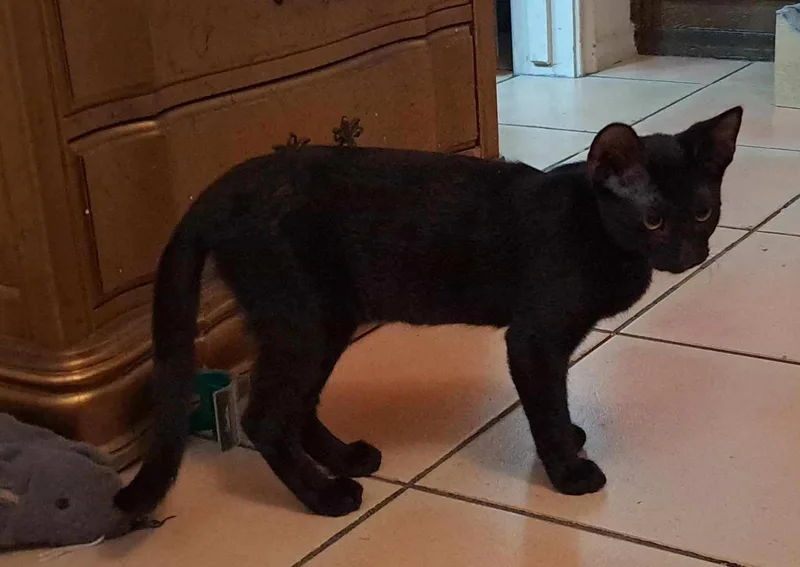
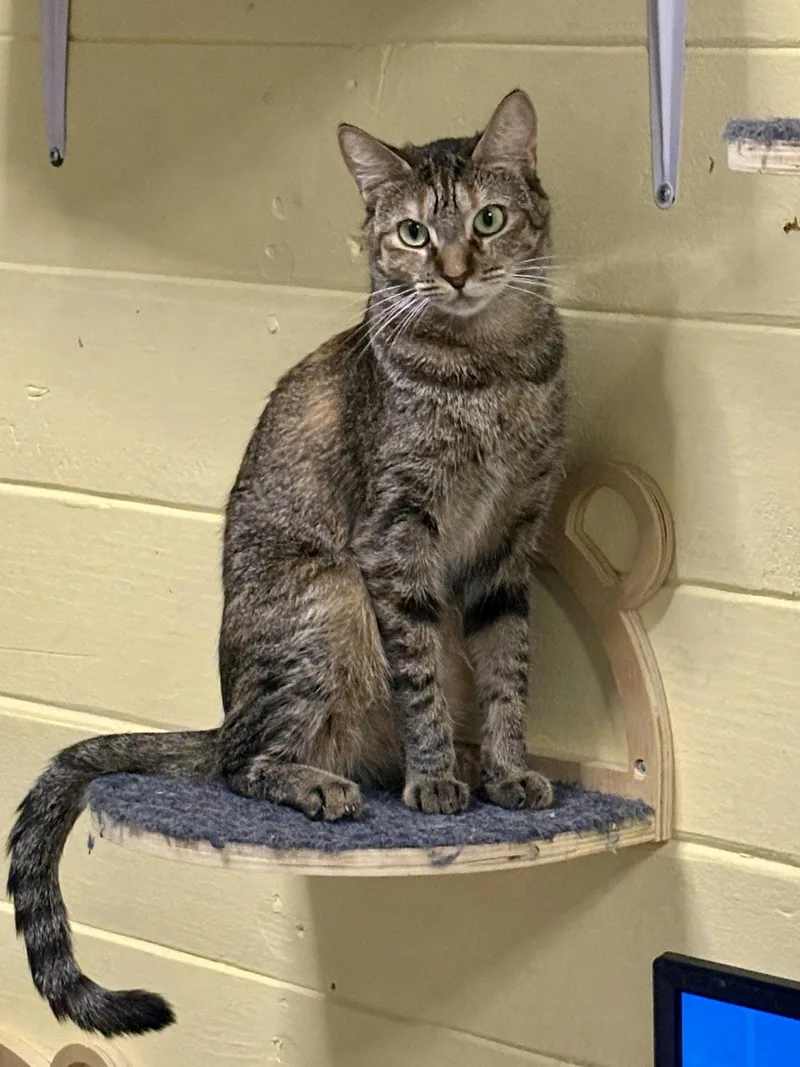
Havanas are curious and people-focused, and many pat at things and people with a paw to investigate. They talk, but more softly than a Siamese. The short coat sheds little and needs only light brushing. Because the breed is so uncommon, many adopters will meet Havana-type mixes or brown shorthairs, and those cats can share the same sociable streak, though no cat is guaranteed to match a breed description.

Weight
6–10 lbs
Height
9–11 in
Lifespan
10–15 yrs
Temperament
Social, Curious, Affectionate, Playful
Shedding
Low

Owning a Havana in Phoenix

Having a Havana in Phoenix

A Havana usually pairs an easy-care coat with a strong wish to be involved in daily life. How that sociability and curiosity fit your schedule in Phoenix matters more than the chocolate color.

Temperament

Havanas are often affectionate and interactive, following people from room to room and greeting guests with interest. Many get along with considerate children and calm dogs. Because they're so people-oriented, some get lonely during long workdays, so a Phoenix household with someone home part of the day or a friendly companion pet tends to suit them.

Exercise Needs

Most Havanas are moderately active and enjoy wand toys, balls, puzzle feeders and climbing perches. Two or three short play sessions a day usually work better than one long one. In Phoenix, indoor play is the practical choice for much of the year, so a tall cat tree near a sunny window gives them somewhere to climb.

Health Considerations

Havanas have no well-documented breed-specific genetic disease, though gum inflammation may be somewhat more common, so dental care matters. In Arizona, valley fever is worth knowing about: cats get it far less often than dogs, but indoor cats can be infected. Ask your veterinarian about persistent coughing or skin lesions that look like abscesses.

Living Space

A Havana can be happy in a Phoenix apartment, condo or house, because company and enrichment matter more than square footage. Window perches, a sturdy cat tree and a few hiding spots go a long way. Keeping the cat indoors also avoids summer heat, desert wildlife and traffic.

What it costs to own a Havana in Phoenix

ExpenseTypical costPer year
Food$25 to $50 per month$300 to $600
Pet insurance$25 to $50 per month$300 to $600
Routine vet care$150 to $350 per year$150 to $350
Other*$450 to $1,150 per year$450 to $1,150
Estimated yearly total (after year one)$1,200 to $2,700

Other costs are estimates and vary with size, age and health.

* Litter, flea prevention, a dental cleaning allowance, toys, scratchers and other supplies, and minimal home grooming for the short coat.

Adopt a Havana in Phoenix.

Now that you know more, let’s find you a new best friend. These rescues and shelters below have cats available in and near Phoenix.

Rescues and Shelters in or near Phoenix

Phoenix has an active rescue community, from county and humane society shelters to no-kill centers, and their listings change often. Here are the rescues & shelters in the Phoenix area with cats available for adoption, worth asking whether a Havana is coming in.

Frequently Asked Questions

Yes, for an indoor home with someone around part of the day. Havanas are social, curious and quiet enough for most apartments, and they do well in air-conditioned rooms with perches and play. Phoenix's long, hot summers make an indoor lifestyle easy to justify. A Havana left alone for long stretches may get bored or lonely.

Yes, as long as they live indoors with reliable air conditioning. Phoenix averages 111 days a year at 100°F or more, and July nights stay near 85°F. Keep fresh water out, close blinds on sunny windows, never leave a cat in a car, and call a veterinarian for panting, drooling or weakness.

Yes. Phoenix has no breed-specific rules, and Arizona law prohibits cities from creating them. Any limits come from landlords or insurers rather than the city. Because Havanas are rare, you may find Havana-type mixes or brown shorthairs first, so watch the listings on this page, browse similar breeds, and save a search.

Yes. A Havana's medium size, low shedding and moderate activity suit apartments, and about 42% of Phoenix households rent. Provide a window perch, a cat tree and daily play. Get the pet policy in writing, since Arizona requires the purpose of any nonrefundable fee to be stated and caps total deposits at one and a half months' rent.

Possibly, in a closed carrier. Phoenix has Valley Metro buses and light rail but no subway, and pets are generally expected to be carried in closed containers. A Havana weighing 6 to 10 pounds fits that approach well. Confirm current Valley Metro pet rules before riding, and plan trips around summer heat.

Very little. The short, low-shedding coat needs a quick weekly brushing, which also helps with the dust that Phoenix's dry climate brings. Professional grooming is rarely needed, so it fits within the Other costs of $450 to $1,150 a year. Dental care matters more, since Havanas may be prone to gum inflammation.

A Havana cat, also called the Havana Brown, is a rare shorthaired breed developed in Britain in the 1950s from Siamese and black domestic cats. It is recognized by its rich chocolate-brown coat, brown whiskers, green eyes and distinctive muzzle. Havanas tend to be social, curious and people-focused, and few are available, so brown shorthaired mixes are more common in shelters.

Expect roughly $25 to $50 a month for food and $25 to $50 for pet insurance. Routine vet care typically runs $150 to $350 a year. Other yearly costs, such as litter, flea prevention, dental care and supplies, add about $450 to $1,150. Your adoption fee depends on the listing you choose.