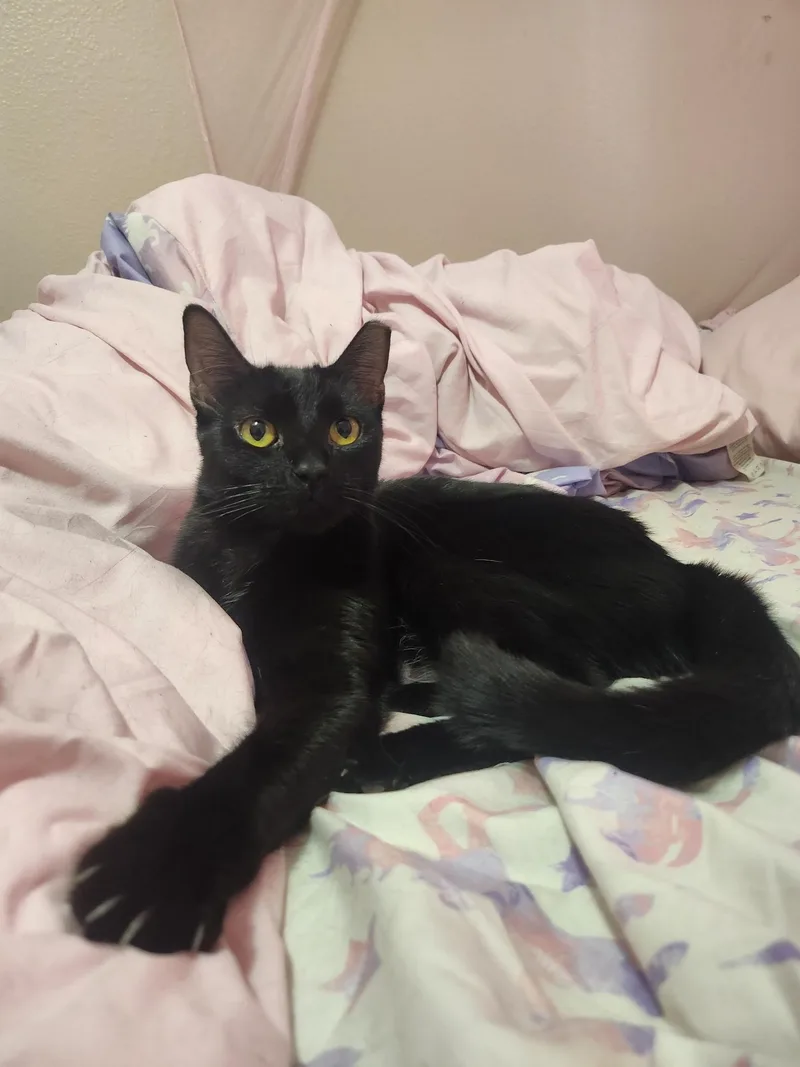
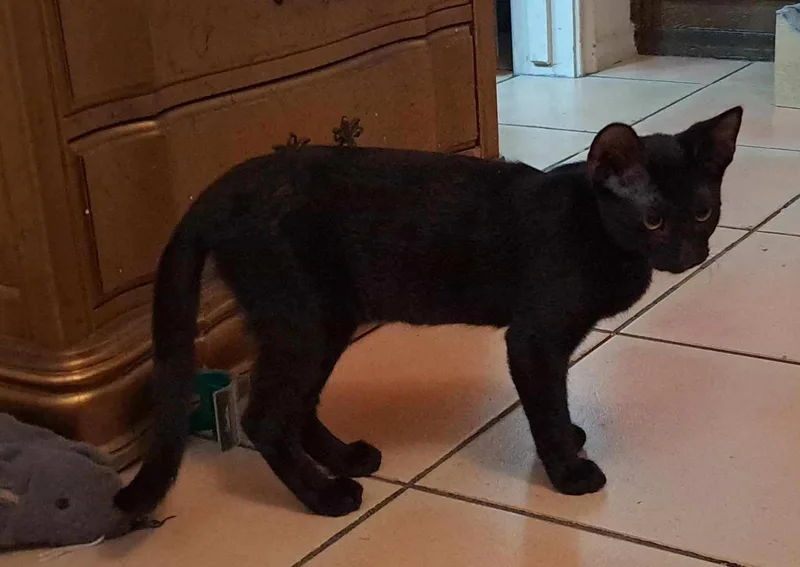
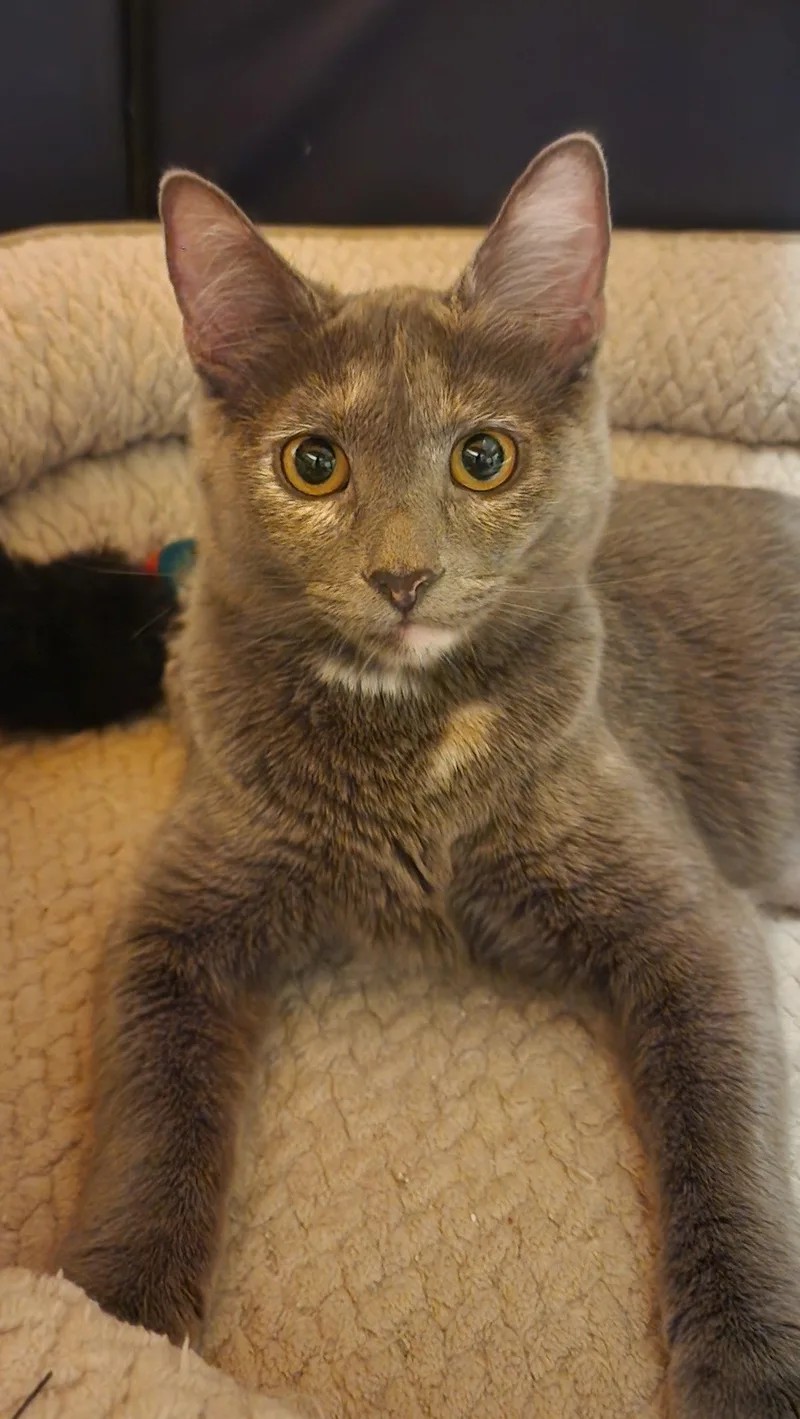
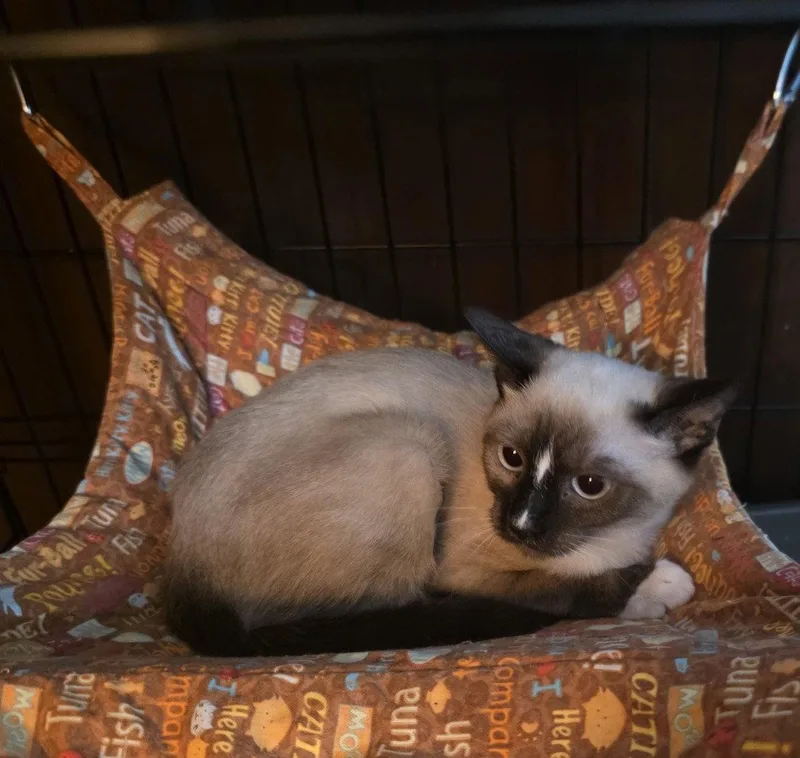
Domestic Short Hair Cats for Adoption in Phoenix, AZ

Your guide to finding and caring for a Domestic Short Hair in Phoenix

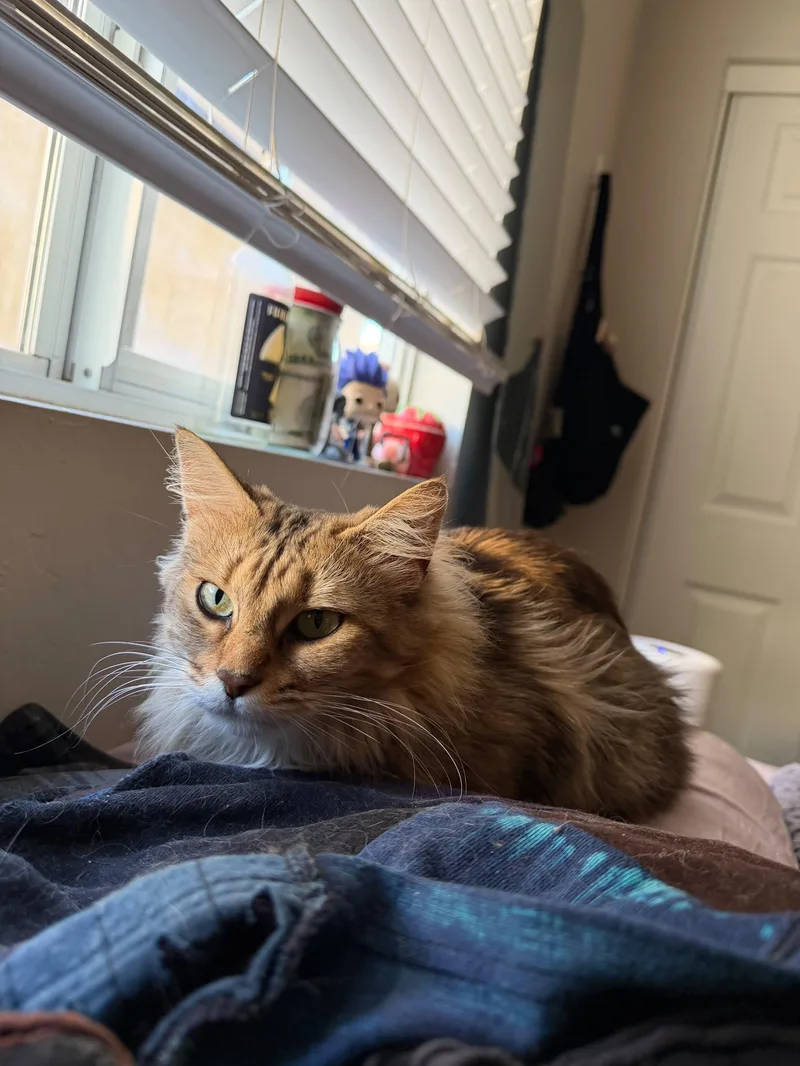
Domestic Short Hairs fit Phoenix homes of almost any size, because what they need most is indoor space and a good window. A cat can watch the Murphy Bridle Path trees from a sunny spot in an Alhambra ranch house, or claim a perch in a Central City loft. Staying indoors also keeps them away from desert toads, rattlesnakes and cactus. They vary a lot in age and personality, so plan on getting to know the cat in front of you.

199 Domestic Short Hairs available for adoption in Phoenix

Find your Domestic Short Hair

Domestic Short Hairs Available for Adoption in Phoenix

About the Domestic Short Hair breed

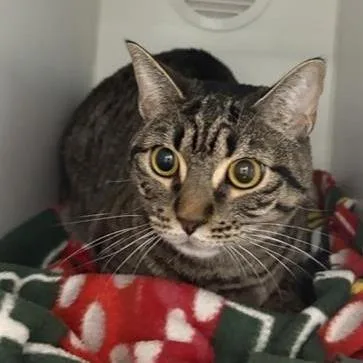
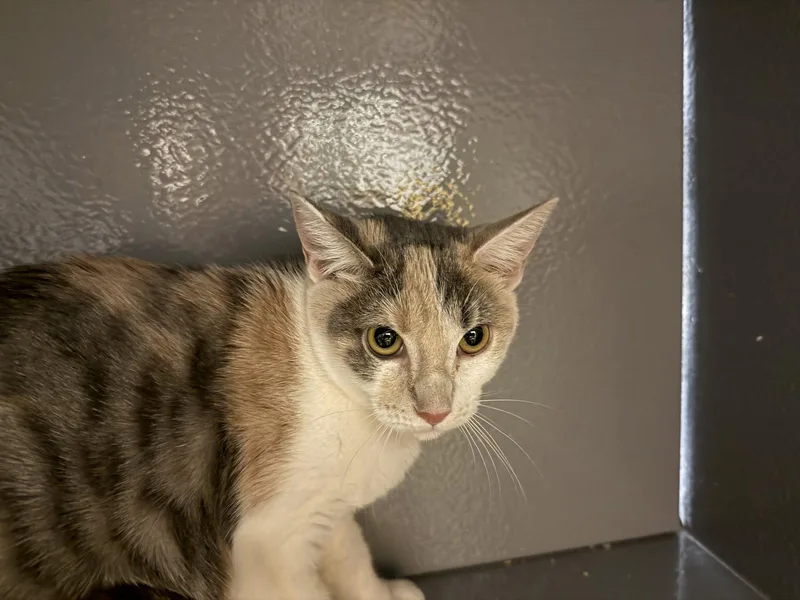
Domestic Short Hair is a coat type, not a pedigreed breed. These cats are mixed or of unknown ancestry, usually medium-sized at roughly 6 to 14 pounds, and they come in every color and pattern. Most are sturdy, adaptable and low-maintenance, with a short coat that sheds a moderate amount all year.

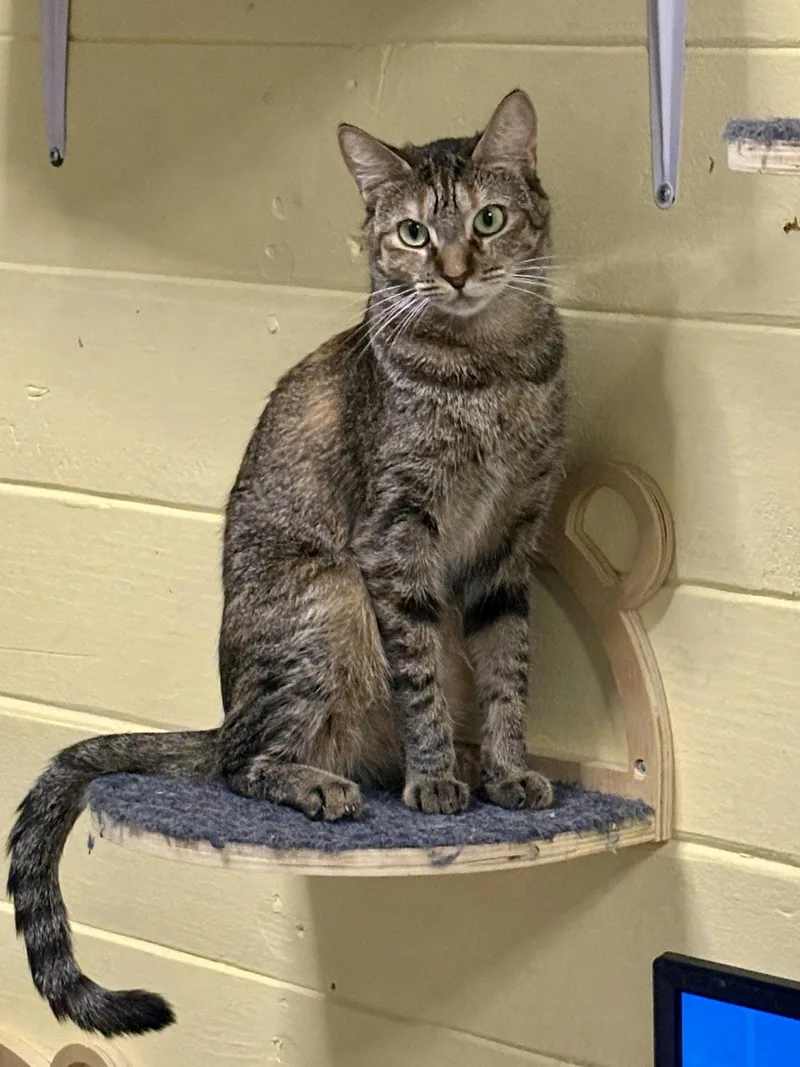
Because the gene pool is so wide, no two are quite alike. Some are lap cats, some are talkers, and some would rather observe from a shelf. In Phoenix, where most cats live indoors to stay safe from heat and desert wildlife, that adaptability helps: a DSH that likes climbing and play usually settles into apartment or house life without much fuss.

Weight
6–14 lbs
Height
8–10 in
Lifespan
12–18 yrs
Temperament
Adaptable, Curious, Affectionate
Shedding
Moderate

Owning a Domestic Short Hair in Phoenix

Having a Domestic Short Hair in Phoenix

Domestic Short Hairs share a practical coat, and little else is fixed. In Phoenix, an indoor life with climbing space, play and a cool resting spot matters more than any breed label, so judge each cat by its age, energy and behavior.

Temperament

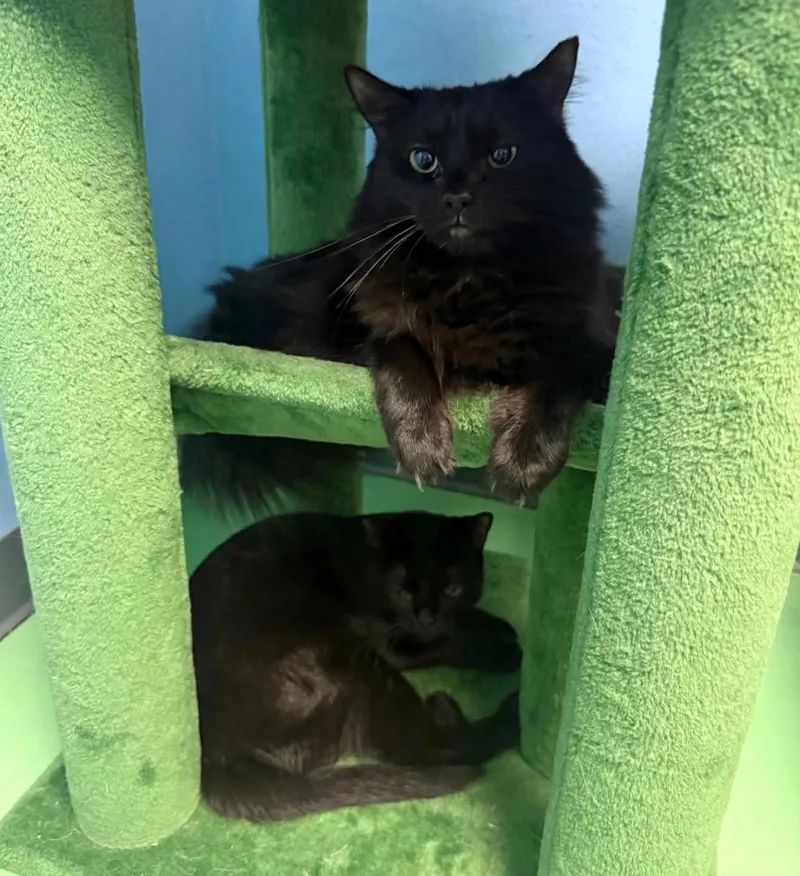
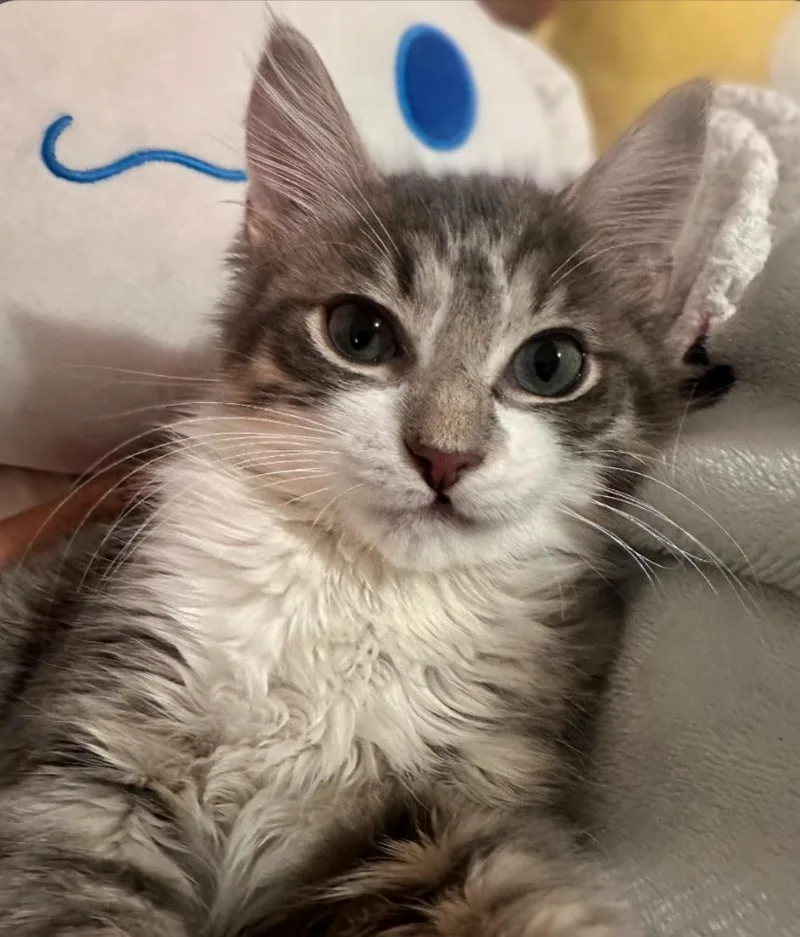
Domestic Short Hairs run from outgoing and chatty to shy and independent, and adults show their settled personalities more clearly than kittens do. Many handle new homes and calm roommates well after slow introductions. In a Phoenix apartment, a cat that enjoys company tends to do better with someone home part of the day.
Exercise Needs

Most DSH cats need daily interactive play, and indoors that means wand toys, chase games and food puzzles. In Phoenix, play fits well at dawn or evening when the house is coolest. Cat trees and window perches add exercise between sessions. Kittens may want several bursts a day, while seniors prefer gentler play.

Health Considerations

Domestic Short Hairs commonly face obesity, dental disease and urinary trouble, and older cats may develop kidney disease, hyperthyroidism or diabetes. In Phoenix, keep water fresh and plentiful in summer. Valley fever is far rarer in cats than dogs, but cough, skin abscesses or low energy deserve a vet visit. Regular exams catch problems early.

Living Space

Domestic Short Hairs usually do well in Phoenix apartments, condos and single-family homes alike, as long as there are climbing spots, scratching posts and a quiet retreat. Keep them indoors or in a secure enclosure, and use window screens on balconies. A shaded, cooled room matters more than square footage.

What it costs to own a Domestic Short Hair in Phoenix

ExpenseTypical costPer year
Adoption fee$25 to $275, one time$25 to $275 in year one
Food$25 to $50 per month$300 to $600
Pet insurance$20 to $45 per month$240 to $540
Routine vet care$150 to $350 per year$150 to $350
Other*$450 to $1,150 per year$450 to $1,150
Estimated yearly total (after year one)$1,140 to $2,640
First-year total (with adoption fee)$1,165 to $2,915

Adoption fee is the range of fees on Domestic Short Hair listings in Phoenix on GetBuddy today. Other costs are estimates and vary with size, age and health.

* Litter, flea and tick prevention, a dental cleaning allowance, toys, scratchers and other supplies, and minimal home grooming.

Adopt a Domestic Short Hair in Phoenix.

Now that you know more, let’s find you a new best friend. These rescues and shelters below currently have Domestic Short Hairs available.

Rescues in Phoenix with Domestic Short Hairs Available

Phoenix has county and nonprofit shelters and rescues, and the ones listed below help cats find new homes. Here are the rescues & shelters in the Phoenix area where you can find Domestic Short Hairs and other cats available for adoption.

Frequently Asked Questions

Phoenix has Valley Metro buses and light rail, but no subway. Pets generally need to travel in a closed carrier, which is the rule confirmed for Valley Metro's paratransit service, and service animals are welcome. A cat in a secure, well-ventilated carrier is the safest way to travel, but check current Valley Metro pet rules before your first ride.

Yes, as indoor cats. Phoenix averages about 111 days a year at 100°F or higher, and July nights still average around 84°F, so a DSH needs air conditioning, shade and fresh water every day. Keep cats inside, never leave one in a parked car, and watch for panting, drooling or lethargy, which call for a vet.

Yes. Phoenix has no breed-specific rules, and Arizona law forbids cities from making them. The city doesn't require a cat license, and the county dog license doesn't apply to cats. Microchipping isn't required either, but it's a smart safeguard. Cats adopted from Arizona shelters are generally spayed or neutered before going home.

Yes, Domestic Short Hairs usually do well in Phoenix apartments if they have a window perch, scratching posts and daily play. About 42% of Phoenix households rent, so read your lease for pet fees and monthly pet rent. Arizona caps security deposits at one and a half months' rent, and nonrefundable fees must be explained in writing.

Often, yes, if you can keep the cat indoors and cool. Their adaptable nature suits Phoenix apartments and ranch-style homes, and mild winters make long stretches of the year easy. The tradeoffs are summer heat, monsoon storms and the multi-day fireworks windows, which can unsettle nervous cats. Each cat's personality matters more than its coat.

Very little. A weekly brush handles the moderate year-round shedding, with a bit more in spring. Phoenix's dry climate doesn't change that, though seniors or overweight cats may need help staying clean. Home grooming costs little and is covered by the roughly $450 to $1,150 a year Other budget, which also includes litter, dental care and flea prevention.

Domestic shorthair cats typically live about 12 to 18 years, and many indoor cats reach their late teens or early twenties. Large UK veterinary studies have found mixed-breed cats tend to live slightly longer than pedigreed cats on average. Spaying or neutering, indoor living, a healthy weight, dental care and regular checkups all help a cat enjoy a longer life.

No, domestic shorthair cats are not hypoallergenic. The main cat allergen, a protein called Fel d 1, comes from saliva and skin glands, so short fur does not prevent reactions. Allergen levels vary between individual cats, and some people react less to certain cats. Spending time with a specific cat before adopting is the best way to test your response.

We have 16 rescues with Domestic Short Hairs available, including Living the Dream Rescue, Cool Cats Rescue and Heidi's Village. You can see every rescue with Domestic Short Hairs available in the list above these questions, or scroll to the top to see the Domestic Short Hairs in Phoenix.

Plan on roughly $25 to $50 a month for food, $20 to $45 a month for insurance, $150 to $350 a year for routine vet care, and $450 to $1,150 a year for other costs. Together that is about $1,140 to $2,640 a year, before any emergency or illness care.