Devon Rex Cats for Adoption in Phoenix, AZ

Your guide to finding and caring for a Devon Rex in Phoenix

A Devon Rex suits Phoenix apartment life better than you might expect. Mid-rise buildings along Central Avenue in Encanto and lofts in Central City give a small, climbing cat plenty of window ledges and a person who's usually nearby. Devons are active, social and unhappy alone all day, so they fit people who work from home or spend a lot of evenings in. Indoors is also where a thin-coated cat belongs when summer hits 105°F. A tall cat tree by a window is the first thing to buy.

17 cats similar to Devon Rex available in Phoenix and nationwide

Find your forever Devon Rex

While we don't have enough cats near Phoenix, keep in mind that many rescues may offer transport.

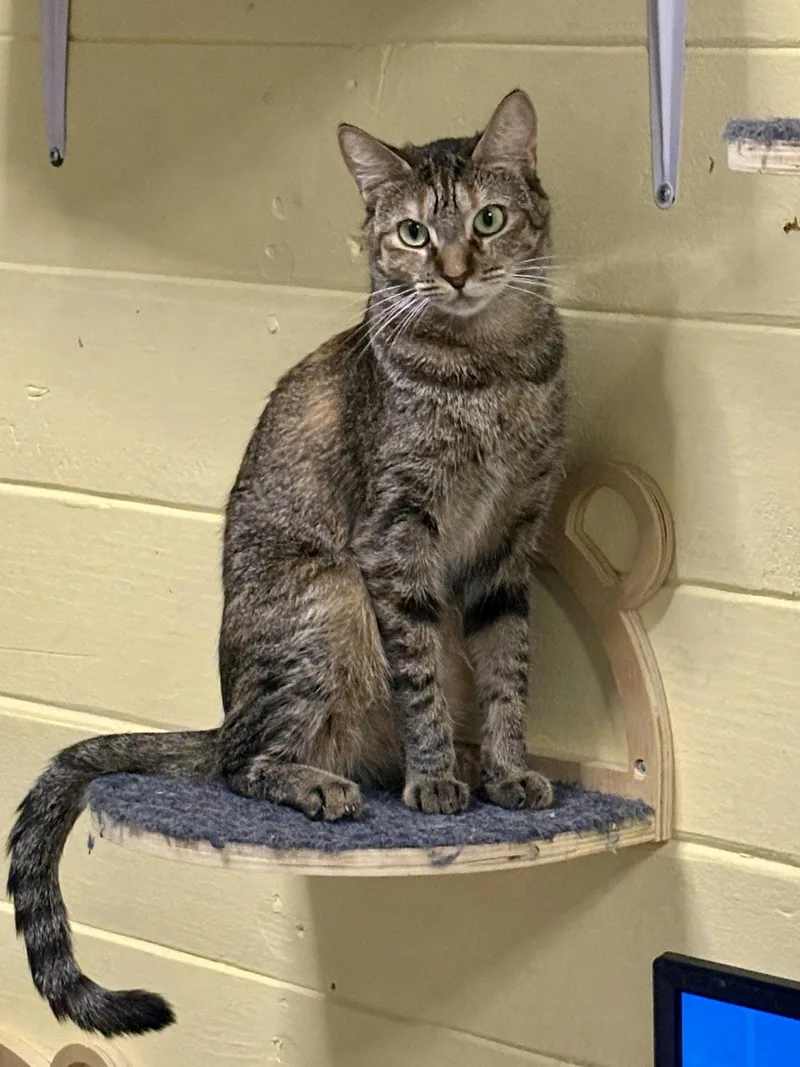
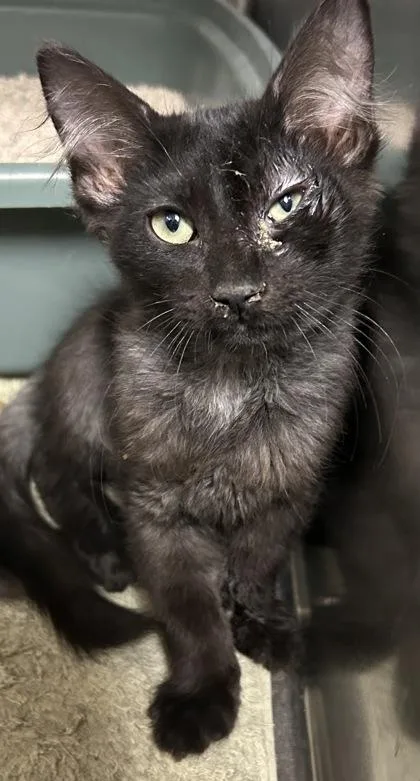
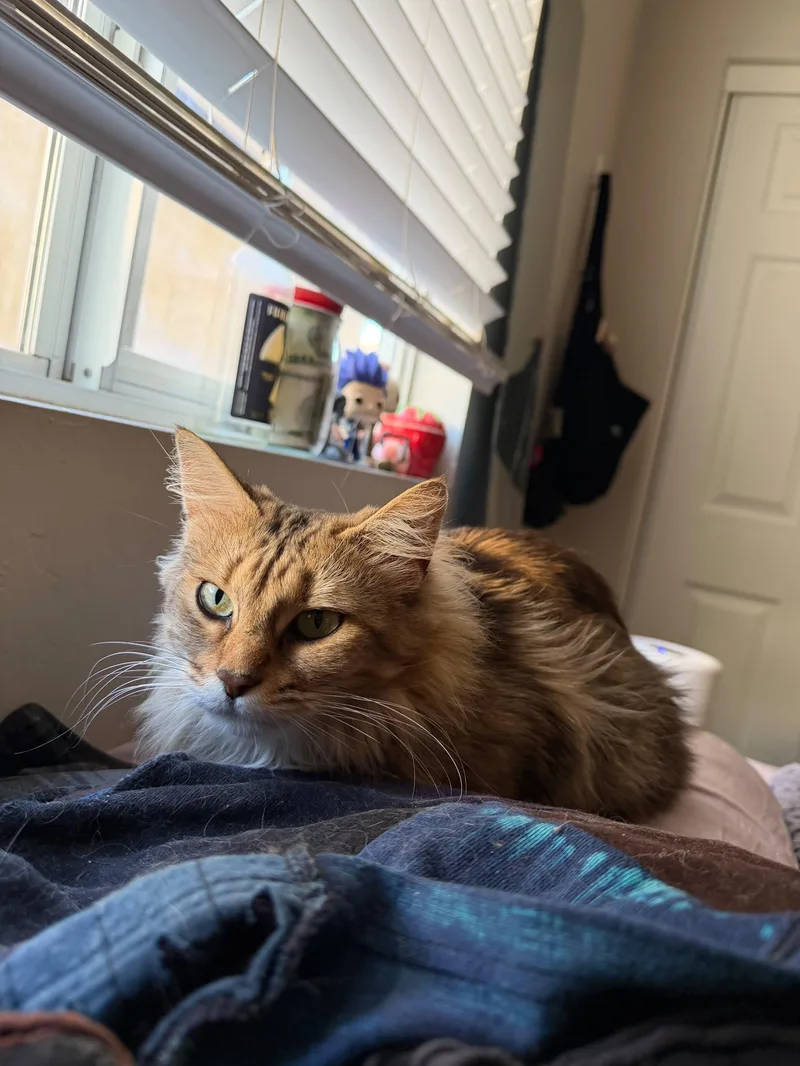
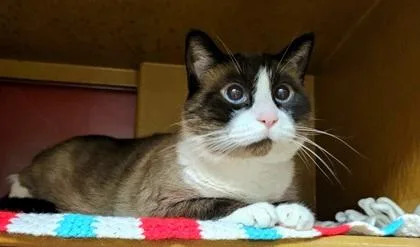
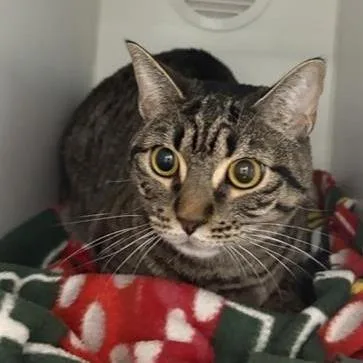
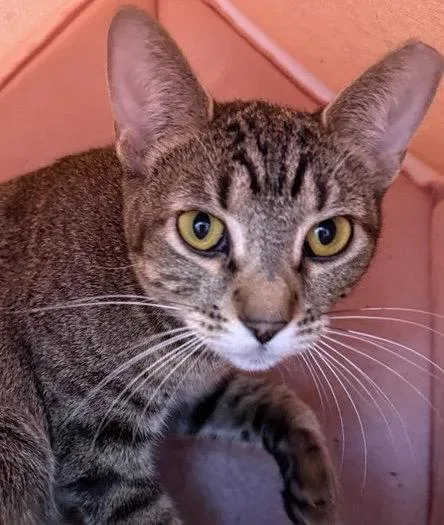
Devon Rexes and Similar Breeds Available for Adoption Near Phoenix

About the Devon Rex breed

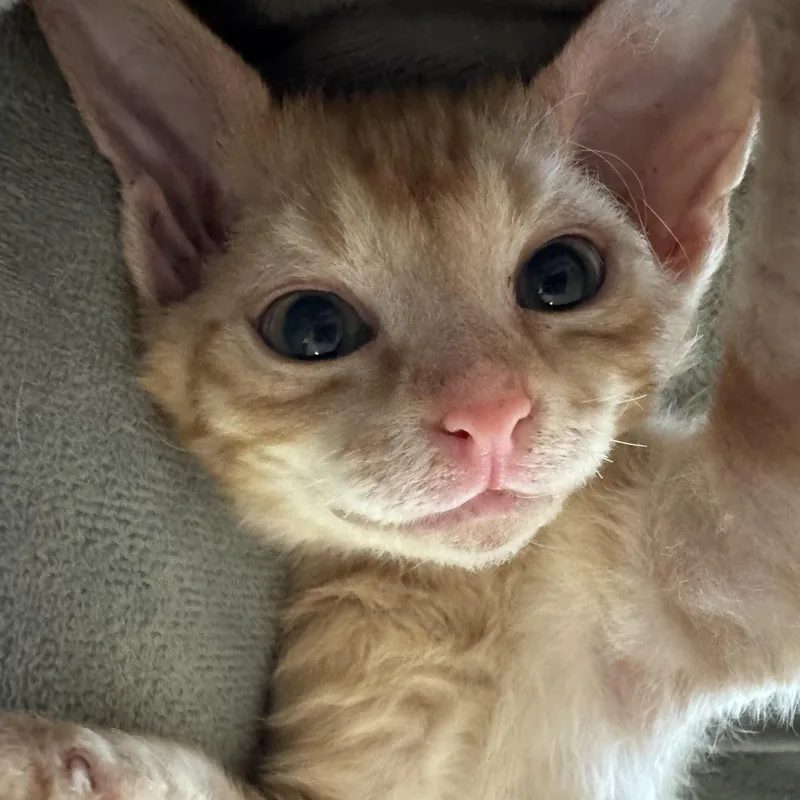
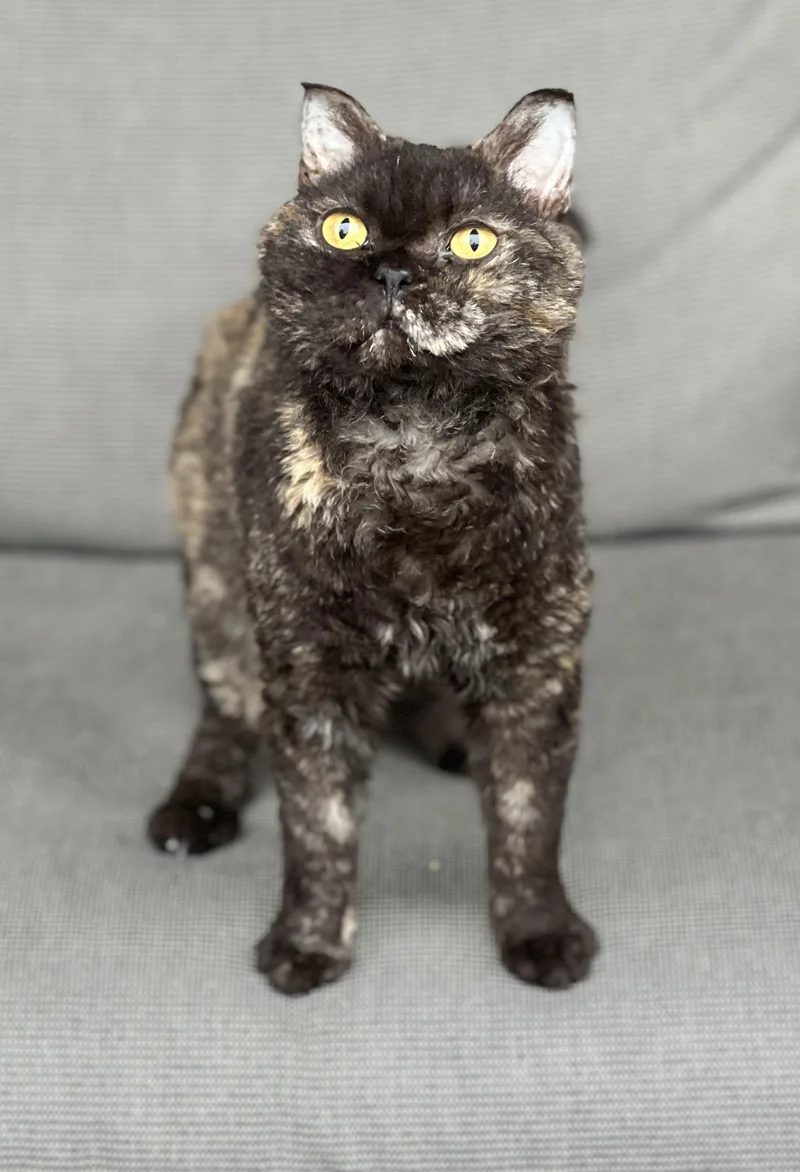
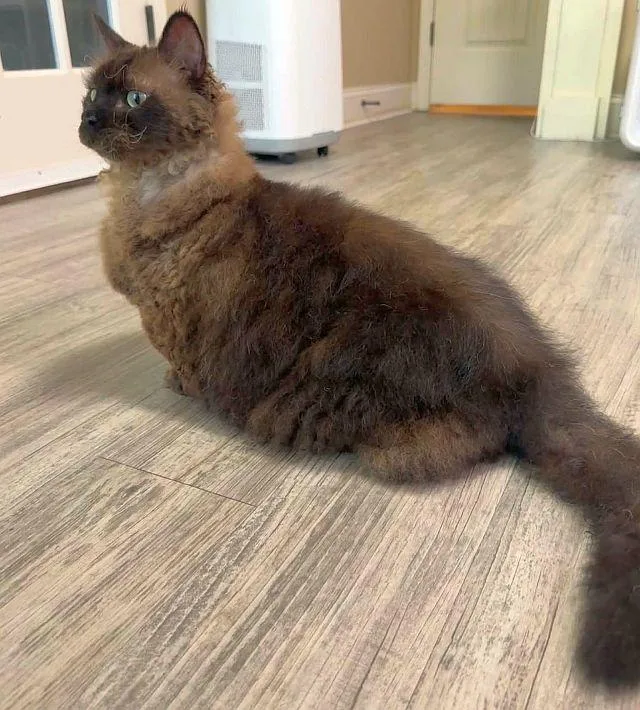
The Devon Rex began around 1960 in Devon, England, with a curly-coated kitten named Kirlee. Its wavy coat comes from a different gene than the Cornish Rex's, so the two breeds look related but aren't. Big low-set ears, wide eyes, a short wedge-shaped face and often crinkled whiskers give it a pixie look.

Devons are playful and people-focused, and many follow their owners from room to room. The soft, sparse coat sheds little, but it can leave the skin oily and the ears waxy. In Phoenix, that means a cat who lives indoors, stays cool in summer and gets a gentle wipe-down and regular ear checks. Cats vary, so spend time with a particular Devon before deciding.

Weight
5–10 lbs
Height
10–12 in
Lifespan
9–15 yrs
Temperament
Playful, Affectionate, Curious
Shedding
Low

Owning a Devon Rex in Phoenix

Having a Devon Rex in Phoenix

Devons are lively, affectionate cats with a delicate coat and a few inherited health concerns. In Phoenix, the practical questions are how a cat copes with long indoor days, summer heat and dry desert air, and whether your household can offer enough company.

Temperament

Devon Rex cats are often clownish and attached to their people, climbing onto shoulders and joining whatever's going on. Many get along with children, other cats and cat-friendly dogs. They usually dislike long stretches alone, so a Phoenix household with someone home often, or a second cat, tends to suit them. Personalities vary from cat to cat.

Exercise Needs

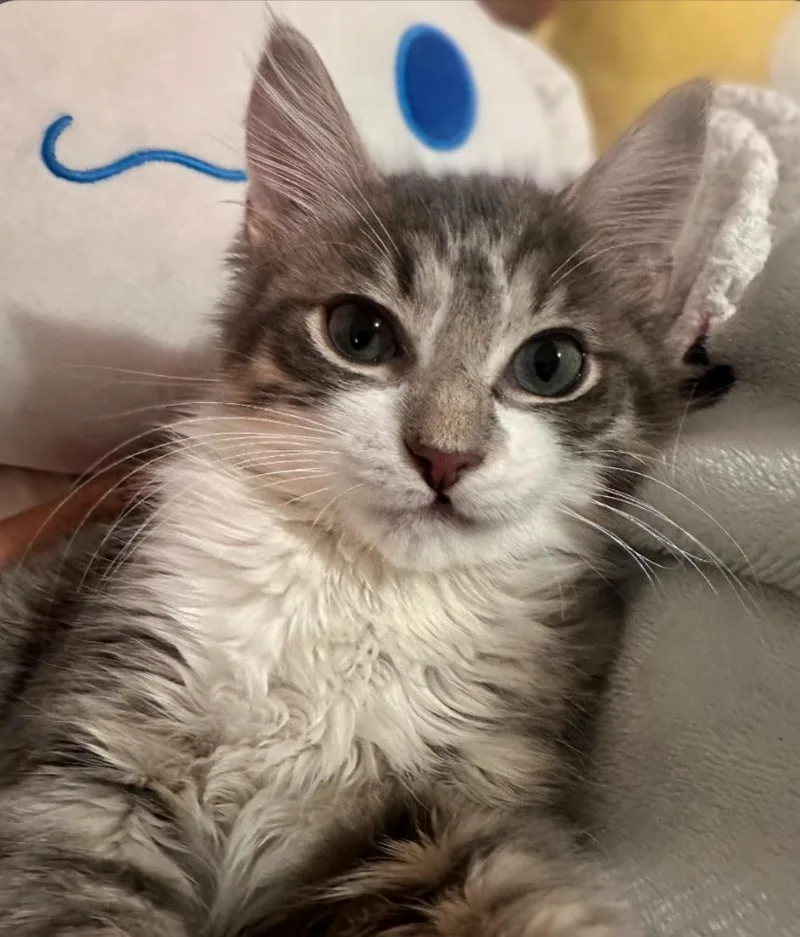
Most Devons are athletic and love climbing, leaping and interactive play. Because Phoenix summers keep cats inside, plan on daily wand-toy sessions, puzzle feeders and a tall cat tree to burn off energy. Short treat-based training sessions work well for these food-motivated cats, and a window perch gives them birds to watch.

Health Considerations

Devons can inherit a muscle disorder that shows up in kittenhood, and a DNA test exists. Heart disease, kneecap dislocation and skin yeast infections are also reported. In Arizona, valley fever is worth knowing about: cats get it far less often than dogs, but indoor cats can be infected, so have a vet look at a lasting cough or a draining skin sore.

Living Space

A Devon Rex adapts well to apartments and houses as long as it has vertical space, toys and company. Keep it indoors or in a secure catio, since the thin coat offers little protection from the desert sun, and heat and wildlife make unsupervised outdoor time risky. Warm beds and a sunny window perch keep these heat-seeking cats content.

What it costs to own a Devon Rex in Phoenix

ExpenseTypical costPer year
Food$20 to $40 per month$240 to $480
Pet insurance$25 to $50 per month$300 to $600
Routine vet care$150 to $350 per year$150 to $350
Other*$500 to $1,350 per year$500 to $1,350
Estimated yearly total (after year one)$1,190 to $2,780

Other costs are estimates and vary with size, age and health.

* Litter, flea and tick prevention, a yearly dental cleaning, toys and bedding, and ear cleaning, baths and warm bedding for a thin-coated cat.

Adopt a Devon Rex in Phoenix.

Now that you know more, let’s find you a new best friend. These rescues and shelters below have cats available in and near Phoenix.

Rescues and Shelters in or near Phoenix

Phoenix has a large animal-welfare community, with county and nonprofit shelters and rescues helping cats of all ages find homes. Here are the rescues & shelters in the Phoenix area with cats available for adoption, worth asking whether a Devon Rex is coming in.

Frequently Asked Questions

Yes, as indoor cats. Phoenix averages about 111 days a year at 100°F or more, and July nights stay near 85°F, so a Devon Rex needs dependable air conditioning, shade from sun-facing windows and fresh water in several spots. Skip outdoor time in summer, and plan a cooler room in case the power goes out.

Yes. Phoenix has no breed-specific rules, and Arizona law forbids cities from making them, so a Devon Rex is treated like any other cat. Phoenix doesn't require a cat license. Any limits you meet will come from a landlord or an insurer, so read lease and policy terms before you adopt.

Yes. Devon Rex cats are small and adapt well to apartments when they have vertical space, toys and company. In Phoenix, look for a unit with dependable air conditioning and a bright window perch. Review the lease for pet fees, since Arizona requires any nonrefundable fee to be explained in writing.

Pets are typically allowed on transit only in closed carriers, which is workable for a small Devon Rex. Phoenix has Valley Metro buses and light rail, and rules can change, so check current Valley Metro policy before riding. Use a ventilated carrier and avoid long waits at sun-baked stops in summer.

Very little brushing, but regular skin and ear care. Brushes can break the fine coat, so stroke with a hand or soft cloth. Oily skin and waxy ears call for occasional baths and routine ear cleaning, which air-conditioned Phoenix homes make easy. That light grooming is already part of the yearly Other costs.

Yes, for the right household. The air-conditioned indoor life Phoenix summers encourage suits a thin-coated cat, and Devons thrive on company. They're a weaker fit if you're away long hours or travel often. Prepare for monsoon storms and fireworks windows around July and New Year's with a quiet room, ID tags and a microchip.

No, Devon Rex cats are not hypoallergenic, and the CFA cat registry says so directly. They shed less than most cats, but the main cat allergen comes from saliva and skin glands, not hair alone. Some people with mild allergies find Devons easier to live with, but spending extended time with a specific cat before adopting is the safest approach.

A Devon Rex is a small, slender cat breed from England with a short, wavy, soft coat, very large ears and big eyes. It developed from a curly-coated kitten found in Devon around 1960. Devons are known for playful, people-loving personalities and are often described as acting more like dogs or monkeys than typical aloof cats.

Yes, Devon Rex cats shed, but much less than most cats. Their coat is short and sparse, with fewer guard hairs, so loose hair is less noticeable around the home. Some Devons go through thinner phases, particularly as kittens. Bald patches with redness, scabs or itching are not normal shedding and should be checked by a veterinarian.

Expect food at about $20–$40 a month and insurance at about $25–$50. Routine vet care runs about $150–$350 a year, and other costs such as litter, flea prevention, dental care and ear and skin care add $500–$1,350. Together that's roughly $1,200–$2,800 a year, before any adoption fee or emergency care.