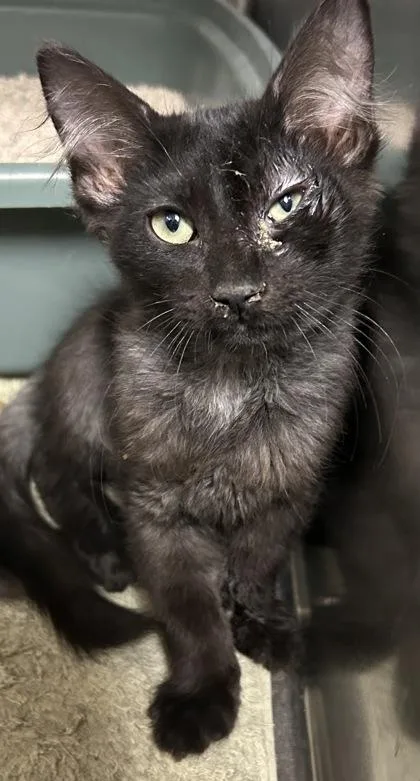
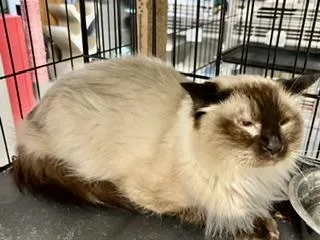
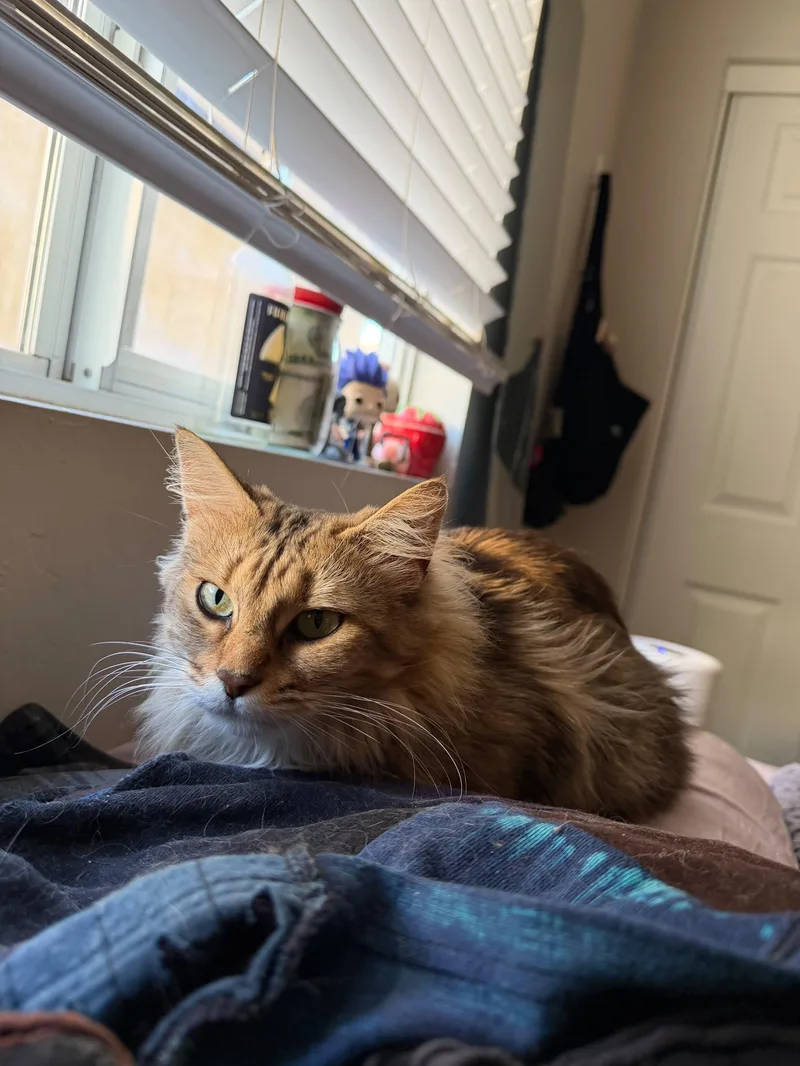
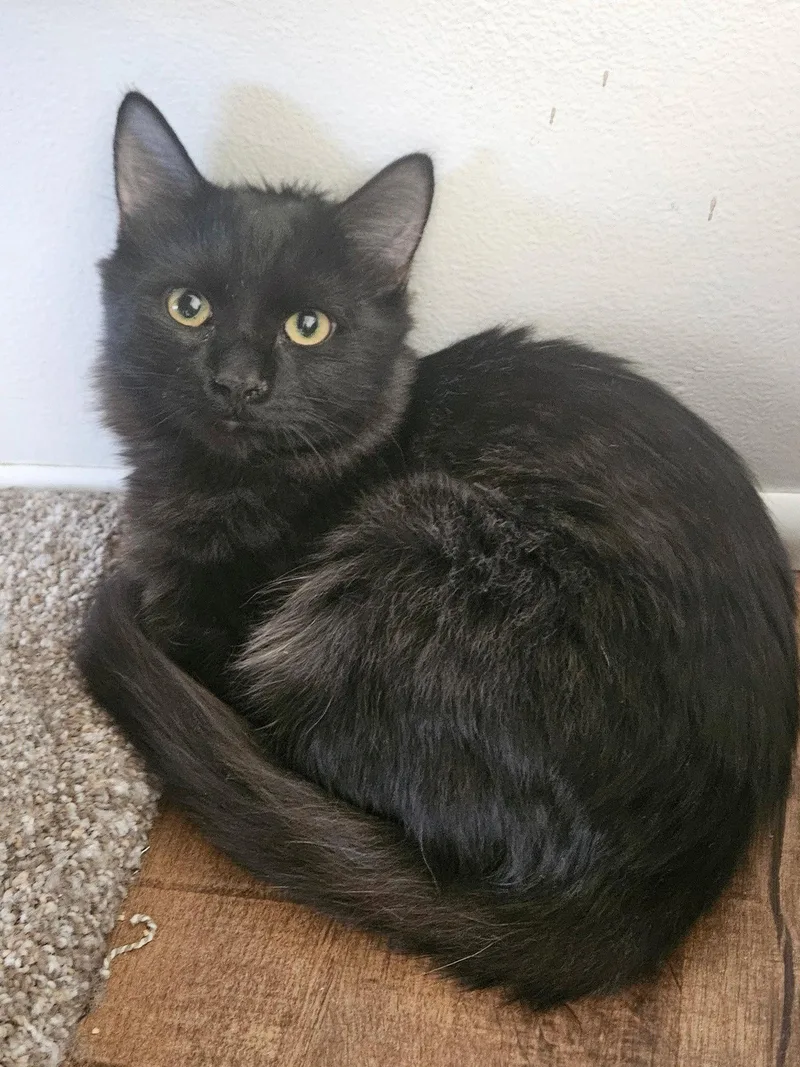
Cornish Rex Cats for Adoption in Phoenix, AZ

Your guide to finding and caring for a Cornish Rex in Phoenix

Cornish Rex cats suit Phoenix apartment life well, since they want warmth, company and plenty of play. A mid-rise on Central Avenue in Encanto or a small ranch home in Alhambra gives a Rex what it needs: a window perch, a cat tree and someone nearby. These cats love fetch, so a hallway is racetrack enough. Because their fine coat gives little protection from the Phoenix summer sun, they live indoors, which fits the area's air-conditioned buildings. Expect a busy shadow.

17 cats similar to Cornish Rex available in Phoenix and nationwide

Fall for a Cornish Rex

While we don't have enough cats near Phoenix, keep in mind that many rescues may offer transport.

Cornish Rexes and Similar Breeds Available for Adoption Near Phoenix

About the Cornish Rex breed

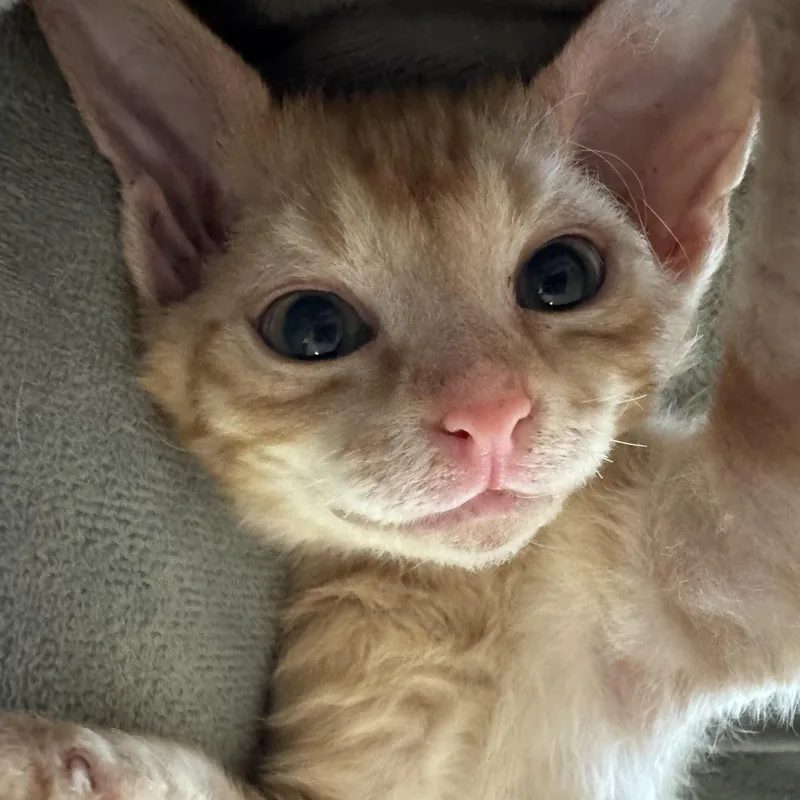
The Cornish Rex began with a curly-coated kitten born on a Cornwall farm in 1950, a natural recessive mutation rather than a designed look. The coat is only the soft down layer, lying in tight waves over a lean, arched body with long legs, an egg-shaped head, a Roman nose and very large ears. Adults typically weigh 6 to 10 pounds.

Many Cornish Rex cats stay playful and people-focused well into adulthood, fetching toys and following their person from room to room. The coat sheds little, but it isn't hypoallergenic, and it offers little cover from cold or sun. In Phoenix, that means a strictly indoor life, cool rooms in summer and warm resting spots in winter, plus occasional baths and regular ear cleaning.

Weight
6–10 lbs
Height
8–12 in
Lifespan
11–15 yrs
Temperament
Active, Affectionate, Playful, Curious
Shedding
Low

Owning a Cornish Rex in Phoenix

Having a Cornish Rex in Phoenix

A Cornish Rex in Phoenix is a high-energy, people-loving cat that needs daily play, warmth and some skin and ear care. Its thin coat makes the desert sun and heat as much a concern as a cool night, so a comfortable indoor home matters.

Temperament

Cornish Rex cats are often outgoing, affectionate and curious, and many follow their person from room to room. That suits apartment life in Phoenix, where someone is usually close by, though a Rex left bored can get demanding. Each cat's history and comfort level shape its personality more than breed reputation does.

Exercise Needs

Plan on several short play sessions a day with wand toys, balls and games of fetch. A tall cat tree and window shelves give a Rex room to climb and leap without leaving the house, which matters because the cat stays indoors here. Food puzzles and clicker training work its mind through the long indoor summer.

Health Considerations

Hypertrophic cardiomyopathy and progressive retinal atrophy have been reported in the breed, so regular veterinary checkups matter. The thin coat can mean oily skin, waxy ears and sunburn, even through a window. Valley fever is rarer in cats than dogs but can occur in Arizona, so a lingering cough or skin sore deserves a vet visit.

Living Space

A Cornish Rex does well in a small apartment or a house as long as the home offers warmth, vertical space and company. A heated bed, a cat tree and a sunny perch with blinds you can close cover most needs. A second playful pet can help during long workdays.

What it costs to own a Cornish Rex in Phoenix

ExpenseTypical costPer year
Food$20 to $40 per month$240 to $480
Pet insurance$25 to $50 per month$300 to $600
Routine vet care$150 to $350 per year$150 to $350
Other*$500 to $1,350 per year$500 to $1,350
Estimated yearly total (after year one)$1,190 to $2,780

Other costs are estimates and vary with size, age and health.

* Litter, parasite prevention, a dental cleaning allowance, toys and scratchers, bath and ear-care supplies, and warm bedding or sweaters for a thin coat.

Adopt a Cornish Rex in Phoenix.

Now that you know more, let’s find you a new best friend. These rescues and shelters below have cats available in and near Phoenix.

Rescues and Shelters in or near Phoenix

Phoenix has a busy rescue community, from the county shelter to nonprofit adoption centers serving the whole Valley. Here are the rescues & shelters in the Phoenix area with cats available for adoption, worth asking whether a Cornish Rex is coming in.

Frequently Asked Questions

Yes, as long as the Cornish Rex lives indoors with reliable air conditioning. Phoenix averages 111 days a year at 100°F or more, and July nights stay near 84°F, which is hard on a thin-coated cat. Keep blinds closed on sunny windows, offer fresh water and cool resting spots, and have a plan for power outages during monsoon storms.

Yes. Phoenix and Arizona have no breed-specific rules, since state law bars cities from regulating by breed, and the Maricopa County license requirement covers dogs rather than cats. Any limits come from landlords, so get pet terms in writing. Microchipping isn't required, but it's a good idea and helps a lost cat get home.

Yes, an apartment suits a Cornish Rex well if it has warmth, climbing space and daily play. Since the cat stays indoors in Phoenix's heat anyway, a few window perches and a tall cat tree cover most needs. Confirm pet fees and deposits in writing before signing, and place perches where afternoon sun can't overheat or burn the cat.

It can be, for a household that stays close to the cat and keeps the home comfortable year-round. A Cornish Rex wants company and play, and Phoenix's long summers keep everyone inside anyway. It's a harder fit for people away all day or homes without dependable air conditioning. A second playful pet can add company.

Very little brushing, but regular baths and ear cleaning. With no guard hairs, skin oils build up, so many Cornish Rex cats need a bath every week or two, and ears need a weekly check for wax. Phoenix's strong sun makes sunburn the extra concern. Grooming supplies fit within the Other costs listed above.
No, Cornish Rex cats are not hypoallergenic. The main cat allergen, a protein called Fel d 1, comes from saliva and skin glands rather than hair, and Cornish Rex cats produce it like other cats. Because they shed little, some people with mild allergies report fewer symptoms. Spend time with a specific cat before adopting to test your reaction.

A Cornish Rex is a small, slender cat breed from Cornwall, England, known for its short, wavy coat made only of soft down hair. It has large ears, a long arched body, long legs and an egg-shaped head. Cornish Rex cats are typically active, affectionate and playful, and they need indoor living, warmth and plenty of attention.

Cornish Rex cats shed very little. They lack the outer guard hairs and middle awn hairs most cats have, so their short, curly down coat drops far less hair around the home. Light shedding still happens, and the coat can thin seasonally. Instead of brushing, many owners just stroke the coat or wipe it with a soft cloth.

Yes, Cornish Rex cats are usually very affectionate. Many seek constant contact with their people, follow them from room to room and snuggle under blankets or on laps for warmth. Some are so attached they are called velcro cats. Individual personalities still vary, and a cat's history affects how quickly it bonds in a new home.

Expect roughly $20 to $40 a month for food and $25 to $50 for insurance, plus $150 to $350 a year for routine vet care. Other yearly costs, including litter, parasite prevention, dental care, supplies and warm bedding, typically run $500 to $1,350. Phoenix doesn't license cats, so there's no license fee to add.