Havana Cats for Adoption in Little Rock, AR

Your guide to finding and caring for a Havana in Little Rock

A Havana fits easily into the older bungalows of Capitol View and Hillcrest. These chocolate-brown cats are curious and people-focused, so a sunny front window over a quiet street keeps one busy while you're out, and a cat tree near the kitchen keeps it close when you're home. The Havana is a rare breed, so many adopters meet brown shorthaired cats and Havana mixes instead, which can share the same friendly streak. They do best with company, not long empty days.

2798 cats similar to Havana available in Little Rock and nationwide

Give a Havana Brown a home

While we don't have enough cats near Little Rock, keep in mind that many rescues may offer transport.

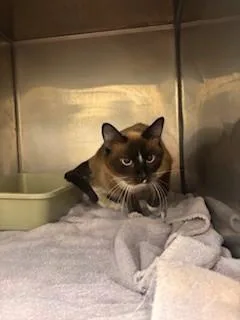
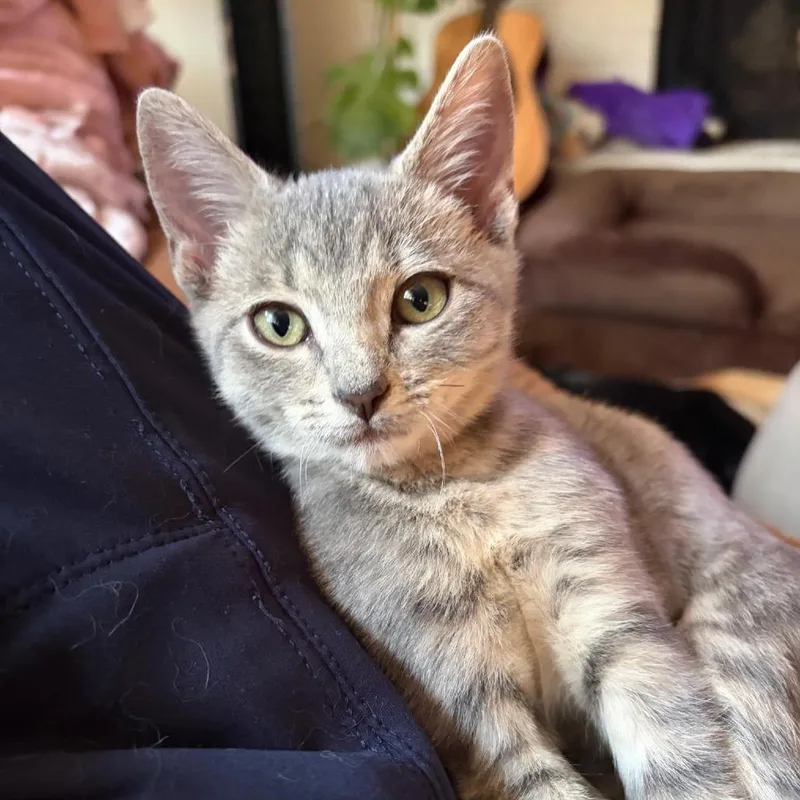
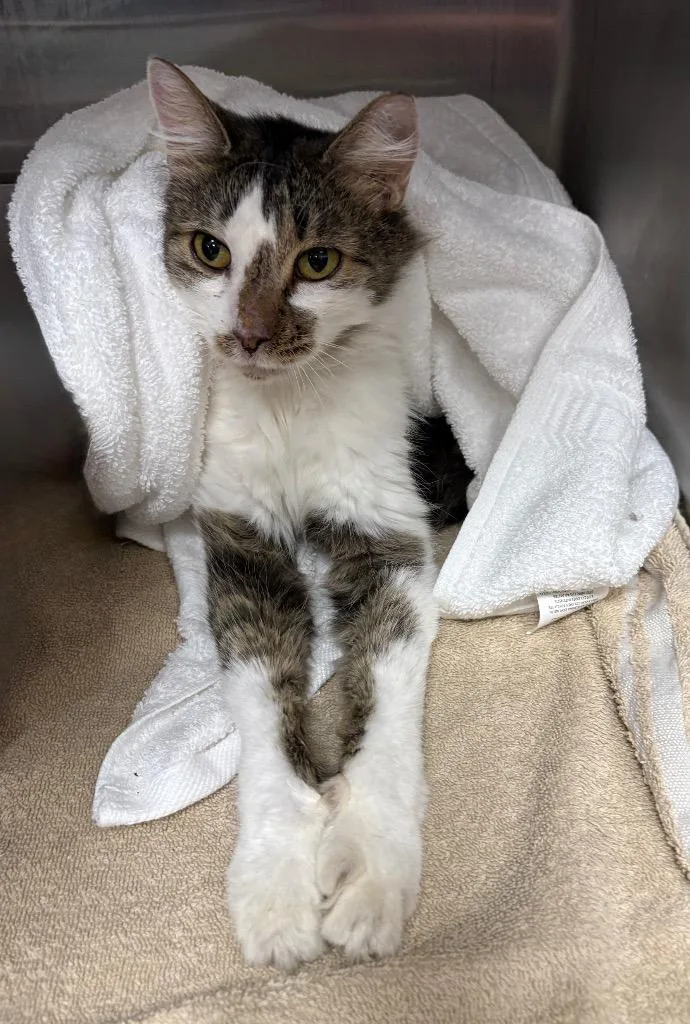
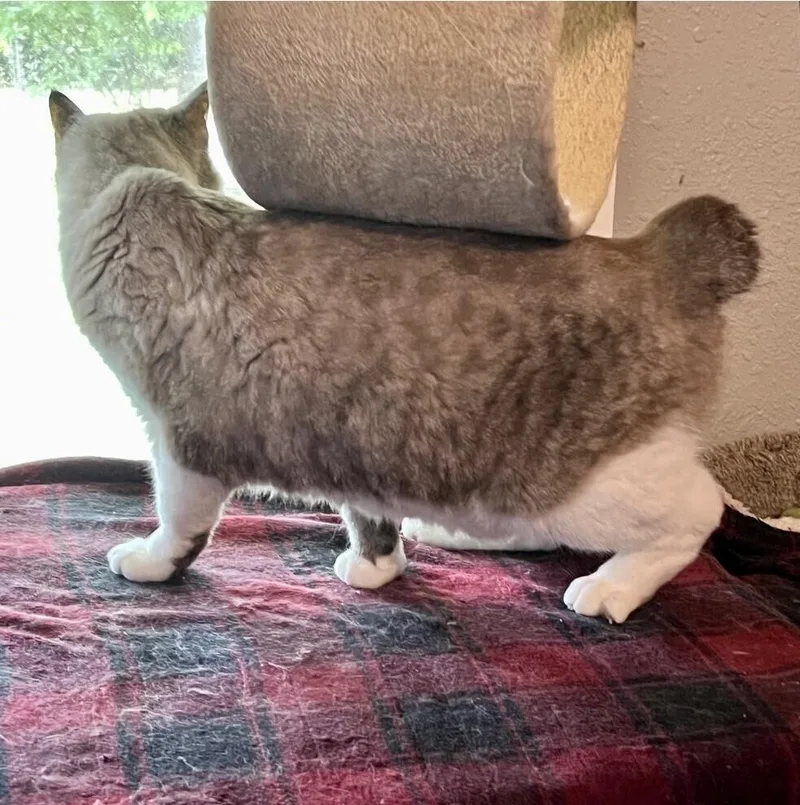
Havanas and Similar Breeds Available for Adoption Near Little Rock

About the Havana breed

The Havana, also called the Havana Brown by some registries, came out of 1950s Britain, where Siamese cats that carried chocolate were paired with black shorthairs. The result is a medium, muscular cat, usually 6 to 10 pounds, with a glossy chocolate coat, brown whiskers, green eyes, big forward-tilted ears and a squared-off muzzle. Many live 10 to 15 years.

Havanas like to investigate, often tapping at toys, hands and anything new with a paw. Many chat in a softer voice than a Siamese. The short coat sheds little and needs only light brushing, so the real commitment is attention and play. In Little Rock, that suits a Midtown apartment or a Chenal Valley house, as long as someone is around part of the day.

Weight
6–10 lbs
Height
9–11 in
Lifespan
10–15 yrs
Temperament
Social, Curious, Affectionate, Playful
Shedding
Low

Owning a Havana in Little Rock

Having a Havana in Little Rock

Havanas pair a sleek, low-maintenance coat with a strong wish to join in. In Little Rock, the main questions are whether someone is home enough, whether an indoor routine keeps a curious cat busy, and how the home handles hot summers.

Temperament

Havanas are usually affectionate and interactive, following people from room to room and greeting visitors with interest. Many get along with considerate children and calm dogs. Because they're so people-oriented, some get lonely during long workdays. Each cat's personality varies, so watch how a cat responds to attention and handling.

Exercise Needs

Plan on two or three short play sessions a day with wand toys, balls and puzzle feeders. A window perch overlooking a Little Rock yard, with birds and squirrels outside, gives a curious Havana something to watch between games. Climbing shelves and a cat tree add vertical exercise indoors.

Health Considerations

Havanas have no well-documented breed-specific genetic disease, though gum inflammation may be somewhat more common. The breed's gene pool is small and research is limited, so dental care and annual checkups matter. A veterinarian can check a newly adopted cat's teeth, weight and overall condition and suggest screening.

Living Space

A Havana does well in a Midtown apartment or a West Little Rock house, since company and enrichment matter more than square footage. Provide a cat tree, window perches and a few hiding spots. Indoor living also keeps a cat away from coyotes, which are active at night in Arkansas.

What it costs to own a Havana in Little Rock

ExpenseTypical costPer year
Food$25 to $50 per month$300 to $600
Pet insurance$25 to $50 per month$300 to $600
Routine vet care$150 to $350 per year$150 to $350
Other*$450 to $1,150 per year$450 to $1,150
Estimated yearly total (after year one)$1,200 to $2,700

Other costs are estimates and vary with size, age and health.

* Litter, flea and tick prevention, a yearly dental cleaning allowance, toys, scratchers and other supplies, and minimal home grooming for the short coat.

Adopt a Havana in Little Rock.

Now that you know more, let’s find you a new best friend. These rescues and shelters below have cats available in and near Little Rock.

Rescues and Shelters in or near Little Rock

Little Rock's city shelter and local rescues care for cats of every color, including brown shorthairs that may resemble Havanas. Here are the rescues & shelters in the Little Rock area with cats available for adoption, worth asking whether a Havana is coming in.

Frequently Asked Questions

Yes, you can own a Havana in Little Rock, and no known breed rules apply to cats. The city requires every cat four months or older to have a rabies vaccination and a city license, worn on a collar or harness. Households can keep up to four cats without a kennel permit. Outdoor cats must be sterilized and microchipped, though a Havana is happiest indoors.

Yes, Havanas can handle Little Rock summers as indoor cats with air conditioning or steady fans. About 76 days a year reach 90°F, and nights stay near 70°F, so keep fresh water out, close blinds on sun-baked windows, and avoid outdoor time in the afternoon. Never leave a cat in a parked car, even briefly.

Yes, a Havana usually does well in a Little Rock apartment if it gets daily play and company. Window perches, a cat tree and puzzle feeders keep a curious cat busy. Many Havanas dislike long stretches alone, so they suit people who are home part of the day or have another friendly pet. Get pet terms in writing before signing a lease.

A Havana is a good fit if you want an affectionate, interactive cat and you're home often. It suits Little Rock's mix of bungalows, apartments and suburban houses as long as it lives indoors, safe from coyotes, summer heat and storms. Households with long workdays may want a second friendly cat for company.

A Havana needs very little grooming in Little Rock. A weekly rub with a soft brush or damp cloth keeps the short chocolate coat glossy, and shedding is low. Nail trims and regular tooth care matter more. Grooming costs fall within the yearly Other estimate for this page, since most owners handle it at home.

No, Rock Region METRO buses and the streetcar allow only service animals, and pets aren't permitted even in a carrier. A Havana will need a car or a ride with someone who has one for vet visits. Use a sturdy, well-ventilated carrier and keep trips short, especially in summer heat.

A Havana cat, also called the Havana Brown, is a rare shorthaired breed developed in Britain in the 1950s from Siamese and black domestic cats. It is recognized by its rich chocolate-brown coat, brown whiskers, green eyes and distinctive muzzle. Havanas tend to be social, curious and people-focused, and few are available, so brown shorthaired mixes are more common in shelters.

A Havana typically costs about $1,200 to $2,700 a year in Little Rock. That adds food at $25 to $50 a month, insurance at $25 to $50 a month, routine vet care at $150 to $350 a year, and other costs such as litter, flea prevention and dental care at $450 to $1,150 a year.

Explore Other Breeds in Little Rock

Looking for a different breed? Browse other cats available for adoption in Little Rock.