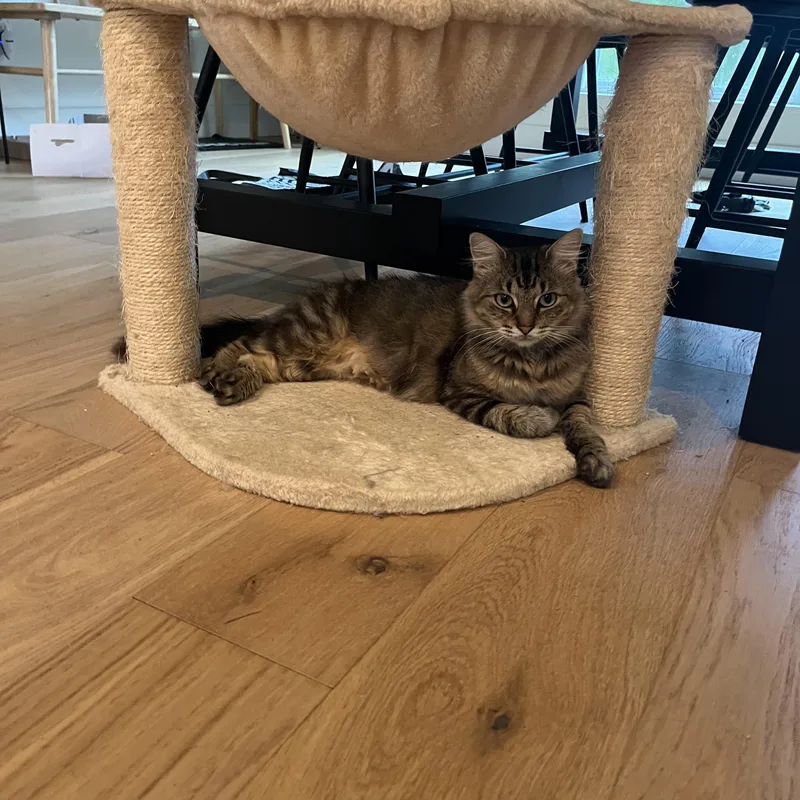
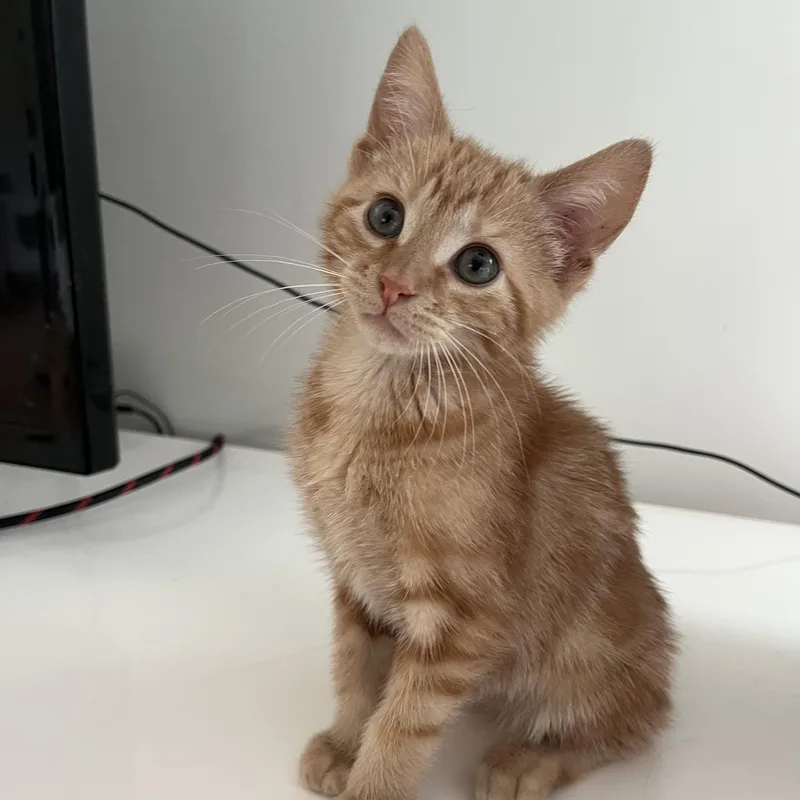
Siberian Cats for Adoption in Satsuma, AL

Your guide to finding and caring for a Siberian in Satsuma

17 Siberians available in Satsuma and nationwide

Bring home a Siberian cat

While we don't have enough cats near Satsuma, keep in mind that many rescues may offer transport.

Siberians Available for Adoption Near Satsuma

About the Siberian breed

Russia's native forest cat, the Siberian developed naturally over centuries in a harsh climate and has been a familiar farm and household cat there for a very long time. It reached the United States only in 1990. Siberians are substantial, powerfully built cats with rounded features, tufted paws and a dense, water-resistant triple coat that thickens for winter and thins in summer, in almost every color and pattern.

Many Siberians are confident, affectionate and playful, with a relaxed streak and a reputation for dog-like devotion, greeting people and following them around. They tend to be quiet, preferring purrs and chirps to loud meows, and are agile climbers despite their size. They mature slowly, often taking three to five years to reach full size. Claims that they are hypoallergenic are overstated, though some Siberians produce less of the main cat allergen.

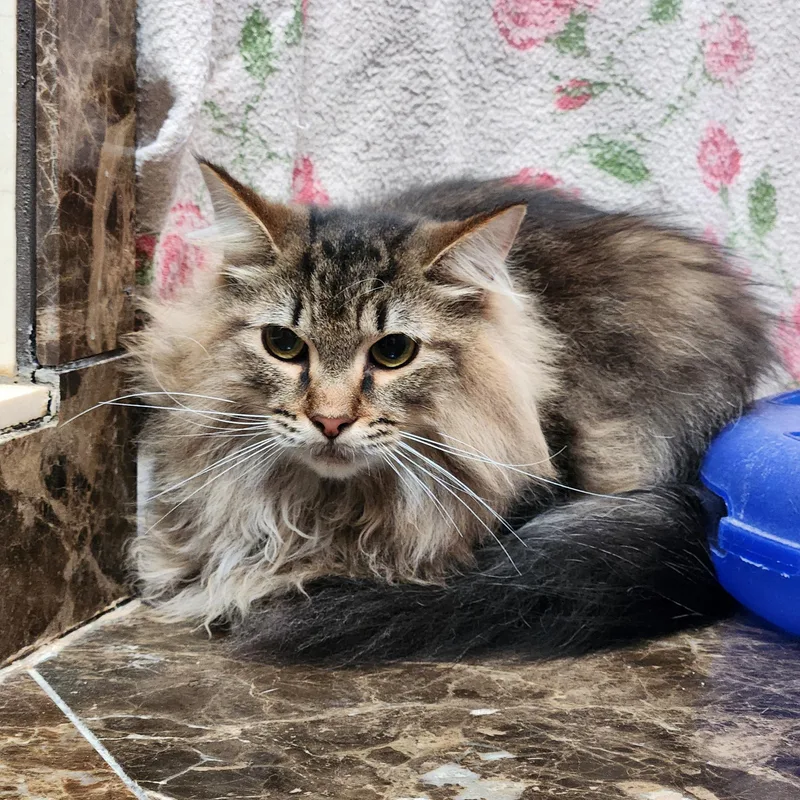
Weight
8–18 lbs
Height
9–12 in
Lifespan
11–15 yrs
Temperament
Affectionate, Playful, Adaptable
Shedding
Moderate to High

Owning a Siberian in Satsuma

Having a Siberian in Satsuma

Siberians blend a sturdy, cold-weather build with a sociable, easygoing personality. Their size, energy, seasonal coat and allergy reputation all shape daily life, so knowing these traits helps adopters set realistic expectations for a Siberian.

Temperament

Siberians tend to be friendly, confident and people-oriented, often greeting family at the door and joining in household activity. Many are patient with respectful children and get along with other cats and cat-friendly dogs after gradual introductions. They usually adapt well to change. Each cat's history and socialization still shape how outgoing it becomes.

Exercise Needs

Siberians are active, athletic cats that enjoy climbing, leaping and interactive play throughout life. Tall, sturdy cat trees, wand toys and fetch games burn energy, while puzzle feeders and trick training engage their problem-solving minds. Young Siberians are especially energetic, and regular play helps big adults stay fit and avoid weight gain.

Health Considerations

Siberians are generally robust, but hypertrophic cardiomyopathy occurs in the breed, and some lines carry polycystic kidney disease. As large cats, they can gain weight easily, which strains joints. Regular veterinary exams, dental care and measured meals help keep them healthy, and a veterinarian can check the heart.

Living Space

A Siberian can thrive in an apartment or a house when it has vertical space, sturdy climbing furniture and daily play. Room for a tall cat tree matters more than floor area. Their dense coat makes cool resting spots welcome in warm weather. Indoor living or a secure catio keeps these curious cats safe.

What it costs to own a Siberian

ExpenseTypical costPer year
Food$30 to $60 per month$360 to $720
Pet insurance$25 to $55 per month$300 to $660
Routine vet care$150 to $350 per year$150 to $350
Other*$500 to $1,250 per year$500 to $1,250
Estimated yearly total (after year one)$1,310 to $2,980

Other costs are national averages for Siberians; we don't have costs specific to Satsuma yet.

* Litter, flea prevention, a dental cleaning allowance, sturdy cat trees and supplies, and regular brushing for the dense triple coat.

Adopt a Siberian in Satsuma.

Now that you know more, let’s find you a new best friend. These rescues and shelters below currently have Siberians available.

Rescues in Satsuma with Siberians Available

Here are the rescues & shelters in the Satsuma area where you can find Siberians and other cats available for adoption.

Frequently Asked Questions

A Siberian is a large, semi-longhaired natural breed from Russia, developed over centuries to survive cold forests. It has a sturdy, muscular body, rounded features, tufted paws and a thick triple coat in nearly every color. Many Siberians are affectionate, playful and quiet, and some produce lower levels of the main cat allergen, though none are allergen-free.

Siberian cats are medium-large to large, with most adults weighing about 8 to 18 pounds; males are often 12 pounds or more, while females usually weigh 8 to 12. They stand roughly 9 to 12 inches at the shoulder. Their thick coat makes them look larger, and they keep filling out until about three to five years old.

A Siberian looks like a powerful, rounded forest cat, with a broad, slightly rounded head, large rounded eyes, medium ears with tufts, a thick neck ruff and a full, bushy tail. Its body is muscular with substantial bones, and its paws are large and tufted. The triple coat comes in nearly every color and pattern.

Siberian cats are fairly uncommon in American shelters, though the breed has grown in popularity since arriving in the United States in 1990. Many fluffy shelter cats resemble Siberians but are domestic longhairs. Breed-specific and longhaired cat rescues sometimes list Siberians, and saved searches on adoption sites improve the chances of finding one.

Many Siberians are unusually comfortable around water compared with other cats; some play with dripping taps, splash in bowls or join owners near the bath. Their water-resistant coat helps. Still, comfort varies, and many dislike being bathed. Never force water play, and dry the dense coat thoroughly if the cat gets soaked.

You may suspect a Siberian if a cat has a large, muscular build, rounded head and eyes, tufted ears and paws, a dense triple coat and a full ruff. Many domestic longhairs look similar, and only registration papers confirm a purebred. Breed-ancestry DNA tests can give clues but are not definitive, and the cat's personality matters more.

Siberians are best kept as indoor cats or given safe outdoor time in a secure catio or on a harness. Although they are rugged and love exploring, free roaming exposes them to cars, predators, fights and disease, and harms local wildlife. Indoors, tall cat trees, window perches and daily play satisfy their curiosity.

Siberian cats come in nearly every color and pattern, including solid black, white, blue, red and cream, many tabby patterns, tortoiseshell, calico, bicolor, smoke and silver. Golden and colorpoint varieties are also recognized; the pointed version is sometimes called the Neva Masquerade. Brown tabby is one of the most familiar looks.

Yes, Siberians need regular grooming, though less than many longhaired breeds because their coat has an oily, tangle-resistant texture. Brushing about once or twice a week prevents mats and removes loose hair, increasing to daily during the heavy spring and fall sheds. Nail trims, ear checks and tooth brushing round out a routine most owners find manageable.

We have 1 rescue with Siberians available: The Last Litter Project. You can see every rescue with Siberians available in the list above these questions, or scroll to the top to see the Siberians near Satsuma.

Explore Other Breeds in Satsuma

Looking for a different breed? Browse other cats available for adoption in Satsuma.