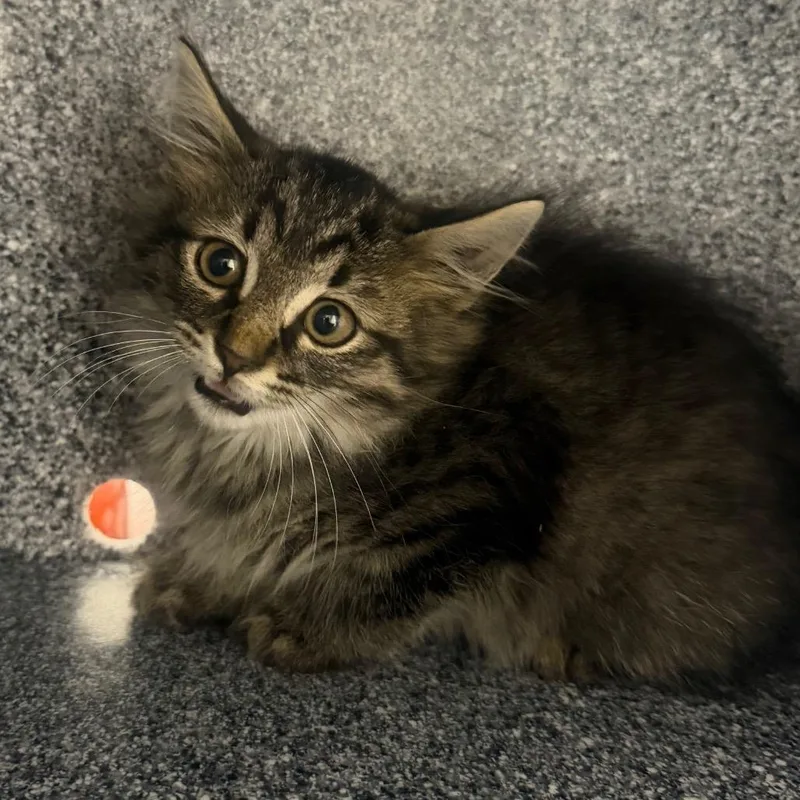
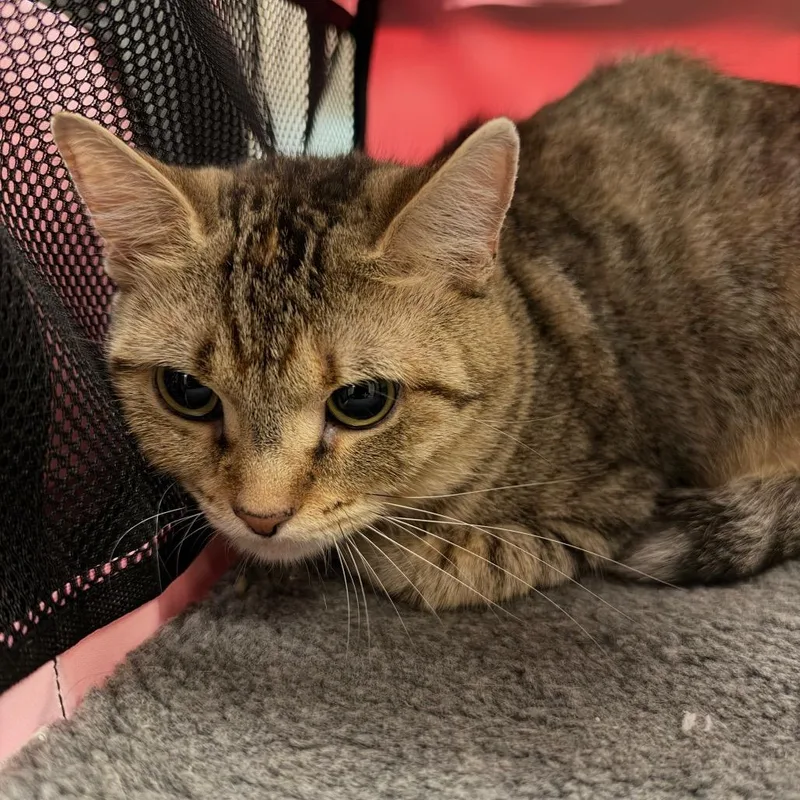
Tortoiseshell Cats for Adoption in Birmingham, AL

Your guide to finding and caring for a Tortoiseshell in Birmingham

Tortoiseshell cats suit Birmingham's older housing, from the workers' cottages in Ensley to the apartments along Highland Avenue. Tortoiseshell is a coat pattern, not a breed, so these cats come in every size and personality. Most are happy with a sunny window, a tall cat tree and a few play sessions a day. Coyote sightings and copperheads around town are good reasons to keep a tortie indoors, and there's plenty to watch from a windowsill.

960 Tortoiseshells available in Birmingham and nationwide

Your Tortoiseshell is waiting

While we don't have enough cats near Birmingham, keep in mind that many rescues may offer transport.

Tortoiseshells Available for Adoption Near Birmingham

About the Tortoiseshell breed

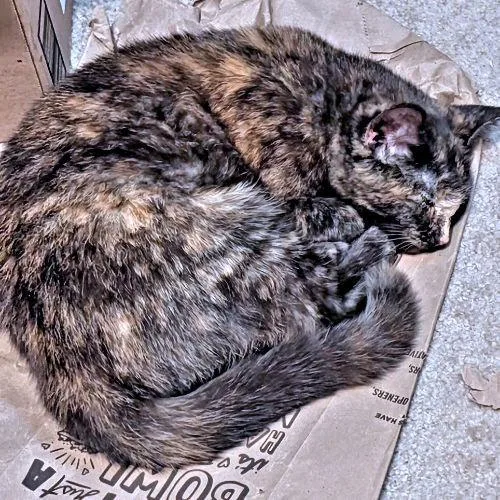
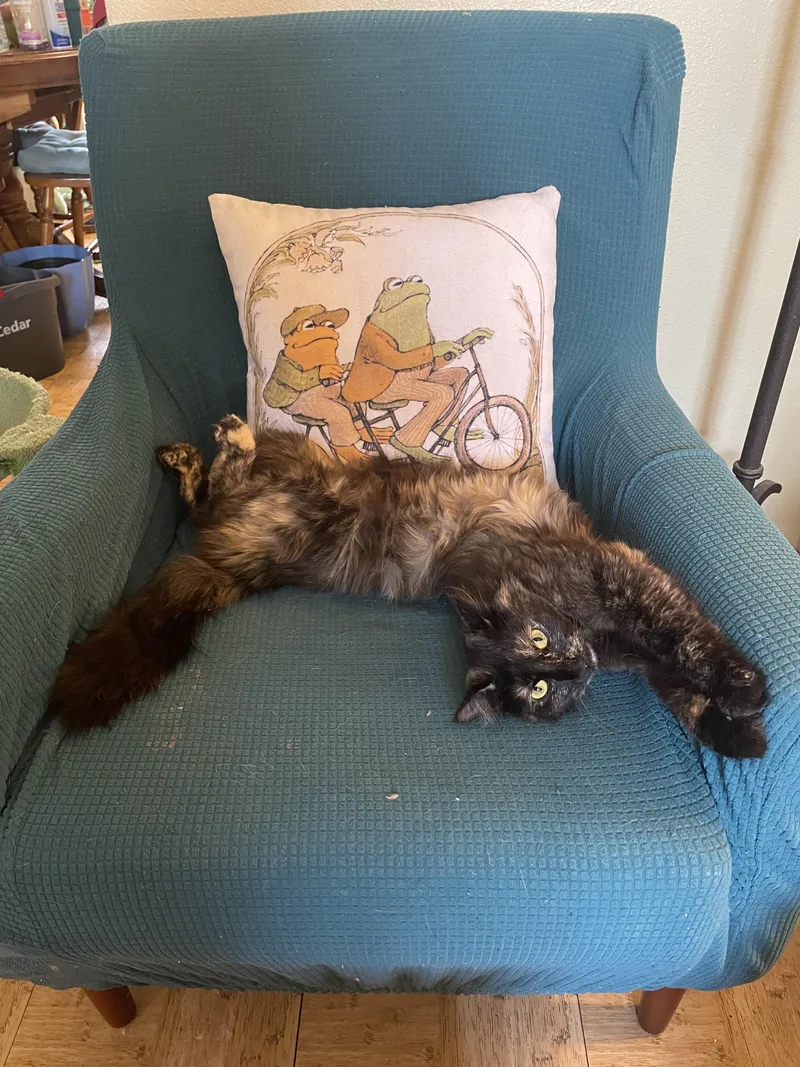
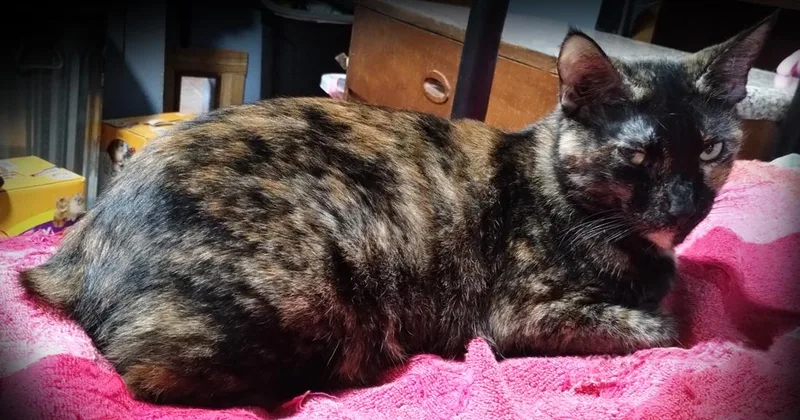
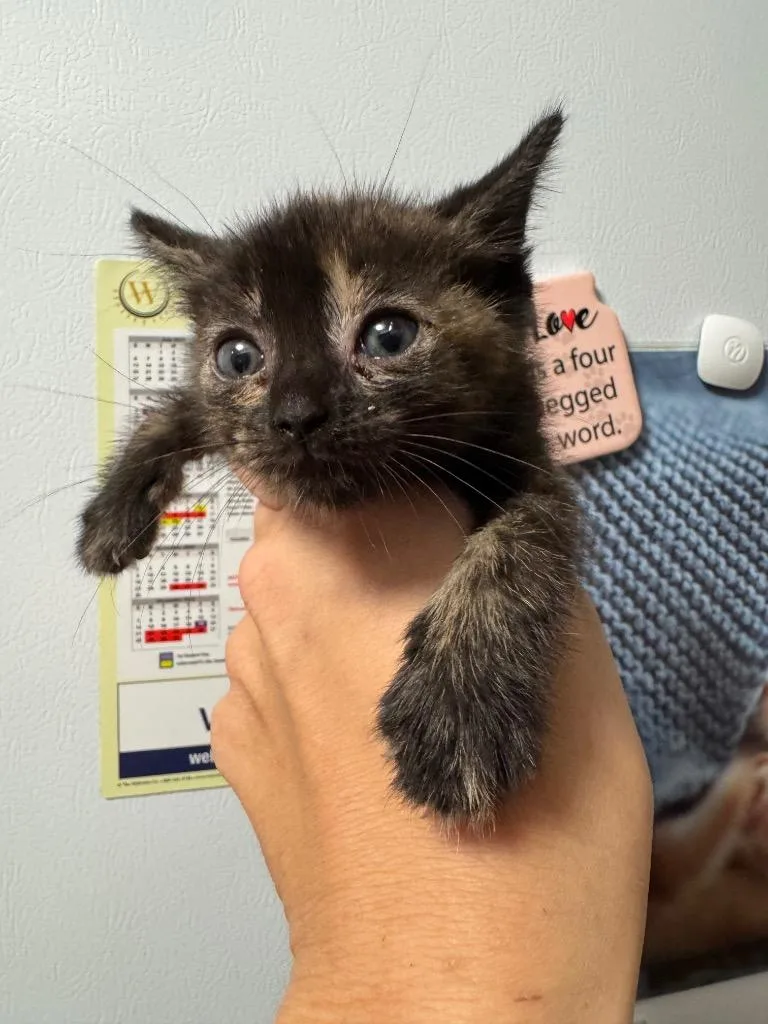
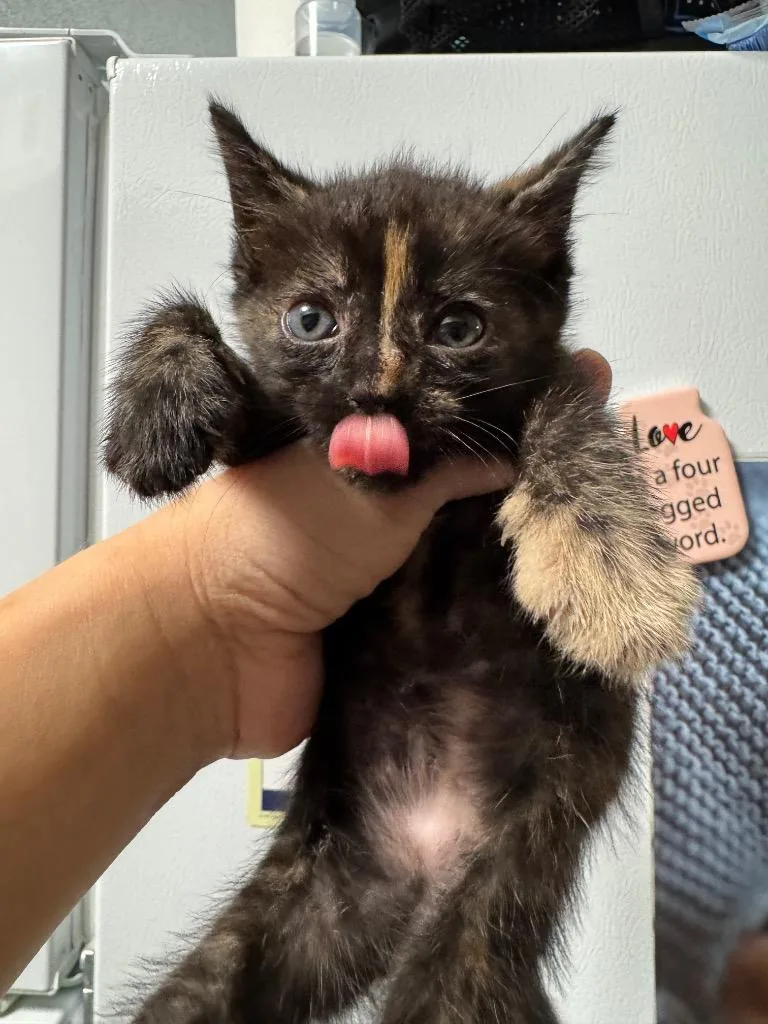
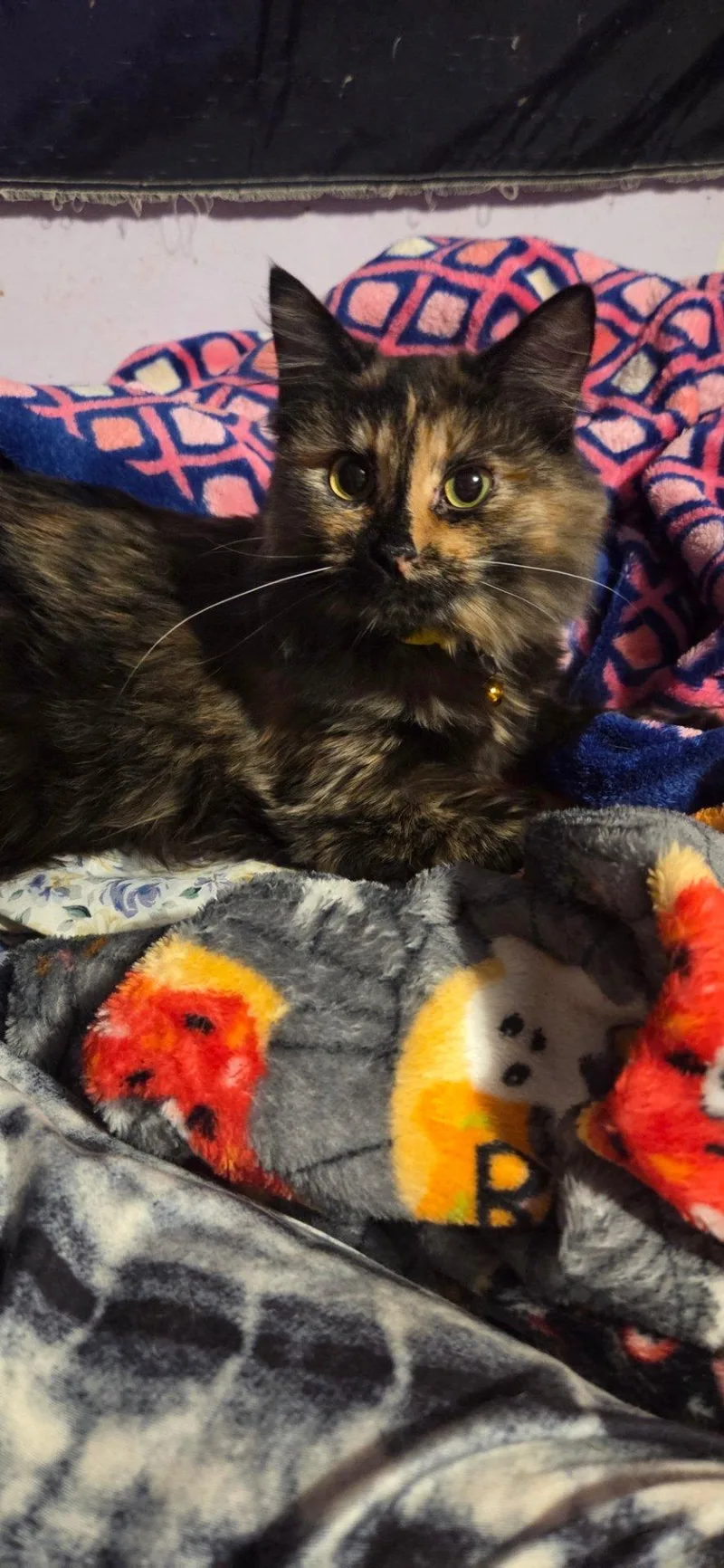
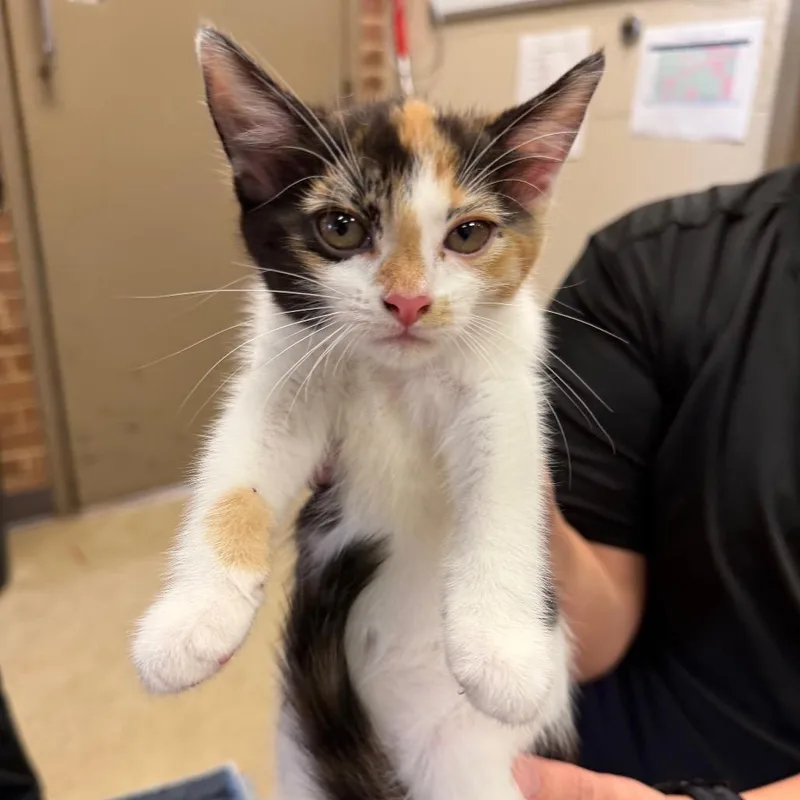
Tortoiseshell is a coat pattern, not a breed. A tortie's fur mixes black-based and orange-based colors in patches or a fine mottled blend, usually with little white. A cat with large white areas is called a calico. Because the orange gene sits on the X chromosome, nearly all torties are female, and the rare males usually carry an extra X.

Most torties in Birmingham homes are domestic shorthairs, though the pattern also appears in Maine Coons, Persians and many other breeds. The sassy "tortitude" reputation is folklore more than fact. A cat's age, history and socialization say far more about personality than color does. Shedding is moderate, so regular brushing helps, and a medium frame of roughly 6 to 14 pounds fits most apartments and houses.

Weight
6–14 lbs
Height
8–10 in
Lifespan
12–18 yrs
Temperament
Independent, Affectionate, Playful
Shedding
Moderate

Owning a Tortoiseshell in Birmingham

Having a Tortoiseshell in Birmingham

Tortoiseshell describes a coat, not a breed, so a tortie's traits come mostly from her ancestry, age and upbringing. These cards cover what holds for most of the domestic shorthairs adopters meet, with a few Birmingham notes on heat, storms and indoor living.

Temperament

Torties are said to have attitude, a reputation nicknamed tortitude, but the evidence is thin and mostly owner impressions. Some are shy, some bold, some cuddly. In a busy Birmingham apartment building, a confident tortie may enjoy the activity, while a shy one may want a quiet room to retreat to. Age and history say more than color.

Exercise Needs

Most torties need daily interactive play, such as wand toys, chase games and puzzle feeders. Young cats want more, and seniors prefer gentler sessions. Birmingham's long, humid summers make indoor play the easy default. Window perches facing a yard or street give indoor cats something to watch between play sessions.

Health Considerations

The tortoiseshell pattern carries no known health risks for females. The rare males usually have an extra X chromosome, are typically sterile and may face added issues. Otherwise health follows ancestry, age and care. Fleas and mosquitoes thrive in Birmingham's humid climate, so ask a veterinarian about year-round prevention, plus checkups and dental care.

Living Space

Tortoiseshell cats adapt to apartments and houses alike, which suits a city where a little over half of households rent. A cat tree, scratching posts, a window perch and a cozy hideaway cover most needs. Quiet cats may prefer calmer buildings, while social, confident torties often handle busy ones.

What it costs to own a Tortoiseshell in Birmingham

ExpenseTypical costPer year
Food$25 to $50 per month$300 to $600
Pet insurance$20 to $45 per month$240 to $540
Routine vet care$150 to $350 per year$150 to $350
Other*$450 to $1,150 per year$450 to $1,150
Estimated yearly total (after year one)$1,140 to $2,640

Other costs are estimates and vary with size, age and health.

* Litter, the city pet license, flea and tick prevention, a dental cleaning allowance, toys and supplies, and home grooming.

Adopt a Tortoiseshell in Birmingham.

Now that you know more, let’s find you a new best friend. These rescues and shelters below have cats available in and near Birmingham.

Rescues and Shelters in or near Birmingham

Birmingham's shelters and rescues care for cats of every coat, and the ones below list their adoptable pets here. Here are the rescues & shelters in the Birmingham area with cats available for adoption, worth asking whether a Tortoiseshell is coming in.

Frequently Asked Questions

Usually, yes, for an indoor home. Tortoiseshell cats are domestic cats of every personality, and Birmingham's apartments, cottages and houses all work if your cat has play, perches and shade. Plan for hot, humid summers, spring storm season and coyote sightings that make indoor living safer. Her age and history matter more than her color.

Yes. About 53% of Birmingham households rent, and cats adapt well to apartments when they have a cat tree, scratching posts and a window perch. Alabama lets landlords charge a pet deposit on top of a one-month security deposit, so confirm the pet terms and that cats are allowed before you adopt.

Yes. Tortoiseshell is a coat color, and there's no known Birmingham rule limiting cats by breed or color. Alabama requires a rabies vaccination by three months of age, and the city requires a license for cats four months and older. No pet-number cap is known, though nuisance and sanitation rules apply.

Yes, indoors. Summers run 71 to 90°F, with about 65 days a year reaching 90°F and high humidity. Keep air conditioning or fans running, close sunny blinds and offer fresh water. Heavy panting, drooling or lethargy means a cooler spot and a call to your veterinarian. Never leave a cat in a parked car.

Mostly no. MAX fixed-route buses generally don't allow animals other than service animals, and no carrier exception is published. MAX On-Demand, a zone-based shared ride at $1.50 one way, asks that pets travel in an airline-approved carrier. For vet visits, a secure carrier and a car ride are the simplest choice.

Most tortoiseshell cats are shorthairs with moderate shedding, so brushing once or twice a week is usually enough. Longhaired torties may need brushing most days to prevent mats. Birmingham's humidity can make coats feel heavier in summer. Grooming is mostly done at home, and the cost sits within the Other line of the cost table.

Generally no. Alabama's patio rule lets participating restaurants welcome pet dogs, and it doesn't cover cats, so don't expect a cat to be allowed. Indoor dining rooms are off-limits to pets. Most cats are calmer and safer at home, with a carrier reserved for vet trips.

A tortoiseshell cat is a cat with a coat pattern of black-based and orange-based colors blended or patched together, usually with little or no white. It is not a breed; the pattern appears in many breeds and most often in domestic shorthairs. Nearly all tortoiseshells are female because the genes for orange and black are carried on the X chromosome.

Almost all tortoiseshell cats are female, but not all. A female has two X chromosomes and can carry both orange and black color genes, producing the mixed coat. Males normally have only one X. Rare male torties usually have an extra X chromosome or are genetic chimeras, and they are estimated at roughly 1 in 3,000 tortoiseshells.

A tortoiseshell in Birmingham typically costs about $25 to $50 a month for food, $20 to $45 a month for insurance, $150 to $350 a year for routine vet care and $450 to $1,150 a year for everything else, litter included. That adds up to roughly $1,140 to $2,640 a year.

Find Tortoiseshells in Nearby Cities

Expand your search to find Tortoiseshells available for adoption near Birmingham.

Explore Other Breeds in Birmingham

Looking for a different breed? Browse other cats available for adoption in Birmingham.