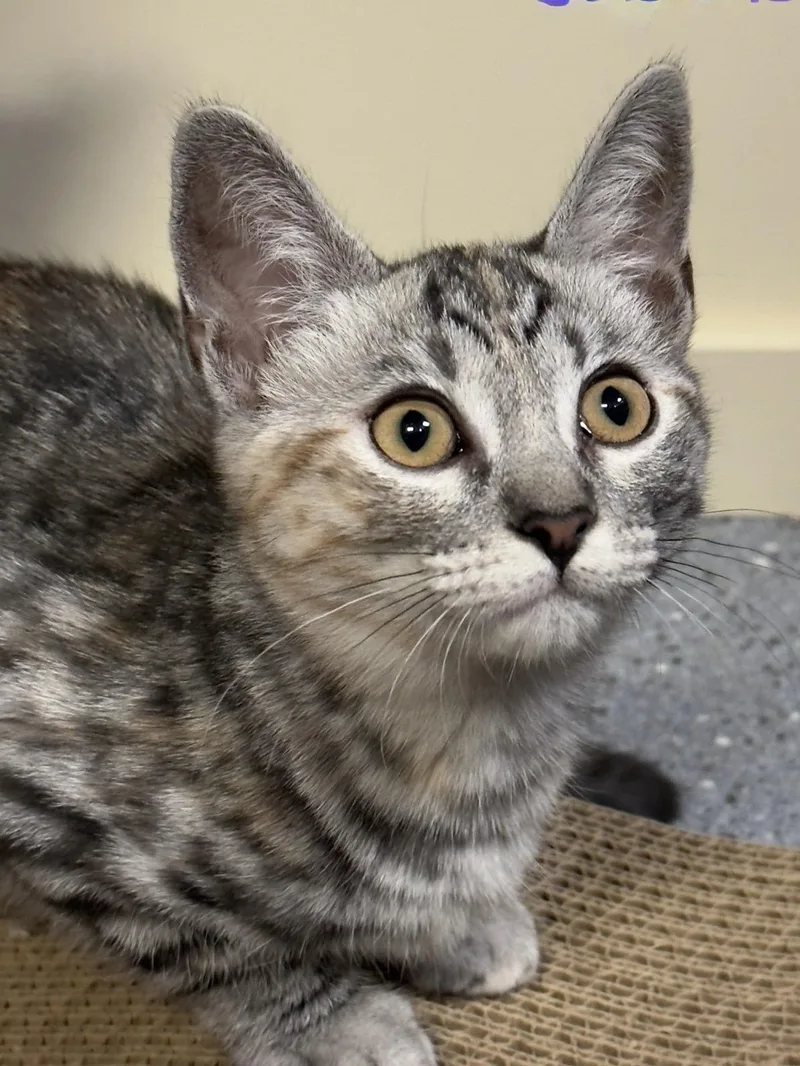
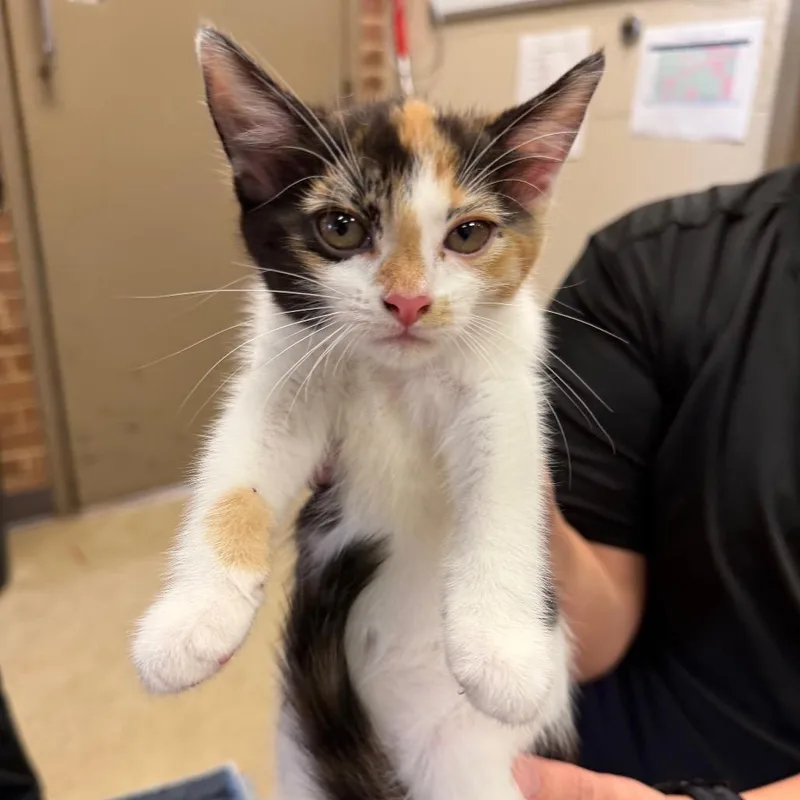
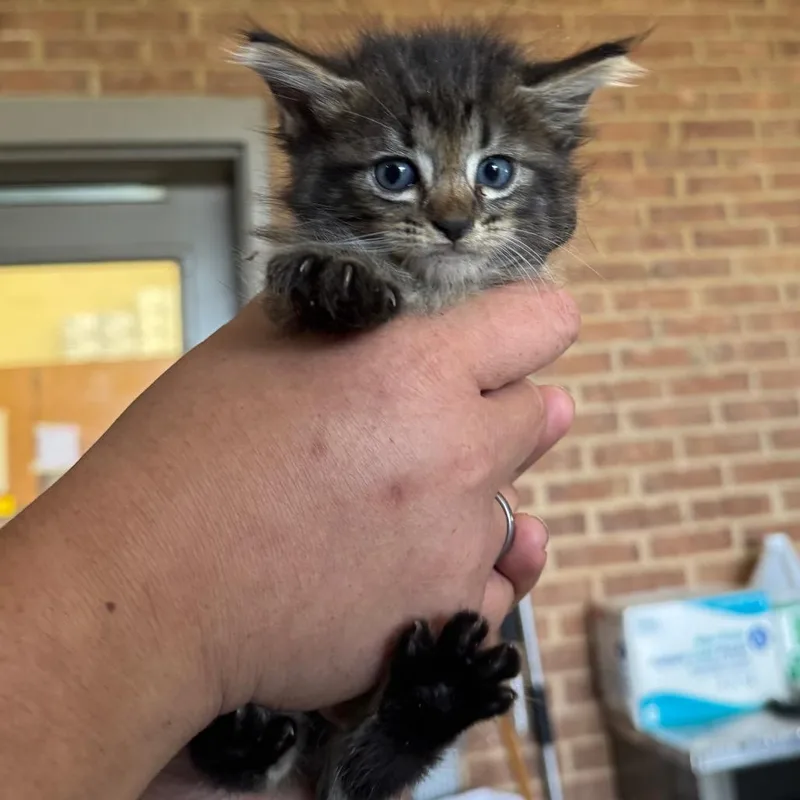
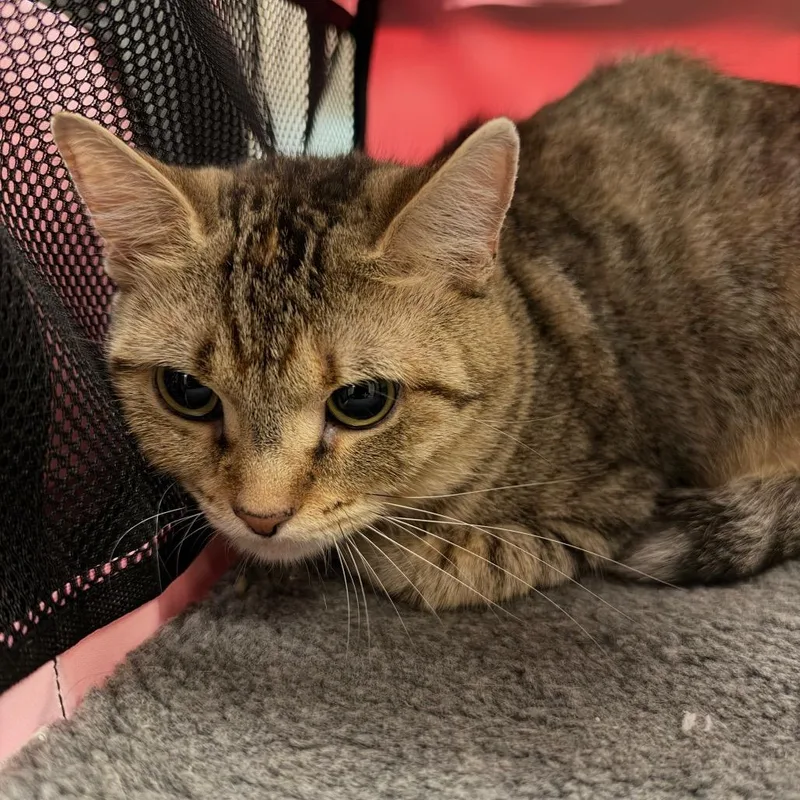
Dilute Tortoiseshell Cats for Adoption in Birmingham, AL

Your guide to finding and caring for a Dilute Tortoiseshell in Birmingham

A dilute tortie suits a Southside apartment or a Highland Park condo as well as a house in Woodlawn. The blue-gray and cream coat is a pattern rather than a breed, so these cats vary in personality and coat length. Most settle happily indoors with a sunny window perch, and the hills and older buildings around Birmingham give a curious cat plenty to watch. Plan on daily play and a good scratching post, and expect a cat with opinions about dinner.

278 Dilute Tortoiseshells available in Birmingham and nationwide

Meet your next Dilute Tortie

While we don't have enough cats near Birmingham, keep in mind that many rescues may offer transport.

Dilute Tortoiseshells Available for Adoption Near Birmingham

About the Dilute Tortoiseshell breed

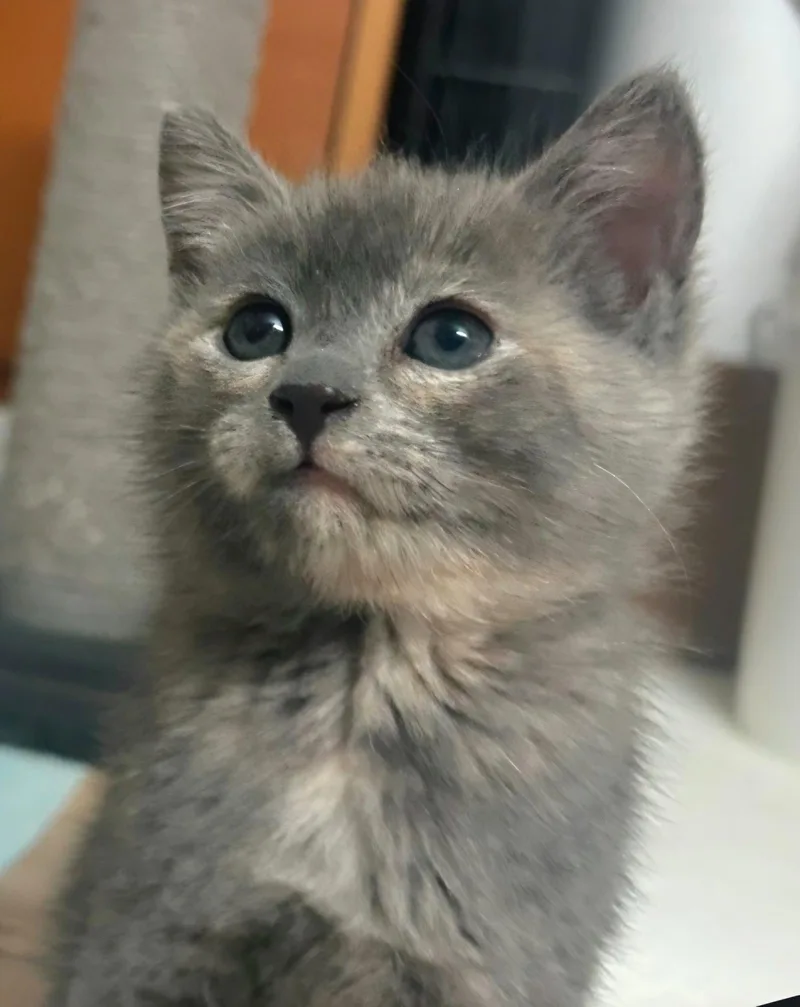
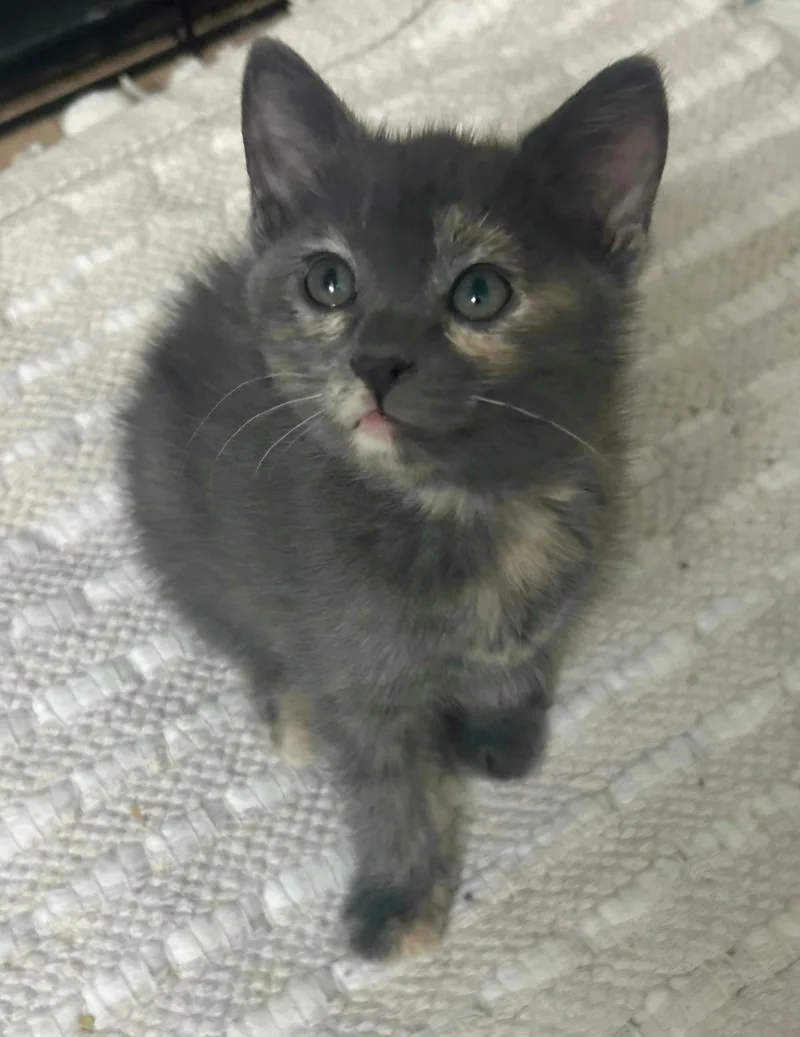
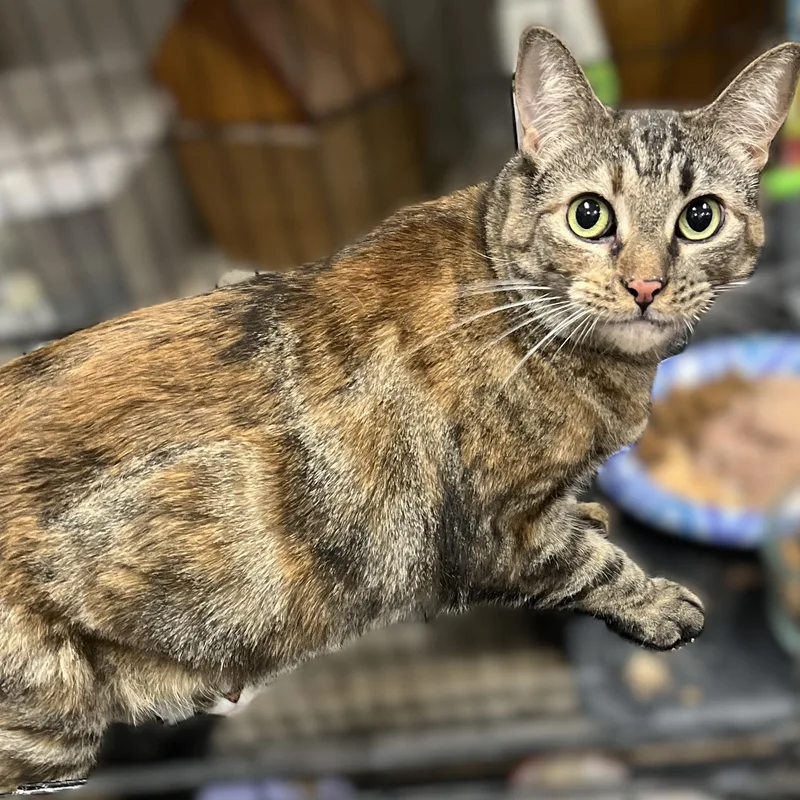
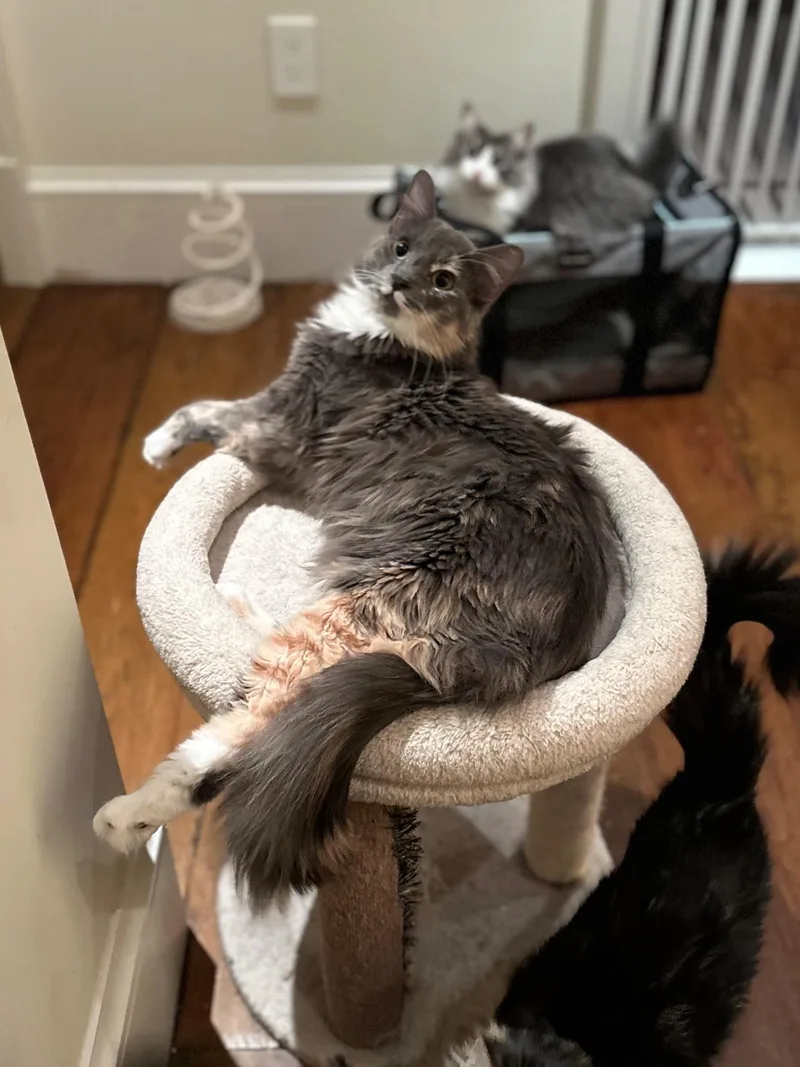
A dilute tortoiseshell is a coat pattern, not a breed. Instead of black and orange, the cat shows soft blue-gray and cream in patches or a fine marbled blend, thanks to a dilution gene inherited from both parents. Nearly all are female, because the patchwork depends on two X chromosomes. Most are domestic shorthairs or longhairs, though the coloring also appears in Persians, British Shorthairs and Maine Coons.

That mix of backgrounds means a dilute tortie can be a compact short-haired apartment cat or a fluffy long-haired one who needs regular brushing. Talk of "tortitude" has little evidence behind it, so meet the cat in front of you, whether she turns out shy, outgoing, cuddly or independent. Shedding is moderate, and most weigh between 6 and 14 pounds.

Weight
6–14 lbs
Height
8–10 in
Lifespan
12–18 yrs
Temperament
Affectionate, Independent, Curious
Shedding
Moderate

Owning a Dilute Tortoiseshell in Birmingham

Having a Dilute Tortoiseshell in Birmingham

Because color says little about ancestry, a dilute tortie's traits follow her breed mix, age and upbringing. In Birmingham, the practical questions are indoor enrichment, summer comfort and a home that welcomes cats.

Temperament

Dilute torties range from timid to confident and from lap cats to independent explorers. Expect affection on the cat's own terms and plenty of curiosity. In a Birmingham apartment, a cat who likes watching the street is usually content, while shyer cats may prefer a quieter building and a calm routine.

Exercise Needs

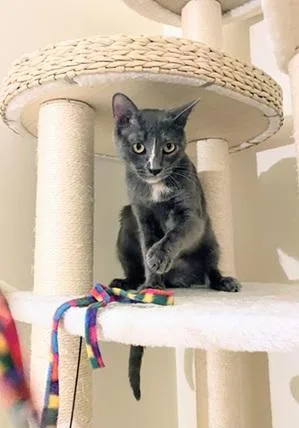
Most dilute torties benefit from a couple of daily play sessions with wand toys or balls, plus puzzle feeders and climbing spots. Kittens and young adults need the most, and seniors prefer shorter games. Birmingham's rain and summer heat make indoor play the main outlet, so cat trees and window perches matter.

Health Considerations

The coat pattern carries no known health risk in female cats, and the rare males are usually sterile and may have added concerns. Routine checkups, dental care and a healthy weight matter most. With Birmingham's long warm season, ask a veterinarian about flea and tick prevention timing.

Living Space

Dilute torties adapt to apartments and houses alike, as long as there are scratching posts, perches and hiding spots. Birmingham's older apartment buildings and condos suit an indoor cat well. Long-haired cats need regular brushing, and quieter cats settle best in calmer households.

What it costs to own a Dilute Tortoiseshell in Birmingham

ExpenseTypical costPer year
Food$25 to $50 per month$300 to $600
Pet insurance$20 to $45 per month$240 to $540
Routine vet care$150 to $350 per year$150 to $350
Other*$450 to $1,150 per year$450 to $1,150
Estimated yearly total (after year one)$1,140 to $2,640

Other costs are estimates and vary with size, age and health.

* Litter, flea and tick prevention, a dental cleaning allowance, toys and supplies, and occasional home grooming.

Adopt a Dilute Tortoiseshell in Birmingham.

Now that you know more, let’s find you a new best friend. These rescues and shelters below have cats available in and near Birmingham.

Rescues and Shelters in or near Birmingham

Birmingham's shelters and rescues list cats of every coat, age and temperament, so it pays to look past color. Here are the rescues & shelters in the Birmingham area with cats available for adoption, worth asking whether a Dilute Tortoiseshell is coming in.

Frequently Asked Questions

Not on MAX buses. Birmingham's fixed-route MAX buses don't allow animals other than service or guide animals, and no carrier exception is published. MAX On-Demand shared rides ask that non-service pets travel in an airline-approved carrier, which works for a dilute tortie. Birmingham has no rail or subway, so plan vet trips around a car or a carrier-friendly ride.

Yes, as indoor cats. Summers are long and humid, with about 65 days a year at or above 90°F, so keep air conditioning or fans running, fresh water out and blinds closed in the afternoon. Brush long-haired cats regularly. Heavy open-mouth panting or lethargy calls for a veterinarian, and a parked car is never safe.

Yes. No known Birmingham rule limits cats by coat or breed, and no pet-number cap is known for households. You'll need a city license once the cat is four months old and a rabies vaccine by three months. Dilute tortie is a color, not a breed, so watch the listings on this page and save a search.

Yes, most dilute torties do well in apartments, which are common in Southside and Highland Park. Provide scratching posts, perches and daily play. Alabama lets landlords charge a pet deposit on top of a one-month security deposit, so confirm the total cost and that cats are allowed before you apply.

Often, if you can offer an indoor home with daily play and a cool space in summer. Mild winters and plenty of apartments suit cats well. Spring storms can upset thunder-shy cats, so set up a quiet hiding spot and keep a carrier handy. Judge the cat's own comfort level rather than coat color.

Short-haired dilute torties need a weekly brush, while long-haired ones do best with brushing several times a week to prevent mats, especially in Birmingham's humidity. Shedding is moderate and may rise in spring and fall. Home brushing costs little, so grooming adds very little to the yearly Other costs in the cost table.

A tortoiseshell cat is a cat with a coat pattern, not a breed, that mixes black-based and orange-based colors in patches or a mottled blend with little or no white. The dilute version shows blue-gray and cream instead. The pattern appears in domestic shorthairs and many purebreds, and because of its genetics nearly all tortoiseshells are female.

Almost all tortoiseshell cats are female, but not every single one. The orange and black color genes sit on the X chromosome, and a cat needs two X chromosomes to show both colors together. Females have two, so they can be torties. A tortoiseshell male is possible only through rare genetic exceptions, such as carrying an extra X chromosome.

No, tortoiseshell cats are not rare. The pattern is common among domestic cats, and shelters regularly have torties available for adoption. What is rare is a male tortoiseshell, which occurs in only about one in every few thousand. Dilute torties are less common than standard black-and-orange ones because dilution is recessive, but they are far from unusual.

Most dilute tortie owners in Birmingham spend roughly $1,140 to $2,640 a year. Food runs $25 to $50 a month and insurance $20 to $45 a month. Routine vet care is $150 to $350 a year, and other costs such as litter, prevention and dental care run $450 to $1,150 a year.

Find Dilute Tortoiseshells in Nearby Cities

Expand your search to find Dilute Tortoiseshells available for adoption near Birmingham.

Explore Other Breeds in Birmingham

Looking for a different breed? Browse other cats available for adoption in Birmingham.