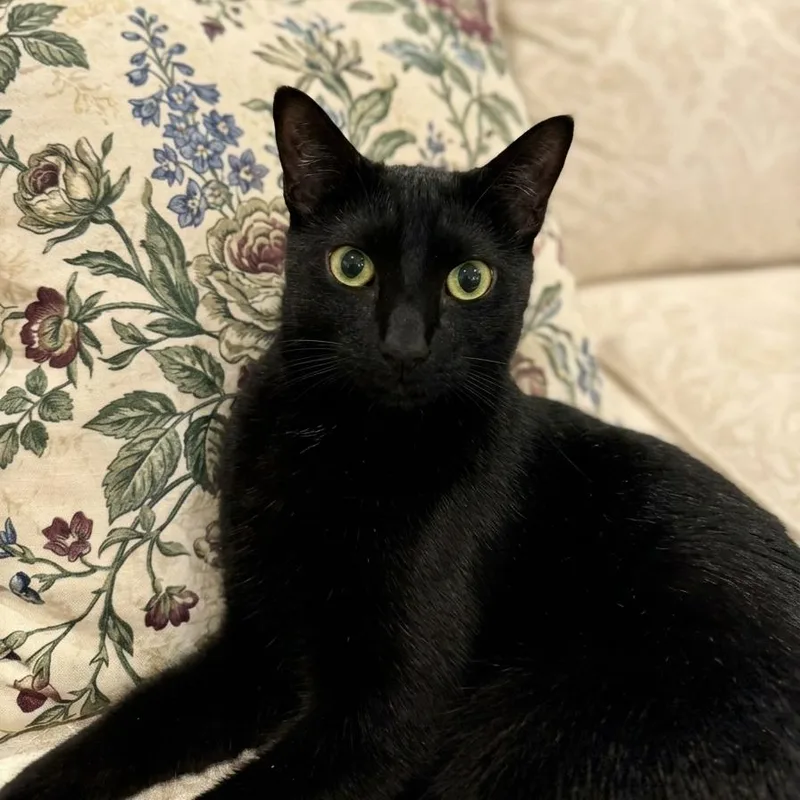
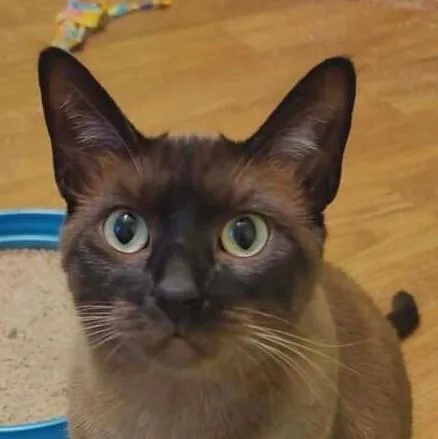
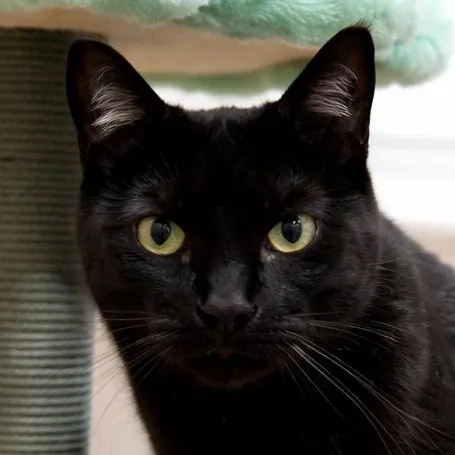
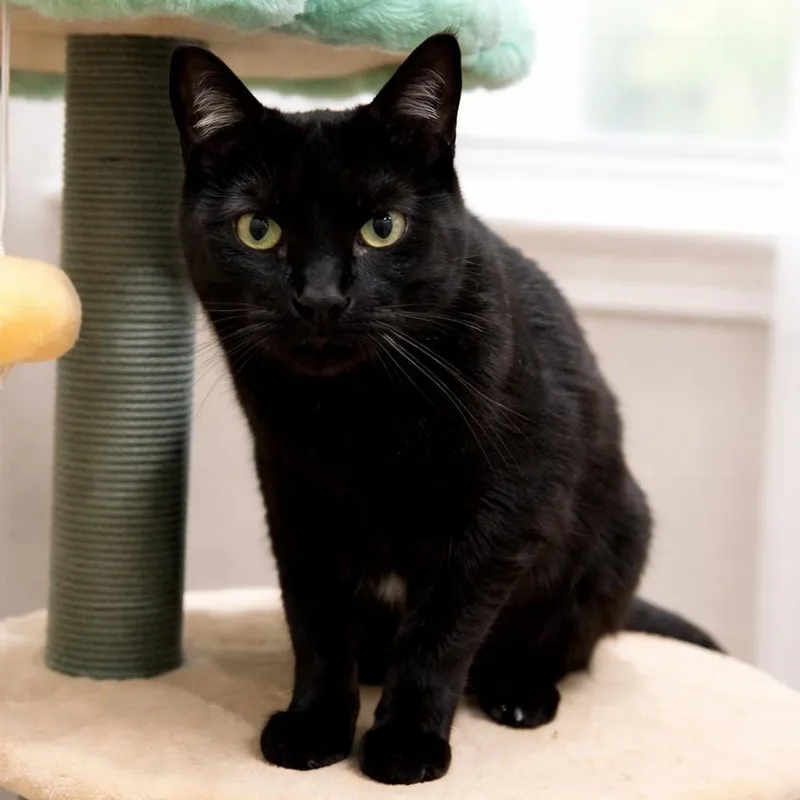
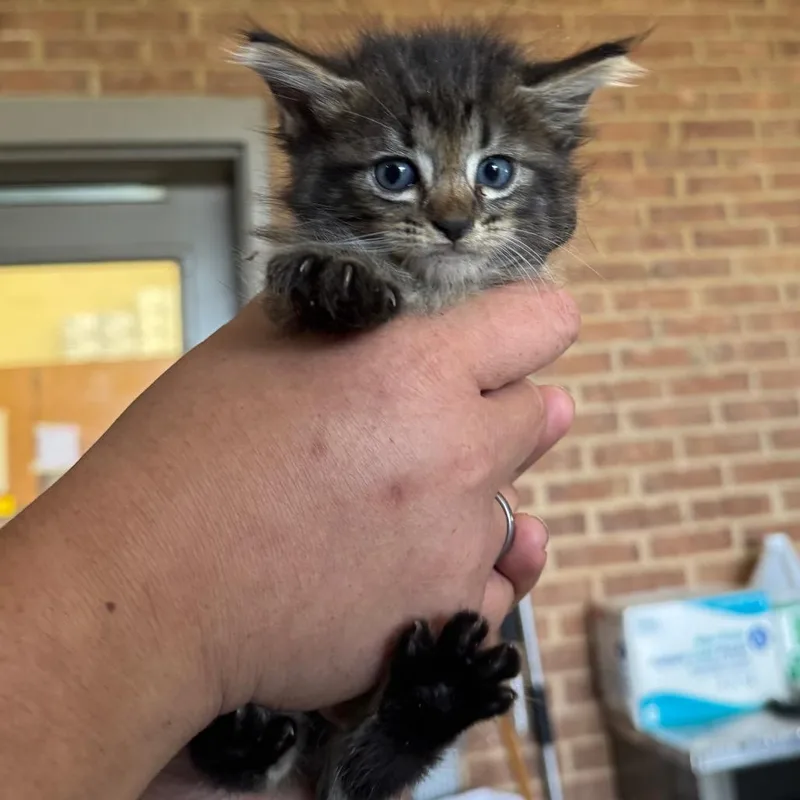
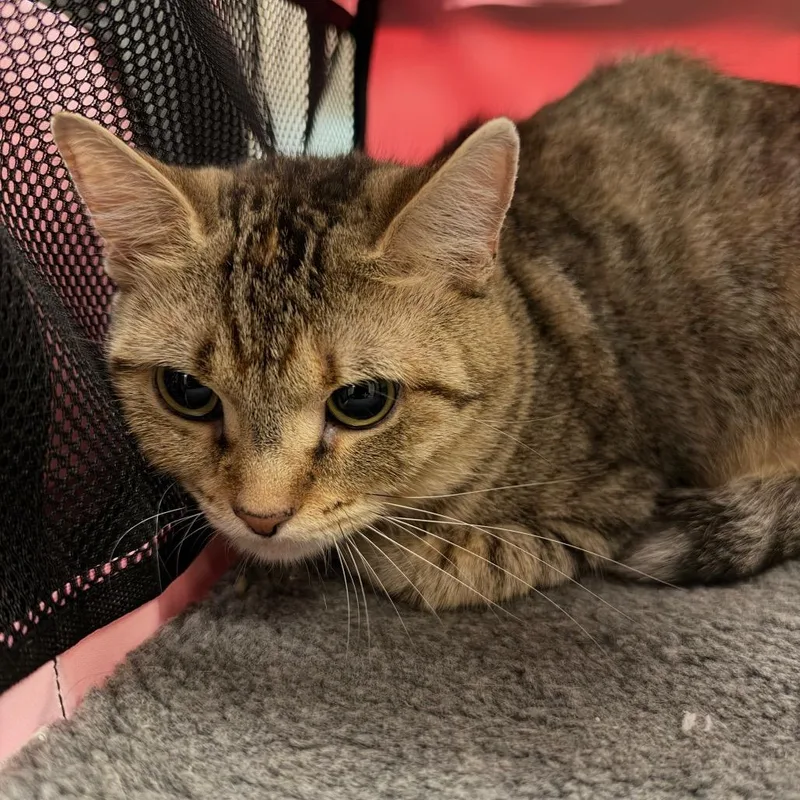
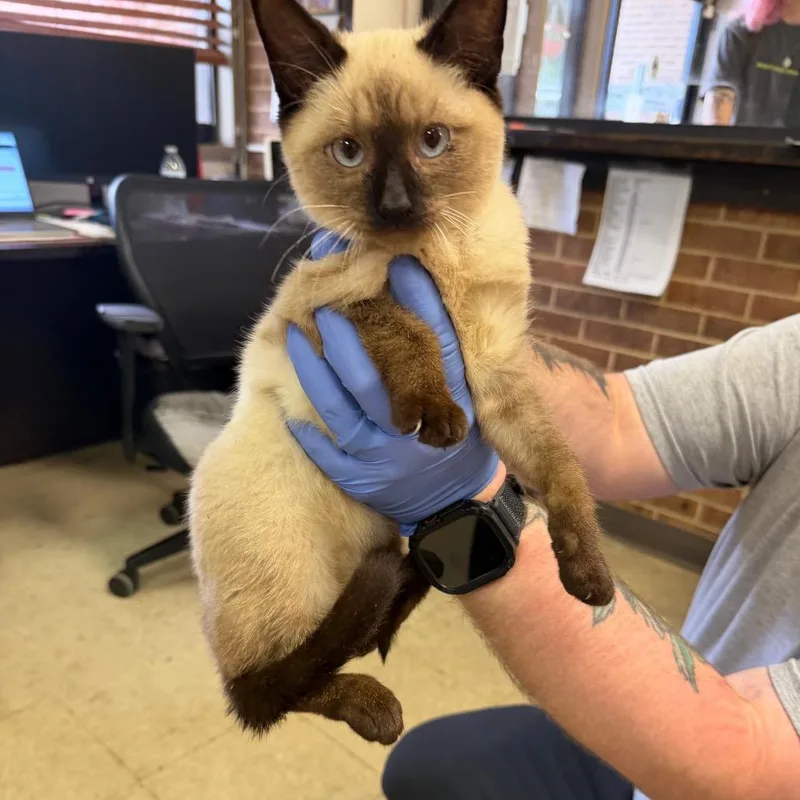
Burmilla Cats for Adoption in Birmingham, AL

Your guide to finding and caring for a Burmilla in Birmingham

Burmillas fit Birmingham's apartment neighborhoods well, from Highland Park to Southside. They're playful but mellow, so a window perch above Highland Avenue and a few minutes with a wand toy after work covers most of what they want. A quiet, sociable cat also works in a Crestwood house. Come July, a Burmilla is happy to nap through the muggy afternoon in the air conditioning.

646 cats similar to Burmilla available in Birmingham and nationwide

Meet your next Burmilla

While we don't have enough cats near Birmingham, keep in mind that many rescues may offer transport.

Burmillas and Similar Breeds Available for Adoption Near Birmingham

About the Burmilla breed

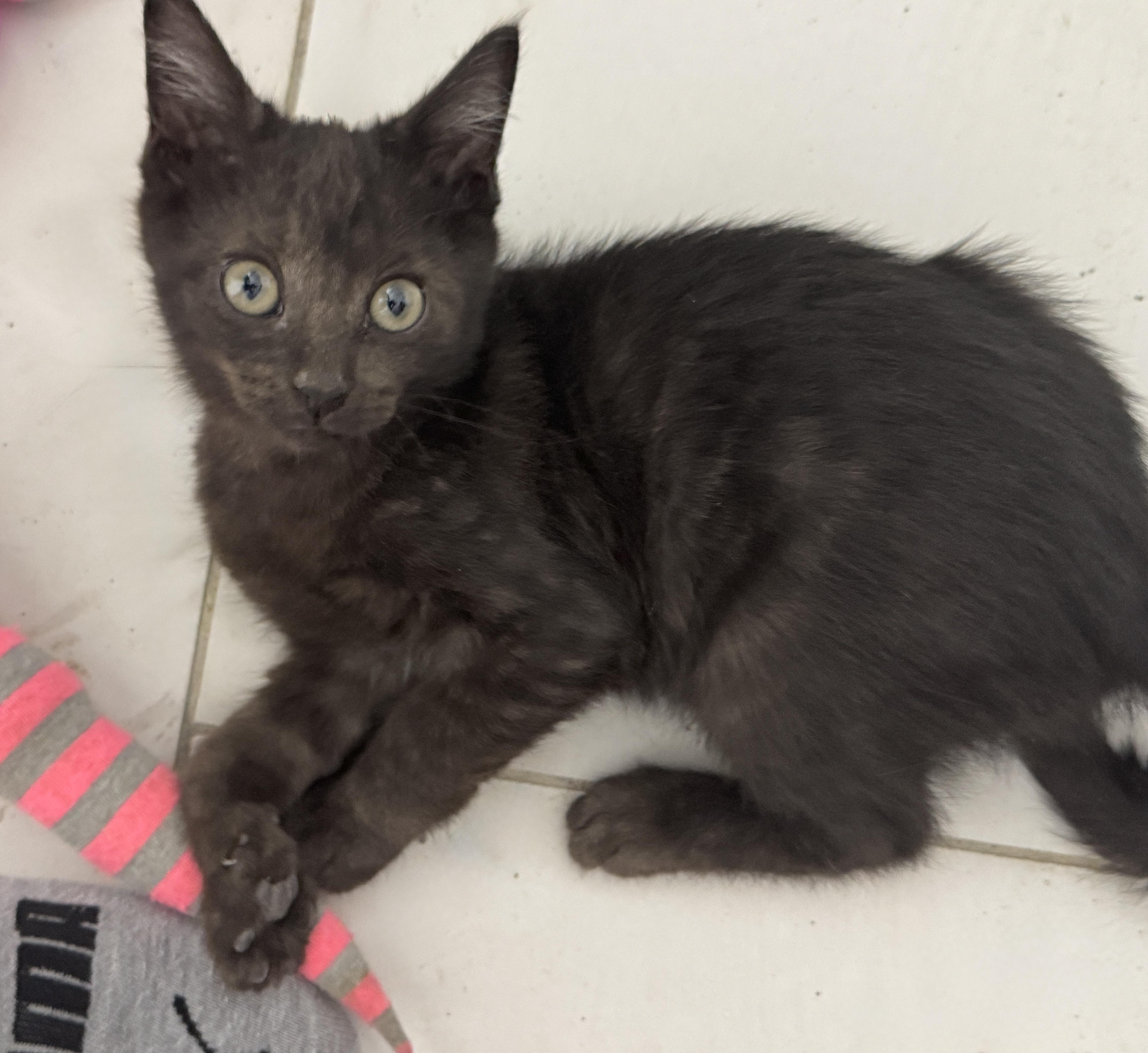
The Burmilla began with an accidental mating in Britain in 1981, when a Chinchilla Persian male met a lilac Burmese female and produced four shaded silver kittens. The name blends Burmese and Chinchilla. Medium-sized and muscular, Burmillas weigh roughly 6 to 13 pounds and have green eyes outlined in dark color, as if wearing eyeliner, plus a shimmering coat that is pale at the roots and tipped with color.

Many pair the Burmese's sociable streak with the Persian's calm, staying kittenish into adulthood without being demanding. They're usually quiet, people-oriented and comfortable with other pets, and both the shorthaired and semi-longhaired coats need little more than weekly combing. The breed is uncommon in North America, so watch the listings on this page, and remember that a silver coat and green eyes alone don't confirm a cat's breed.

Weight
6–13 lbs
Height
9–12 in
Lifespan
10–15 yrs
Temperament
Affectionate, Playful, Easygoing
Shedding
Low to Moderate

Owning a Burmilla in Birmingham

Having a Burmilla in Birmingham

Burmillas combine a moderate, kittenish energy with a low-maintenance coat. For a Birmingham home, what matters most is a daily play routine, inherited kidney and head-shape conditions worth discussing with a vet, and plenty of vertical space for a medium-sized indoor cat.

Temperament

Burmillas tend to be sweet, curious and sociable, greeting visitors and settling near their people without constant demands. Many get along with respectful children, other cats and cat-friendly dogs after gradual introductions. They're usually quiet, which helps with shared walls. Each cat differs, and a cat's own comfort with handling matters more than breed expectations.

Exercise Needs

Expect short bursts of energetic play followed by long naps. Wand toys, chase games and a tall cat tree cover the athletic side, while food puzzles keep a curious mind busy. Daily interactive play helps prevent weight gain, which matters for a cat living indoors in an apartment. Rotate toys so a kittenish adult stays interested.

Health Considerations

Burmillas can inherit polycystic kidney disease from Persian ancestors and a head defect from Burmese lines. DNA tests exist for both, and the breed's small gene pool makes health records useful. Not every cat develops problems. A veterinarian can discuss testing, then keep up regular exams, dental care and weight checks, along with flea prevention through Birmingham's long warm season.

Living Space

A Burmilla does well in an apartment or a house with climbing spots, window perches and a quiet place to rest, and many cope with a workday alone. In Birmingham, screen windows and balconies, and keep outdoor time to a secure enclosure or a harness, since coyotes and copperheads turn up in some neighborhoods.

What it costs to own a Burmilla in Birmingham

ExpenseTypical costPer year
Food$25 to $50 per month$300 to $600
Pet insurance$25 to $50 per month$300 to $600
Routine vet care$150 to $350 per year$150 to $350
Other*$450 to $1,150 per year$450 to $1,150
Estimated yearly total (after year one)$1,200 to $2,700

Other costs are estimates and vary with size, age and health.

* Litter, flea and tick prevention, a dental cleaning allowance, toys, scratchers and cat trees, and weekly combing for a short or semi-long coat.

Adopt a Burmilla in Birmingham.

Now that you know more, let’s find you a new best friend. These rescues and shelters below have cats available in and near Birmingham.

Rescues and Shelters in or near Birmingham

Greater Birmingham Humane Society and foster-based rescues in the area list cats and kittens looking for adoptive homes. Here are the rescues & shelters in the Birmingham area with cats available for adoption, worth asking whether a Burmilla is coming in.

Frequently Asked Questions

Yes, a Burmilla usually does well in a Birmingham apartment. Medium-sized, quiet and fine with a workday alone, it needs a window perch, a tall cat tree and daily play more than extra space. Confirm your building allows cats before applying, since pet deposits, fees and limits vary, and Alabama lets landlords charge a pet deposit beyond the one-month security deposit.

Yes. No breed-specific rules for cats are known in Birmingham, so a Burmilla is treated like any other cat. Expect a rabies vaccination by three months under state law and a city license once the cat is four months old, even if it's microchipped. No pet-number limit is known, though nuisance and sanitation rules apply to every household.

Mostly yes, as long as the Burmilla lives indoors. Summers are long, hot and humid, with about 65 days a year at or above 90°F, so air conditioning matters. Winters are mild, with about 47 freezing nights, and the easy coat copes well inside. Spring storm season calls for a carrier and a safe interior room.

Not on MAX buses. Fixed-route buses don't allow animals other than service animals, and Birmingham has no subway or rail. MAX On-Demand, a $1.50 shared ride in set zones, asks that non-service pets travel in an airline-approved carrier, so a Burmilla can ride there. A sturdy carrier also makes vet trips calmer.

A Burmilla needs little grooming: a weekly comb is usually enough for either the short or the semi-long coat. Birmingham's humidity doesn't change that routine, but regular combing keeps loose hair down and prevents tangles in the semi-long coat. Most owners do it at home, so costs stay small and fall under the Other line in the cost table.

A Burmilla fits Birmingham well if you want a sociable, low-key cat. It suits an apartment or a house, handles workdays alone and stays quiet around neighbors. The city asks for a plan for summer heat, spring storms and the occasional ice event, so plan on daily play, climbing space and an indoor-focused routine.

No, Burmilla cats are not hypoallergenic. They shed like other cats, and the main cat allergen, a protein found in saliva and skin secretions, spreads onto the coat during grooming. There is no evidence that Burmillas produce less of it. People with allergies should spend extended time with the specific cat before adopting and discuss options with their doctor.

Burmilla cats typically live about 10 to 15 years, and many healthy indoor cats reach their mid-teens or beyond. Lifespan depends on genetics, weight, dental care and access to veterinary care. Inherited kidney disease from Persian ancestry can shorten life, so scheduling regular blood and urine tests as the cat ages is worthwhile.

A Burmilla is a medium-sized cat breed created in Britain from a cross between a Chinchilla Persian and a Burmese. It is known for a sparkling silver or golden coat tipped or shaded with color, green eyes rimmed in dark outlines, and a playful, gentle personality. Burmillas come in shorthaired and semi-longhaired varieties.

Budget roughly $1,200 to $2,700 a year for a Burmilla in Birmingham: $25 to $50 a month for food, $25 to $50 a month for insurance, $150 to $350 for routine vet care, and $450 to $1,150 for litter, parasite prevention, dental care and supplies. Illness or emergencies would add to this.

Explore Other Breeds in Birmingham

Looking for a different breed? Browse other cats available for adoption in Birmingham.