Bengal Cats for Adoption in Birmingham, AL

Your guide to finding and caring for a Bengal in Birmingham

Bengals can do well in Birmingham's apartments, as long as there's plenty to climb. Highland Park mixes historic apartment buildings with newer condos, and a Bengal will turn any of them into a jungle gym if it has a tall cat tree and a window perch. They're busy, talkative cats that want daily play and company, so they suit people who are home a fair amount or can offer a second playful cat. Expect your Bengal to claim the highest spot in the room.

211 Bengals available in Birmingham and nationwide

A Bengal is ready for you

While we don't have enough cats near Birmingham, keep in mind that many rescues may offer transport.

Bengals Available for Adoption Near Birmingham

About the Bengal breed

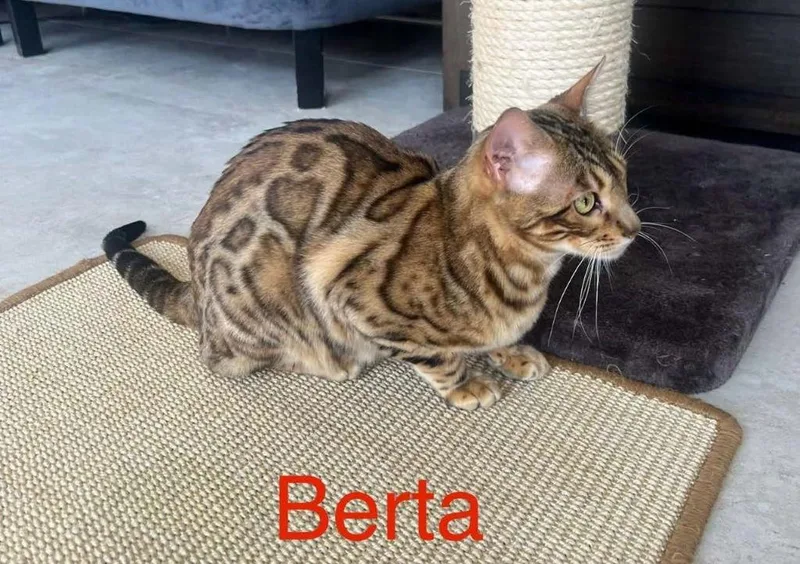
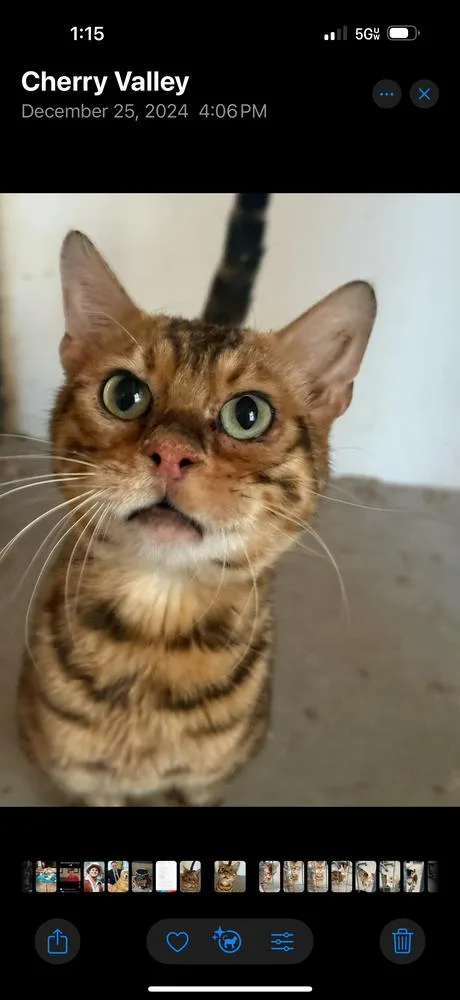
The Bengal began in California in the 1960s with crosses between domestic cats and the Asian leopard cat. Pet Bengals today are many generations removed from that ancestor and are fully domestic. The look is hard to miss: a lean, muscular body, short soft fur in spotted, rosetted or marbled patterns, and often a glittery sheen at the tips of the hairs.

Bengals are intelligent, curious and athletic, and many stay kittenish for years. They fetch, learn tricks, walk on a harness and play in running water. In Birmingham, where storms and summer heat keep most cats indoors, that energy needs somewhere to go. Climbing shelves, puzzle feeders and daily play sessions matter more than square footage. Personalities vary, so a mellow Bengal is possible but shouldn't be assumed.

Weight
8–15 lbs
Height
9–11 in
Lifespan
10–15 yrs
Temperament
Energetic, Curious, Intelligent
Shedding
Low to Moderate

Owning a Bengal in Birmingham

Having a Bengal in Birmingham

A Bengal brings a wild-looking coat, an athletic body and a busy mind. Daily play, vertical space and steady attention matter most, and a few inherited health conditions are worth knowing about before you decide whether this energetic cat suits your Birmingham home.

Temperament

Bengals are typically confident, curious and closely bonded to their people, often following them from room to room. Many are vocal and invent their own games when bored. Some get along with cat-savvy dogs and other active cats, while others are bossy. Temperament varies from cat to cat, so read each listing's personality notes carefully.

Exercise Needs

Plan on several active play sessions a day: wand toys, fetch and chase games, plus tall trees and wall shelves. Food puzzles and clicker or harness training add mental work. In Birmingham, thunderstorms and humid summer afternoons keep cats inside, so indoor play is the daily routine, with harness outings saved for mild mornings and evenings.

Health Considerations

Bengals can inherit hypertrophic cardiomyopathy, a heart condition, along with progressive retinal atrophy and pyruvate kinase deficiency, a form of anemia. Genetic tests exist for some of these. A veterinarian can check the heart and eyes at a first exam and advise on screening, and can set up flea prevention suited to Birmingham's humid climate.

Living Space

Bengals do well in apartments and houses alike when they have vertical territory and daily interaction. Space matters less than stimulation: sturdy cat trees, window perches and wall shelves keep a Bengal busy. Keep them indoors or in a secure enclosed patio, and consider a second playful cat for company.

What it costs to own a Bengal in Birmingham

ExpenseTypical costPer year
Food$25 to $50 per month$300 to $600
Pet insurance$30 to $60 per month$360 to $720
Routine vet care$150 to $350 per year$150 to $350
Other*$500 to $1,350 per year$500 to $1,350
Estimated yearly total (after year one)$1,310 to $3,020

Other costs are estimates and vary with size, age and health.

* Litter, flea prevention, a dental cleaning allowance, toys and bedding, light brushing, and extra climbing and puzzle enrichment for a very active cat.

Adopt a Bengal in Birmingham.

Now that you know more, let’s find you a new best friend. These rescues and shelters below have cats available in and near Birmingham.

Rescues and Shelters in or near Birmingham

Birmingham's shelters and rescues list cats of every age here, and Bengals may show up as listings change. Here are the rescues & shelters in the Birmingham area with cats available for adoption, worth asking whether a Bengal is coming in.

Frequently Asked Questions

Yes. No known Birmingham rule restricts Bengals, and the usual cat requirements apply: a rabies vaccination and a city license. The bigger question is whether your home can give a Bengal daily play and climbing space. Neighboring cities such as Homewood and Hoover set their own animal rules, so recheck if you ever move.

Yes, many Bengals do well in apartments if they get daily play and tall places to climb. Choose a heavy, stable cat tree, add window perches, and secure cabinets and cords, since Bengals open doors and cupboards. A chatty Bengal may be heard by neighbors, and plenty of play helps keep the noise down.

Yes, as indoor cats in air conditioning. Summer highs sit near 90°F with high humidity, so keep water available in several spots and limit time on an enclosed patio during hot afternoons. Never leave a Bengal in a parked car; in Alabama that can be prosecuted as animal cruelty.

Not on regular MAX buses, which allow only service and guide animals. MAX On-Demand, the zone-based shared ride service, asks pets to travel in an airline-approved carrier, so a Bengal in a secure carrier can use it. A carrier-trained cat also makes vet trips far easier.

A Bengal fits well if you're home often and enjoy interactive play. Its short coat copes easily with the local climate, and the cat can be happy in an apartment or a house with enough climbing space. It's a tougher match for long workdays away, since a bored Bengal can get destructive. A second playful cat can help.

Very little. A Bengal's short, close-lying coat needs a quick weekly brushing, plus routine nail trims, and professional grooming is rarely necessary. Humid weather doesn't change that much. Light brushing at home is already counted in the yearly Other costs of $500 to $1,350 shown in the cost table.

Don't count on it. Alabama's outdoor dining law lets participating restaurants welcome dogs, and it doesn't extend to cats. A Bengal is also usually happier at home than around crowds and food. If your Bengal learns a harness, save outings for quiet, secure places instead.

A Bengal is a domestic cat breed developed from crosses between house cats and the small Asian leopard cat, then bred for generations with domestic cats. Bengals have short, sleek coats with spots, rosettes or marbling, muscular builds and lively, curious personalities. Pet Bengals are domestic cats, though their energy and intelligence often feel a little wilder.

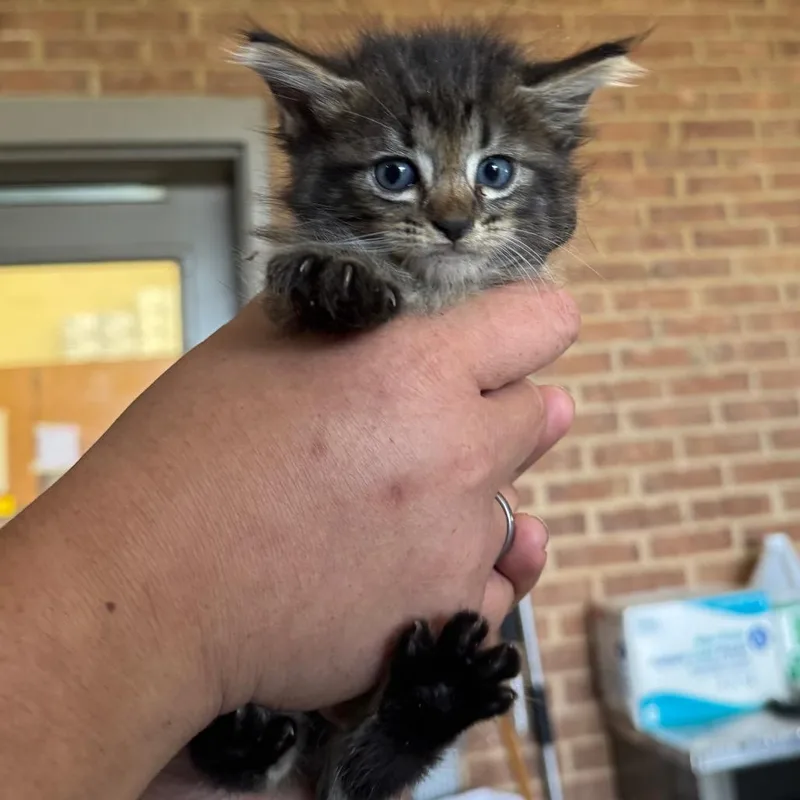
Bengal kittens look like tiny spotted or marbled wild cats, with large eyes, rounded ears and bold markings visible from birth. Many go through a fuzzy stage at a few weeks old, when longer guard hairs make the pattern look muddy or faded. The coat usually clears and sharpens over the first several months as the kitten matures.

Expect roughly $1,300 to $3,000 a year for a Bengal, or about $110 to $250 a month. Food runs $25 to $50 a month and insurance $30 to $60. Routine vet care is $150 to $350 a year, and extras such as litter, flea prevention, dental care and climbing and puzzle enrichment add $500 to $1,350 a year.

Find Bengals in Nearby Cities

Expand your search to find Bengals available for adoption near Birmingham.

Explore Other Breeds in Birmingham

Looking for a different breed? Browse other cats available for adoption in Birmingham.