Tortoiseshell Cats for Adoption in Anchorage, AK

Your guide to finding and caring for a Tortoiseshell in Anchorage

A tortoiseshell cat is a good match for a Spenard apartment or a Government Hill house, as long as there's a sunny window. Tortoiseshell is a coat pattern rather than a breed, so torties come in every personality, from shy to bold. In Anchorage they spend most of the year indoors, and with only about six hours of daylight in December, a cat tree by the brightest window and a few play sessions a day make a real difference.

960 Tortoiseshells available in Anchorage and nationwide

Your Tortoiseshell is waiting

While we don't have enough cats near Anchorage, keep in mind that many rescues may offer transport.

Tortoiseshells Available for Adoption Near Anchorage

About the Tortoiseshell breed

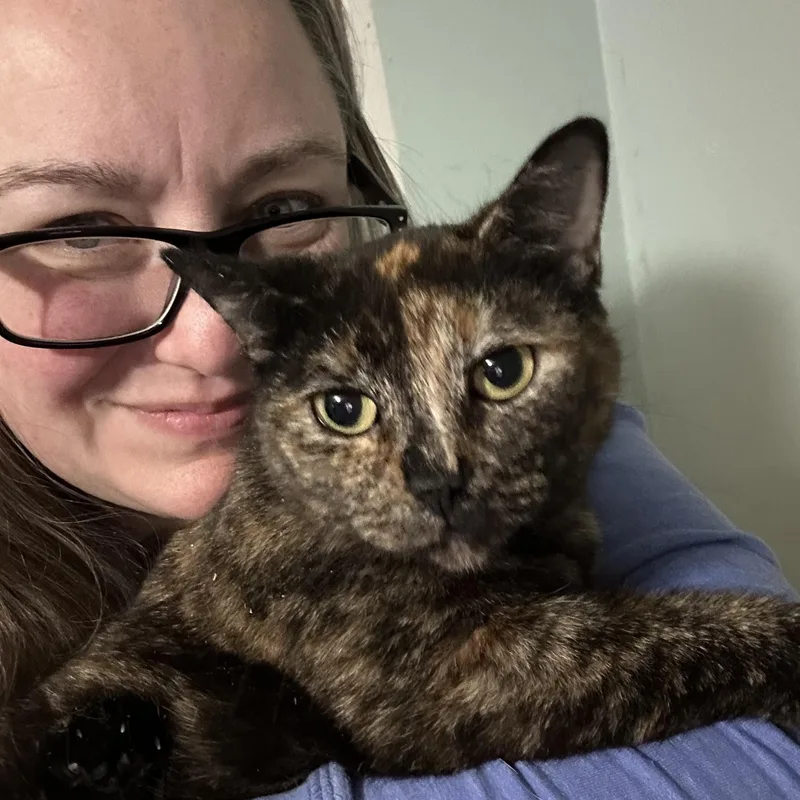
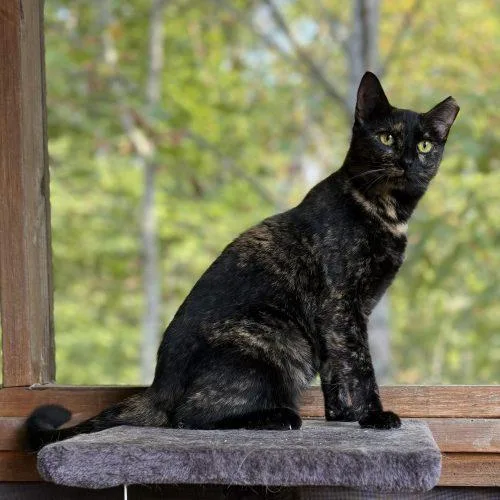
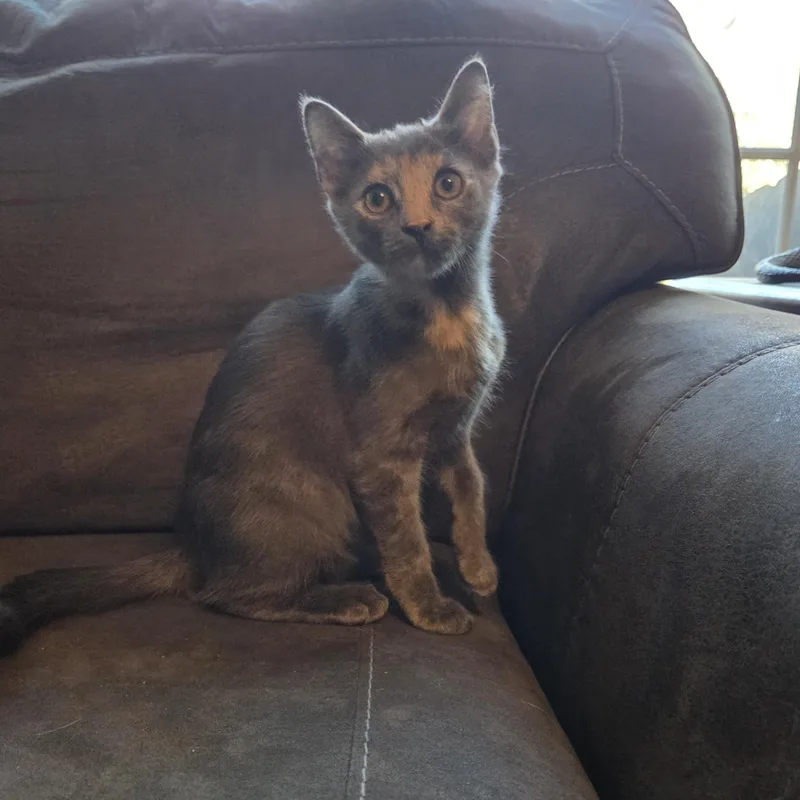
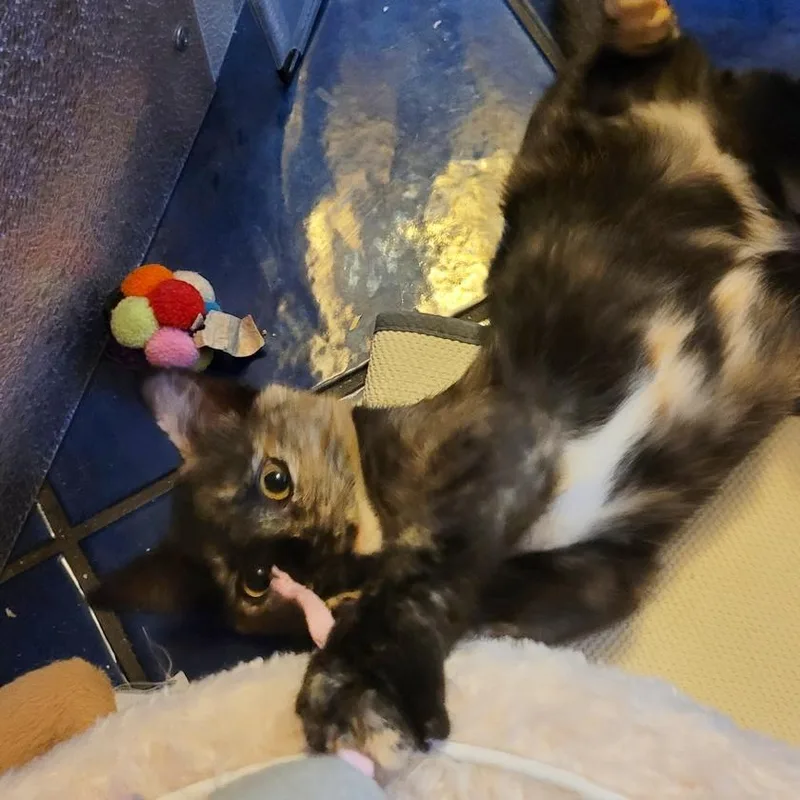
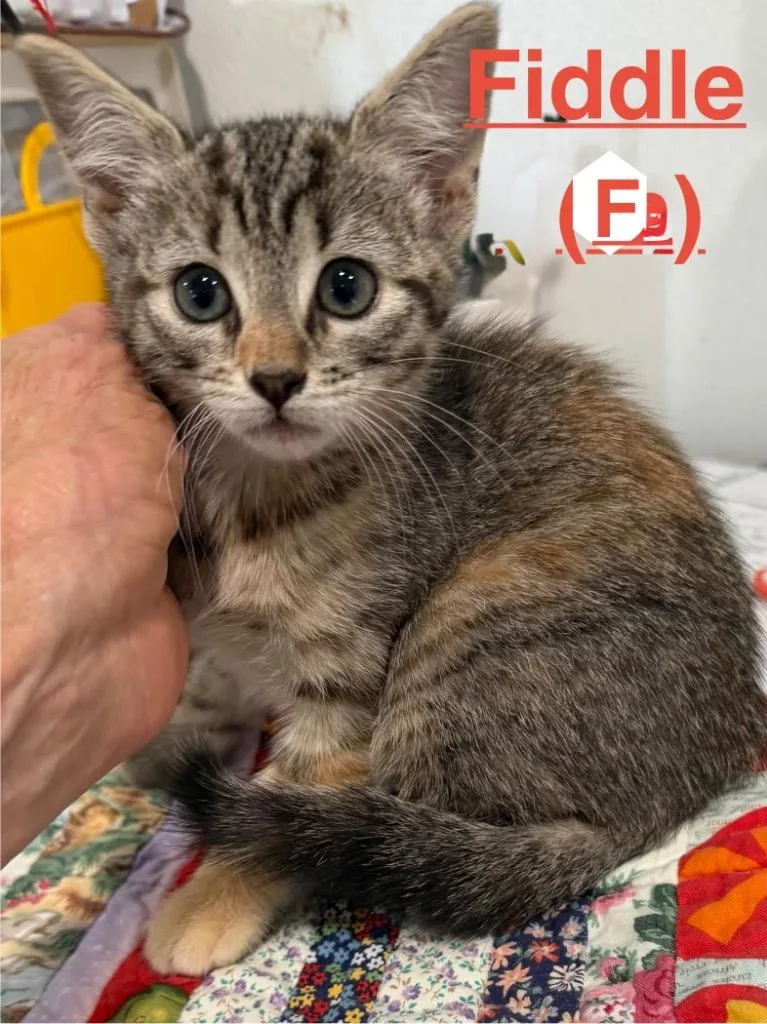
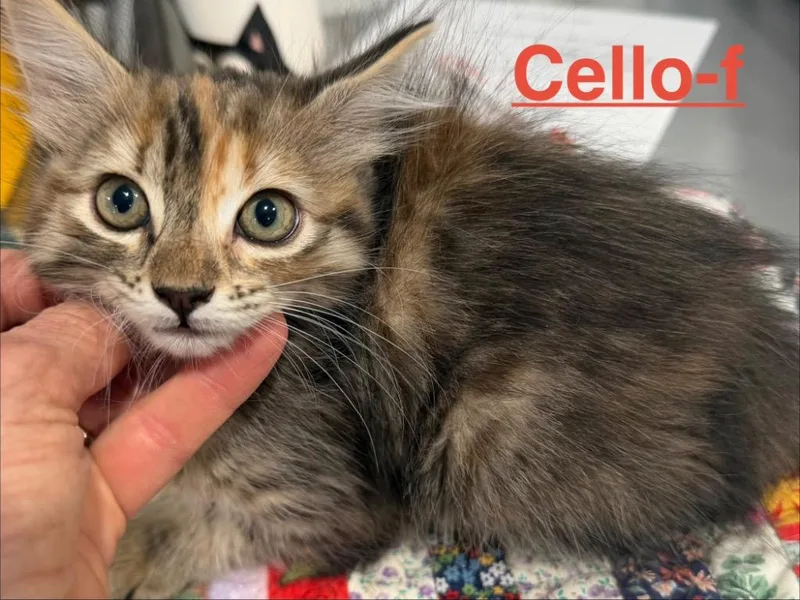
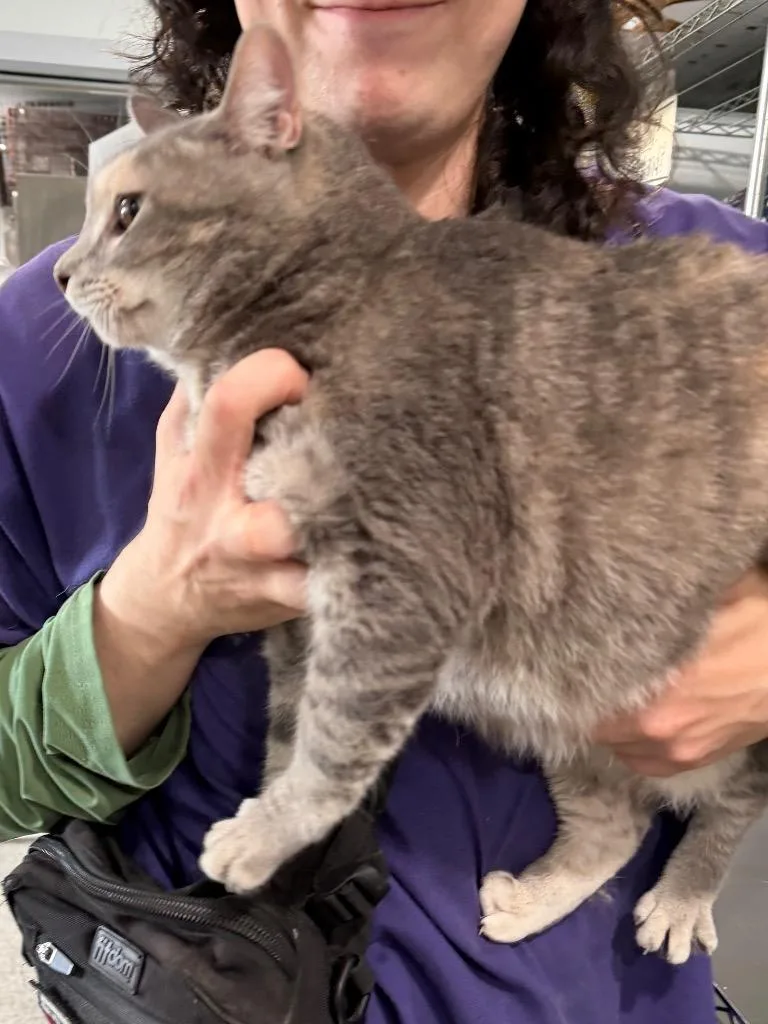
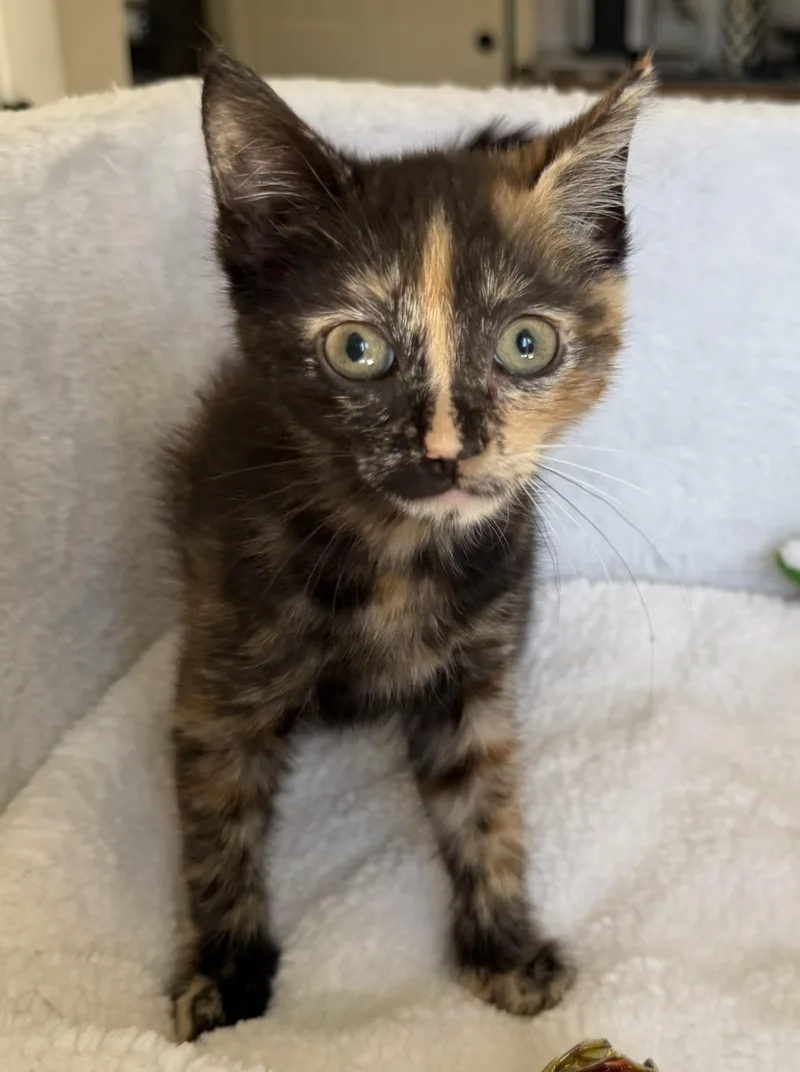
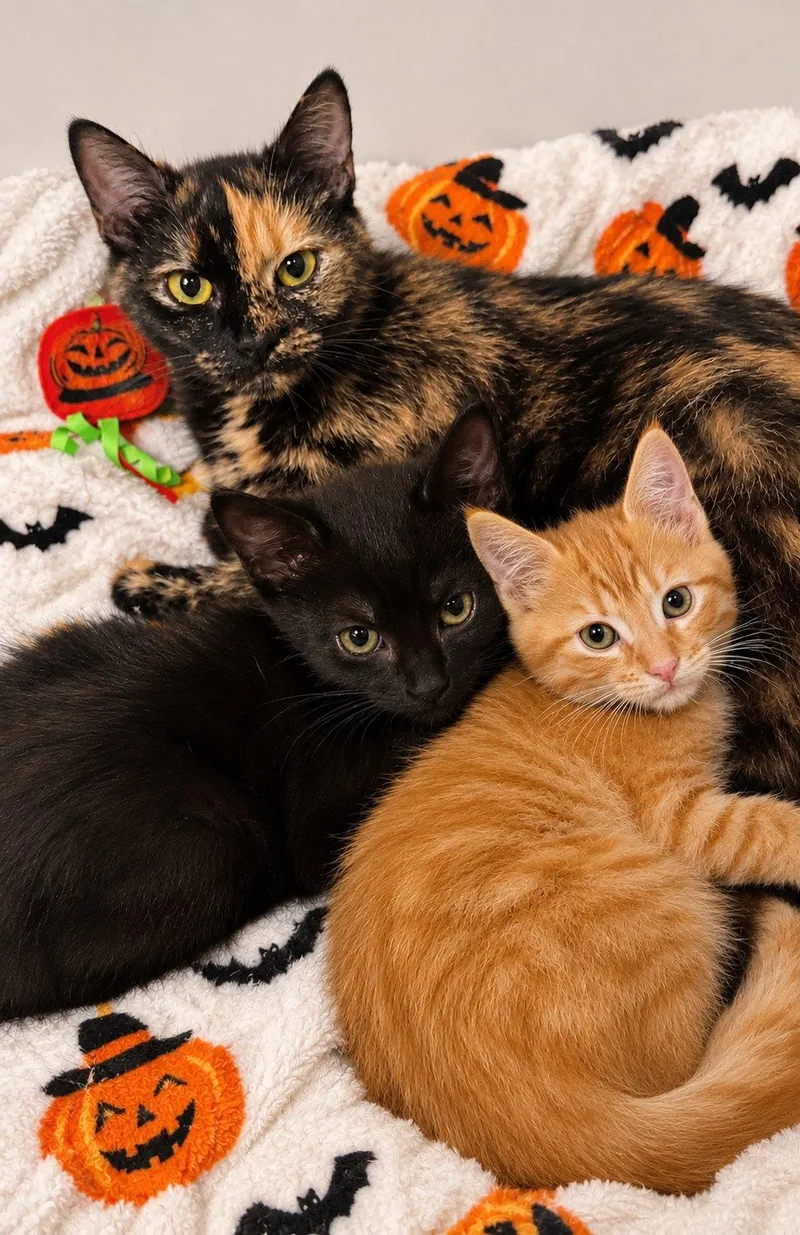
Tortoiseshell is a coat pattern rather than a breed. A tortie's fur blends black-based and orange-based colors in patches or a fine mottle, usually with little white, and dilute torties show soft gray and cream. Nearly all are female, because the orange gene sits on the X chromosome. Most are domestic shorthairs, though the pattern turns up in many breeds.

Torties are medium-sized cats, usually 6 to 14 pounds, and many live 12 to 18 years, so adopting one is a long commitment through many Anchorage winters. Shedding is moderate, and weekly brushing keeps the coat tidy. The "tortitude" reputation comes mostly from owner impressions, so a tortie's age, history and socialization say more about personality than color does.

Weight
6–14 lbs
Height
8–10 in
Lifespan
12–18 yrs
Temperament
Independent, Affectionate, Playful
Shedding
Moderate

Owning a Tortoiseshell in Anchorage

Having a Tortoiseshell in Anchorage

Tortoiseshell describes a coat, not a breed, so these traits are typical rather than guaranteed. Most torties are domestic shorthairs of every personality, and Anchorage's long indoor winters make play, perches and a warm home the main things to plan around.

Temperament

Torties range from shy to bold and from lap cats to independent ones. The tortitude reputation rests mostly on owner impressions, not firm evidence. In Anchorage, a cat who is comfortable alone on workdays and settles after the loud bangs around July 4 and New Year's will fit most households easily.

Exercise Needs

Most torties benefit from daily play with wand toys, chase games and puzzle feeders, and young cats need more. Because Anchorage winters keep cats inside for months, plan two or three short sessions a day, add a window perch and cat tree, and rotate toys. Harness walks suit only confident cats, away from moose and bears.

Health Considerations

The tortoiseshell pattern carries no known health risks for female cats, while the rare males often have an extra X chromosome and may need more veterinary attention. Health depends mostly on ancestry and age, so schedule a vet exam soon after adoption, keep up dental care, and watch weight, since indoor winters can mean less activity.

Living Space

Tortoiseshell cats do well in apartments and houses alike. Since Anchorage winters keep cats indoors for months, give them a cat tree, scratching posts, hiding spots and a sunny window to watch. Confident, social torties often handle busy households, while shyer cats usually prefer calmer homes with a quiet retreat.

What it costs to own a Tortoiseshell in Anchorage

ExpenseTypical costPer year
Food$25 to $50 per month$300 to $600
Pet insurance$20 to $45 per month$240 to $540
Routine vet care$150 to $350 per year$150 to $350
Other*$450 to $1,150 per year$450 to $1,150
Estimated yearly total (after year one)$1,140 to $2,640

Other costs are estimates and vary with size, age and health.

* Litter, flea prevention, a dental cleaning allowance, toys and supplies, and occasional home grooming supplies.

Adopt a Tortoiseshell in Anchorage.

Now that you know more, let’s find you a new best friend. These rescues and shelters below have cats available in and near Anchorage.

Rescues and Shelters in or near Anchorage

Anchorage cats find homes through a municipal shelter and foster-based rescues, which are listed here. Here are the rescues & shelters in the Anchorage area with cats available for adoption, worth asking whether a Tortoiseshell is coming in.

Frequently Asked Questions

Yes, nothing in Anchorage's rules treats Tortoiseshell cats differently, since the city's dangerous-animal system is based on behavior, not breed or color. Cats over four months need a rabies vaccination, and keeping four or more cats requires a multi-animal facility license. Watch the listings on this page, or save a search to hear about new cats.

Yes, most Tortoiseshell cats do well in apartments, which matters in a city where about a third of households rent. Winters keep cats inside for months, so plan for a cat tree, a window perch and daily play. Confirm the building's pet policy and any pet deposit in writing before you apply.

Yes, as indoor cats they handle it well. Winter brings sub-zero nights, roughly 78 inches of snow and about six hours of daylight in December, so a warm bed, a bright window and daily play matter most. Keep cats inside, since a cat who slips out in the cold, or near moose, is at real risk.

Very little. Most Tortoiseshells are shorthairs, and weekly brushing handles moderate shedding, with longhaired torties needing a few brushings a week. Dry indoor air in winter can mean a little extra loose fur. Any grooming supplies fall under the Other line in the cost table, and professional grooming is rarely needed.

Probably, in a closed carrier. Anchorage's People Mover is a bus system with no subway, and pets are generally expected to ride in a secure, closed carrier. Choose a sturdy carrier your cat is already used to, and check current rules and fares with People Mover before your first trip.

A tortoiseshell cat is a cat with a coat pattern of black-based and orange-based colors blended or patched together, usually with little or no white. It is not a breed; the pattern appears in many breeds and most often in domestic shorthairs. Nearly all tortoiseshells are female because the genes for orange and black are carried on the X chromosome.

Almost all tortoiseshell cats are female, but not all. A female has two X chromosomes and can carry both orange and black color genes, producing the mixed coat. Males normally have only one X. Rare male torties usually have an extra X chromosome or are genetic chimeras, and they are estimated at roughly 1 in 3,000 tortoiseshells.

No, tortoiseshell cats are not rare. They are common among domestic cats and are regularly found in shelters and rescues. What is rare is a male tortoiseshell, since the pattern almost always requires two X chromosomes. Certain variations, such as long-haired or dilute torties, are less common simply because they require additional recessive genes.

A tortoiseshell cat has a coat of black or chocolate mixed with orange, red or gold, either in a fine brindled blend or in distinct patches. There is usually little or no white. Many have a split or blazed face, and eye colors range from gold and copper to green. Dilute versions show gray and cream instead.

A Tortoiseshell in Anchorage typically costs about $1,140 to $2,640 a year. Food runs $25 to $50 a month and insurance $20 to $45 a month. Routine vet care is $150 to $350 a year, and other costs such as litter, flea prevention, dental care and supplies run $450 to $1,150 a year.

Explore Other Breeds in Anchorage

Looking for a different breed? Browse other cats available for adoption in Anchorage.