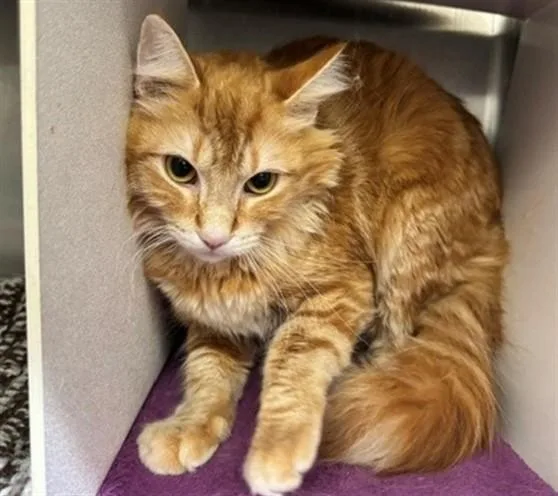
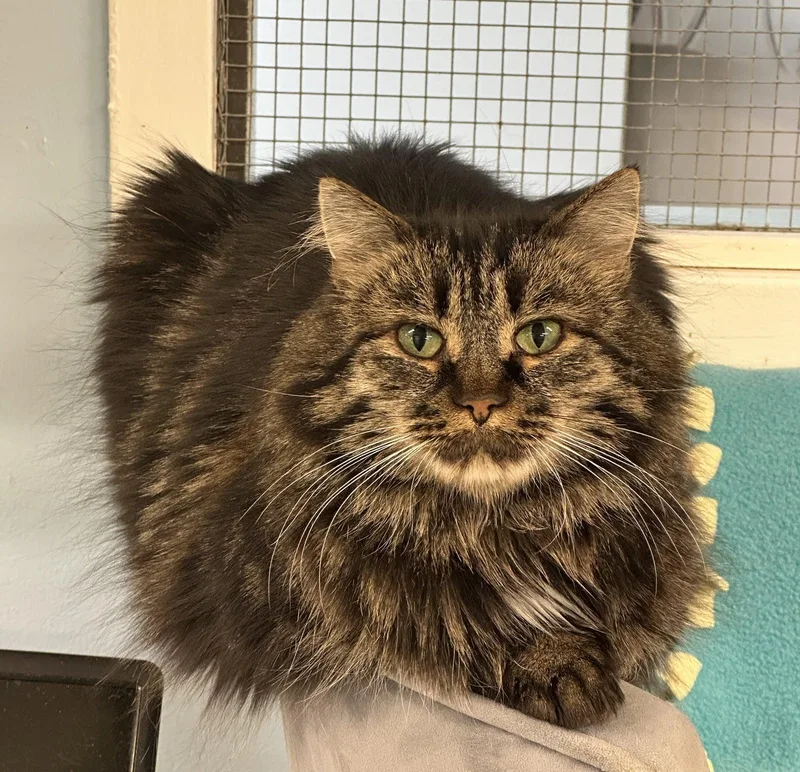
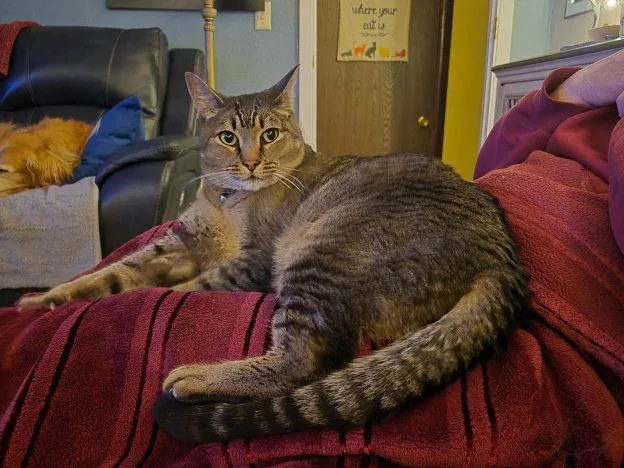
Havana Cats for Adoption in Anchorage, AK

Your guide to finding and caring for a Havana in Anchorage

A Havana suits Anchorage's long indoor months better than most cats do. It wants company and something to watch, and a window over a Government Hill yard or a Spenard side street gives a curious cat plenty, from ravens to snowfall to the occasional moose. Havanas are rare, so the brown shorthairs and Havana-type mixes you come across are worth a look too. Plan on daily play, a perch by the glass and someone home for part of the day.

2798 cats similar to Havana available in Anchorage and nationwide

Give a Havana Brown a home

While we don't have enough cats near Anchorage, keep in mind that many rescues may offer transport.

Havanas and Similar Breeds Available for Adoption Near Anchorage

About the Havana breed

The Havana, sometimes called the Havana Brown, was developed in 1950s Britain by pairing chocolate-carrying Siamese with black domestic shorthairs. The result is a medium, muscular cat of roughly 6 to 10 pounds with a glossy chocolate coat, brown whiskers, green eyes, large forward-tilted ears and a squared-off muzzle. The short coat sheds little and needs only a quick weekly brush.

Havanas are curious and people-focused, often patting at things with a paw and chatting in a softer voice than a Siamese. In an Anchorage home that usually means a cat who supervises dinner, greets guests and wants in on whatever you're doing. Because the breed is so uncommon, a brown cat with a similar temperament is more likely than a registered Havana, and each cat's own personality matters more than its label.

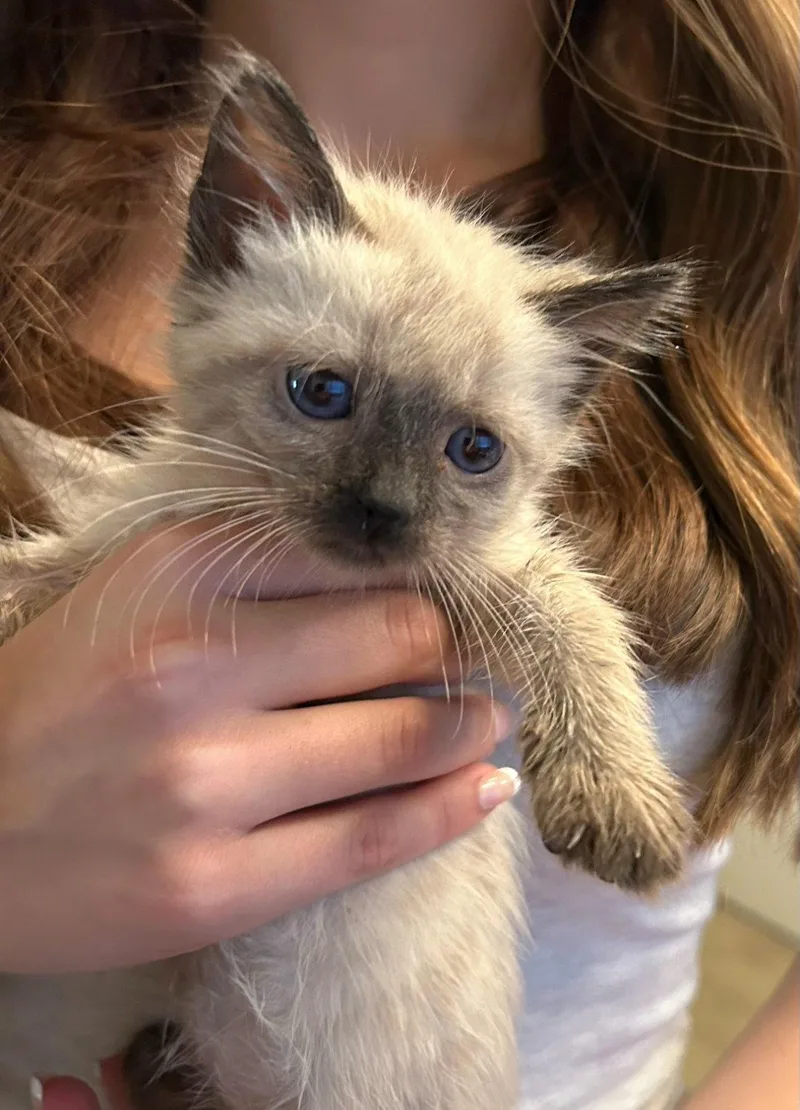
Weight
6–10 lbs
Height
9–11 in
Lifespan
10–15 yrs
Temperament
Social, Curious, Affectionate, Playful
Shedding
Low

Owning a Havana in Anchorage

Having a Havana in Anchorage

Expect a sociable, curious cat with a low-maintenance coat. In Anchorage, where winter days are short, indoor enrichment, a good window view and regular company matter more than space or grooming.

Temperament

Havanas are usually affectionate and interactive, following people from room to room and greeting visitors with interest. Many do well with considerate children and calm dogs. Because they crave company, some get lonely during long workdays, so a household with someone home part of the day or another friendly pet often suits them. Personalities still vary from cat to cat.

Exercise Needs

Plan on two or three short play sessions a day with wand toys, balls and puzzle feeders. With only about six hours of daylight in December, indoor play and tall perches carry most of a Havana's activity through the winter. A cat tree beside a window gives a curious cat something to watch between sessions.

Health Considerations

The Havana has no well-documented breed-specific genetic disease, though gum inflammation may be somewhat more common. The breed's small gene pool means health records are limited, so brushing teeth, yearly dental checks and regular exams are worth the effort. A veterinarian can examine the teeth and discuss screening. In Anchorage, cats over four months need a rabies vaccination.

Living Space

A Havana can be happy in a Midtown apartment or a Hillside house, since companionship and enrichment count for more than square footage. Window perches, a cat tree and a few hiding spots help. Keeping a Havana indoors also protects it from cold, traffic and the moose and bears that wander through Anchorage neighborhoods.

What it costs to own a Havana in Anchorage

ExpenseTypical costPer year
Food$25 to $50 per month$300 to $600
Pet insurance$25 to $50 per month$300 to $600
Routine vet care$150 to $350 per year$150 to $350
Other*$450 to $1,150 per year$450 to $1,150
Estimated yearly total (after year one)$1,200 to $2,700

Other costs are estimates and vary with size, age and health.

* Litter, flea prevention, a dental cleaning allowance, toys, scratchers and other supplies, and minimal home grooming for the short coat.

Adopt a Havana in Anchorage.

Now that you know more, let’s find you a new best friend. These rescues and shelters below have cats available in and near Anchorage.

Rescues and Shelters in or near Anchorage

Anchorage has a municipal shelter and volunteer-run rescues that place cats of all ages, colors and personalities. Here are the rescues & shelters in the Anchorage area with cats available for adoption, worth asking whether a Havana is coming in.

Frequently Asked Questions

Yes, for the right household. A Havana is a sociable, curious indoor cat, and Anchorage's long, dark winters mean plenty of time for play and lap time. It does best with someone home part of the day and a window to watch. Moose and bears outside make an indoor life the safer choice.

Yes, as indoor cats. Winter highs hover in the 20s and nights can drop below 0°F, and a Havana's short coat gives little insulation. Keep the cat inside with a warm bed away from drafts, add window perches for the short days, and warm the car before any vet trip.

Yes. Havanas care more about company and enrichment than square footage, so a one-bedroom works well with a cat tree, a window perch and daily play. Their voices are softer than a Siamese's, which helps with close neighbors. Check your lease for pet deposits, fees and damage terms before moving in.

Yes. Anchorage has no known breed-specific rules for cats, and its dangerous-animal system is based on behavior, not breed. Cats over four months need a rabies vaccination, and anyone keeping four or more cats needs a multi-animal facility license. Keep your cat under control in public places.

Very little. The short, low-shedding coat needs a quick weekly brush, and a bit more during seasonal shedding. Dry indoor winter air can make a coat look dull or static-prone, so brushing helps. Professional grooming is rarely needed and falls within the yearly Other costs, along with nail trims and teeth care.

Anchorage's public transit is People Mover buses, and pets are generally allowed to ride in a closed carrier. A Havana fits easily in a carrier, so a ride to the vet is manageable. Rules can change, so check current pet policies with People Mover before you go.

Generally no. Alaska's food code bars pet animals from food establishments, with exceptions for service animals, and cats aren't on the list. Even where a patio seems relaxed, a Havana is happier at home. Plan outings around cat-safe spots, and leave your cat with a window perch and a puzzle feeder.

A Havana cat, also called the Havana Brown, is a rare shorthaired breed developed in Britain in the 1950s from Siamese and black domestic cats. It is recognized by its rich chocolate-brown coat, brown whiskers, green eyes and distinctive muzzle. Havanas tend to be social, curious and people-focused, and few are available, so brown shorthaired mixes are more common in shelters.

Expect roughly $25 to $50 a month for food and $25 to $50 a month for insurance. Routine vet care runs about $150 to $350 a year, and other costs such as litter, flea prevention and dental cleanings add $450 to $1,150. Together that comes to roughly $1,200 to $2,700 a year, before any emergencies.

Explore Other Breeds in Anchorage

Looking for a different breed? Browse other cats available for adoption in Anchorage.